
Teledentistry for Sleep Apnea: Which Visits Can Go Virtual?
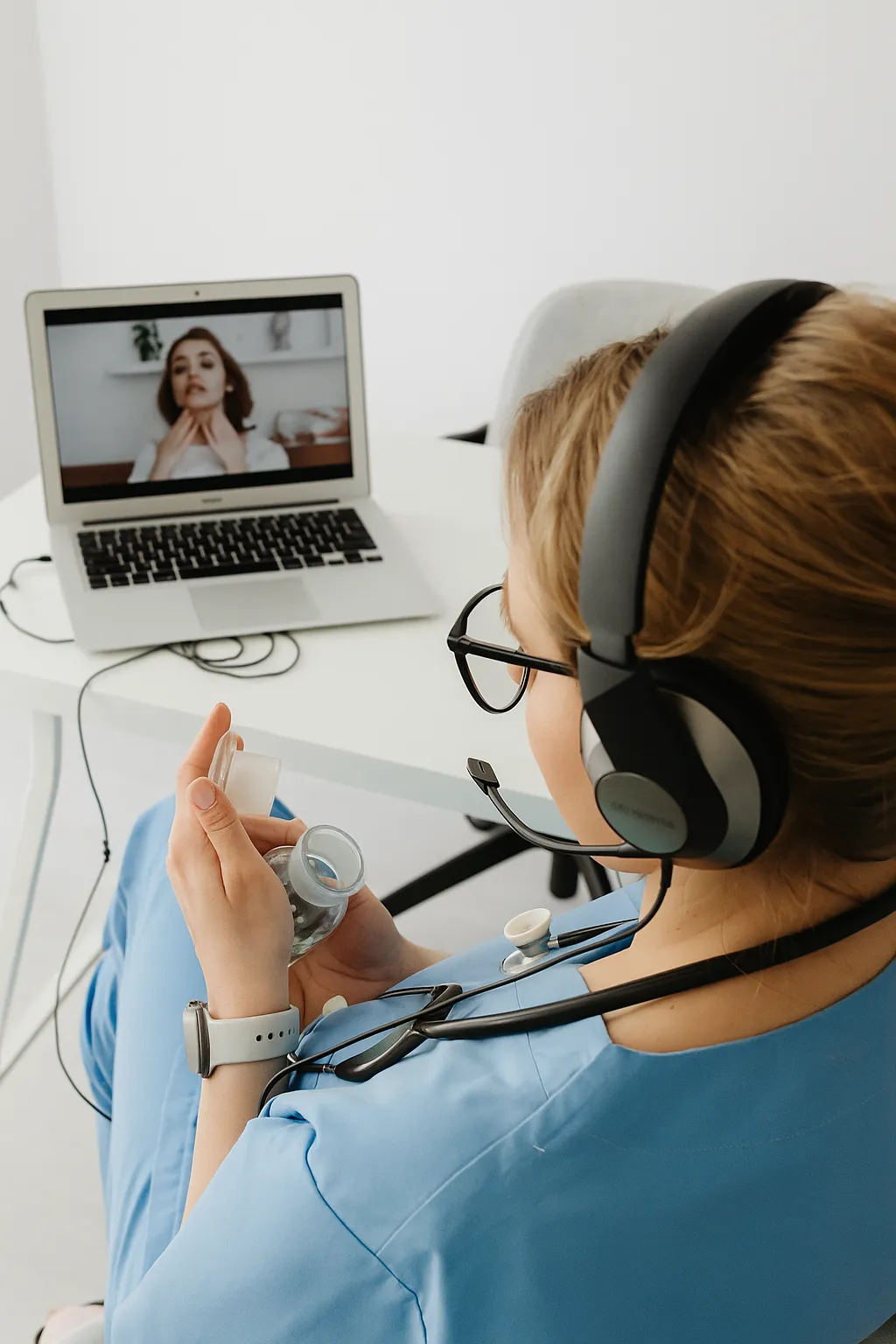
Teledentistry suits dental sleep medicine unusually well, because much of a sleep case is conversation and review. Initial consultations, sleep study reviews, consent discussions, symptom check-ins, and physician co-management can all be done by video. The oral examination, the scan, appliance delivery, and hands-on adjustments still need the chair. A hybrid model cuts chair time without cutting care.
What Is Teledentistry?
Teledentistry is the delivery of dental care, consultation, or education using communication technology. It takes two forms. Synchronous teledentistry is a live video or audio visit. Asynchronous teledentistry, sometimes called store and forward, is the secure sharing of records, images, or scans for review at a later time. Both are useful in a sleep practice, and most practices use them together.
Why Does Sleep Apnea Care Fit a Virtual Model?
Your oral health is more important than you might realize. It's not just about having a bright smile, it's about maintaining your overall well-being. Regular dental check-ups, proper brushing and flossing, and a healthy diet can prevent many dental issues.

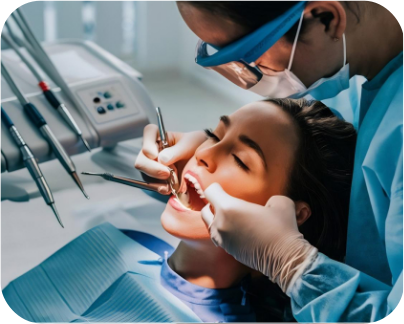
Oral appliance therapy involves more appointments than most dental procedures, and many of them involve no instruments at all.
- The diagnosis is made elsewhere. The dentist is reviewing a sleep study and a physician's order, not discovering disease in the mouth.
- The patient journey is long. Screening, consultation, delivery, several adjustment checks, a follow-up test, and annual review can add up to eight or more contacts.
- Much of it is education. Explaining the condition, the treatment options, the costs, and the side effects takes time and does not require the patient to be in the building.
- Two providers are involved. The dentist and the sleep physician need to communicate, and a shared virtual channel is easier than exchanging letters.
- Patients are often tired. People with untreated sleep apnea are the last group who should be asked to drive across town for a conversation.
Which Visits Can Be Done Virtually?
These contacts work well by video.
- Initial consultation. Reviewing symptoms, history, and questionnaire results, and explaining whether the patient needs a sleep study.
- Sleep study review. Going through the results and what they mean once the physician has made the diagnosis.
- Treatment options and consent. Discussing oral appliance therapy compared with other treatments, expected outcomes, and side effects.
- Financial discussion. Presenting verified benefits and the patient's estimated share.
- Early check-ins. Asking about comfort, salivation, jaw soreness, and how many nights the appliance is being worn.
- Guided self-adjustment. Coaching the patient through advancing a patient-adjustable device, and recording the change.
- Follow-up test review. Discussing the results of the efficacy study with the appliance in place.
- Annual review of symptoms, where no clinical concern has been raised.
- Co-management with the physician. Case discussions and shared visits.
Which Visits Still Need the Chair?
Some steps cannot be done remotely and should not be attempted.
- The clinical examination of teeth, gums, and jaw joints before treatment.
- The intraoral scan or impression and the bite record.
- Delivery and fitting of the appliance.
- Adjustments that require the clinician to modify the device.
- Evaluation of pain, a changing bite, or loose teeth.
- Periodic in-person examination to check the teeth and occlusion, even when the patient feels well.
A reasonable rule is that anything involving the clinician's hands or direct observation of the bite is in person, and anything involving information is a candidate for video.
What About Licensure, Consent, and Privacy?
Virtual care carries its own requirements.
- Licensure. The provider generally must be licensed in the state where the patient is located at the time of the visit. Check before seeing a patient who is traveling or has moved.
- State rules. Dental practice acts differ on what may be done by teledentistry and whether an in-person examination must come first.
- Consent. Obtain and document the patient's consent to a virtual visit, including its limitations.
- Privacy. Use a platform that provides encryption and a business associate agreement. Consumer video apps do not meet this standard.
- Documentation. Record the visit in the chart to the same standard as an in-person visit, noting that it was conducted by video and where the patient was.
Can Virtual Visits Be Billed?
Often, but the rules depend on the payer and change frequently. Medical payers that cover telehealth usually expect the visit to be reported with the appropriate evaluation and management code, a place of service code indicating telehealth, and sometimes a modifier identifying a synchronous visit. Dental plans have their own teledentistry codes and policies. Coverage expanded considerably in recent years, and some of those expansions have been extended or withdrawn since. Verify each payer's current telehealth policy instead of assuming.
Even where a virtual visit is not separately paid, it can be worthwhile. A fifteen-minute video check-in that replaces a thirty-minute chair appointment frees the operatory for a procedure that is.
What Should a Practice Look For in Telemedicine Software?
The technology should make virtual visits easier than phone calls, not harder.
- Launch from the patient record, without a separate application.
- A simple link for the patient, with nothing to download.
- Video, audio, and screen sharing, so results and scans can be shown.
- Charting during the visit.
- Scheduling that treats virtual and in-person visits in one calendar.
- Automated reminders by text and email.
- Encryption and a business associate agreement.
- The ability to bring the referring physician into the workflow.
How Does Appnea Support Virtual Care?
Appnea's Telemedicine lets a provider start a video visit from the patient's record with one click. Patients join through a secure, personalized link with no app to install. Visits support audio, video, and screen sharing, and charts and notes can be updated in real time during the consultation. An in-office visit can be converted to a virtual one without rescheduling, and automated reminders by text and email help reduce missed appointments. Interactions are encrypted and documented in the patient record, and referral management includes secure data sharing between providers, which supports co-management between the dentist and the sleep physician.
Key Takeaways
- Consultations, results reviews, consent, check-ins, and physician co-management work well by video.
- Examination, scanning, delivery, and hands-on adjustments remain in person.
- The provider must generally be licensed where the patient is located during the visit.
- Telehealth billing rules vary by payer and should be verified.
- Use a platform that launches from the patient record and is covered by a business associate agreement.
Frequently Asked Questions
Q: What is teledentistry?
A: Dental care or consultation delivered using video, audio, or secure sharing of records instead of an in-person visit.
Q: Can a sleep apnea appliance be fitted virtually?
A: No. The scan, delivery, and fitting need to be done in person. Many visits before and after can be virtual.
Q: Is a video visit as effective as an in-person consultation?
A: For discussion, education, and symptom review, yes. It does not replace a clinical examination.
Q: Do patients need special equipment?
A: A smartphone, tablet, or computer with a camera and an internet connection is enough.
Q: Can a dentist see a patient in another state by video?
A: Only if licensed in the state where the patient is located, subject to that state's teledentistry rules.
Final Thoughts
The practices that gain most from teledentistry are not the ones that move everything online. They are the ones that sort each contact by what it actually requires. Conversations move to video, hands stay in the operatory, and the patient makes fewer trips for the same standard of care. In a treatment pathway with as many touchpoints as oral appliance therapy, that sorting is one of the simplest ways to increase capacity without adding a chair.

Need help ?
Schedule your initial consultation today and start your journey towards a pain-free, healthier smile. Contact us now!
Blog Suggestions
STL Viewer for Dentists: How to Check an Intraoral Scan Before the Lab
What an STL file is, the eight things to check in an intraoral scan before it goes to the lab, the measurements that matter for oral appliances, and why patient scans should not go into public online viewers.

AI in Dentistry: What an AI Assistant Actually Does in a Sleep Practice
The useful AI in a dental sleep practice is administrative: retrieving records, booking follow-ups, checking eligibility, and preparing claims by voice or text. What it should not do, and the questions to ask before adopting one.

Dental Revenue Cycle Management When You Bill Medical Insurance
The ten stages of the medical revenue cycle for a dental sleep practice, where revenue is lost, the metrics to track monthly, and how to decide between in-house, outsourced, and hybrid billing.
AI Medical Billing and Coding for Dental Sleep Claims
What AI can do in medical billing for oral appliances, from code suggestions and claim checks to prior authorization packets and denial analysis, what it cannot do, and the compliance risks to manage.