
How Menopause and Snoring Are Connected: What Every Woman Should Know
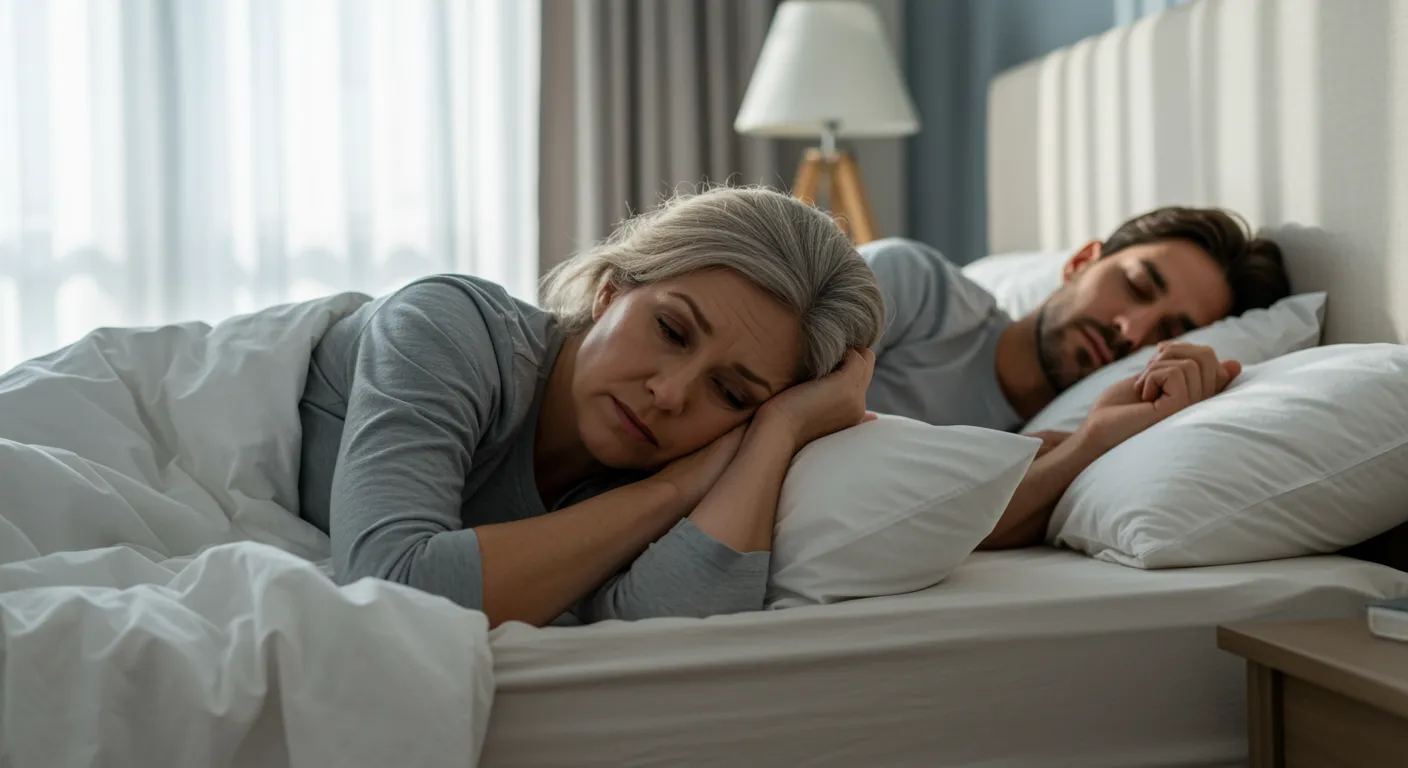
Snoring isn’t just something that disturbs your partner — for many women, it’s an unexpected symptom of midlife changes, particularly menopause. Maybe you never snored before, and suddenly, complaints (or gasping for air) become part of your nights. If this sounds familiar, you’re not alone.
The link between menopause and snoring is real. By understanding it, you can take meaningful steps toward better rest, improved health, and overall well-being. Let’s explore why menopause can trigger snoring, common causes, and what you can do to manage it.
What Exactly Is Menopause?
Menopause is a natural transition that marks the end of reproductive years. It’s officially diagnosed when a woman has gone 12 straight months without a menstrual period, usually between ages 45 and 55. But the journey begins earlier, during perimenopause, when hormone levels — especially estrogen and progesterone — start to fluctuate.
Your oral health is more important than you might realize. It's not just about having a bright smile, it's about maintaining your overall well-being. Regular dental check-ups, proper brushing and flossing, and a healthy diet can prevent many dental issues.
These shifts influence far more than just reproductive health. They affect metabolism, mood, body temperature, and yes, sleep quality. And that’s where snoring often enters the picture.
Can Menopause Cause Snoring?
The short answer: yes. Hormonal changes, midlife weight gain, and disturbed sleep patterns combine to increase the risk of snoring.
Hormonal Shifts and Throat Muscle Tone
Estrogen and progesterone help keep airway muscles firm and regulate breathing. Progesterone, in particular, strengthens the upper airway muscles. When these hormones drop, the muscles in the throat relax more, allowing tissues to vibrate as air passes — the classic sound of snoring.
Weight Gain and Fat Distribution
Many women experience weight gain in perimenopause and menopause, especially around the neck and upper body. Extra tissue in the throat narrows the airway, while abdominal fat presses against the lungs. Both make breathing harder and increase the chances of snoring or even obstructive sleep apnea (OSA).
Poor Sleep Quality
Hot flashes, night sweats, and mood swings break up sleep. Fatigue, in turn, causes airway muscles to over-relax, which worsens snoring. Even if menopause doesn’t directly cause snoring, it indirectly contributes by fragmenting sleep cycles.
Higher Risk of Sleep Apnea
After menopause, women’s risk of sleep apnea rises sharply, mostly due to the loss of estrogen’s protective effects. Since snoring is a hallmark symptom of OSA, it’s often the first warning sign that a woman is developing a sleep disorder.
Why Snoring Can Start Suddenly in Menopause
Some women are surprised when they begin snoring out of nowhere during midlife. This sudden onset is usually the result of hormonal shifts, weight changes, and disrupted sleep all happening at once.
The good news? Snoring linked to menopause isn’t permanent — and with the right strategies, it can be managed.
Practical Tips to Manage Snoring During Menopause
Manage Weight
Even modest weight loss (5–10%) can improve airflow and reduce snoring. Focus on:
🔹 Eating whole, fiber-rich foods
🔹 Cutting back on processed sugar and refined carbs
🔹 Combining cardio and strength training to maintain muscle
Change Your Sleep Position
Sleeping on your back encourages snoring because gravity pulls relaxed throat tissues downward. Use a body pillow to help you stay on your side.
Limit Alcohol and Sedatives
Alcohol, sedatives, and smoking all increase airway collapse. For better sleep:
🔹 Avoid alcohol 3–4 hours before bed
🔹 Only use sedatives under medical supervision
🔹 Quit smoking to reduce irritation and inflammation
Stay Hydrated
Dry tissues vibrate more, worsening snoring. Combat dehydration by:
🔹 Drinking 8–10 glasses of water daily
🔹 Running a humidifier in your bedroom
🔹 Limiting caffeine and diuretics in the evening
Consider Hormone Replacement Therapy (HRT)
For some women, restoring estrogen and progesterone levels helps improve sleep quality and reduce snoring. Talk with your doctor about whether HRT is right for you.
Improve Sleep Hygiene
🔹 Stick to a regular sleep schedule
🔹 Keep your room cool, dark, and quiet
🔹 Reduce screen use before bedtime
Try Anti-Snoring Aids
Options like nasal strips, oral appliances, or CPAP (for diagnosed OSA) can provide immediate relief.
When to See a Specialist
If your snoring is loud, nightly, or paired with gasping or choking, consult a doctor. These symptoms could signal obstructive sleep apnea, a condition that requires medical treatment.
Many women don’t get diagnosed because OSA is often seen as a “man’s disease.” But postmenopausal women are at significant risk, and ignoring it can harm long-term health.
Final Thoughts
So, does menopause cause snoring? Absolutely. Hormonal changes, body composition shifts, and sleep disturbances create the perfect conditions for snoring in midlife.
The key takeaway: snoring during menopause is common, but not inevitable. With lifestyle changes, good sleep habits, medical support, and in some cases hormone therapy, women can minimize or even eliminate snoring.
Restful, refreshing sleep is possible — even through the menopause transition.

Need help ?
Schedule your initial consultation today and start your journey towards a pain-free, healthier smile. Contact us now!
Blog Suggestions
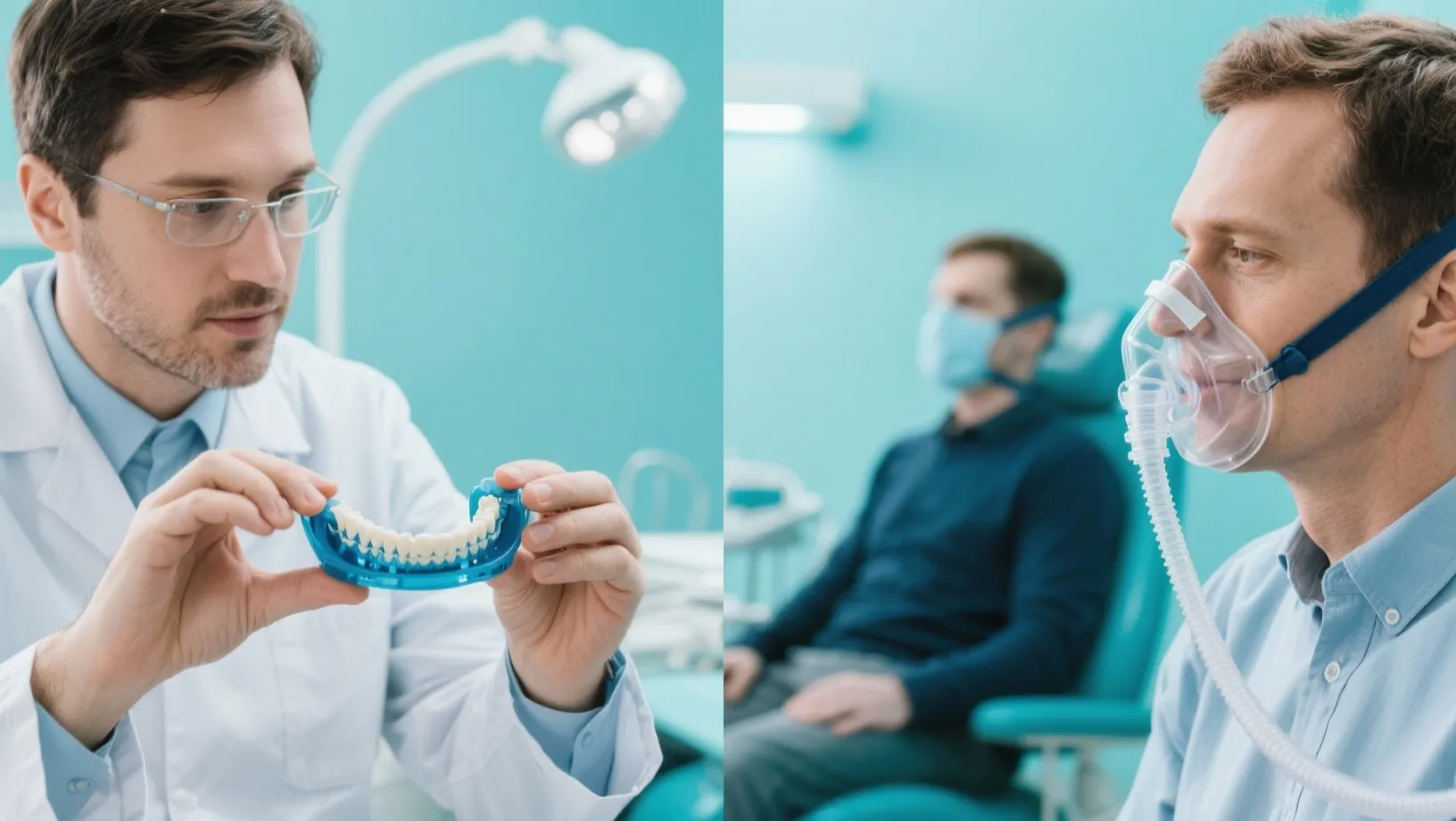
Mandibular Advancement Devices vs CPAP in Severe Sleep Apnea: Rethinking the Standard of Care
“OSA management is evolving. If CPAP is the gold standard, MADs may be the platinum alternative—durable, patient-friendly, and heart-protective.

The Dangerous Link Between Sleep Deprivation, Exposure to Violence, and Adolescent Violence
“Adolescence is a critical time for growth and development, where both physical and psychological changes are at their peak.

Associations Amoung nonrestorative sleep status, sleep apnea syndrome and major adverse cardiac and cerebrovascular events
Sleep is a fundamental biological process essential for the restoration of physical and mental health.
Sleep Apnea, Heart Attack, Stroke & Oral Appliance Therapy
In recent years, the links between sleep apnea syndrome (SAS), nonrestorative sleep status (NRS), and major adverse cardiovascular and cerebrovascular events (MACCE) have drawn growing attention in the medical community.