
5 Strategies for Discussing Preventive Care with Your Patients
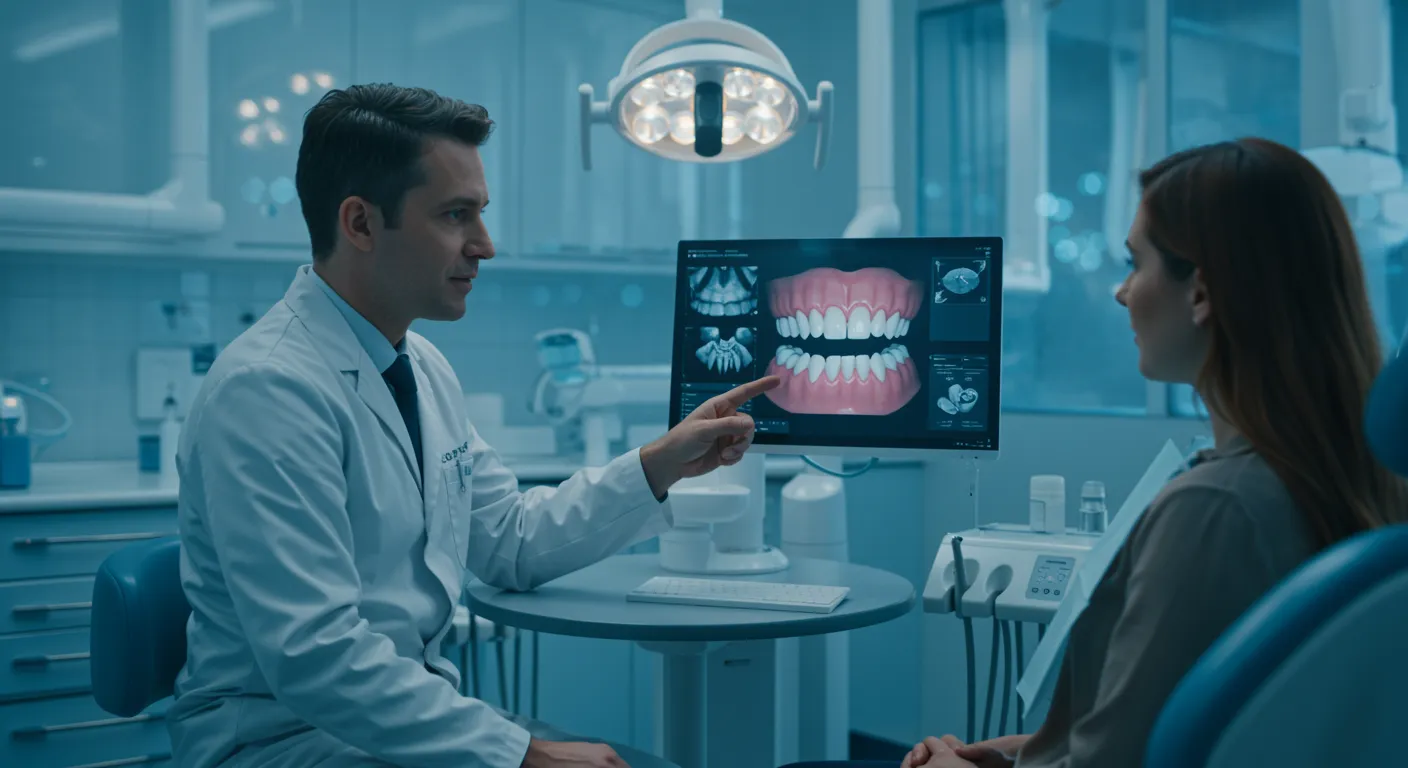
Preventive care is the foundation of modern dentistry — yet, for many patients, its true value often goes unrecognized. While clinicians understand the far-reaching benefits of preventive dentistry, patients may see it as just another expense or inconvenience.
The key lies in communication. How we explain preventive care can determine whether patients perceive it as optional maintenance or essential healthcare. Below are five evidence-based strategies to help you effectively frame preventive care as an investment in lifelong oral and overall health.
Your oral health is more important than you might realize. It's not just about having a bright smile, it's about maintaining your overall well-being. Regular dental check-ups, proper brushing and flossing, and a healthy diet can prevent many dental issues.
Emphasize Long-Term Oral Health
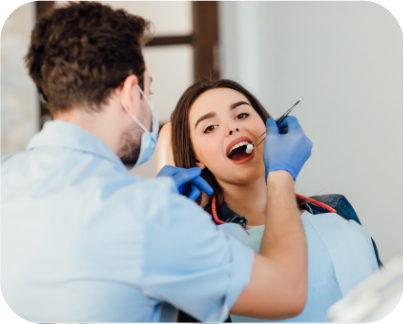
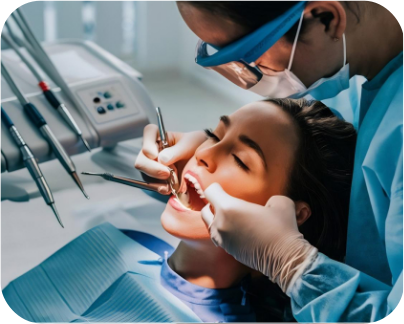
The most direct benefit of preventive care is disease prevention — but patients need to understand why professional care complements at-home routines.
Explain that even the most diligent brushing and flossing cannot remove every trace of plaque and tartar. Routine cleanings, fluoride treatments, and dental sealants help target the areas patients can’t reach, stopping decay and inflammation before they start.
You might share examples such as:
🔹Dental sealants can reduce cavity risk by up to 80% in children.
🔹Fluoride applications strengthen enamel and prevent early decay — benefits that extend into adulthood.
Patients are more likely to value these services when they understand their measurable impact.
Address the Cost Conversation
Many patients delay care due to perceived cost barriers. However, preventive dentistry is not an expense — it’s an investment that saves money over time.
Cite the data: for every dollar spent on preventive dental care, studies suggest $8–$50 can be saved in restorative or emergency treatments. Explain that routine exams and cleanings, typically covered by dental insurance, are the simplest and most cost-effective way to prevent expensive procedures like root canals, crowns, or implants.
For uninsured patients, position preventive visits as a low-cost alternative to crisis-based care. Framing prevention as “spending smart” often resonates better than focusing solely on health benefits.
Create a Positive Dental Experience
Dental anxiety remains one of the most common reasons patients postpone care. When fear leads to avoidance, the result is a higher likelihood of needing invasive procedures later.
Approach anxious patients with empathy. Build rapport, explain each step before you perform it, and create an environment of trust. Highlight how regular visits help avoid complex procedures and discomfort in the future.
Approach anxious patients with empathy. Build rapport, explain each step before you perform it, and create an environment of trust. Highlight how regular visits help avoid complex procedures and discomfort in the future.
Encourage open dialogue and normalize their fears — patients who feel heard are far more likely to return for consistent preventive visits.
Reinforce the Whole-Body Connection
Preventive dental care extends far beyond the mouth. Oral inflammation, bacterial imbalance, and untreated gum disease are linked to systemic conditions including heart disease, diabetes, osteoporosis, cancer, and respiratory illness.
By positioning oral exams as early detection tools, you help patients see their dental visits as an integral part of their overall health plan — not separate from it.
You can also emphasize the role of nutrition as part of whole-body prevention. Diets rich in calcium, vitamin D, antioxidants, and omega-3 fatty acids promote gum health, bone density, and reduced inflammation throughout the body.
When patients connect oral care with their general wellness, compliance and motivation tend to increase.
Highlight Time and Convenience
Patients value time — sometimes more than money. Remind them that preventive appointments are short, simple, and low-stress compared to restorative visits.
Contrast the experience of a 30-minute cleaning with the hours or multiple appointments required for a filling or root canal. By framing prevention as a time-saving lifestyle choice, you align dental care with their daily priorities.
Final Thoughts
Effective patient communication transforms preventive care from a routine service into a long-term partnership for health.
By clearly explaining how preventive dentistry supports oral, systemic, and financial wellness, you help patients take ownership of their care — turning occasional visitors into lifelong advocates for their own health.
In the end, the best preventive strategy starts not in the operatory, but in the conversation.

Need help ?
Schedule your initial consultation today and start your journey towards a pain-free, healthier smile. Contact us now!
Blog Suggestions
7 Questions to Ask Older Patients About Health Issues That Can Impact Oral Health
The United States is experiencing an unprecedented demographic shift: nearly one in five Americans is now aged 65 or older — the highest proportion of seniors in the nation’s history. As this population grows, dental professionals are seeing an increase in age-related oral health challenges that require both sensitivity and deeper medical awareness.

The hidden link between oral health and stroke what new research reveals
For years, medical and dental professionals have suspected a connection between oral health and cardiovascular disease. Now, new evidence confirms that poor oral health — particularly when gum disease and cavities occur together — may significantly increase the risk of ischemic stroke, one of the leading causes of death and disability worldwide.

Sleep Divorce - When Couples Choose Rest Over Romance
Across America, couples are rethinking what it means to share a bed.According to a recent study by the American Academy of Sleep Medicine, nearly one in three adults are choosing to sleep in separate rooms—a practice now dubbed the “sleep divorce.”
What is obstructive sleep apnea, and how do you know if you have it?
Obstructive sleep apnea is a chronic condition in which upper-airway muscles relax during sleep, causing repeated breathing pauses. Loud snoring, gasping, and daytime fatigue are the hallmark warning signs.