
7 Questions to Ask Older Patients About Health Issues That Can Impact Oral Health
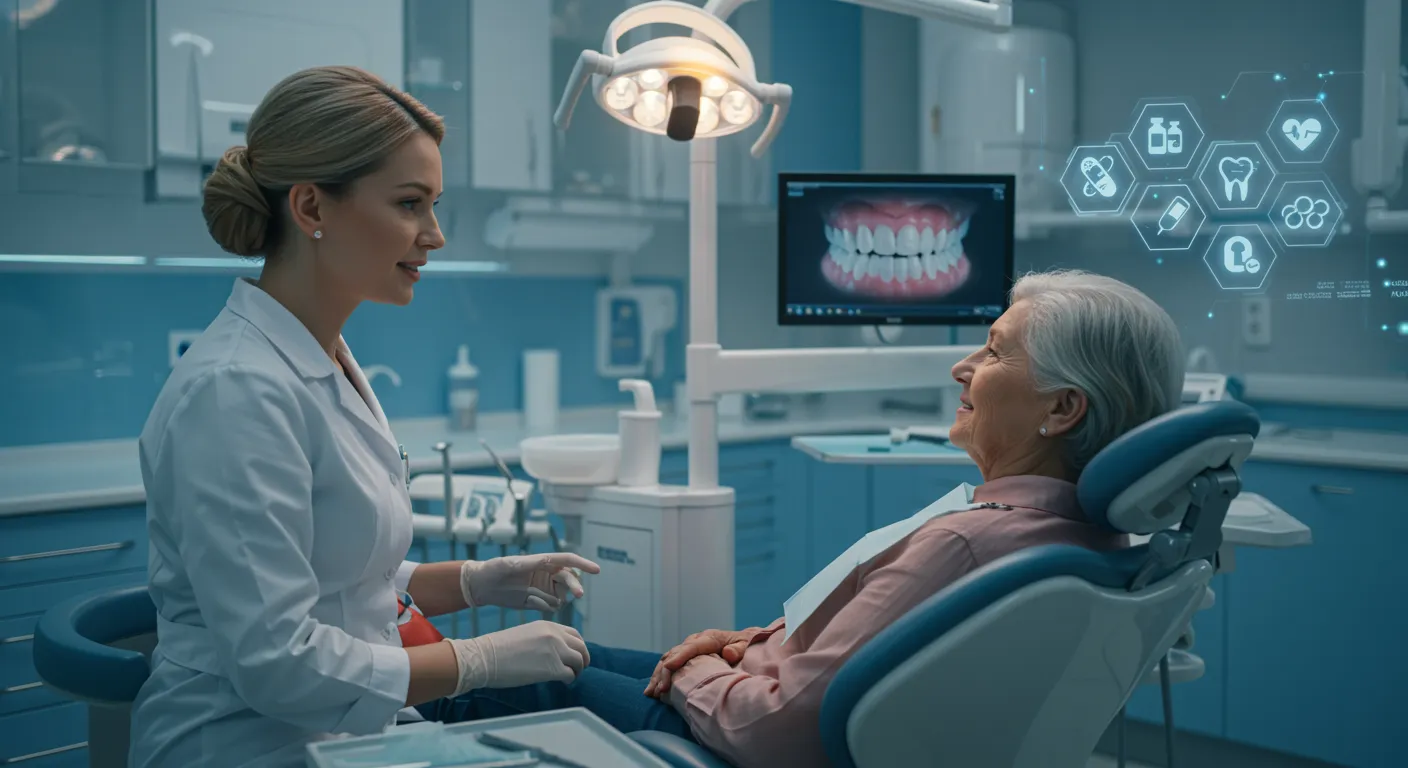
The United States is experiencing an unprecedented demographic shift: nearly one in five Americans is now aged 65 or older — the highest proportion of seniors in the nation’s history. As this population grows, dental professionals are seeing an increase in age-related oral health challenges that require both sensitivity and deeper medical awareness.
Engaging older patients in meaningful health conversations can help uncover underlying issues that directly affect their oral health, treatment outcomes, and quality of life. Here are seven key questions every dental provider should consider asking senior patients during routine visits.
How many prescription and over-the-counter medications are you taking?
Polypharmacy — the use of multiple medications — is increasingly common among seniors. In fact, nearly 40% of older adults take five or more prescriptions daily. Many of these drugs list xerostomia (dry mouth) as a side effect, reducing saliva flow and increasing the risk of cavities, mucosal irritation, and fungal infections.
Your oral health is more important than you might realize. It's not just about having a bright smile, it's about maintaining your overall well-being. Regular dental check-ups, proper brushing and flossing, and a healthy diet can prevent many dental issues.
Encourage patients to provide a full list of both prescription and nonprescription drugs, including supplements. Documenting these helps anticipate oral complications and tailor recommendations, such as saliva substitutes, hydration strategies, or sugar-free lozenges.
Are you eating enough fruits and vegetables?
Dietary quality often declines with age due to difficulty chewing, changes in taste, or ill-fitting dentures. As a result, many older adults reduce their intake of fiber-rich produce, leading to deficiencies that affect both oral and systemic health.
Poor nutrition can worsen gum inflammation, slow wound healing, and increase the risk of cardiovascular disease and diabetes — both of which also affect oral health. Encourage soft yet nutrient-dense alternatives such as steamed vegetables, smoothies, and blended soups to support both comfort and nutrition.
Are you experiencing dry mouth?
Xerostomia and salivary gland hypofunction affect roughly 30% of older adults — even those not taking multiple medications. Because saliva plays a vital role in neutralizing acids and remineralizing enamel, persistent dryness can accelerate decay and discomfort.
Ask direct questions about symptoms like sticky saliva, difficulty swallowing, or a constant need for water. Discuss palliative solutions, including saliva stimulants, sugar-free gum, increased water intake, and avoiding caffeine or alcohol.
Do you remember to brush twice per day?
This can be a delicate topic, but it’s crucial. Patients with cognitive decline or memory disorders, such as Alzheimer’s disease, may forget to maintain oral hygiene. The result can be rapid deterioration of gum and tooth health, sometimes unnoticed by caregivers.
Reinforce the ADA’s recommendation that patients with cognitive limitations should brush at least twice daily, with caregiver assistance if needed. Consider prescribing electric toothbrushes with large grips, simple designs, and visual prompts to make home care more manageable.
Do you have arthritis or joint pain?
Arthritis can make routine tasks like brushing and flossing difficult or even painful. Patients with rheumatoid arthritis (RA) are at particular risk — RA-related inflammation is linked to periodontal disease, gingivitis, and tooth loss.
Offer solutions such as ergonomic or power-assisted toothbrushes, floss holders, and water flossers that reduce hand strain. Reassure patients that maintaining oral hygiene can, in turn, reduce inflammation levels throughout the body, helping to manage systemic symptoms.
Do you have a chronic condition such as diabetes or heart disease?
Systemic diseases often manifest early in the oral cavity. Uncontrolled diabetes increases the risk of gum infection and delayed healing, while heart disease is associated with inflammatory oral pathogens.
Educate patients about these interconnections. Coordinate care with their physicians where possible, emphasizing that managing systemic conditions supports oral health — and vice versa.
Are you experiencing hearing or vision loss?
Communication barriers can impact compliance and understanding of care instructions. If a patient shows signs of hearing loss, remove your mask briefly when speaking (in accordance with safety protocols) and enunciate clearly.
For visually impaired patients, use verbal cues to guide them through procedures. Adjust lighting by lowering blinds to minimize glare and make the environment more comfortable.
Final Thoughts
Older adults face unique challenges that require a comprehensive, compassionate approach. By integrating simple screening questions into your patient consultations, you can detect risk factors early, strengthen patient trust, and improve both oral and systemic outcomes.
Ultimately, the goal is not just to treat disease — but to help seniors maintain comfort, confidence, and a functional smile for life.

Need help ?
Schedule your initial consultation today and start your journey towards a pain-free, healthier smile. Contact us now!
Blog Suggestions
The hidden link between oral health and stroke what new research reveals
For years, medical and dental professionals have suspected a connection between oral health and cardiovascular disease. Now, new evidence confirms that poor oral health — particularly when gum disease and cavities occur together — may significantly increase the risk of ischemic stroke, one of the leading causes of death and disability worldwide.
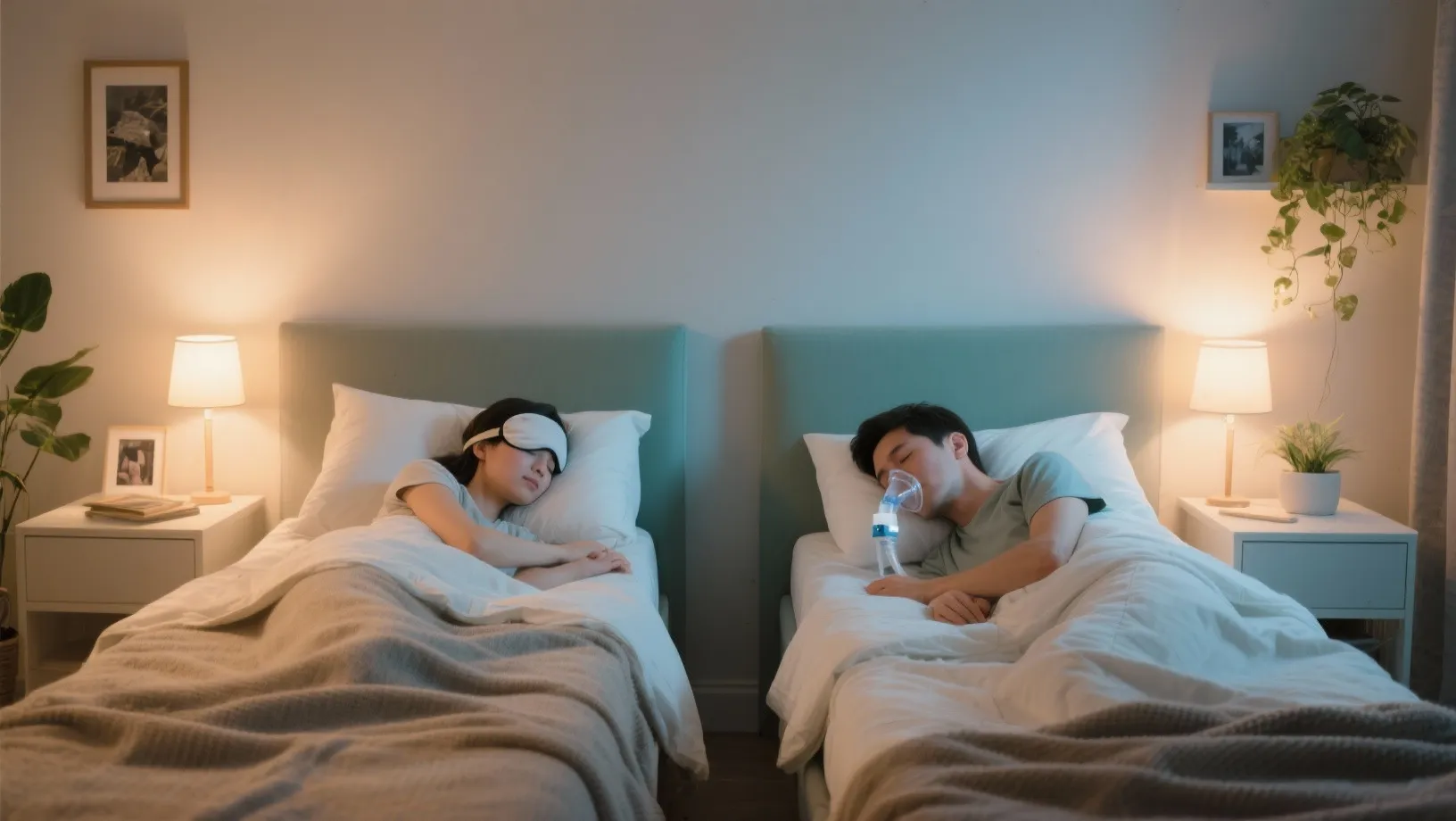
Sleep Divorce - When Couples Choose Rest Over Romance
Across America, couples are rethinking what it means to share a bed.According to a recent study by the American Academy of Sleep Medicine, nearly one in three adults are choosing to sleep in separate rooms—a practice now dubbed the “sleep divorce.”
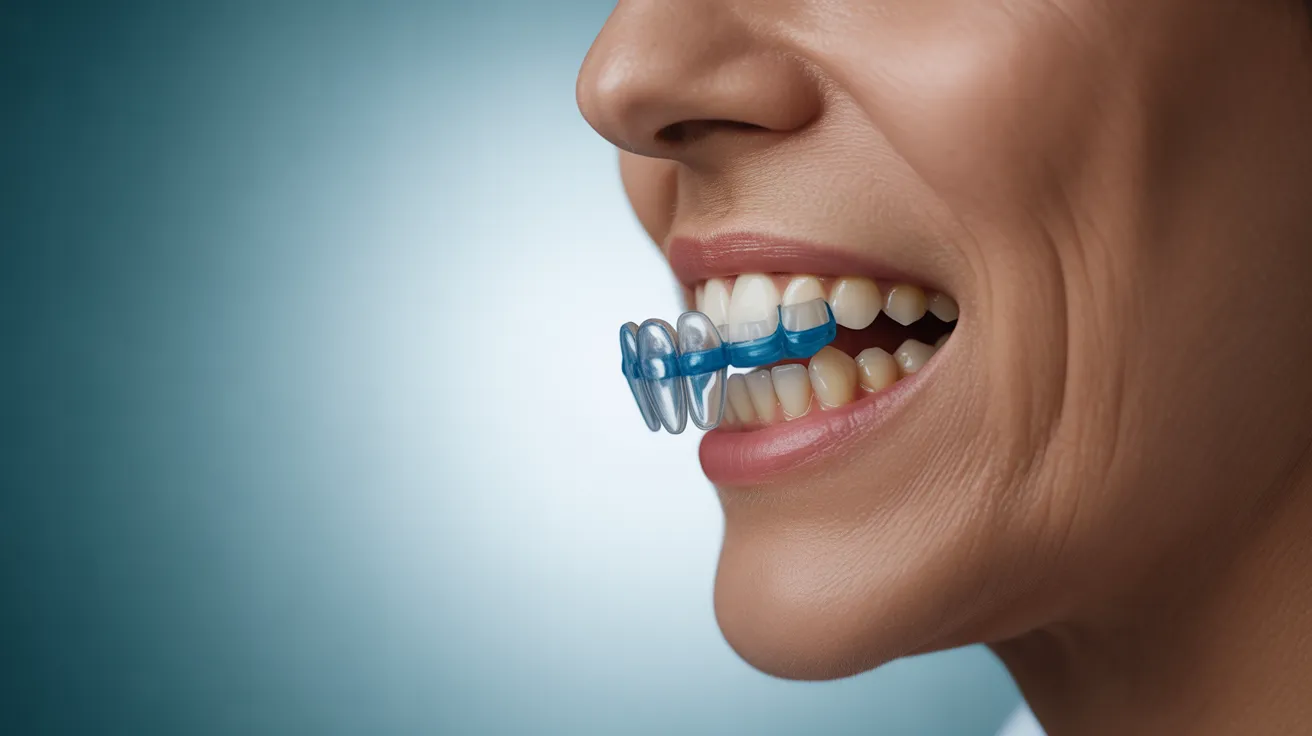
What is obstructive sleep apnea, and how do you know if you have it?
Obstructive sleep apnea is a chronic condition in which upper-airway muscles relax during sleep, causing repeated breathing pauses. Loud snoring, gasping, and daytime fatigue are the hallmark warning signs.
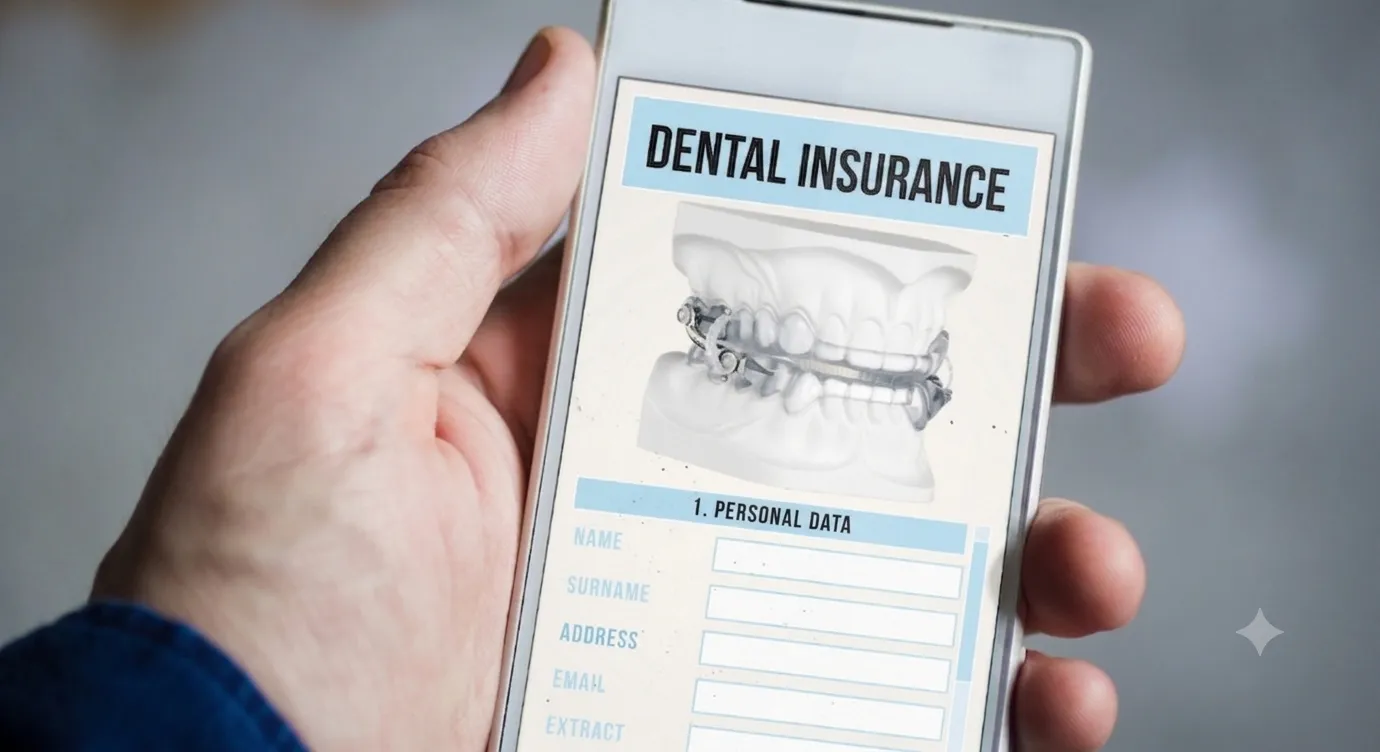
What does an oral appliance for sleep apnea cost, and does insurance cover it?
Custom oral appliances typically cost $1,800 to $3,500 cash, with most insured patients owing far less. They are billed under medical insurance using HCPCS code E0486.