
What should a dental sleep medicine intake form include?
A dental sleep medicine intake form should capture a full medical history (cardiac, hypertension, GERD, diabetes), current medications, validated sleep questionnaires (ESS, STOP-BANG, Berlin), prior sleep studies and CPAP history, a focused dental history (bruxism, TMD, missing teeth), and the required consents — HIPAA notice of privacy practices, release of information for the sleep physician, photo and video consent, and a signature page. Build it once, review it annually, and the rest of the consult runs cleanly.
Why The Intake Form Matters
The intake form is not paperwork — it is the clinical foundation for the consult, the prior authorization packet, and the long-term chart. A well-designed form surfaces red flags (uncontrolled hypertension, recent stroke, severe TMD) before the dentist walks in, captures the data the sleep physician needs for the LMN, and creates the documentation trail payers require. A weak form generates rework, missed history, and stalled prior auths.
Medical History Section
Your oral health is more important than you might realize. It's not just about having a bright smile, it's about maintaining your overall well-being. Regular dental check-ups, proper brushing and flossing, and a healthy diet can prevent many dental issues.

The cardiometabolic comorbidities matter most because they drive treatment urgency and prior auth justification:
- Hypertension (diagnosis date, current control, medications)
- Cardiac history: atrial fibrillation, heart failure, prior MI, stents
- Stroke or TIA history
- Type 2 diabetes (most recent A1C if known)
- GERD or reflux (frequency, current treatment)
- Asthma or COPD
- Depression or anxiety
- Thyroid disease
- Pregnancy status where applicable
Include height, weight, neck circumference, and BMI fields — STOP-BANG and clinical risk scoring depend on them.
Medications and Allergies
Capture every prescription, over-the-counter medication, and supplement. Sedatives, opioids, muscle relaxants, and antihistamines all affect airway tone and sleep architecture. Document allergies including latex and nickel — both relevant for appliance material selection. Note any anticoagulants (warfarin, DOACs) in case of bleeding during impressions or scans.
Validated Sleep Questionnaires
Include three standard tools:
- Epworth Sleepiness Scale (ESS): eight-item daytime sleepiness measure, score 0 to 24
- STOP-BANG: eight yes/no items, score 0 to 8, stratifies OSA risk
- Berlin Questionnaire: three-category screen for OSA risk
Score them on the form so the clinician sees the number, not a blank section. These scores feed both clinical decision-making and the LMN narrative.
Prior Sleep Study and CPAP History
- Has the patient had a sleep study? Date, type (PSG or HSAT), facility, AHI result
- Diagnosed sleep apnea: severity classification, date
- CPAP trial: dates, pressure setting, compliance data if available, reasons for intolerance or refusal
- Other devices tried: BiPAP, ASV, prior oral appliances
This section is what wins prior auth. Specific dates and specific reasons for CPAP intolerance carry far more weight than "did not tolerate."
Dental History Section
- Bruxism: nighttime grinding, worn dentition, prior occlusal guard use
- TMD or TMJ: pain, clicking, locking, prior treatment
- Missing teeth and current restorations (crowns, bridges, implants)
- Periodontal status: pocket depths, mobility, recent scaling
- Current orthodontic appliances or retainers
- Gag reflex severity
- Range of motion: maximum opening and protrusion
These data points drive appliance selection (SomnoMed Avant, Herbst, ProSomnus) and predict tolerance.
Required Consents and Authorizations
The consent block is non-negotiable:
- HIPAA Notice of Privacy Practices acknowledgment
- Release of Information (ROI) authorization to communicate with the sleep physician, primary care, and any prior sleep facility
- Photo and video consent for clinical documentation
- Financial responsibility acknowledgment
- Informed consent for oral appliance therapy including known risks (tooth movement, occlusal changes, TMJ symptoms, soft tissue irritation)
- Signature, printed name, and date
Office Manager Checklist
- Review the form annually for outdated fields and new payer requirements
- Validate ESS, STOP-BANG, and Berlin are scored at intake, not later
- Confirm ROI covers every external party you will contact
- Verify the consent language matches your state's dental board requirements
- Make the form available digitally for completion before the consult
- Train front desk to spot incomplete sections before the patient is roomed
Key Takeaways
- Capture cardiometabolic comorbidities — they drive urgency and prior auth
- Score ESS, STOP-BANG, and Berlin on the form itself
- Document specific dates and reasons for CPAP intolerance
- Capture dental history that informs appliance selection
- Get HIPAA, ROI, photo/video, and informed consent signatures upfront
Frequently Asked Questions
Q: Should the intake form be paper or digital?
A: Digital with patient self-completion before the visit is the gold standard — faster intake, cleaner data, easier to feed into the PM system.
Q: Do we need a separate ROI for each external provider?
A: A single comprehensive ROI listing categories of recipients (sleep physician, primary care, prior sleep facility, referring dentist) is usually sufficient under HIPAA, but check state law.
Q: How long should patients spend on the form?
A: A well-designed digital form runs 12 to 18 minutes. Longer than that and completion rates drop sharply.
Q: Can we accept an outside sleep physician's intake instead?
A: You can incorporate their records, but you still need your own dental and consent sections completed.
Q: How often should the form be reviewed and updated?
A: Annually at minimum, plus any time payer requirements or state regulations change.
Final Thoughts
The intake form is where every successful sleep case starts. Build it with the consult, the prior auth, and the long-term chart in mind, and it will pay back the design effort case after case. A team that trusts the form moves faster, documents better, and treats more patients well. Spend the time getting it right once.

Need help ?
Schedule your initial consultation today and start your journey towards a pain-free, healthier smile. Contact us now!
Blog Suggestions
How do you reduce no-shows for sleep apnea follow-up appointments?
Layer reminders (text at 7 days, 2 days, day-of), give patients portal access to titration logs, explain the why, offer telemedicine, and keep a credit card on file.
What KPIs should a sleep dentistry practice track?
Track the screen-to-study-to-appliance funnel, AHI reduction post-OAT, Epworth improvement, prior-auth approval rate, remake rate, time-to-delivery, payer mix, and adherence.
How is AI changing sleep apnea diagnosis and oral appliance therapy?
FDA-cleared algorithms auto-score HSATs, computer vision reads intraoral scans, and predictive models forecast titration endpoints — accelerating diagnosis and treatment design.
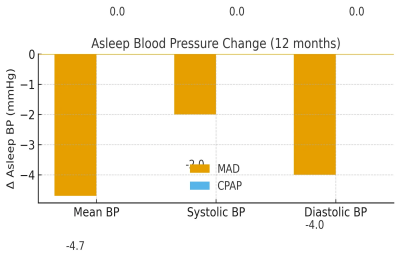
What is HL7 FHIR, and why does it matter for dental sleep medicine?
HL7 FHIR is the modern healthcare data standard that lets clinical systems exchange information through web-friendly APIs instead of faxes and PDFs.