
The Overlooked Connection Between Oral Health and Cancer
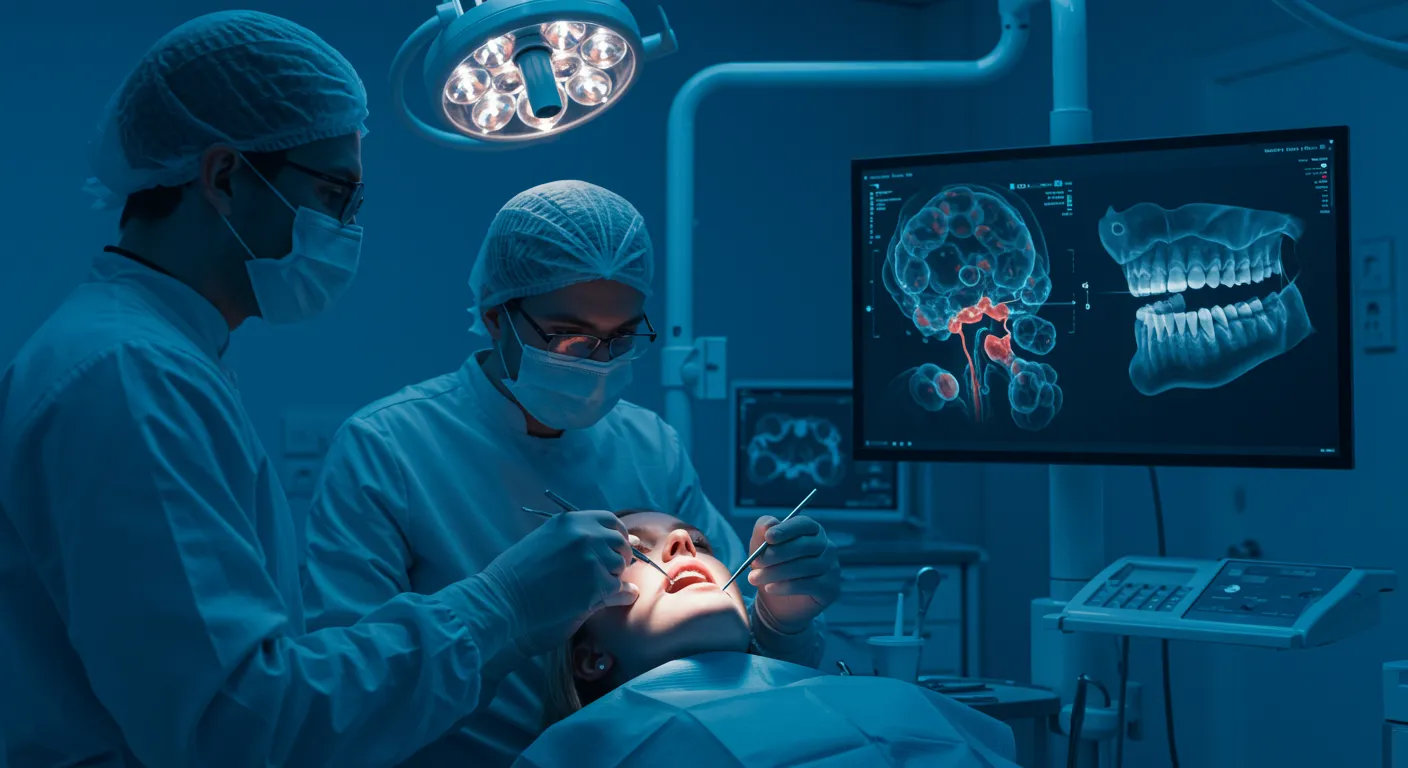
When we think of oral health, the mind often jumps to cavities, gum disease, or bad breath. But emerging evidence suggests that the health of our mouth is deeply linked to our overall systemic well-being — including the risk of developing cancer.
Understanding Oral-Systemic Health
Oral systemic health highlights the vital connection between the mouth and the rest of the body. The oral cavity serves as a mirror of internal health, and chronic inflammation or infection here can influence multiple systems — circulatory, digestive, and immune — contributing to diseases such as diabetes, cardiovascular disorders, and certain cancers.
Your oral health is more important than you might realize. It's not just about having a bright smile, it's about maintaining your overall well-being. Regular dental check-ups, proper brushing and flossing, and a healthy diet can prevent many dental issues.
Oral Cancer: A Growing Global Concern
Oral squamous cell carcinoma (OSCC) is one of the most common malignancies worldwide and remains a major public health issue. A recent systematic review and meta-analysis examined the relationship between oral health and OSCC, identifying poor oral hygiene as a significant independent risk factor.
The study analyzed populations across all ages and genders, excluding oral potentially malignant disorders (OPMDs), to isolate oral health as a variable.
Key risk factors for oral cancer include:
🔹Tobacco use
🔹Betel nut consumption
🔹Alcohol intake
🔹Sharp or fractured teeth causing chronic irritation
🔹Human papillomavirus (HPV) infection
Key Findings from the Study
Data from PubMed, Cochrane, Embase, Scopus, and Google Scholar were reviewed, including published studies and grey literature. Case-control studies were assessed using the Newcastle Ottawa Scale for reliability and bias control.
The study revealed that:
🔹Tooth loss increased cancer risk by an odds ratio (OR) of 1.13
🔹Poor oral hygiene increased risk by an OR of 1.29
🔹Periodontal disease was associated with the highest risk, with an OR of 2.14
In simple terms, individuals with periodontal disease were more than twice as likely to develop OSCC compared to those with good oral health.
Why Oral Health Matters in Cancer Prevention
The mechanism linking oral disease and cancer development involves multiple biological pathways:
🔹Chronic inflammation – Periodontitis triggers prolonged inflammatory responses that release cytokines and reactive oxygen species, potentially leading to DNA damage and tumor initiation.
🔹Microbial imbalance – Poor oral hygiene alters the mouth’s microbiome, promoting bacteria that produce carcinogenic compounds such as acetaldehyde and nitrosamines.
🔹Reduced local immunity – Persistent gum infections weaken the immune system’s ability to detect and eliminate abnormal cells.
Prevention and Early Detection
The findings underscore that oral health plays a vital role in cancer prevention. Simple interventions and lifestyle changes can reduce risk significantly:
🔹Maintain regular dental checkups and professional cleanings.
🔹Treat gum disease and tooth decay promptly.
🔹 Avoid tobacco, betel nuts, and excessive alcohol.
🔹Get vaccinated against HPV.
🔹Encourage community education on oral hygiene and self-examination.
Conclusion
Poor oral health is not merely a dental issue — it is a systemic health concern. The evidence shows that conditions such as periodontal disease can more than double the risk of developing oral squamous cell carcinoma.
Prioritizing oral hygiene and preventive dental care should be seen as an essential component of cancer prevention strategies. A healthier mouth is a crucial step toward a healthier body.

Need help ?
Schedule your initial consultation today and start your journey towards a pain-free, healthier smile. Contact us now!
Blog Suggestions
The Connection Between Nutrition and Oral Health
As dental professionals, we understand that oral health is not just about cleanings and checkups — it’s a reflection of a patient’s overall well-being. While daily brushing, flossing, and regular exams remain the foundation of preventive care, there’s another essential piece of the puzzle that often goes underappreciated: nutrition.

Advancements in Home Sleep Apnea Testing: Balancing Comfort with Clinical Precision
Polysomnography (PSG) performed in a sleep laboratory remains the benchmark for diagnosing sleep-related breathing disorders (SRBD).

Why Follow-Ups and Professional Guidance Are Essential for Mandibular Advancement Device Therapy
Mandibular Advancement Devices (MADs) have become a cornerstone in treating mild to moderate Obstructive Sleep Apnea (OSA), especially for patients who cannot tolerate Continuous Positive Airway Pressure (CPAP) therapy.
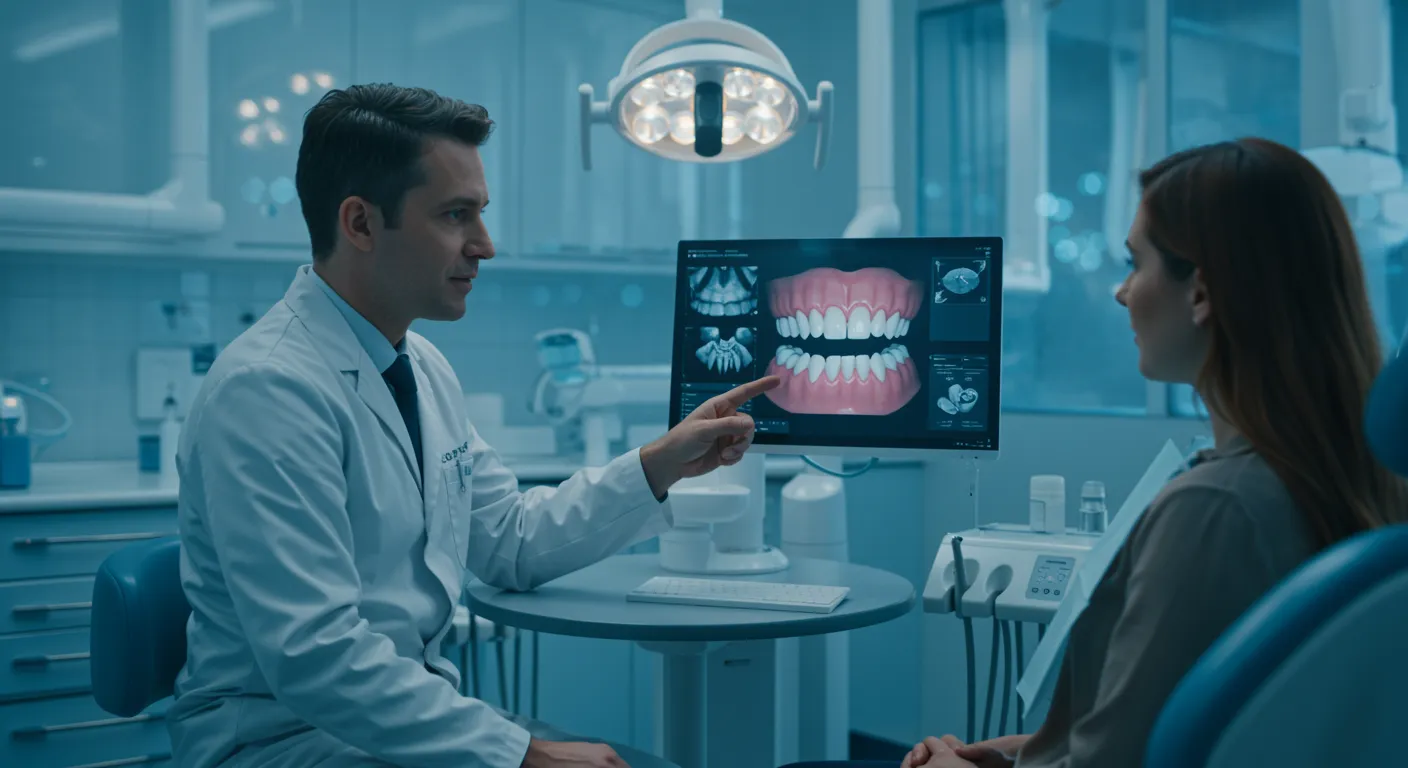
5 Strategies for Discussing Preventive Care with Your Patients
Preventive care is the foundation of modern dentistry — yet, for many patients, its true value often goes unrecognized. While clinicians understand the far-reaching benefits of preventive dentistry, patients may see it as just another expense or inconvenience.