
Why Follow-Ups and Professional Guidance Are Essential for Mandibular Advancement Device Therapy

Understanding the Role of MADs in Sleep Apnea
Mandibular Advancement Devices (MADs) have become a cornerstone in treating mild to moderate Obstructive Sleep Apnea (OSA), especially for patients who cannot tolerate Continuous Positive Airway Pressure (CPAP) therapy. These custom oral appliances reposition the lower jaw slightly forward during sleep, helping maintain an open airway and reduce snoring or apneic events.
While MADs are effective and non-invasive, their impact extends beyond airway mechanics. Over time, these devices can influence dental alignment, bite relationship, and jaw positioning—making professional oversight and regular follow-ups essential to long-term success.
Your oral health is more important than you might realize. It's not just about having a bright smile, it's about maintaining your overall well-being. Regular dental check-ups, proper brushing and flossing, and a healthy diet can prevent many dental issues.
What the Research Shows
A systematic review published in the Journal of Dental Sleep Medicine (Paredes et al., 2021) examined 16 studies evaluating how long-term use of MADs affects craniofacial and dental structures.
Researchers found that:
🔹Skeletal changes were generally mild but measurable over time.
🔹Dental effects—such as decreased overjet and overbite, retroclined upper incisors, and proclined lower incisors—were consistent across studies.
🔹Vertical facial dimensions (facial height and mandibular plane angle) tended to increase slightly, especially after prolonged use.
While these changes are typically gradual and clinically manageable, they highlight one crucial point: MADs are not “set-and-forget” devices. They require careful adjustment and monitoring to balance airway benefits with dental health.
Why Follow-Ups Matter
Detecting Early Bite or Jaw Changes
Even minor occlusal or skeletal shifts can progress if left unchecked. Regular dental sleep evaluations allow clinicians to identify subtle changes—such as increased open bite, posterior rotation of the mandible, or tooth movement—before they become problematic.
Maintaining Treatment Efficacy
A device that initially provides excellent airway improvement may lose its effectiveness if the mandibular position changes or the device loosens over time. Periodic titration and fit reassessment help maintain optimal airway advancement and consistent apnea-hypopnea index (AHI) control.
Customizing the Level of Advancement
Every patient’s response to mandibular advancement is unique. Excessive protrusion may cause jaw discomfort or temporomandibular joint strain, while insufficient advancement may fail to relieve airway obstruction. Professional oversight ensures the device is calibrated to achieve maximum therapeutic benefit with minimal side effects.
Managing Long-Term Dental Health
MADs exert ongoing pressure on teeth and supporting structures. Routine check-ups allow for proactive dental maintenance—monitoring periodontal health, minimizing incisor inclination, and preventing enamel wear or gum irritation.
Coordinating Care with Sleep Physicians
Dentists and sleep physicians work together to assess objective outcomes, such as follow-up sleep studies, compliance data, and oxygen saturation improvements. This interdisciplinary approach ensures that the patient’s airway health and dental function remain in balance.
Professional Guidance: The Key to Safe and Effective Therapy
MAD therapy is most successful when guided by clinicians experienced in Dental Sleep Medicine. The American Academy of Sleep Medicine and American Academy of Dental Sleep Medicine recommend that oral appliance therapy be provided and monitored by qualified professionals, not through over-the-counter or online devices.
Professional follow-up includes:
🔹 Baseline and periodic cephalometric or 3D imaging
🔹 Bite registration and occlusal checks every 6–12 months
🔹 Device integrity assessment to detect material fatigue or loosened components
🔹 Sleep test reevaluation after major adjustments or symptom changes
Without this structure, patients risk compromised results, worsening occlusion, or overlooked TMJ issues.
The Bottom Line
Mandibular advancement devices have revolutionized non-invasive sleep apnea therapy, but their benefits depend heavily on proper monitoring and ongoing professional guidance.
Consistent follow-up visits not only preserve airway improvement but also protect dental alignment, jaw health, and long-term comfort.
OSA management is not static—it’s an evolving process that requires a partnership between patient, dentist, and sleep specialist. With that collaboration, MADs remain one of the most effective and sustainable treatments available for sleep-disordered breathing.
Reference
Paredes N., Colak O., Gargoum A., Miguez M., Mayoral P., Lagravère Vich M. Anteroposterior and vertical effects of mandibular advancement devices in sleep-disordered patients: A systematic review. Journal of Dental Sleep Medicine. 2021;8(2). DOI: 10.15331/jdsm.7194

Need help ?
Schedule your initial consultation today and start your journey towards a pain-free, healthier smile. Contact us now!
Blog Suggestions
5 Strategies for Discussing Preventive Care with Your Patients
Preventive care is the foundation of modern dentistry — yet, for many patients, its true value often goes unrecognized. While clinicians understand the far-reaching benefits of preventive dentistry, patients may see it as just another expense or inconvenience.
7 Questions to Ask Older Patients About Health Issues That Can Impact Oral Health
The United States is experiencing an unprecedented demographic shift: nearly one in five Americans is now aged 65 or older — the highest proportion of seniors in the nation’s history. As this population grows, dental professionals are seeing an increase in age-related oral health challenges that require both sensitivity and deeper medical awareness.

The hidden link between oral health and stroke what new research reveals
For years, medical and dental professionals have suspected a connection between oral health and cardiovascular disease. Now, new evidence confirms that poor oral health — particularly when gum disease and cavities occur together — may significantly increase the risk of ischemic stroke, one of the leading causes of death and disability worldwide.
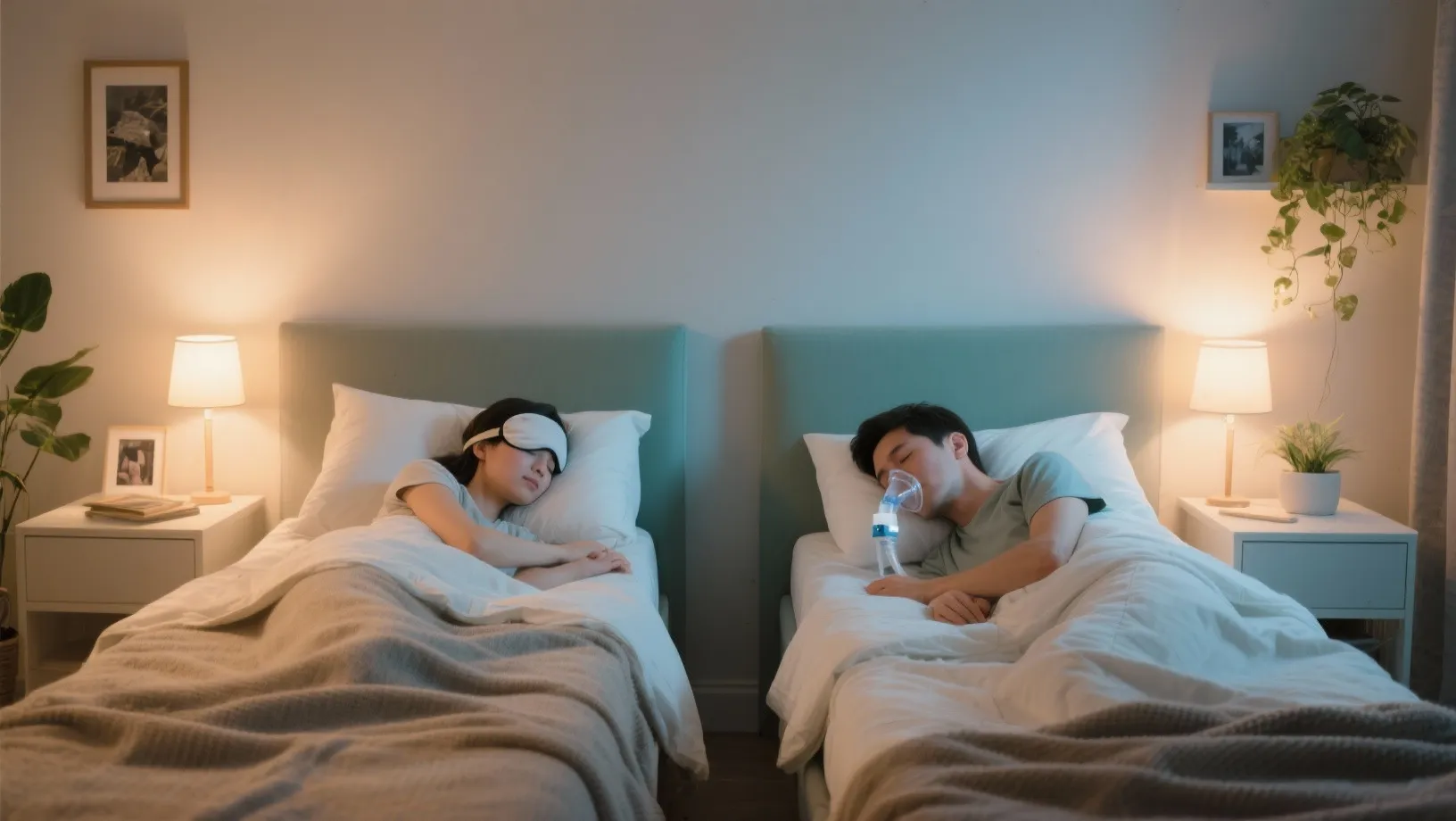
Sleep Divorce - When Couples Choose Rest Over Romance
Across America, couples are rethinking what it means to share a bed.According to a recent study by the American Academy of Sleep Medicine, nearly one in three adults are choosing to sleep in separate rooms—a practice now dubbed the “sleep divorce.”