
What does a fully digital sleep dentistry workflow look like in 2026?
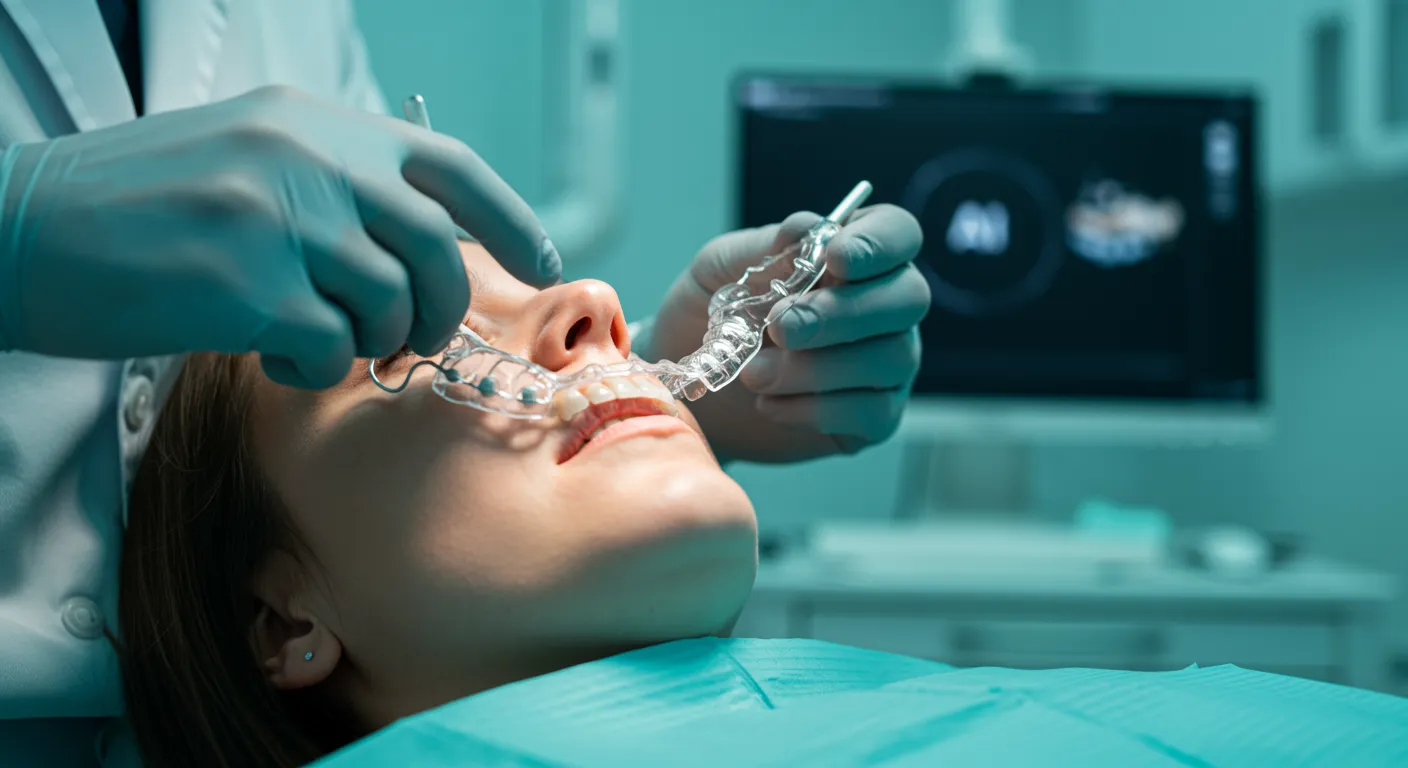
A fully digital sleep dentistry workflow in 2026 is no longer a vision deck; it is an operating model that leading practices are actively assembling. From HL7 FHIR referrals to AI-assisted appliance design and integrated efficacy testing, every stage of the patient journey can now be measured, automated, and shared between sleep physicians and dentists. The result is faster diagnosis, higher case acceptance, more consistent outcomes, and defensible documentation for payers. This pillar piece maps the end-to-end workflow and the supporting practices that make it real.
Digital Referral from the Sleep MD
The journey begins upstream. Sleep physicians, working from certified EHRs subject to the ONC Cures Act Final Rule and CMS interoperability mandates, can now transmit referrals as HL7 FHIR ServiceRequest and DiagnosticReport resources rather than faxed PDFs. A 2026 dental sleep practice receives the structured polysomnogram or home sleep apnea test results, AHI, oxygen desaturation index, and Epworth Sleepiness Scale directly into its practice management system. This eliminates retyping, accelerates prior authorization, and creates the audit trail medical payers increasingly require for HCPCS code E0486 reimbursement.
Online Intake with Embedded Validated Screeners
Your oral health is more important than you might realize. It's not just about having a bright smile, it's about maintaining your overall well-being. Regular dental check-ups, proper brushing and flossing, and a healthy diet can prevent many dental issues.
Once referred, the patient completes a digital intake form before stepping into the office. Validated instruments such as STOP-BANG and the Epworth Sleepiness Scale are embedded, scored automatically, and stored as discrete FHIR Observation resources. For self-referred patients, the same screeners triage who needs an expedited home sleep apnea test, supporting AASM and AADSM screening guidance. The clinical team arrives at the consult already informed about risk, comorbidities, and CPAP history.
Intraoral Scanning Instead of Impressions
Traditional polyvinyl siloxane impressions are replaced by iTero, 3Shape TRIOS, Medit, or Primescan intraoral scans. Peer-reviewed accuracy data published in journals such as the Journal of Prosthetic Dentistry confirms digital scans match or exceed PVS at the tolerances required by mandibular advancement devices. Chair time falls by roughly twenty minutes per case, patient comfort improves significantly, and remake rates typically drop from the 8 to 15 percent range with PVS to 3 to 6 percent with digital. The savings compound across hundreds of cases per year.
AI Assisted Appliance Design and Lab Handoff
The STL files travel by API directly to the dental sleep lab. There, computer vision and machine learning models trained on tens of thousands of prior cases generate proposed appliance designs that minimize bulk, optimize tongue space, and respect retention zones. Designs are reviewed by a credentialed technician and approved by the dentist. The lab handoff is API-based: no shipping, no scanning of paper prescriptions, no transit damage. Mature labs in 2026 routinely deliver finished appliances in ten to fourteen days.
Titration App for Patient Self Report
The titration phase, historically the most variable stage of oral appliance therapy, becomes structured through a patient-facing titration app. The patient logs nightly subjective sleep quality, snoring, morning headache, and protrusion setting. The dentist sees a longitudinal view that informs in-office titration visits, replacing memory and bedside notes with data. Predictive titration models, trained on datasets such as the Sleep Heart Health Study (SHHS) and the Multi-Ethnic Study of Atherosclerosis (MESA), suggest expected endpoints to accelerate convergence on the therapeutic position.
Integrated Efficacy HSAT
Per AASM and AADSM joint guidance, oral appliance therapy efficacy must be confirmed by an objective sleep study after titration. In the 2026 workflow, the post-titration home sleep apnea test is ordered, shipped, and scored within the same integrated platform. Results, including post-treatment AHI, return as structured FHIR DiagnosticReport resources. Success, defined as at least a 50 percent AHI reduction and ideally post-treatment AHI under 10, is documented automatically. A structured report is sent back to the referring sleep physician, closing the loop.
Automated Medical Billing
Medical billing for E0486 is one of the largest administrative burdens in dental sleep medicine. Digital workflows in 2026 automate prior-authorization packets by pulling the sleep study, Letter of Medical Necessity, and CPAP intolerance documentation directly from the patient record. First-pass approval rates above 85 percent become attainable for practices using these tools. Claim status, denials, and appeals route into a single dashboard rather than living across email threads and spreadsheets.
CRM Based Recall and Long Term Follow Up
Per AADSM guidance, oral appliance therapy patients should be reviewed at delivery, during titration, at three months, and annually thereafter. A CRM-based recall engine schedules these touchpoints automatically, monitors completion, and flags lapses. Annual recall completion rate becomes a tracked KPI rather than a hope. Long-term retention, the strongest predictor of practice growth and clinical outcomes, finally has an operational owner.
KPI Dashboard for the Whole Workflow
Every stage feeds a unified KPI dashboard: screen-to-study-to-appliance conversion, prior-authorization approval rate, remake rate, time-to-delivery, post-treatment AHI reduction, Epworth score change, payer mix, revenue per case, and adherence. The dashboard is the operational nervous system of the modern sleep dentistry practice, replacing instinct with evidence and making continuous improvement a daily discipline rather than an annual review.
HIPAA and Security as Foundations
None of this works without rigorous security. HIPAA-aligned access controls, Business Associate Agreements with every vendor, OAuth 2.0 with SMART on FHIR for clinical data exchange, and audit logging across every system are non-negotiable. Practices that treat security as a foundation, not a checkbox, are also the ones that survive payer audits and earn lasting referral relationships.
Co Management with the Sleep Physician
The dentist does not work in isolation. The 2026 workflow is explicitly co-managed: the sleep physician retains diagnostic authority, the dentist owns appliance delivery and titration, and both share access to the same structured longitudinal record. AASM and AADSM jointly endorse this co-management model. Structured FHIR-based reporting back to the sleep MD strengthens the relationship and consolidates referrals.
The Content Cluster This Workflow Builds On
Each component of this workflow has its own depth: screening protocols and validated instruments, the AASM and AADSM clinical guidelines, the mechanics of medical billing under E0486, HIPAA-aligned documentation, prior-authorization strategy, the AI tools transforming HSAT scoring and appliance design, the HL7 FHIR standard reshaping interoperability, the intraoral scanner economics replacing PVS, the cadence of long-term follow-up, the KPIs that quantify performance, and the co-management framework with sleep medicine colleagues. Each is a discipline; together they are the practice operating system.
Key Takeaways
- The 2026 digital sleep dentistry workflow is end-to-end: referral, intake, scan, design, titration, efficacy, billing, recall.
- HL7 FHIR replaces faxed PSG reports with structured, machine-readable data exchange.
- Intraoral scanning, AI-assisted design, and API-based lab handoff compress time-to-delivery and improve quality.
- Integrated efficacy HSAT and structured reporting close the loop with the referring sleep physician.
- A unified KPI dashboard converts the workflow into a measurable, continuously improving operating model.
Frequently Asked Questions
Q: Do I need to adopt every component to benefit from a digital workflow?
A: No. Practices typically start with intraoral scanning and a KPI dashboard, then layer in FHIR, AI, and automation as vendor support matures.
Q: How long does the full transition take?
A: Most practices reach a mature digital workflow within twelve to twenty-four months of committing to it, depending on staff training and vendor selection.
Q: Is the digital workflow more expensive to operate?
A: Initial capital outlay is higher, but operational cost per case typically falls due to reduced remakes, shorter chair time, and higher first-pass authorization rates.
Q: Does this approach replace the role of the sleep physician?
A: Absolutely not. Co-management with the sleep MD is foundational, and structured FHIR-based reporting actually strengthens the relationship.
Q: How do I begin if my practice is still fully analog?
A: Start with an intraoral scanner and a defined KPI dashboard. Both produce immediate measurable returns and create the data foundation for everything else.
Final Thoughts
The future of sleep dentistry is not a single technology; it is an integrated operating model. Practices that adopt the components individually will see incremental improvement; those that integrate them deliberately will redefine what a sleep dentistry practice can be. In 2026, the leading practices look less like dental offices that happen to make appliances and more like specialized sleep medicine partners with a digital backbone, evidence-based protocols, and a co-management relationship that referring physicians trust. That is the workflow this content cluster is built to help any practice reach.

Need help ?
Schedule your initial consultation today and start your journey towards a pain-free, healthier smile. Contact us now!
Blog Suggestions
Obstructive Sleep Apnea Warning Signs, and How to Know If You Have It
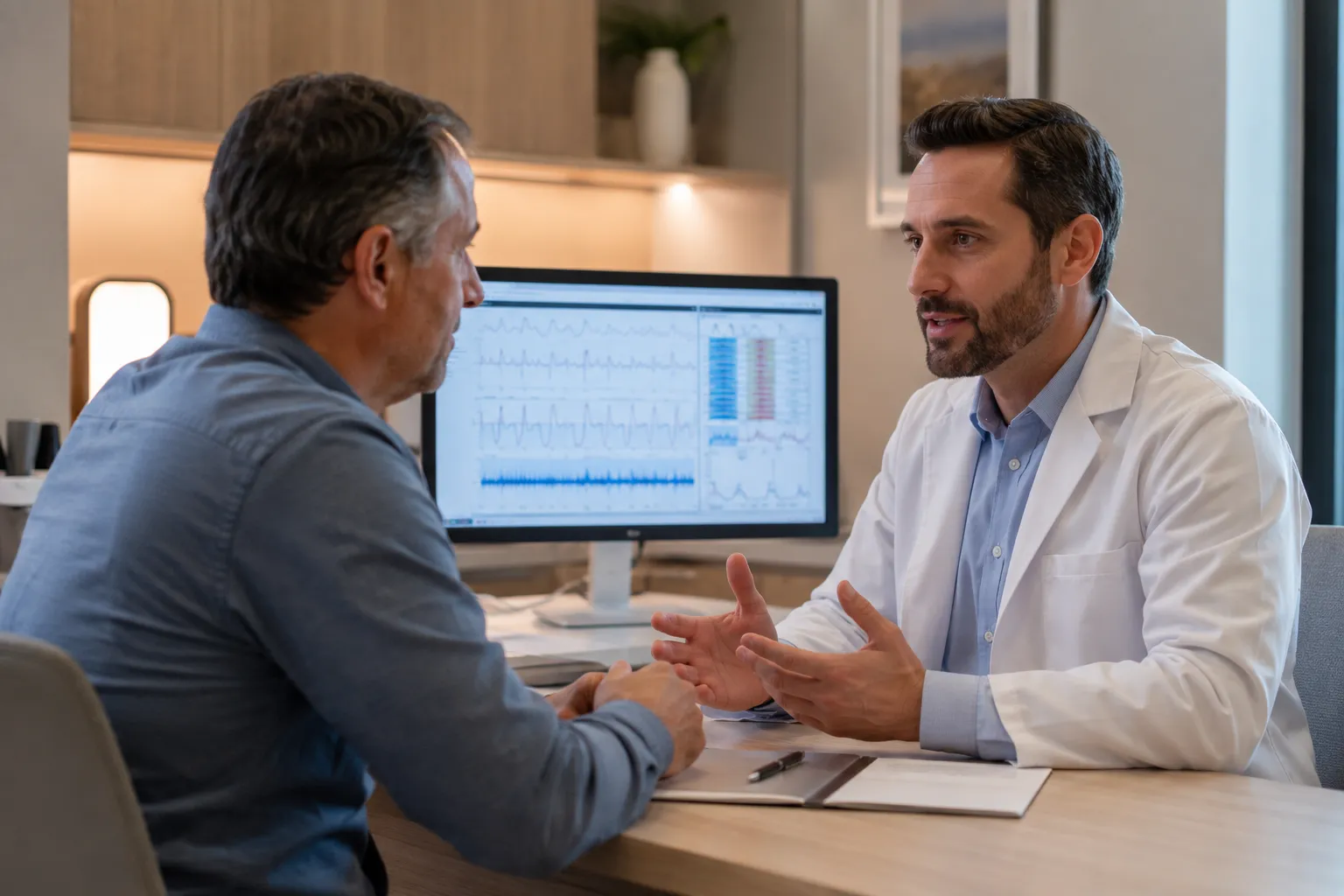
Many people think snoring is harmless. But loud snoring, daytime fatigue, and poor sleep quality can be signs of Obstructive Sleep Apnea (OSA). Here's how to recognize the warning signs and know when to see a sleep specialist.

CPAP vs. oral appliance: which sleep apnea treatment is right for you?
CPAP and custom oral appliances are the two first-line OSA therapies. CPAP lowers AHI more powerfully, while oral appliances win on real-world adherence and comfort.
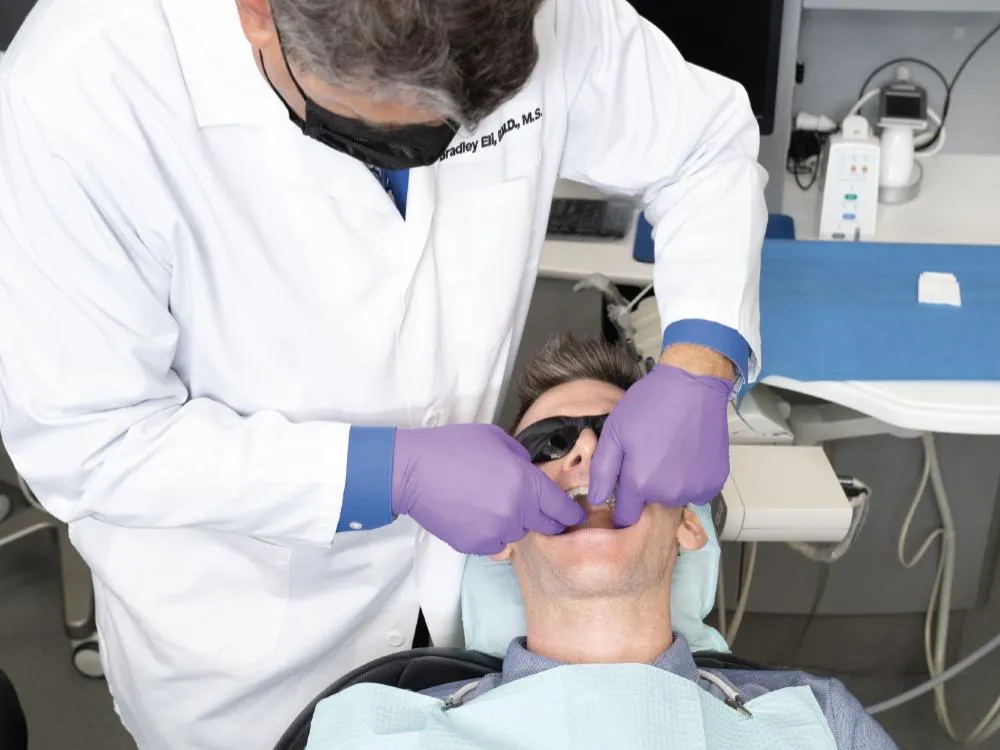
How does a SomnoMed oral appliance work for sleep apnea?
A SomnoMed oral appliance is a custom-fitted mandibular advancement device that holds the lower jaw forward during sleep, enlarging the airway and preventing apneic collapse.
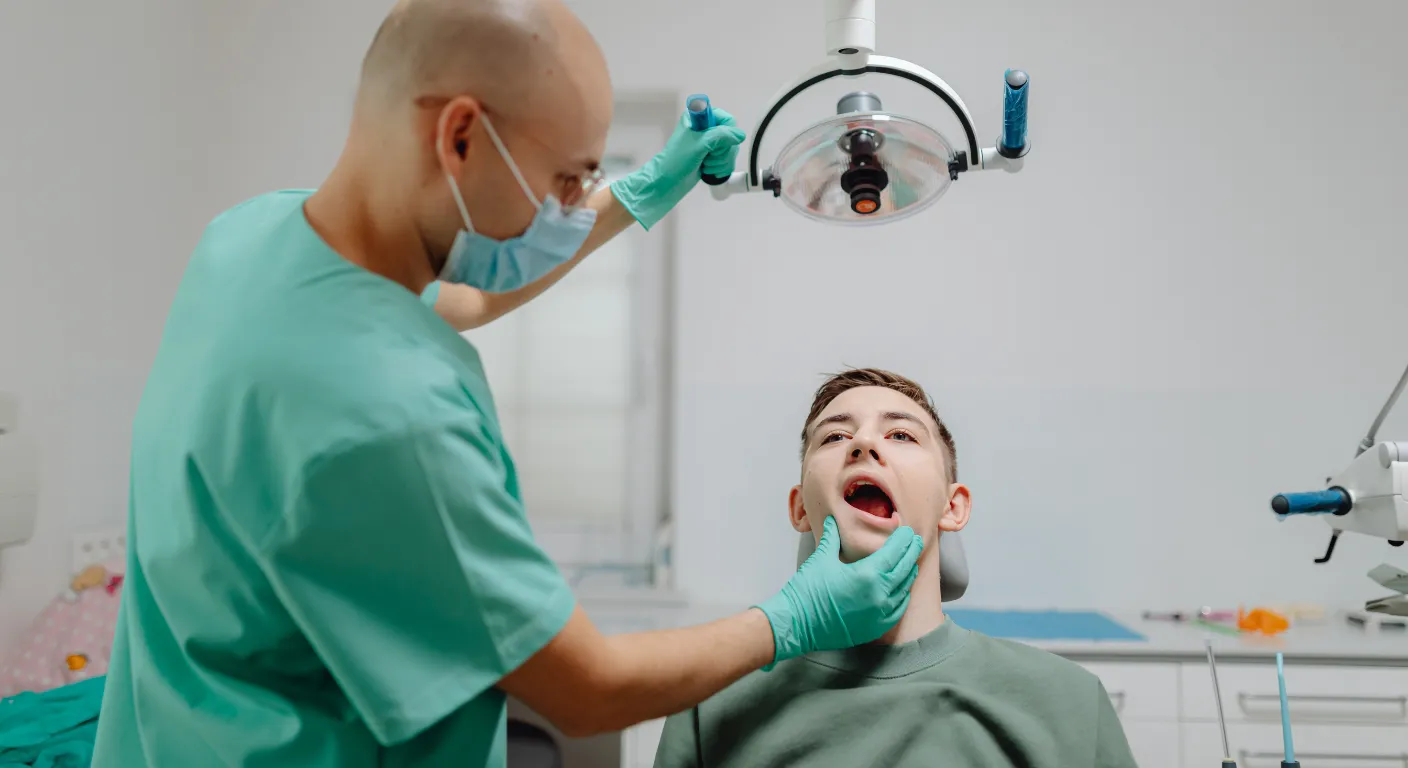
How do you screen dental patients for obstructive sleep apnea?
Screening dental patients for obstructive sleep apnea combines a validated questionnaire, a focused airway examination, and a clear referral trigger.