
Dental Sleep Medicine Software: What to Look For Before You Buy
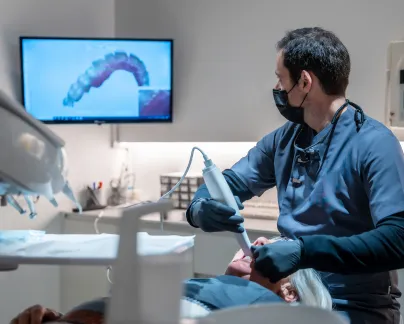
Dental sleep medicine software is a practice platform built for treating sleep apnea from a dental office. General dental software is designed around teeth and dental claims. A sleep practice needs medical billing, sleep study tracking, physician co-management, prior authorization, and documentation for durable medical equipment. The right system handles all of those in one place, and the wrong one leaves staff bridging the gaps with spreadsheets and fax.
Why Is General Dental Software Not Enough?
A dental practice management system does its job well. It charts teeth, schedules hygiene, and submits CDT codes on the ADA claim form. Oral appliance therapy breaks every one of those assumptions.
- The payer is medical, not dental. Claims go out on the CMS-1500 with ICD-10 and HCPCS codes.
Your oral health is more important than you might realize. It's not just about having a bright smile, it's about maintaining your overall well-being. Regular dental check-ups, proper brushing and flossing, and a healthy diet can prevent many dental issues.

- The diagnosis comes from someone else. A physician interprets the sleep study and writes the order, so the record must hold outside documents and a second provider.
- Coverage depends on documentation. Letters of medical necessity, CPAP history, and proof of delivery all have to be assembled before the claim.
- Treatment runs for months. Titration visits, follow-up testing, and annual recalls form a sequence that a dental recall system does not model.
- Outcomes are numeric. The apnea-hypopnea index and sleepiness scores before and after treatment need to be stored and compared.
Practices that try to run sleep cases inside general dental software end up with a parallel system of paper folders and spreadsheets. That works for five cases a year and collapses at fifty.
What Should Dental Sleep Medicine Software Include?
Evaluate any platform against the workflow a sleep case actually follows.
- Patient intake. Digital forms that capture medical history, sleep questionnaires, and insurance details before the first visit.
- Screening and examination records. Structured fields for airway findings and questionnaire scores, so they can be reported and reused.
- Sleep study management. A place to store the interpreted report and the key indices, with baseline and follow-up results side by side.
- Medical eligibility verification. Real-time checks of medical benefits, deductible status, and durable medical equipment coverage.
- Prior authorization. Tracking of requests, approval numbers, and expiry dates.
- Medical billing. CMS-1500 and electronic claims with ICD-10, CPT, and HCPCS codes, alongside CDT for dental services.
- Clinical documentation. Templates for examination notes, letters of medical necessity, referral letters, and delivery records.
- Physician collaboration. Secure sharing of records and results with the sleep physician, ideally with their own access.
- Scan handling. The ability to store and view intraoral scan files and share them with the lab.
- Scheduling and telemedicine. Appointment types for consultation, delivery, titration, and virtual follow-up.
- Patient communication and payments. Reminders, a patient portal, and simple ways to collect the patient's share.
- Reporting. Conversion from screening to treatment, days to delivery, authorization approval rates, and collections per case.
What Role Does AI Play?
Most vendors now describe their product as AI-powered, so it is worth asking what the AI does. Useful applications in a sleep practice fall into three areas.
- Administrative assistance. Retrieving records, booking appointments, checking eligibility, and drafting documents in response to a typed or spoken request.
- Coding and claim review. Suggesting codes, catching missing modifiers or mismatched diagnoses, and flagging incomplete documentation before submission.
- Clinical decision support. Using patient data to inform decisions such as the starting jaw position for an appliance.
In each case the output should be reviewable by a person, logged, and covered by the vendor's HIPAA obligations. AI that acts without an audit trail is a liability.
What Questions Should You Ask a Vendor?
A demonstration shows the product at its best. These questions show how it behaves in your practice.
- Can you submit a medical claim for E0486 from start to finish without leaving the system?
- How does eligibility verification handle medical plans, and what does the response show?
- Where is the sleep study stored, and can I see baseline and follow-up results together?
- How does the referring physician receive updates and results?
- Can the system run alongside my existing dental software, or does it replace it?
- Will you sign a business associate agreement, and where is patient data stored?
- What does onboarding involve, and how long before staff are productive?
- How is pricing structured: per provider, per location, per claim, or a percentage of collections?
- What reports come standard, and can I see screening-to-delivery conversion?
- If I leave, how do I export my data?
Should You Buy Software or Outsource Billing?
These are not alternatives so much as different answers to different problems. A billing service handles claim submission and follow-up for a fee, often a percentage of collections. It does not manage intake, clinical records, physician communication, or patient tracking. Software manages the whole workflow but still needs someone in the practice to operate it.
Many practices combine the two, particularly while volume is low. The important point is that even an outsourced biller needs complete, accurate documentation from the practice, and that documentation is produced by the clinical workflow. Software that structures the workflow makes either billing model work better.
How Does Appnea Approach This?
Appnea was built specifically for dental sleep medicine, and it covers the workflow as one platform. Patient onboarding creates the record and gives patients portal access. Appointment booking handles in-practice and telemedicine visits across locations. One-click eligibility verification checks coverage before the visit, and revenue cycle management carries that data into preauthorization and claims using built-in ICD, CPT, and CDT libraries. A 3D viewer opens intraoral scan files inside the patient record. An AI assistant retrieves records, books appointments, and helps with billing tasks by voice or text. MAD-FIT, Appnea's patient-specific algorithm, informs the therapeutic jaw position for the appliance. Dashboards give owners and multi-location groups a view of revenue, bookings, and claims.
Appnea also answers the software-or-service question by providing both. The platform runs the workflow, and Appnea's Insurance and RCM team handles the medical claim, including the CMS-1500, on the practice's behalf. The doctor documents the care and is not asked to complete claim forms.
Whether that combination suits a particular practice depends on its volume and its existing systems. The checklist and questions above apply to Appnea as much as to any other vendor.
Key Takeaways
- Dental sleep medicine needs medical billing, sleep study tracking, and physician collaboration that general dental software does not provide.
- Judge a platform against the full case workflow, from intake to follow-up testing.
- Ask what the AI features actually do, and whether their output is reviewable and logged.
- Software and outsourced billing solve different problems and are often used together.
- Confirm the business associate agreement, data export, and pricing model before signing.
Frequently Asked Questions
Q: What is dental sleep medicine software?
A: A practice platform designed for dentists treating sleep apnea, combining clinical records, medical billing, physician collaboration, and patient tracking.
Q: Can I use my existing dental software for sleep patients?
A: For very low volumes, with workarounds. Most general systems cannot submit medical claims or track sleep study data, which limits growth.
Q: Does dental sleep medicine software replace my dental practice management system?
A: Usually it runs alongside it. The dental system continues to handle general dentistry, and the sleep platform handles sleep cases.
Q: Do I need a medical biller on staff to bill for oral appliances?
A: Not with Appnea. At Appnea we handle that for you. Our Insurance and RCM team prepares and submits the medical claim from the patient record, so the practice does not need in-house medical billing expertise.
Q: Is cloud-based software secure enough for patient data?
A: It can be, provided the vendor encrypts data, controls access, keeps audit logs, and signs a business associate agreement.
Q: How much does it cost?
A: Pricing models vary widely, from monthly subscriptions to per-claim fees. Compare total cost at your expected case volume.
Final Thoughts
The strongest argument for purpose-built software is not convenience. It is that a sleep case has many steps, each owned by a different person, and cases are lost in the gaps between them. A patient screened but never referred, a study received but never acted on, an authorization approved but expired before delivery. Software that makes every case visible at every step is what turns an occasional service into a dependable part of the practice.

Need help ?
Schedule your initial consultation today and start your journey towards a pain-free, healthier smile. Contact us now!
Blog Suggestions

Dental Insurance Verification Software: What Changes When You Bill Medical
Oral appliances are billed to medical insurance, so verifying the dental plan is not enough. What to verify before a sleep case, what real-time eligibility cannot tell you, and the software features that matter.
Digital Patient Intake Forms for a Dental Sleep Practice
Why paper intake fails for sleep cases, what a digital sleep intake should capture, the features that get patients to finish forms before the visit, and how intake data feeds verification, referral, and claims.
Teledentistry for Sleep Apnea: Which Visits Can Go Virtual?
Consultations, results reviews, consent, check-ins, and physician co-management work by video. Examination, scanning, and delivery do not. A visit-by-visit guide, with licensure, privacy, and billing considerations.
STL Viewer for Dentists: How to Check an Intraoral Scan Before the Lab
What an STL file is, the eight things to check in an intraoral scan before it goes to the lab, the measurements that matter for oral appliances, and why patient scans should not go into public online viewers.