
The Connection Between Nutrition and Oral Health
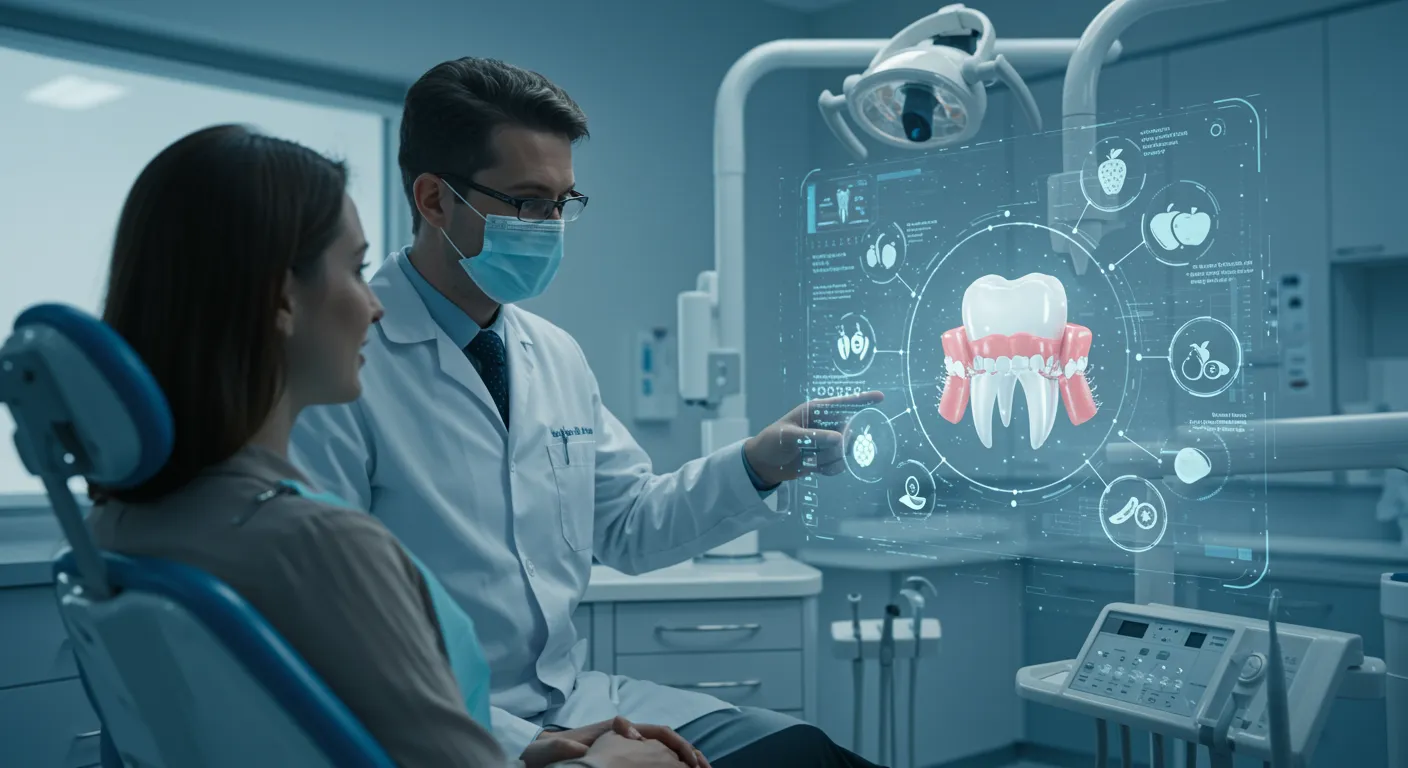
As dental professionals, we understand that oral health is not just about cleanings and checkups — it’s a reflection of a patient’s overall well-being. While daily brushing, flossing, and regular exams remain the foundation of preventive care, there’s another essential piece of the puzzle that often goes underappreciated: nutrition.
The foods our patients eat — and the nutrients they absorb — play a direct role in maintaining strong teeth, resilient gums, and a balanced oral microbiome. In fact, smart dietary choices can often be as powerful as the best toothbrush when it comes to long-term prevention.
How Daily Diet Shapes Oral Health
According to the American Dental Association, the link between nutrition and oral health is bidirectional. Nutrient deficiencies can impair oral tissues and immunity, while poor oral health can limit a person’s ability to eat nutrient-rich foods.
Your oral health is more important than you might realize. It's not just about having a bright smile, it's about maintaining your overall well-being. Regular dental check-ups, proper brushing and flossing, and a healthy diet can prevent many dental issues.
For instance:
🔹Patients with advanced tooth decay or periodontal disease often struggle to chew fibrous foods like fruits, vegetables, and nuts.
🔹This restriction can lead to a softer, processed diet — one that’s higher in sugar, lower in essential nutrients, and ultimately more damaging to oral and systemic health.
It’s a cycle we see far too often: poor nutrition leads to poor oral health, which further worsens nutritional intake. Breaking that cycle requires patient education — helping them view every meal or snack as an opportunity for preventive care.
Nutrients That Support a Healthy Mouth
When discussing diet with patients, it helps to focus on the nutrients most essential for oral resilience, tissue repair, and microbial balance:
🔹Calcium and Vitamin D
These two work synergistically to strengthen enamel and bone. Encourage dairy options like milk, yogurt, and cheese — or for plant-based patients, suggest calcium-fortified alternatives such as soy milk, almonds, or leafy greens like kale and bok choy.
🔹Crunchy Fruits and Vegetables
Raw produce like apples, carrots, and celery act as natural cleansers. Their fibrous texture helps stimulate saliva, neutralize acids, and mechanically remove plaque buildup between dental visits.
🔹Antioxidant-Rich Foods
Antioxidants protect the gums and oral mucosa from oxidative stress and bacterial toxins. Berries, citrus fruits, broccoli, spinach, tomatoes, and even green tea can help defend against inflammation and tissue damage.
🔹Cranberries and Polyphenols
Fresh cranberries and similar polyphenol-rich foods help prevent harmful bacteria from adhering to the tooth surface — essentially stopping plaque before it starts.
🔹Folic Acid (Vitamin B9)
Critical for cell regeneration and gum health, folic acid can be found in leafy greens, legumes, and fortified grains. It’s especially beneficial for patients with periodontal disease or those who smoke.
🔹Omega-3 Fatty Acids
These healthy fats reduce inflammation and support bone density around teeth. Recommend salmon, tuna, mackerel, walnuts, flaxseed, or chia seeds for patients looking to improve both oral and cardiovascular health.
🔹Clinical Perspective: The Power of Preventive Nutrition
The science is clear — oral tissues are living structures that depend on steady nutrient intake for regeneration and defense. Just as we counsel patients to avoid fermentable carbohydrates and acidic beverages, we should equally emphasize foods that nourish enamel, strengthen the periodontium, and modulate inflammation.
In essence, nutrition is not separate from dentistry — it is dentistry.
When we integrate dietary counseling into preventive care, we elevate the role of dentistry from problem-solving to health-building. This not only enhances patient outcomes but reinforces our credibility as total health advocates.
Practical Tips for Patient Education
🔹Incorporate brief nutritional assessments into hygiene visits.
🔹Provide handouts or visual guides showing “tooth-friendly” foods by nutrient category.
🔹Encourage patients to keep water, not soda or juice, as their default beverage between meals.
🔹Use real examples: “Snacking on almonds instead of chips helps rebuild your enamel and balances oral pH.”
🔹Reinforce that prevention starts in the kitchen as much as in the clinic.
Final Thoughts
Every bite counts. The choices patients make daily — from their breakfast smoothie to their midnight snack — can either strengthen or erode their oral defenses.
By helping them understand the profound connection between nutrition and oral health, we empower them to take control of their smiles — and, in many cases, their overall systemic health.
Small, consistent dietary choices can translate into decades of stronger teeth, healthier gums, and reduced risk of chronic disease. That’s preventive dentistry at its finest.

Need help ?
Schedule your initial consultation today and start your journey towards a pain-free, healthier smile. Contact us now!
Blog Suggestions

Advancements in Home Sleep Apnea Testing: Balancing Comfort with Clinical Precision
Polysomnography (PSG) performed in a sleep laboratory remains the benchmark for diagnosing sleep-related breathing disorders (SRBD).

Why Follow-Ups and Professional Guidance Are Essential for Mandibular Advancement Device Therapy
Mandibular Advancement Devices (MADs) have become a cornerstone in treating mild to moderate Obstructive Sleep Apnea (OSA), especially for patients who cannot tolerate Continuous Positive Airway Pressure (CPAP) therapy.
5 Strategies for Discussing Preventive Care with Your Patients
Preventive care is the foundation of modern dentistry — yet, for many patients, its true value often goes unrecognized. While clinicians understand the far-reaching benefits of preventive dentistry, patients may see it as just another expense or inconvenience.
7 Questions to Ask Older Patients About Health Issues That Can Impact Oral Health
The United States is experiencing an unprecedented demographic shift: nearly one in five Americans is now aged 65 or older — the highest proportion of seniors in the nation’s history. As this population grows, dental professionals are seeing an increase in age-related oral health challenges that require both sensitivity and deeper medical awareness.