
Sleep Divorce - When Couples Choose Rest Over Romance
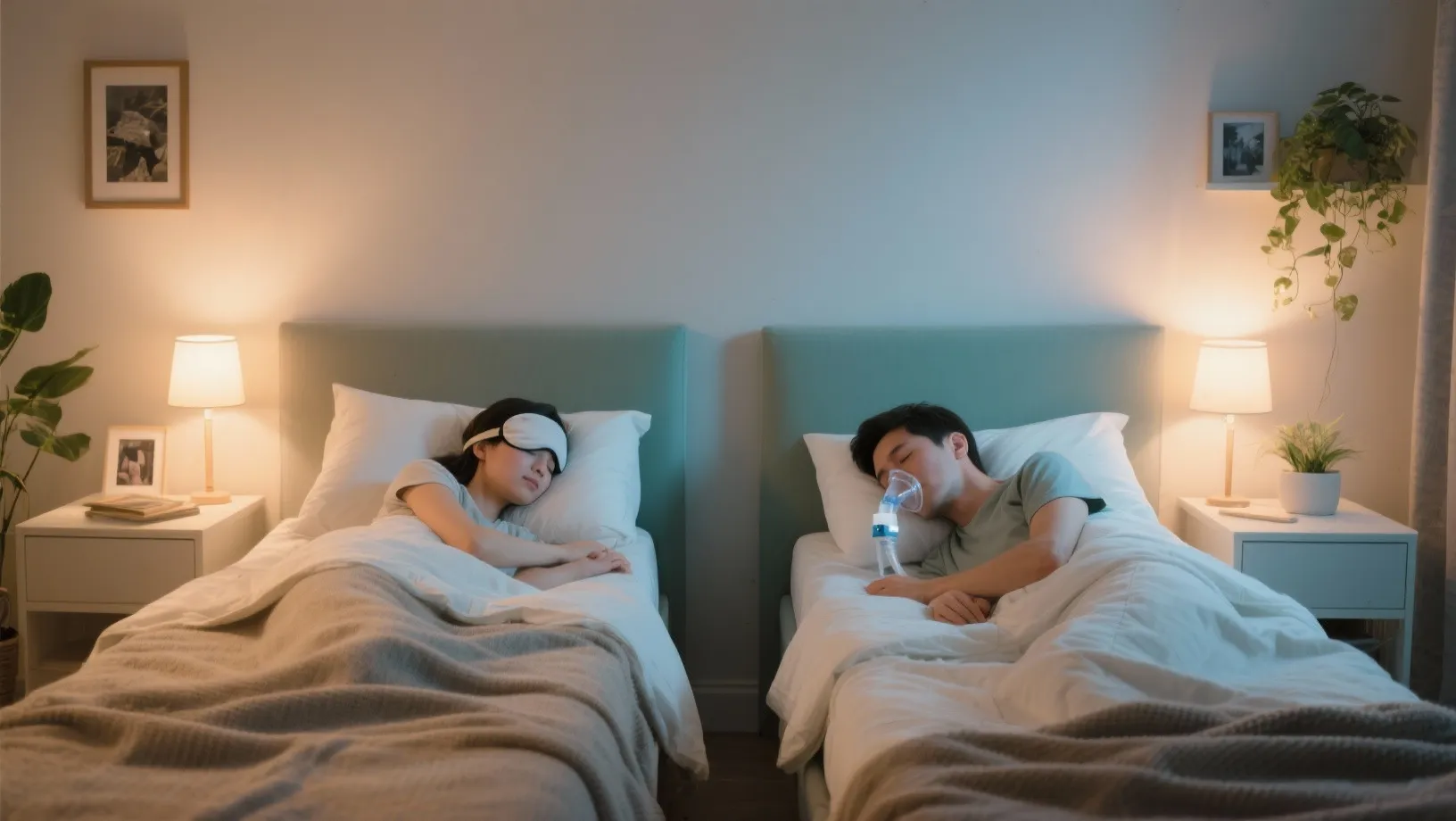
A Modern Love Story—With Separate Beds
Across America, couples are rethinking what it means to share a bed. According to a recent study by the American Academy of Sleep Medicine, nearly one in three adults are choosing to sleep in separate rooms—a practice now dubbed the “sleep divorce.”
What once might have been viewed as a sign of relationship trouble is being redefined as an act of self-care—and in some cases, relationship preservation.
Your oral health is more important than you might realize. It's not just about having a bright smile, it's about maintaining your overall well-being. Regular dental check-ups, proper brushing and flossing, and a healthy diet can prevent many dental issues.
Why Couples Are Sleeping Apart
For many, it isn’t about emotional distance but better health and deeper rest.Kelsey Leggett, a proponent of separate sleeping spaces, believes it’s time to normalize this approach.
“Every boy should have his own bedroom. Every girl should have her own bedroom,” she says—not about children, but couples. “You can have a shared bedroom, but I’m happiest and healthiest when we both have space.”
Leggett admits that snoring was a catalyst. When one partner’s sleep is disrupted, she explains, it can quietly breed resentment and exhaustion.
“If I keep my partner up, they’re too kind to say it. Then suddenly, we end up divorced in real life.”
Health Over Habit
The American Academy of Sleep Medicine’s July 2025 study found that adults aged 35–44 are the most likely to opt for a sleep divorce.
Dr. Maria Suurna, an otolaryngologist and sleep specialist at UHealth, says she sees this trend often among her patients.
“There’s nothing wrong with having separate accommodations to suit your own environment and sleep conditions,” she explains. “Cohabitating and sharing a bed is the social norm—but is it required?”
She notes that quality sleep plays a major role in mental health, productivity, and longevity, and separate sleeping arrangements can be a valid solution—especially when paired with professional guidance to uncover any underlying sleep issues.
Divided Opinions: Love, Rest, and Reality
Not everyone is on board.
For some, the phrase “sleep divorce” sounds too much like the real thing.
Steve Lyles, who is recently engaged, calls it “the beginning of the end.”
Another woman, Hanna, takes a more practical view:
“I don’t think it’s okay, but if you’ve got to do what you’ve got to do, right?”
This mix of resistance and acceptance reflects how deeply entwined sleeping together is with ideas of intimacy and connection. But as more couples talk openly about the benefits, perceptions are shifting.
When Rest Reveals a Bigger Problem
For some couples, the need for separate rooms exposes something more serious—undiagnosed sleep disorders.
Take Don and Shelley Atkins. Shelley frequently woke her husband due to his loud, erratic sleep.
“I’d jostle him, and he’d say one of two things,” Don recalls. “Either, ‘I didn’t know I was doing it,’ or, ‘I was awake, I don’t know what you’re talking about.’”
Eventually, Don was diagnosed with sleep apnea, a disorder that affects about 30 million Americans. The condition caused nightly disruptions, leaving both partners exhausted.
After receiving treatment with Inspire, an implantable device designed to regulate breathing during sleep, Don’s condition—and their shared sleep—improved dramatically.
“It’s really helped out quite a bit,” he says. “I wish I could have had it sooner.”
A Good Night’s Sleep Can Save More Than Your Health
For Don and Shelley, rest has become the cornerstone of their marriage again.
“A good night’s sleep is everything,” Don says.
“Happy wife, happy life.”
Their story underscores the larger message behind the “sleep divorce” movement:
Sleep doesn’t divide couples—it can strengthen them. Whether that means separate beds, separate rooms, or just acknowledging the importance of rest, prioritizing health over habit might be the real key to lasting love.
The Takeaway
As society evolves, so does the definition of intimacy.
“Sleep divorce” isn’t about choosing solitude—it’s about choosing balance. Couples today are proving that love doesn’t always need to share a pillow to thrive.
Did You Know?
🔹 1 in 3 adults in the U.S. admit to sleeping separately at least part-time.
🔹 Sleep deprivation can increase the risk of divorce by up to 30%, according to multiple studies.
🔹 Treating sleep apnea can improve relationship satisfaction and emotional stability.

Need help ?
Schedule your initial consultation today and start your journey towards a pain-free, healthier smile. Contact us now!
Blog Suggestions
What is obstructive sleep apnea, and how do you know if you have it?
Obstructive sleep apnea is a chronic condition in which upper-airway muscles relax during sleep, causing repeated breathing pauses. Loud snoring, gasping, and daytime fatigue are the hallmark warning signs.
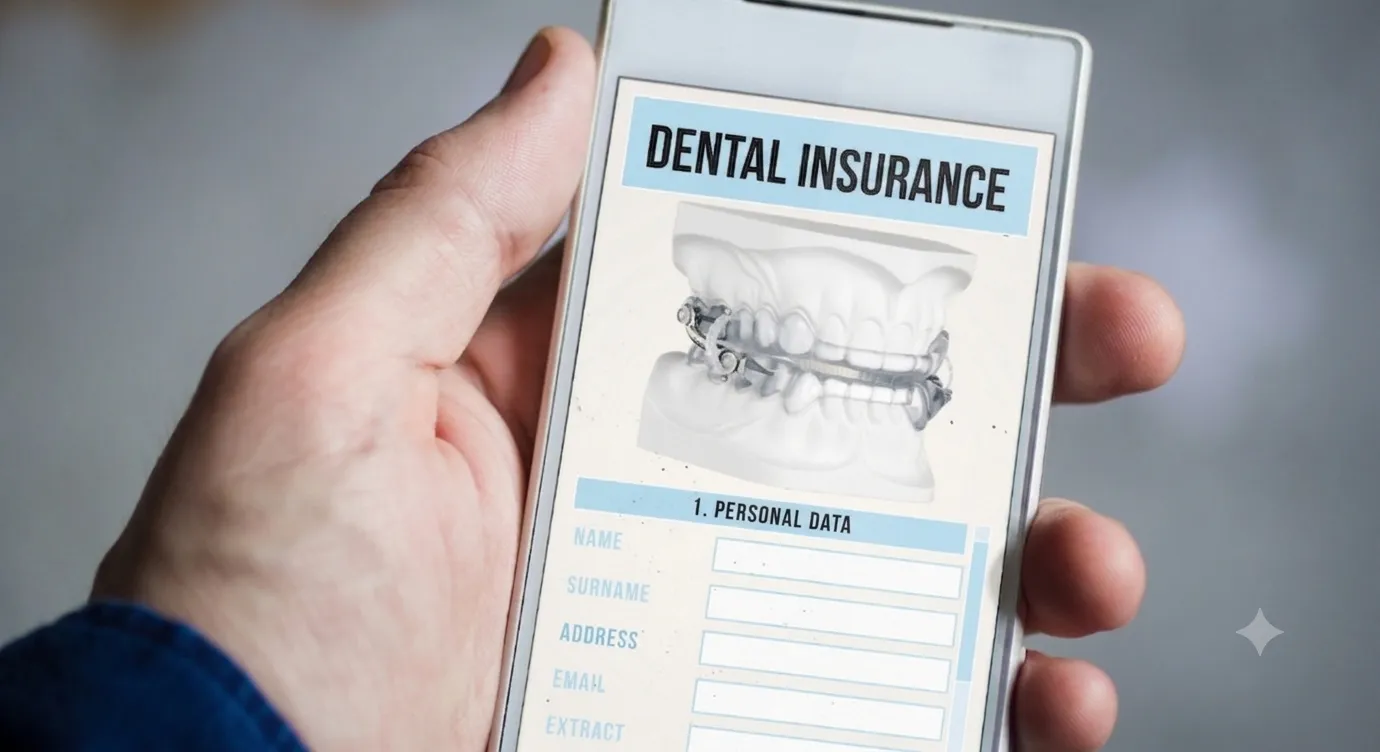
What does an oral appliance for sleep apnea cost, and does insurance cover it?
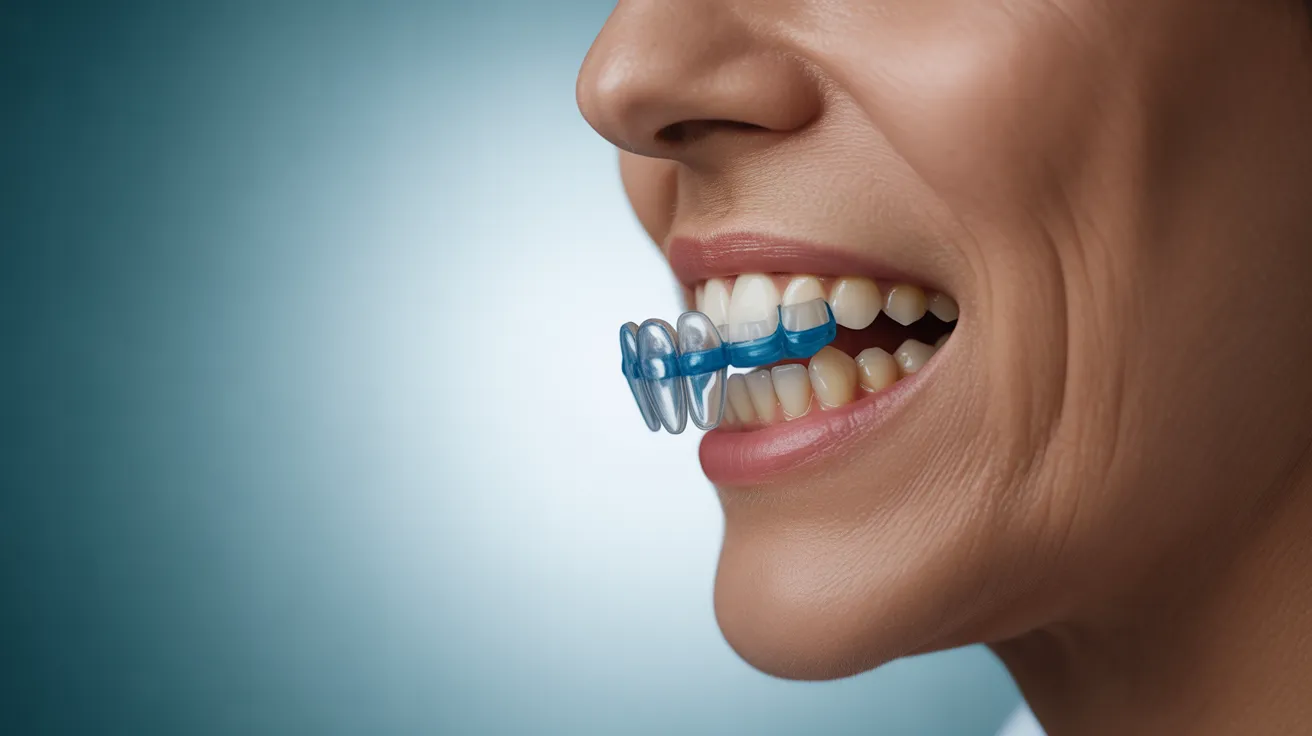
Custom oral appliances typically cost $1,800 to $3,500 cash, with most insured patients owing far less. They are billed under medical insurance using HCPCS code E0486.
How long does it take to get used to a sleep apnea mouthguard?
Most patients fully adjust to a sleep apnea mouthguard within two to six weeks of nightly use. Initial jaw stiffness, extra saliva, and tooth tenderness are common and transient.
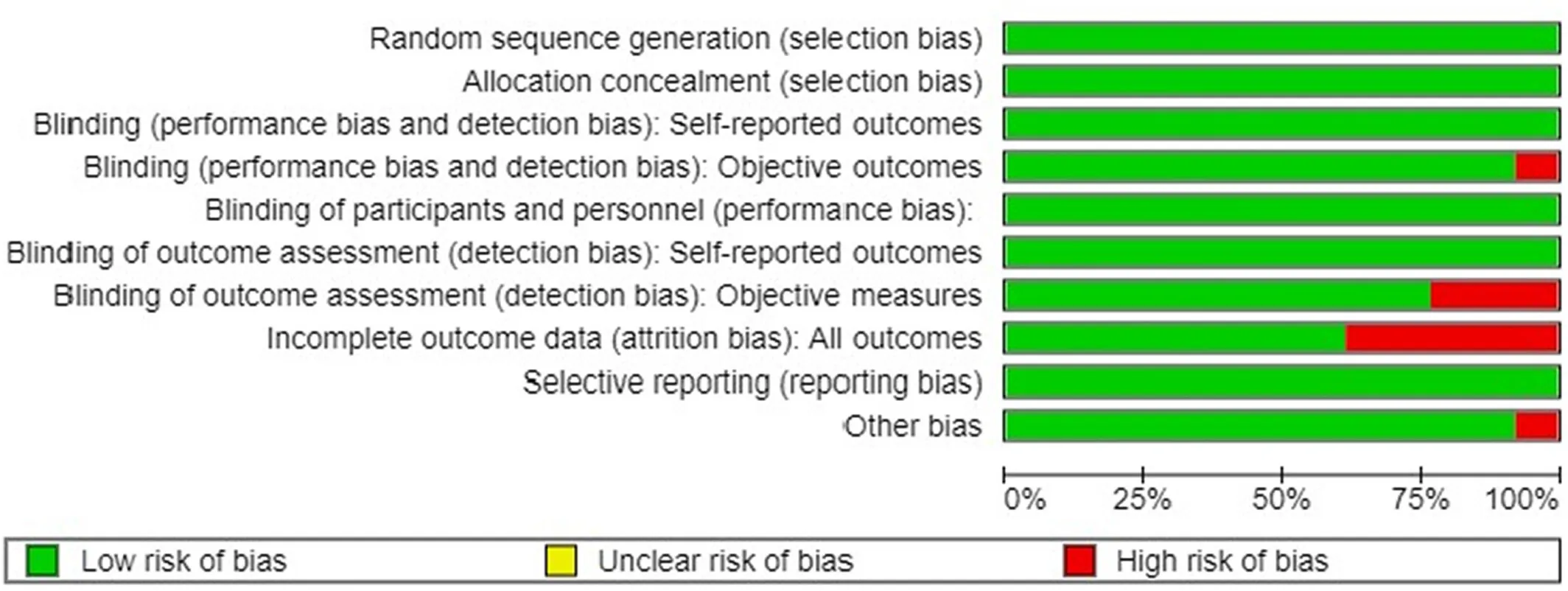
Can a dentist treat sleep apnea without a sleep study?
No. A dentist cannot diagnose or treat obstructive sleep apnea with oral appliance therapy in the absence of a valid sleep study and a physician diagnosis.