
How do iTero intraoral scans improve oral appliance accuracy?
iTero intraoral scans improve oral appliance accuracy by capturing the dentition and soft tissues in a digital STL or PLY file with roughly 20 to 50 micron resolution, far tighter than conventional polyvinyl siloxane (PVS) impressions. Cleaner digital records reduce remakes, shorten lab turnaround, and produce a better-fitting mandibular advancement device (MAD) on the first try. Patient comfort also improves because scanning eliminates impression material, gag reflex triggers, and bite registration distortion. The result is a more predictable workflow for the dentist and a more retentive appliance for the patient.
Digital Workflow From Scan to Device
The iTero Element captures full-arch geometry in under a minute and exports an STL or PLY file that any AADSM-recognized lab can import. Studies published in the Journal of Prosthodontics and the Journal of Dental Sleep Medicine have reported intraoral scan trueness in the 20 to 50 micron range, compared with 50 to 150 microns for traditional PVS impressions. Tighter tolerances translate directly to better-seating MADs, reduced occlusal interference, and fewer chairside adjustments at delivery. The lab also receives a stable digital record that does not distort during shipping or pouring.
Accuracy Versus PVS Impressions
Your oral health is more important than you might realize. It's not just about having a bright smile, it's about maintaining your overall well-being. Regular dental check-ups, proper brushing and flossing, and a healthy diet can prevent many dental issues.
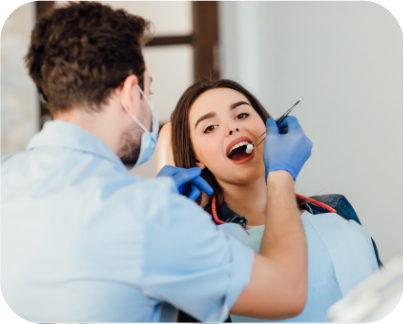
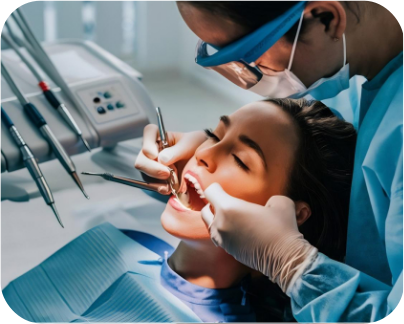
Conventional impressions are prone to pull, tear, voids, and dimensional change during disinfection and stone pour. Digital scans eliminate every one of those failure modes. Independent in-vivo studies have shown that full-arch intraoral scans match reference master models more closely than PVS in most quadrants, especially across the posterior segments where MAD retention depends on precise undercut capture. For sleep dentistry, where the appliance must seat over weeks of nightly wear without rocking or loosening, that precision matters.
Reduced Remake Rate
Practices that have shifted from PVS to iTero for oral appliance therapy commonly report remake rates dropping from 8 to 12 percent down to 2 to 4 percent. A remake costs the practice chair time, lab fees, and patient confidence. Removing two or three remakes per quarter typically pays for the scanner subscription several times over. Documentation in the chart should note the scan date, file ID, and the lab that received the case.
Lab Handoff Via iTero Connect
Align Technology's iTero Connect platform allows direct case submission to integrated MAD labs including SomnoMed, ProSomnus, and Whole You. The clinician selects the lab in the iTero portal, attaches the bite registration scan and the prescription, and the case transmits in minutes. There is no shipping delay, no lost packages, and no risk of impression damage in transit. Most labs confirm receipt within hours and begin design the same day.
Time Savings In Chair And In Lab
A full-arch intraoral scan with bite registration typically takes 6 to 10 minutes, compared with 20 to 25 minutes for PVS impressions and bite registration with cleanup. Lab turnaround drops as well because the technician can begin CAD design immediately rather than waiting for stone models to set and ship. Practices delivering MADs weekly often recover 30 to 45 minutes per case across the full workflow.
Patient Comfort And Acceptance
Sleep apnea patients are often older adults with strong gag reflexes, dry mouth, or temporomandibular sensitivity. Eliminating impression trays removes the single most common source of pre-treatment anxiety. Patients also appreciate seeing their own dentition rendered in 3D on the chairside monitor, which supports case acceptance for the appliance and any adjunctive restorative work.
Integration With SomnoMed And Other MAD Labs
SomnoMed, ProSomnus EVO, Whole You Respire, and Panthera D-SAD all accept iTero STL files directly. Each lab publishes its own scan protocol covering required arch coverage, bite registration in the protrusive position (typically 60 to 70 percent of maximum protrusion), and any tongue or palate captures needed for tongue-retaining or hybrid devices. Following the lab-specific protocol is the single biggest determinant of first-fit success.
Documentation And Compliance
The American Academy of Dental Sleep Medicine (AADSM) clinical practice guideline supports digital workflows when the scanner has been validated for full-arch accuracy. The chart should include the scan file reference, the protrusive bite position recorded, the lab and device selected, and the prescribing sleep physician. CMS and most commercial payers do not require PVS impressions for HCPCS E0486 reimbursement, but they do require evidence of a custom-fabricated device, which a digital scan plus lab fabrication record fully satisfies.
Key Takeaways
- iTero intraoral scans capture dentition at 20 to 50 micron accuracy, tighter than PVS impressions.
- Remake rates typically drop from 8-12 percent to 2-4 percent after switching to digital scans.
- iTero Connect transmits cases directly to SomnoMed, ProSomnus, Whole You, and Panthera labs.
- Chair time per case drops by 30 to 45 minutes when scans replace impressions and stone pouring.
- AASM and AADSM guidelines support digital workflows for HCPCS E0486 custom oral appliances.
Frequently Asked Questions
Q: Does Medicare require PVS impressions for E0486 billing?
A: No. CMS requires a custom-fabricated titratable device, and digital impressions plus CAD/CAM fabrication satisfy that requirement.
Q: How protrusive should the bite registration be?
A: Most labs request 60 to 70 percent of maximum protrusion, captured with a George Gauge or equivalent and scanned in the protrusive position.
Q: Can iTero scan edentulous arches for tongue-retaining devices?
A: Yes, but soft tissue capture is less precise. Many clinicians supplement with a PVS wash or use a tongue-retaining device that does not depend on dentition.
Q: Which iTero models work for oral appliance therapy?
A: The iTero Element 2, 5D, 5D Plus, and Lumina all export STL and PLY files accepted by every major MAD lab.
Q: How long are scan files stored in MyiTero?
A: Align retains scans indefinitely in the MyiTero cloud, which supports easy re-fabrication if a patient loses or damages a device.
Final Thoughts
Switching from PVS to iTero for oral appliance therapy is one of the highest-ROI workflow changes a dental sleep practice can make. The accuracy gains shrink remake rates, the digital handoff to SomnoMed and other labs eliminates shipping delays, and patients prefer the experience. For a practice delivering more than one or two MADs a month, the scanner pays for itself within the first year through reduced remakes alone. Pair the scan with disciplined protrusive bite registration and lab-specific protocols and the first-fit success rate climbs above 95 percent.

Need help ?
Schedule your initial consultation today and start your journey towards a pain-free, healthier smile. Contact us now!
Blog Suggestions

What follow-up schedule should you use for oral appliance therapy patients?
Follow the AADSM cadence: a one-week delivery check, one-month titration, three-month efficacy sleep test, six-month stabilization, and annual recalls thereafter.
How do you bill medical insurance for a sleep apnea oral appliance?
Billing medical insurance for a sleep apnea oral appliance starts with HCPCS E0486 supported by an LMN, the qualifying sleep study, a prescription, and a face-to-face encounter.
Which ICD-10 and CPT codes apply to sleep apnea oral appliance therapy?
OAT uses G47.33 for OSA, R06.83 for snoring, HCPCS E0486 for the custom titratable device, and CPT 95800 to 95811 for diagnostic sleep studies.
What does Medicare require to cover an oral appliance for OSA?
Medicare covers E0486 when the patient has a qualifying sleep study (AHI ≥15, or 5-14 with comorbidities), a face-to-face encounter, a custom titratable device, and an enrolled DME supplier.