
GLP-1s After Zepbound: Referral Source, Not Competitor
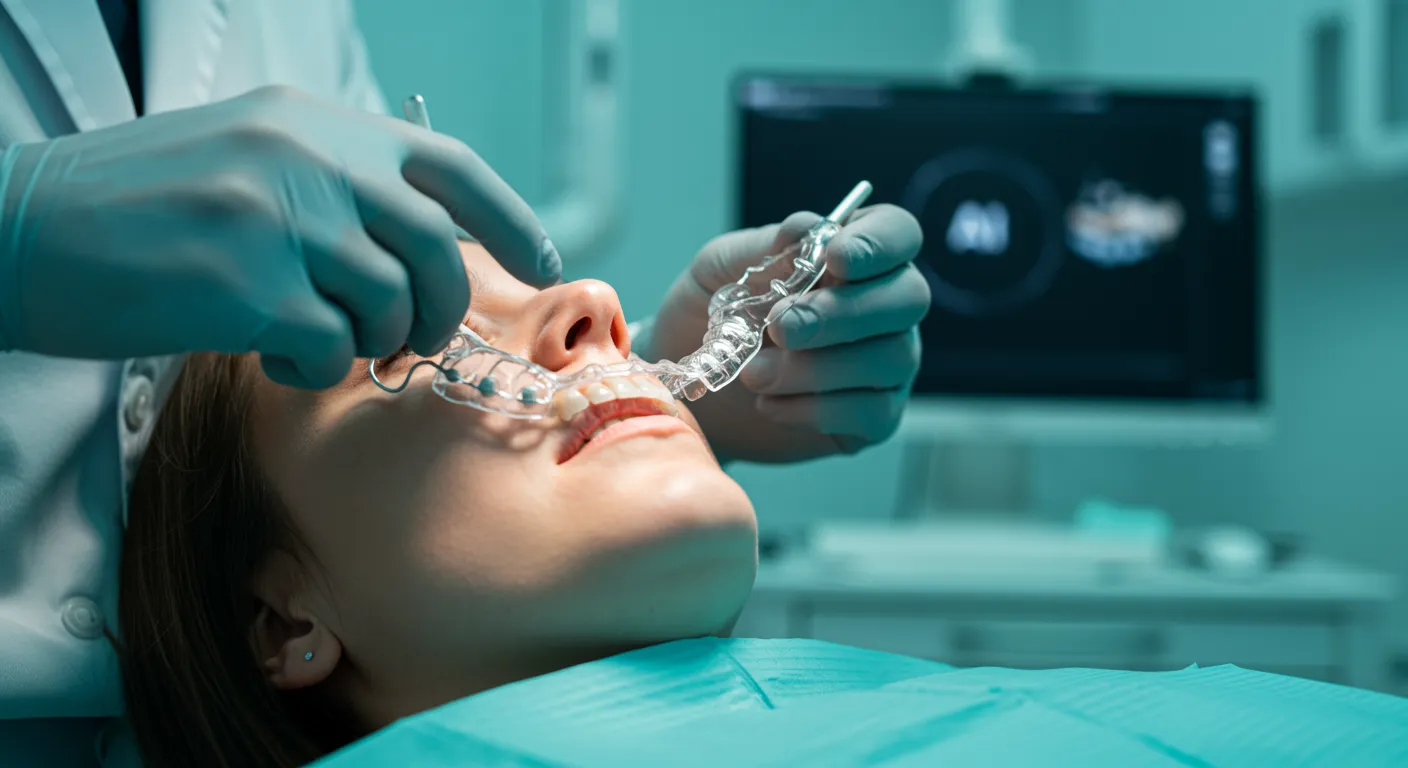
In December 2024 the FDA approved tirzepatide, marketed as Zepbound, as the first medication indicated for moderate-to-severe obstructive sleep apnea in adults with obesity. The Journal of the American Dental Association has since published guidance on what GLP-1 and dual-agonist therapies mean for oral health providers. For dental sleep practices, the correct frame is not competitive. A patient starting tirzepatide for OSA is a patient who has been diagnosed, is engaged with treatment, and will still have an airway that needs managing during and after weight reduction. Handled well, this is one of the strongest new referral sources dental sleep medicine has seen in a decade.
What the Approval Actually Covers
Precision matters here, because the indication is narrower than the headlines suggested. Tirzepatide is approved for moderate-to-severe OSA in adults with obesity, to be used alongside a reduced-calorie diet and increased physical activity. It is not approved for OSA in patients without obesity, not approved for mild OSA, and not positioned as a replacement for airway therapy. The pivotal SURMOUNT-OSA trials demonstrated clinically meaningful AHI reduction, but a substantial proportion of participants retained residual OSA at the end of the trial period. Reduction is not remission, and the distinction is the entire clinical opening for oral appliance therapy.
Why This Is a Referral Source, Not a Competitor
Your oral health is more important than you might realize. It's not just about having a bright smile, it's about maintaining your overall well-being. Regular dental check-ups, proper brushing and flossing, and a healthy diet can prevent many dental issues.


Four structural reasons.
- Residual disease is common. Meaningful AHI reduction from weight loss frequently leaves patients with persistent moderate OSA requiring treatment. Those patients need an airway intervention, and many will have already declined or failed CPAP.
- The treatment interval is long. Weight reduction sufficient to affect AHI takes months to over a year. Patients are symptomatic during that entire period, and untreated OSA in the interim carries cardiovascular and daytime-function consequences. An oral appliance is the natural bridge therapy.
- Discontinuation is frequent. Real-world persistence with GLP-1 therapy is substantially lower than trial adherence, driven by cost, coverage limits, and gastrointestinal side effects. Patients who stop typically regain weight, and AHI tends to follow. A patient with an existing appliance and an established dental sleep relationship has somewhere to return to.
- Diagnosis rates rise. The approval has driven sleep testing among patients who would never have pursued it for snoring alone. Every one of those tests produces a diagnosed patient who must choose a therapy, and a meaningful share are not CPAP candidates.
Clinical Considerations for Patients on GLP-1 Therapy
Patients on tirzepatide or semaglutide present specific issues relevant to appliance therapy and to general dental care.
- Fit changes with facial and soft-tissue change. Significant weight loss alters soft tissue and can change how an appliance seats and how the patient perceives it. Schedule closer follow-up during active weight reduction and set the expectation of possible adjustment or, occasionally, remake.
- Retitration is expected, not a failure. As AHI falls, the protrusive position that was optimal at baseline may be more than the patient now requires. Reducing advancement where efficacy allows improves comfort and reduces the risk of occlusal and temporomandibular complaints.
- Efficacy testing should be repeated. A patient whose weight has changed substantially needs a repeat home sleep apnea test with the appliance in place. Assuming continued efficacy from a titration study performed 30 pounds ago is not defensible.
- Xerostomia and gastrointestinal effects. GLP-1 therapy is associated with nausea, vomiting, and reflux in a meaningful minority of patients. Recurrent emesis and reflux carry dental erosion risk, and an appliance worn nightly in a dry or acidic oral environment warrants caries and erosion monitoring. This is the substance of the JADA guidance for dental providers.
- Medication history belongs on the intake form. Add GLP-1 receptor agonists and dual agonists explicitly to the medical history, including start date and any dose changes, because it contextualises both airway and dental findings.
How to Build the Referral Relationship
The practices that benefit are the ones that make themselves useful to prescribers rather than positioning against them.
- Contact the local bariatric medicine, endocrinology, and primary care practices that are prescribing. Offer a specific, limited service: interim airway management during weight reduction, and post-reduction efficacy assessment.
- Frame the communication around the prescriber's problem. Their patient has residual OSA during a long treatment interval and they need somewhere to send them that is not a CPAP re-attempt the patient already refused.
- Send outcome data back. A brief letter documenting baseline AHI, appliance-in-place AHI, and Epworth change is more persuasive than any marketing material and builds the referral loop.
- Be explicit that you are not competing with the medication. A prescriber who suspects the dentist will discourage pharmacotherapy will not refer.
The Patient Conversation
Patients frequently arrive believing the medication will resolve their sleep apnea entirely. The honest framing: weight reduction can substantially reduce AHI and for some patients brings it into a range where treatment intensity can be reduced, but reduction is not guaranteed to be complete, it takes many months, and the airway needs treatment in the meantime. Position the appliance as therapy for now with a planned reassessment rather than as a permanent commitment made in opposition to the drug. That framing closes cases and preserves the relationship if the medication is later discontinued.
Key Takeaways
- Tirzepatide is approved for moderate-to-severe OSA in adults with obesity, as an adjunct to diet and activity, not as a replacement for airway therapy.
- Residual OSA after weight reduction is common, creating ongoing demand for oral appliance therapy.
- The months-long treatment interval makes oral appliances a natural bridge therapy.
- Expect retitration, repeat efficacy testing, and possible fit changes as weight changes.
- Monitor for xerostomia, reflux, and erosion risk per JADA guidance for dental providers.
Frequently Asked Questions
Q: Should a patient on tirzepatide delay oral appliance therapy?
A: Usually no. Untreated OSA during a long weight-reduction interval carries real risk, and the appliance can be retitrated or discontinued if AHI improves sufficiently.
Q: Will insurers stop covering oral appliances because a drug exists?
A: There is no indication of that. The medication indication is narrow, coverage for it is itself frequently restricted, and residual disease still requires treatment.
Q: When should efficacy be retested after significant weight loss?
A: After weight has stabilised, or sooner if symptoms change. A repeat home sleep apnea test with the appliance in place is the appropriate assessment.
Q: Can the appliance ever be discontinued?
A: Potentially, if repeat testing without the appliance demonstrates resolution. That decision belongs to the sleep physician, with dental input on the airway findings.
Q: What should we add to the medical history form?
A: GLP-1 receptor agonists and dual agonists by name, with start date, current dose, and any history of nausea, vomiting, or reflux.
Final Thoughts
New therapies reshape referral patterns, and the practices that read them as threats tend to lose ground to the practices that read them as pipeline. Tirzepatide brought sleep apnea into conversations that were previously about weight alone, and it produced a large cohort of newly diagnosed patients with a treatment interval measured in months. Dental sleep medicine is well positioned to serve that interval and the residual disease that follows it — provided the practice shows up as a collaborator to prescribers rather than a competitor for the same patient.

Need help ?
Schedule your initial consultation today and start your journey towards a pain-free, healthier smile. Contact us now!
Blog Suggestions
The First Joint AASM/AADSM Oral Appliance Guideline
Patient preference is now an explicit indication, not just CPAP intolerance. What to change in your consent form, titration protocol, and follow-up schedule.
When Payers Require an Appliance Trial Before Hypoglossal Nerve Stimulation
What counts as a documented appliance failure, how to run a time-bounded trial that satisfies authorisation review, and how to position the practice inside a surgical pathway.
The Patient Who Walks In With a Smartwatch Screenshot
Consumer sleep apnea alerts are mainstream now. What these features actually detect, what a negative notification does not rule out, and the intake script that converts it into a validated screen and referral.
COMISA: When Appliance "Non-Compliance" Is Untreated Insomnia
The clinical signature that distinguishes conditioned insomnia from appliance failure, how to screen for it chairside, and when to co-refer for CBT-I.