
The First Joint AASM/AADSM Oral Appliance Guideline
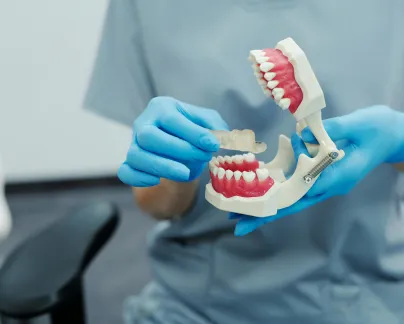
The first joint AASM/AADSM clinical practice guideline on oral appliance therapy replaces practice parameters that had stood essentially unchanged since 2006. The headline recommendation is that oral appliance therapy is appropriate for adults with obstructive sleep apnea who are intolerant of CPAP or who prefer an alternative treatment. That second clause is the significant change. Patient preference is now an explicit, guideline-supported indication rather than a concession made after CPAP has failed. The operational consequences run through consent, titration protocol, and follow-up scheduling, and practices should update all three.
What Changed From the 2006 Practice Parameters
The 2006 framework positioned oral appliances primarily as a second-line option: appropriate for mild to moderate OSA, and for severe OSA only where CPAP had failed or been refused. In practice this created a documentation posture in which the dentist was always justifying why the patient was not on CPAP.
The joint guideline reframes the decision. Key shifts:
Your oral health is more important than you might realize. It's not just about having a bright smile, it's about maintaining your overall well-being. Regular dental check-ups, proper brushing and flossing, and a healthy diet can prevent many dental issues.


- Patient preference is a legitimate basis for selecting oral appliance therapy, not merely an accommodation. A patient who has been informed of options and prefers an appliance qualifies on that basis.
- The emphasis moves toward shared decision-making between the patient, the sleep physician, and the qualified dentist, with each contributing distinct expertise.
- Custom, titratable devices are distinguished clearly from non-custom and non-adjustable alternatives, which the guideline does not support equivalently.
- Objective verification of treatment efficacy is emphasised rather than assumed from symptom improvement.
- The role of the qualified dentist in device selection, fitting, titration, and long-term dental monitoring is defined more explicitly.
What has not changed: an oral appliance is still therapy for a medical diagnosis established by an interpreted sleep study, and it still requires physician involvement in diagnosis and outcome verification.
What to Change in Your Consent Form
Consent documents written against the 2006 framing tend to read as though the appliance is a fallback. Update them to reflect shared decision-making and current risk data.
- Document that alternatives were presented. The consent should record that CPAP, positional therapy, surgical options including hypoglossal nerve stimulation where relevant, and weight management were discussed, and that the patient selected oral appliance therapy. Where preference rather than intolerance is the basis, say so explicitly.
- State realistic efficacy expectations. Oral appliance therapy produces meaningful AHI reduction in most appropriately selected patients but complete normalisation in a minority. Consent that implies cure invites dissatisfaction and complaint.
- Enumerate dental side effects specifically. Transient morning occlusal changes, temporomandibular discomfort, tooth movement, and progressive occlusal change over years of use. The long-term occlusal change literature is now robust enough that a general "possible bite changes" phrase is inadequate.
- Describe the titration process as a process. Patients should understand before starting that the device requires weeks of incremental adjustment and that the initial position is not the final position.
- Commit to objective efficacy testing. State that a follow-up sleep test with the appliance in place is part of the treatment plan, not an optional extra.
- Define the monitoring commitment. Annual dental review for occlusal and temporomandibular change, and the patient's responsibility to attend.
What to Change in Titration
The guideline's emphasis on verified efficacy makes ad hoc titration untenable.
- Start conservatively. A common approach is roughly 50 to 70 percent of maximum comfortable protrusion, though the appropriate starting point varies with the patient's range and symptom burden.
- Advance in small, scheduled increments rather than on patient-initiated adjustment alone. Increments in the range of 0.25 to 0.5 mm at intervals of several days to a week are typical, guided by symptom response and tolerance.
- Track subjective response systematically at each step: snoring reports from a bed partner, Epworth Sleepiness Scale, morning headache, and any temporomandibular or dental symptoms.
- Recognise the endpoint as clinical stability rather than maximum advancement. More protrusion is not better once symptoms have resolved, and unnecessary advancement drives side effects.
- Confirm with objective testing. A home sleep apnea test with the appliance in place at the titrated position, interpreted by the sleep physician, is the standard the guideline points toward. Symptom resolution alone is not verification.
- Document each step with date, position, and response. This record is both clinical and medico-legal, and it is what supports retitration decisions years later.
What to Change in Follow-Up
Build a defined schedule rather than reacting to patient complaints.
- Delivery: fit verification, insertion and removal instruction, baseline occlusal record including photographs or a digital scan, and starting protrusive position documented.
- Two to four weeks: initial titration review, comfort assessment, early side-effect screening.
- Ongoing titration: at intervals through the adjustment period until clinical stability is reached.
- Approximately three months: efficacy testing with the appliance in place, plus temporomandibular and occlusal assessment.
- Annually thereafter: device condition, adherence review, occlusal comparison against the baseline record, temporomandibular screening, and symptom review. Retest if weight, symptoms, or medical status have changed materially.
The baseline occlusal record at delivery is the item most often skipped and most often needed. Without it, occlusal change identified at year four cannot be characterised or defended.
Coordination With the Sleep Physician
The guideline's shared decision-making framing assumes a functioning two-way relationship. Practically, that means the dentist receives the interpreted study and the diagnosis, and the physician receives the titration record and the efficacy test result. Practices that send outcome letters after efficacy testing — baseline AHI, treated AHI, Epworth change — build referral relationships that marketing does not replicate. Practices that treat the referral as a one-way handoff find the referral stream thins over time.
Key Takeaways
- Patient preference is now an explicit indication for oral appliance therapy, not only CPAP intolerance.
- Consent should document alternatives discussed, realistic efficacy, specific dental side effects, and the titration and monitoring commitment.
- Titrate in small scheduled increments to clinical stability, not to maximum protrusion.
- Verify efficacy objectively with an appliance-in-place sleep test rather than inferring it from symptoms.
- Capture a baseline occlusal record at delivery; it is the reference for every future comparison.
Frequently Asked Questions
Q: Does the guideline mean CPAP no longer has to be tried first?
A: Clinically, informed patient preference is a supported basis for choosing an appliance. Payer coverage policies are separate and may still require documented CPAP failure.
Q: Is an appliance-in-place sleep study always required?
A: The guideline emphasises objective efficacy verification, and it is the defensible standard. Some payers also require it before final authorisation.
Q: Are non-custom devices acceptable under the guideline?
A: The guideline distinguishes custom titratable devices from non-custom alternatives and does not support them equivalently.
Q: How does this affect severe OSA patients?
A: Oral appliance therapy remains an option for severe OSA where CPAP is not tolerated or is declined, with objective efficacy verification carrying particular weight in that group.
Q: What if efficacy testing shows inadequate response?
A: Retitrate and retest, or return the patient to the sleep physician to consider combination therapy or an alternative such as hypoglossal nerve stimulation.
Final Thoughts
A guideline that stood for nearly two decades shaped how a generation of practices wrote consent forms and scheduled follow-up. The joint AASM/AADSM document moves oral appliance therapy from tolerated alternative to co-equal option with defined standards attached. The practices that update their paperwork and protocols to match will find the standards are not a burden but a defence: documented shared decision-making, verified efficacy, and a baseline occlusal record are exactly what protects a clinician when a case is questioned years later.

Need help ?
Schedule your initial consultation today and start your journey towards a pain-free, healthier smile. Contact us now!
Blog Suggestions
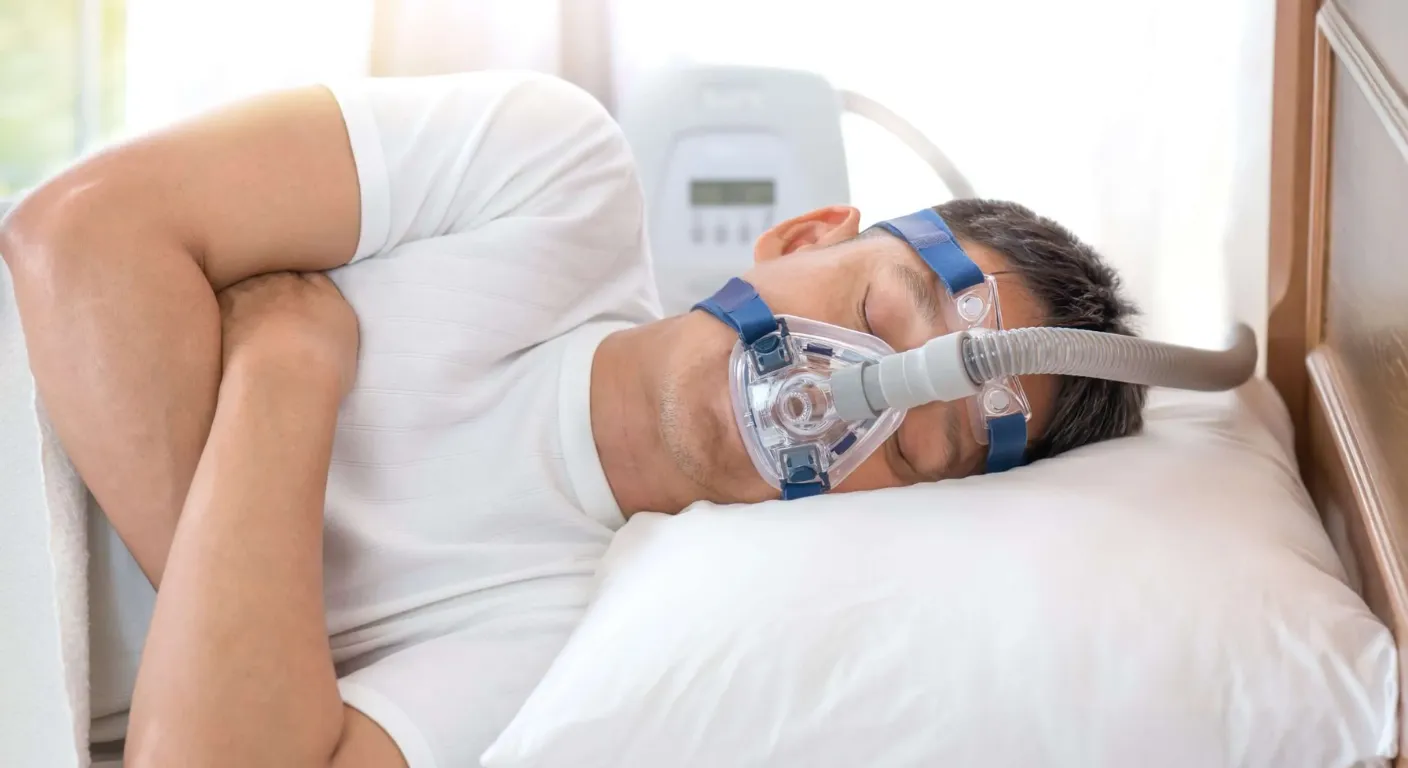
When Payers Require an Appliance Trial Before Hypoglossal Nerve Stimulation
What counts as a documented appliance failure, how to run a time-bounded trial that satisfies authorisation review, and how to position the practice inside a surgical pathway.
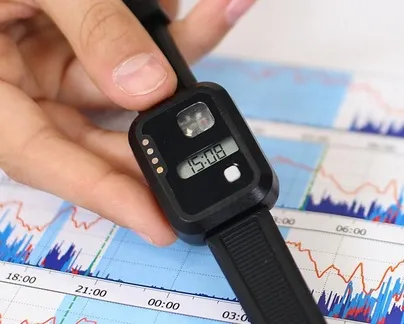
The Patient Who Walks In With a Smartwatch Screenshot
Consumer sleep apnea alerts are mainstream now. What these features actually detect, what a negative notification does not rule out, and the intake script that converts it into a validated screen and referral.
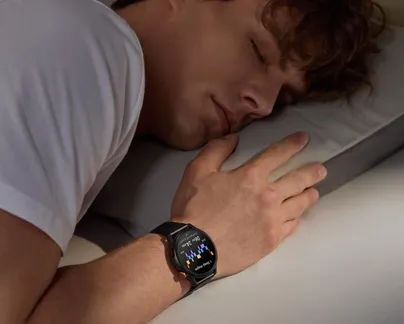
COMISA: When Appliance "Non-Compliance" Is Untreated Insomnia
The clinical signature that distinguishes conditioned insomnia from appliance failure, how to screen for it chairside, and when to co-refer for CBT-I.

Pediatric Airway Screening at the Hygiene Recall: A Protocol
A four-step screening protocol for every pediatric recall — caregiver questions, extraoral observation, intraoral airway examination, and validated instruments — plus referral pathways and what to say.