
TMD in OSAS Patients
INTRODUCTION
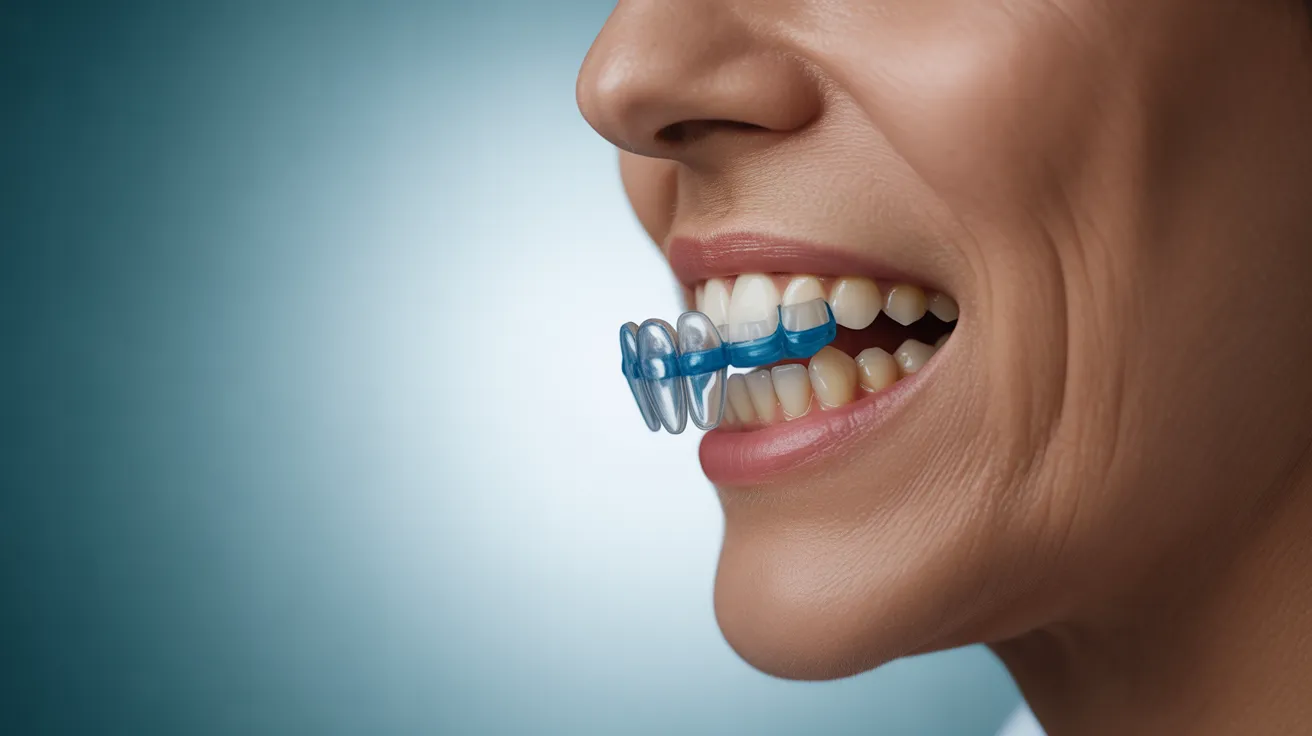
The pathophysiology of OSAS involves a combination of anatomical factors such as a narrowed pharyngeal airway, increased collapsibility of soft tissues and reduced neuromuscular tone. The treatment of OSAS aims to alleviate the obstruction of the upper airway and improve breathing during sleep. The primary treatment modalities for OSAS include CPAP, oral appliances such as mandibular advancement devices (MADs) and surgical interventions. CPAP therapy involves the use of a machine that delivers pressurised air through a mask worn over the nose or both the nose and mouth. This provides a constant positive pressure that keeps the airway open. CPAP is considered the gold standard treatment for moderate to severe OSAS due to its effectiveness in reducing apnea-hypopnea events and improving oxygenation. MADs are another treatment option for OSAS. These custom-made oral appliances are designed to reposition the mandible forward, which helps to maintain airway patency during sleep. MADs work by mechanically advancing the mandible and subsequently increasing the size of the upper airway, reducing the likelihood of collapse and obstruction. MADs are particularly suitable for individuals with mild to moderate OSAS or those who are unable to tolerate CPAP therapy. They are adjustable to accommodate individual jaw positions and provide a comfortable fit. Surgical interventions may be considered for individuals with severe OSAS who do not respond adequately to CPAP or MAD therapy. Surgical procedures aim to enlarge the upper airway by removing excess tissues, correcting anatomical abnormalities, or repositioning structures that contribute to airway obstruction. These procedures can involve the soft palate, uvula, tonsils, or other structures based on the specific needs of the patient. The effectiveness of MADs for snoring and OSAS management has been supported by some clinical studies and meta-analyses. These devices offer a convenient, non-invasive alternative to CPAP therapy and surgical interventions. However, it is important to note that the selection of appropriate candidates for MAD therapy should be based on a thorough evaluation, considering factors such as disease severity, patient preference, and anatomical considerations. Regular follow-up assessments and objective measurements, including sleep studies, are essential to assess treatment efficacy, titrate the device and ensure optimal therapeutic outcomes. Additionally, patient compliance and adherence to the proper use of MADs are crucial for achieving successful outcomes in the management of snoring and OSAS. This device is applied to natural teeth and not to dental prosthesis.
The existing literature provides limited information on the long-term effects of MAD therapy on TMD occurrence. Most studies have relatively short follow-up periods. Long-term evaluations are necessary to determine the stability of TMD symptoms over time, assess potential late-onset complications, and elucidate the overall treatment outcomes and sustainability of MAD therapy in relation to TMD. TMDs refer to a group of conditions that affect the temporomandibular joint (TMJ), the jaw muscles and the surrounding structures.20-22 TMD can cause pain and dysfunction in the jaw joint and the muscles used for chewing.23-26 Moreover, there is a dearth of studies examining the influence of various MAD appliance characteristics, such as design, material, or advancement magnitude, on the occurrence of TMD. Investigating these factors and their potential impact on TMD symptoms can enhance our understanding of the underlying mechanisms and facilitate the optimization of MAD therapy to minimise TMD-related adverse effects. Incorporating objective measures in future research can provide a more comprehensive understanding of the structural and functional changes in the TMJ and associated structures in relation to MAD treatment for OSAS. Keeping these gaps in mind, the primary aim of this systematic review was to investigate and summarise the available evidence regarding the occurrence of TMDs in patients undergoing treatment for OSAS with MADs. Specifically, the review aimed to determine the prevalence or incidence of TMDs among this specific patient population and assess any potential associations between MAD treatment for OSAS and the occurrence of TMDs.
Your oral health is more important than you might realize. It's not just about having a bright smile, it's about maintaining your overall well-being. Regular dental check-ups, proper brushing and flossing, and a healthy diet can prevent many dental issues.
MATERIALS AND METHODS
Eligibility criteria
The PECO strategy employed for this review is as follows:
The population of interest (P) comprised patients diagnosed with OSAS,
Exposure (E) involved the use of MAD for OSAS treatment.
Comparison (C) was not used in the study as it was assessing prevalence.
Outcome (O) focused on the occurrence or prevalence of temporomandibular disorders among the study population.
Study design (S) encompassed both clinical studies, both observational and experimental-based.
By structuring the research question ‘What is the occurrence of Temporomandibular disorders in OSAS patients treated with MAD intervention?’ using the PECOS strategy, the systematic review aimed to synthesise and analyse the available evidence regarding the occurrence of TMDs among patients undergoing MAD treatment for OSAS.
Studies were included if they involved human participants diagnosed with OSAS and receiving treatment with MADs. The review encompassed both RCTs and cohort-based studies to capture a wide range of evidence. Studies were required to report on the occurrence or prevalence of TMDs as an outcome measure. There were no language or time restrictions imposed to ensure a comprehensive search. Studies that exclusively focused on other treatment modalities for OSAS, those that lacked relevant outcome measures related to TMD occurrence, or those that did not meet the predefined study design criteria, were excluded.
TABLE 1. Search strategy across different databases for selection of relevant studies.
| Database | Search strategy (MeSH Keywords) |
|---|---|
| PubMed | ("Temporomandibular Joint Disorders"[Mesh] OR "Temporomandibular Disorders" OR "TMJ Disorders") AND ("Sleep Apnea, Obstructive"[Mesh] OR "Obstructive Sleep Apnea") AND ("Mandibular Advancement Devices"[Mesh] OR "Oral Appliance Therapy") |
| Embase | ('temporomandibular disorder'/exp OR 'temporomandibular disorder' OR 'TMJ disorder') AND ('obstructive sleep apnea'/exp OR 'obstructive sleep apnea') AND ('mandibular advancement device'/exp OR 'oral appliance therapy') |
| Cochrane Library | (MeSH descriptor: [Temporomandibular Joint Disorders] OR "Temporomandibular Disorders" OR "TMJ Disorders") AND (MeSH descriptor: [Sleep Apnea, Obstructive] OR "Obstructive Sleep Apnea") AND (MeSH descriptor: [Mandibular Advancement Devices] OR "Oral Appliance Therapy") |
| Scopus | (TITLE-ABS-KEY("Temporomandibular Disorders") OR TITLE-ABS-KEY("TMJ Disorders")) AND (TITLE-ABS-KEY("Obstructive Sleep Apnea")) AND (TITLE-ABS-KEY("Mandibular Advancement Devices") OR TITLE-ABS-KEY("Oral Appliance Therapy")) |
| Web of Science | TS = ("Temporomandibular Disorders" OR "TMJ Disorders") AND TS = ("Obstructive Sleep Apnea") AND TS = ("Mandibular Advancement Devices" OR "Oral Appliance Therapy") |
| CINAHL | (MH "Temporomandibular Joint Disorders" OR "Temporomandibular Disorders" OR "TMJ Disorders") AND (MH "Sleep Apnea, Obstructive" OR "Obstructive Sleep Apnea") AND (MH "Mandibular Advancement Devices" OR "Oral Appliance Therapy") |
| PsycINFO | (DE "Temporomandibular Disorders" OR "TMJ Disorders") AND (DE "Sleep Apnea, Obstructive" OR "Obstructive Sleep Apnea") AND (DE "Mandibular Advancement Devices" OR "Oral Appliance Therapy") |
TABLE 2. Demographic variables pertaining to the articles selected for the review.
| Author ID | Year | Location | Sample size(n) | Mean age (in years) | Gender ratio |
|---|---|---|---|---|---|
| Doff | 2012 | Netherlands | 103 | 49 ± 10 | 43 males |
| Fransson | 2004 | Sweden | 77 | 55 | 64 males |
| Gianassi | 2009 | Canada | 42 | 49 ± 12 | 33 |
| Knappe | 2017 | Denmark | 43 | 54 (median) | 30 males |
| Martinez | 2010 | Spain | 40 | 54.1 ± 8.7 | 31 males |
| Napankangas | 2012 | Finland | 15 | 51.1 | 9 males |
| Nikolopoulou | 2020 | Netherlands | 21 | 50.4 ± 8.9 | 17 males |
| Perez | 2013 | United States of America | 167 | 54 ± 12.9 | 91 |
| Ranieri | 2009 | Brazil | 14 | 42.5 | 8 males |
| Tegelberg | 2003 | Sweden | 74 | 53 | All males |
| Walker | 2003 | Sweden | 86 | 52 | All males |
| Zhou | 2020 | China | 40 | 43.24 | 30 males |
Search strategy
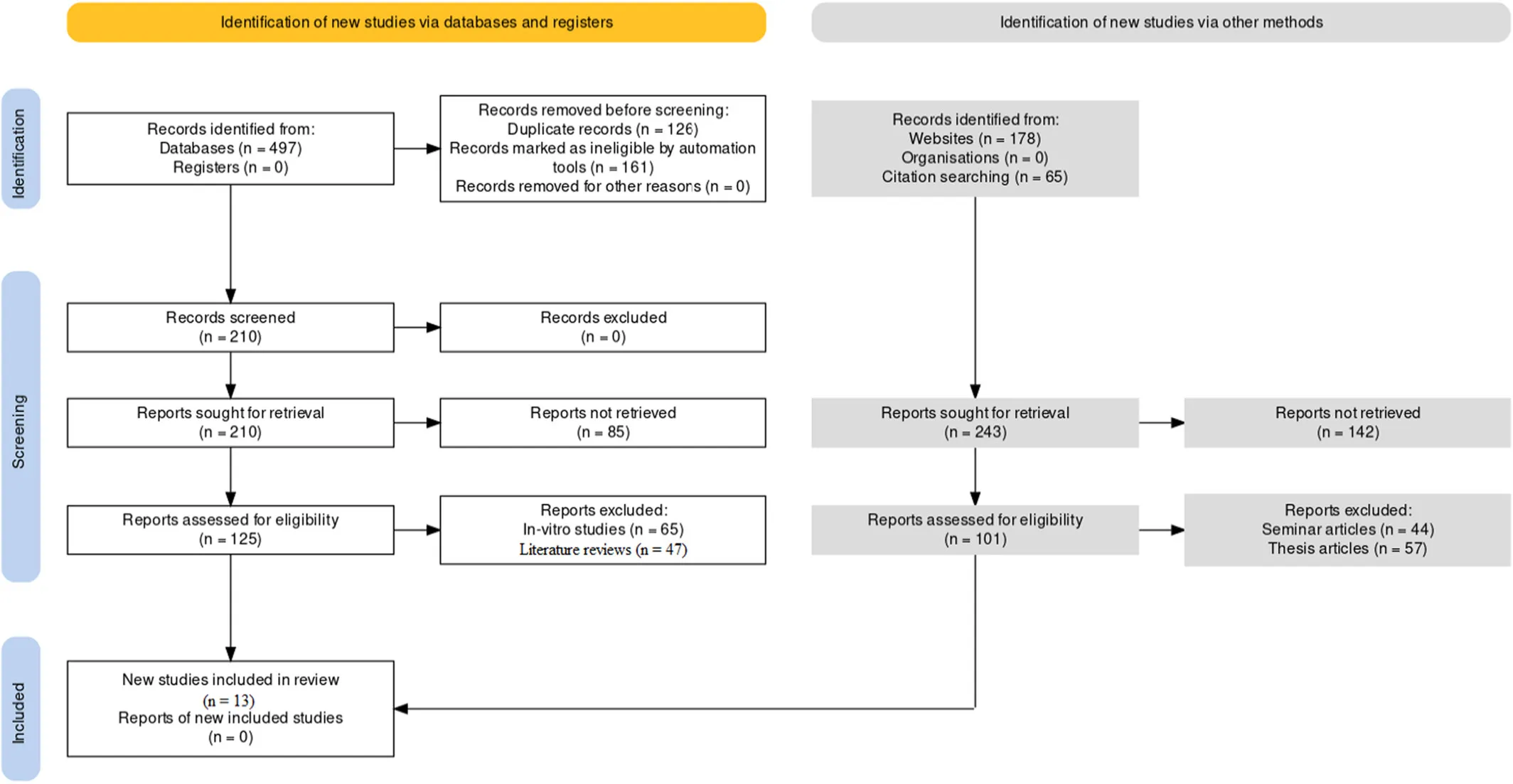
For the current review, the Preferred Reporting Items for Systematic Reviews and Meta-Analyses (PRISMA) guidelines were followed,27 the results of which have been presented in a structured manner in Figure 1. The review is registered under PROSPERO (CRD42023439754). These guidelines ensured a rigorous and transparent approach to synthesising the available evidence on the occurrence of TMDs among patients undergoing MAD treatment for OSAS.
A comprehensive database search strategy was employed across seven different databases for this review. Boolean operators (AND, OR) and MeSH (Medical Subject Headings) keywords were utilised to ensure a thorough search. The search strategy consisted of combining terms related to TMDs, OSAS treatment and MADs. The following search string was used as a basis:
(Temporomandibular Disorders OR TMD OR TMJ Disorders) AND (Obstructive Sleep Apnea OR OSAS) AND (MADs OR Oral Appliance Therapy)
This initial search string was adapted to fit the specific syntax and indexing requirements of each database, as shown in Table 1. To enhance the search's comprehensiveness, additional relevant keywords and phrases were added, including synonyms and related terms. Boolean operators were used to combine the search terms appropriately, such as ‘OR’ to combine synonyms within the same concept and ‘AND’ to link different concepts together. The search was not limited by language or publication date and was tailored to each database's unique search syntax and filters to maximise the retrieval of relevant articles.
Data extraction
The data extraction process encompassed key categories of information deemed relevant to the research objectives. It included study characteristics (e.g. author, publication year, study design), participant characteristics (e.g. sample size, age, gender), intervention details (e.g. type of MAD, treatment duration), outcome measures (e.g. criteria for TMD diagnosis, assessment methods), and relevant findings. Two independent reviewers independently extracted data from the selected studies using the predefined form. Any discrepancies or uncertainties were discussed and resolved through consensus between the reviewers. In cases where necessary data were missing or required clarification, attempts were made to contact the study authors for additional information.
Quality assessment
RoB-2 was employed to evaluate the quality and risk of bias in the selected studies by the reviewers.28 The tool assessed the risk of bias across several domains. Each domain was evaluated based on specific signalling questions, with a judgement of ‘low risk’, ‘some concerns’, or ‘high risk’ assigned to each domain. The overall risk of bias for each RCT was then determined based on the responses to the signalling questions.
RESULTS
Study characteristics
Of the 497 initially screened articles, 13 studies29-41 were included in the final qualitative assessment. Table 2 presents the summarised characteristics of the included studies. The studies encompass various publication years and diverse sample sizes. Regarding the mean age of the participants, the studies ranged from 42.5 years to 55 years. The gender ratio varied across the studies, with the majority reporting a higher proportion of male participants. Specifically, several studies had predominantly male samples, while others reported a more balanced gender distribution. The sample sizes across the studies ranged from 14 to 167 participants, indicating variability in the number of individuals included in each study.
Main findings
Table 3 summarises the overall findings from the various studies included in this investigation. The studies employed different TMD assessment techniques, OSA evaluations, MAD appliance types, and follow-up periods. Six studies assessed TMD by RDC/TMD criteria,30, 33, 34, 36, 39, 40 three studies by HI,29, 32, 35 three based on questionnaires,31, 39, 40 and one used MRI and EMG.41 The MAD appliance types utilised in these studies included monobloc, hard acrylic, PMP, HGT and split-type appliances. OSAS assessment techniques included AHI, ESS and unspecified assessments. The follow-up period ranged from 60 days to 5 years. Overall, the findings suggest that MAD treatment for OSAS had no effect on TMD-related outcomes as compared to baseline. The reduction in TMD signs, if present, was transient. In long-term evaluation, the occurrence of TMDs remained unperturbed. Notably, some studies reported a temporary increase in TMJ-related pain or symptoms at the beginning of the follow-up period, which later subsided. Only four studies reported a significant reduction in the severity and frequency of TMD symptoms at the end of the follow-up period. All in all, the application of MAD was not influenced by the occurrence of TMD. Also, MAD treatment for OSAS may not have any impact on TMD symptoms in terms of reducing their severity and frequency. However, the specific effects varied across studies and depended on factors such as the type of MAD appliance used, TMD assessment techniques, and follow-up duration. It is important to consider these collective findings when evaluating the potential relationship between MAD treatment for OSAS and the occurrence of TMDs.
TABLE 3. Types of MAD used and the inferences obtained related to them as assessed in the selected studies.
| Author ID | Study design | TMD assessment technique | OSA assessment technique | MAD appliance type utilised | Follow-up period (in years) | TMJ-related inference obtained |
|---|---|---|---|---|---|---|
| Bondemark | Prospective cohort | HI, Anamnestic index | Unspecified | Monobloc | 2 | No significant TMJ impact observed regarding tenderness on palpation |
| Doff | RCT | RDC/TMD | AHI | TAP | 2 | TMJ-related pain more pronounced initially (12%), subsided by end of study |
| Fransson | Prospective cohort | Questionnaire-based | Unspecified | Monobloc | 2 | TMJ sounds at follow-up 12% (reduced from 17% at baseline); greatest at 6 months (23.5%). TMD severity reduced at end of follow-up |
| Gianassi | Prospective cohort | HI | AHI and ESS | PMP | 2.5 | TMJ noise intensity significantly reduced at end of follow-up |
| Knappe | Prospective cohort | RDC/TMD and NOT-S | AHI | Hard appliance | 2.5 | Short-term TMJ sounds noted, not found long-term |
| Martinez | Prospective cohort | RDC/TMD | AHI | HGT | 5 | TMD symptoms and severity remained unchanged with MAD usage |
| Napankangas | Prospective cohort | HI | AHI | Hard acrylic appliance | 2 | Clicking and tenderness persisted; crepitus reduced (p = 0.015) |
| Nikolopoulou | RCT | Clinical examination (dichotomous categorisation) | AHI and ESS | Hard acrylic appliance | 0.5 | No clinical TMD signs noted at baseline or after 6 months |
| Perez | Retrospective cohort | RDC/TMD | AHI | Hard acrylic appliance | 1.16 | TMD prevalence: 19.8%, 14.5%, 19.4%, 8.2% at baseline, 118, 208, 413 days respectively |
| Ranieri | Prospective cohort | RDC/TMD | AHI and ESS | Self-polymerised acrylic appliance | 0.2 | No arthralgia or myofascial pain at baseline or 6 months |
| Tegelberg | RCT | Questionnaire-based | AHI | Heat-cured appliance | 2 (1+1) | Severity of TMD symptoms significantly reduced at end of follow-up |
| Walker | RCT | Questionnaire-based | AHI | Heat-cured appliance | 0.5 | TMD signs remained unchanged in 50% and 75% protrusion groups |
| Zhou | Prospective cohort | MRI and EMG of masticatory muscles | AHI | Split-type | 1.5 | MAD usage did not affect TMJ cephalometry |
Risk of bias assessment
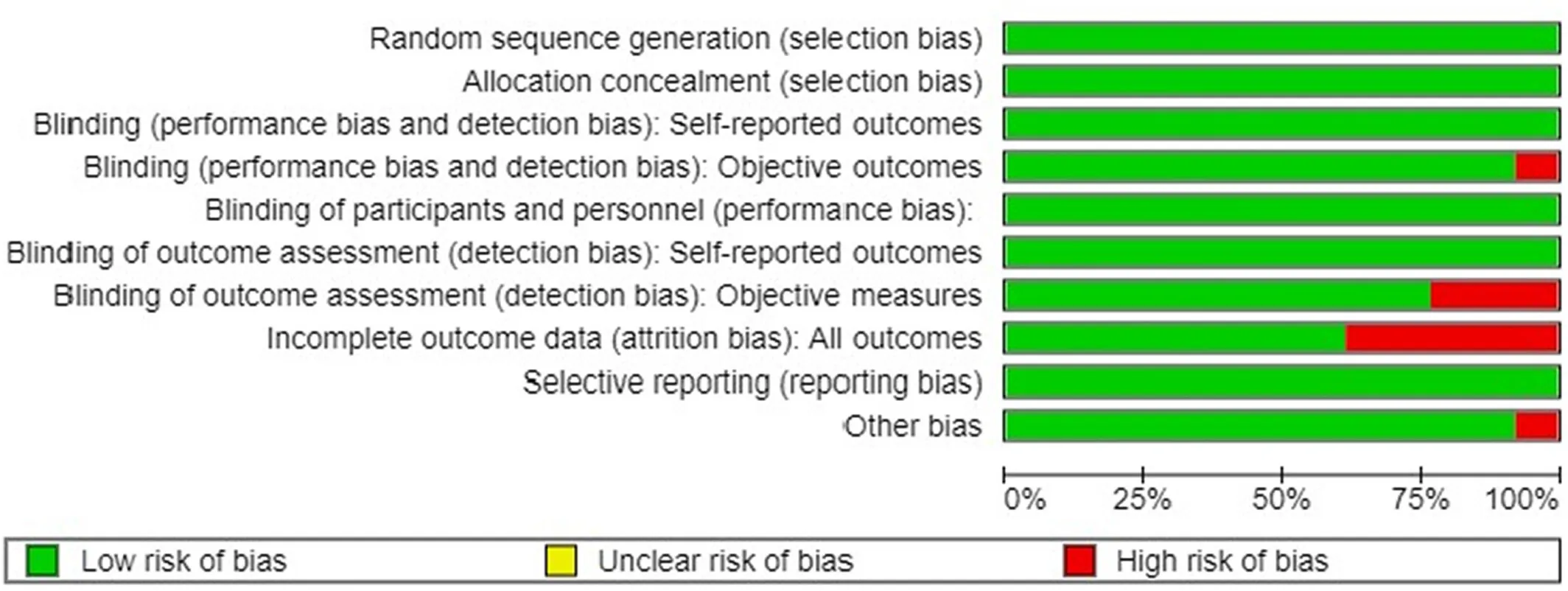
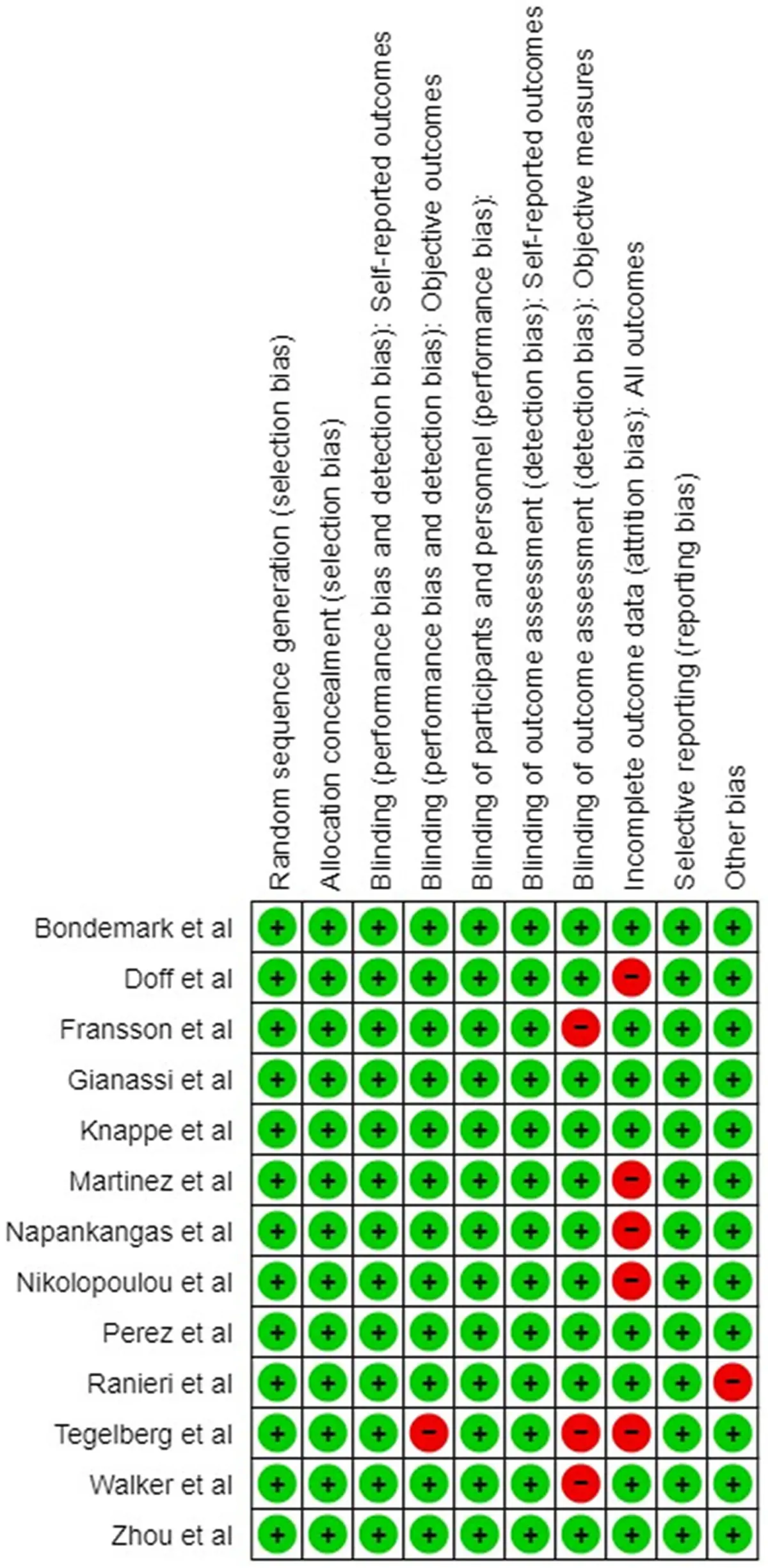
The overall quality of the included studies as per RoB-2 was good. Attrition bias was noted in five studies, and three studies reported high risk in outcome measures as TMDs were assessed solely based on subjective evaluation, as seen in Figures 2 and 3.
DISCUSSION
The findings presented in this review hold significance in terms of analysing and assessing the correlation between MAD therapy and the occurrence of TMD in cases of OSAS. The inclusion of studies with a wide publication period and age range ensures a comprehensive representation of the population under study. These collective characteristics allow for a more robust evaluation of the occurrence and impact of TMDs in this specific patient population. The varying effects of MAD treatment on TMD-related outcomes highlight the complexity of the relationship between MAD treatment for OSAS and TMD symptoms.
The significant reduction in TMD symptoms observed in some studies indicates the potential benefits of MAD treatment in alleviating TMD-related issues. However, the lack of significant changes in other studies emphasises the need for careful consideration of factors such as MAD appliance type, TMD assessment techniques, and follow-up duration. These findings contribute to the existing scientific knowledge in the field and have implications for clinical decision-making and further research on the association between MAD treatment for OSAS and TMD occurrence.
Bondemark et al.29 mentioned that subjects in their study had fewer episodes of headaches as a result of OSA, which could be because of a decrease in oxygen saturation. Joint sounds tended to increase in the 2 years of follow-up, but this was not significant. Doff et al.30 were the only study to have assessed patients at regular time periods of Baseline, 2 weeks, 15 weeks, and 27 weeks. Fransson et al.31 showed a dropout rate of 16%, suggesting good patient compliance. An interesting observation noted by Giannasi et al.32 was the reduction of tinnitus incidence with MAD usage. Fatigue was noted in 12 (35%) patients at baseline but reduced to two at follow-up. The study of Knappe et al.33 showed a significant amount of loss to follow-up in both short-term and long-term follow-up. The same observation was noted in the study of Martinez et al.,34 wherein only 15 out of 40 patients used MAD until the end of their follow-up. The study was also unique in that it was the only study to include patients who were diagnosed with TMD and found that the MAD intervention did not alter the prevalence even after 5 years. Only six patients remained in the study of Napankangas et al.35 out of 15 patients at the end of the study. A single examiner who was trained and experienced examined all subjects in the study of Nikolopoulou et al.36 The final size of Perez et al.37 was reduced to 85 from 167 samples. Yet, the study held credibility as a drop-out analysis was performed. Certain concerns about confounding factors were present in the study of Ranieri et al.,38 as it was hospital-based. Six and two cases presented with systemic hypertension and infarction out of 14 samples, respectively. The patients of Tegelberg et al.39 were categorised into 50% and 75% mandibular protrusion. However, no difference was noted between them in terms of TMD signs. 26% of dropouts were reported, and headaches remained for almost 1 year of treatment, which began to reduce in the follow-up phase. In the study of Walker et al.,40 TMJ pain was persistent in five samples with 75% protrusion. They were later switched to 50% protrusion. Headaches were consistently present throughout the treatment.
During the initial months of MAD therapy, there is evidence of a lower pain pressure threshold in the masticatory muscles and a higher incidence of pain, which tends to decrease over time.13-15, 30, 36 Studies have reported a reduction in both the incidence and prevalence of TMDs as well as a decrease in the number of dropouts during follow-up.38 It should be noted that CPAP, similar to MAD, may also induce orofacial pain in certain individuals, although no systematic investigation has been conducted on this topic.30 Further research is required to explore this association. TMD pain and dysfunction can manifest acutely, transiently, or chronically and may exist before or be exacerbated by treatment.42 Therefore, a gradual adjustment and advancement of the appliance, stopping at the minimum necessary advancement for managing OSAS, is recommended to facilitate adaptation of the masticatory structures.43 Increasing mandibular advancement does not consistently lead to significant improvement in success rates.13-15 Additionally, it has been observed that TMD symptoms typically arise in the early twenties and persist intermittently into middle age, with fluctuating patterns and eventual resolution over time.44 These findings offer a potential explanation for the disappearance of TMDs in some patients and the development of TMDs in others, considering the age range of the reviewed studies in our investigation.29-41 Furthermore, TMDs are known to occur more frequently in women than men,44-46 whereas OSAS is more prevalent in men than women.47, 48 Among the studies included in the review, three exclusively analysed male patients, while the others comprised a mixed population with a higher proportion of males compared to females.36, 39, 40
CPAP is considered the gold standard treatment for Obstructive sleep apnea syndrome (OSAS). CPAP therapy involves using a machine that delivers a continuous flow of air through a mask, keeping the airway open during sleep and preventing apnea episodes.1, 3, 4, 49 CPAP is highly effective for many individuals with OSAS and is often the first-line treatment prescribed by sleep specialists. However, despite its effectiveness, CPAP therapy may not be suitable or well tolerated by all OSAS patients. Some individuals may find it challenging to adjust to wearing the CPAP mask during sleep, experience discomfort, or feel claustrophobic. Compliance with CPAP can be an issue for some patients, leading to suboptimal treatment outcomes. In such cases, the MAD can serve as a useful alternative or adjunctive therapy for OSAS patients. While it may not be considered the gold standard, the MAD has several advantages and can be a valuable treatment option in such situations.
However, the therapy for OSAS with MADs is typically considered to be long-term or lifelong, as the condition often persists throughout a person's life. This calls for regular follow-up with a dentist and periodic monitoring of MADs. The effectiveness of MAD therapy can vary among individuals. Periodic follow-up visits with the dentist allow for an evaluation of the device's efficacy in managing OSAS symptoms. Adjustments to the device may be necessary based on the patient's response and any changes in sleep apnea severity. MADs are custom-made for each patient to ensure a proper fit and optimal effectiveness. Over time, changes in the dental or oral structures may occur, affecting the MAD's fit and function. Regular check-ups allow the dentist to adjust or modify the device as needed to maintain its effectiveness. MADs can sometimes cause side effects such as jaw discomfort, tooth movement, or changes in bite alignment. Regular follow-up visits enable the dentist to identify and address any emerging side effects promptly. Adjustments or modifications can be made to minimise discomfort and ensure the device remains tolerable and effective for the patient.
Another factor to be considered is the use of MAD in Class III malocclusion. MAD is not commonly given in Class III malocclusion cases. The MAD works by holding the lower jaw (mandible) in a more forward position during sleep to open the airway and reduce airway obstruction. While it may temporarily advance the mandible, its effects are limited to dental adjustments and do not have a significant impact on skeletal discrepancies. Class III malocclusion involves a mismatch in the size and positioning of the upper and lower jaws, which requires more comprehensive orthodontic or surgical interventions for correction.
Despite the valuable insights provided by the included studies in this review, there are several limitations that should be acknowledged. Firstly, the studies encompassed various publication years, indicating potential heterogeneity in terms of advancements in MAD treatment and diagnostic methodologies over time. Secondly, the diverse sample sizes across the studies introduce variability in the statistical power and precision of the estimates. Additionally, the mean age of participants varied, which may influence the generalizability of the findings across different age groups. The gender ratio, although reported differently among the studies, suggests a potential imbalance in the representation of males and females, limiting the generalizability of the findings to the broader population. Moreover, the studies employed different study designs, TMD assessment techniques, OSAS assessment techniques, MAD appliance types, and follow-up periods, which may contribute to inconsistencies and challenges in comparing the results across studies. The limitations in the TMD assessment techniques, such as the use of questionnaires or unspecified methods, may introduce measurement bias and affect the accuracy of the reported TMD outcomes. Lastly, the follow-up periods varied, ranging from months to years, which may impact the detection of the long-term effects of MAD treatment on TMD symptoms. Considering these limitations, cautious interpretation of the collective findings is necessary, and further well-designed studies with standardised methodologies are warranted to strengthen the evidence base in this area.
CONCLUSION
The overall findings indicate that MAD treatment for OSAS has varying effects on TMD-related outcomes. Some studies demonstrated a significant reduction in the severity and frequency of TMD symptoms following MAD treatment, particularly with the use of monobloc, hard, and heat-cured appliances. However, other studies did not observe significant changes in TMD symptoms or TMJ-related parameters. The type of MAD appliance, TMD assessment techniques, and follow-up duration emerged as potential factors influencing the treatment outcomes. Temporary increases in TMJ-related pain or symptoms at the beginning of the follow-up period were reported in some studies but later subsided. While the overall findings suggest a potential positive impact of MAD treatment on TMD symptoms, the variability across studies underscores the need for further research with standardised methodologies. Future studies should aim to address the limitations identified and provide a more robust understanding of the relationship between MAD treatment for OSA and the occurrence of TMDs.
AUTHOR CONTRIBUTIONS
Giuseppe Minervini: Conceptualization, methodology, software, validation, formal analysis, investigation; data curation, writing—original draft preparation, writing—review and editing, supervision. Mohammad Khursheed Alam: Conceptualization, software, validation, formal analysis. Usha Hegde: writing—original draft preparation, visualisation Mangesh Shenoy Panakaje: investigation; data curation. Gabriele Cervino: writing—review and editing, supervision. All authors have read and agreed to the published version of the manuscript.

Need help ?
Schedule your initial consultation today and start your journey towards a pain-free, healthier smile. Contact us now!
Blog Suggestions
How Oral Health Could Be a Hidden Key to Protecting Your Brain & Heart
People with poor oral health (gum disease + cavities) also had a 36% higher risk of major cardiovascular events (like heart attack, fatal heart disease) vs. those with good oral health.
The Overlooked Connection Between Oral Health and Cancer
When we think of oral health, the mind often jumps to cavities, gum disease, or bad breath. But emerging evidence suggests that the health of our mouth is deeply linked to our overall systemic well-being — including the risk of developing cancer.
The Connection Between Nutrition and Oral Health
As dental professionals, we understand that oral health is not just about cleanings and checkups — it’s a reflection of a patient’s overall well-being. While daily brushing, flossing, and regular exams remain the foundation of preventive care, there’s another essential piece of the puzzle that often goes underappreciated: nutrition.
Advancements in Home Sleep Apnea Testing: Balancing Comfort with Clinical Precision
Polysomnography (PSG) performed in a sleep laboratory remains the benchmark for diagnosing sleep-related breathing disorders (SRBD).