
Sleep Apnea, Heart Attack, Stroke & Oral Appliance Therapy
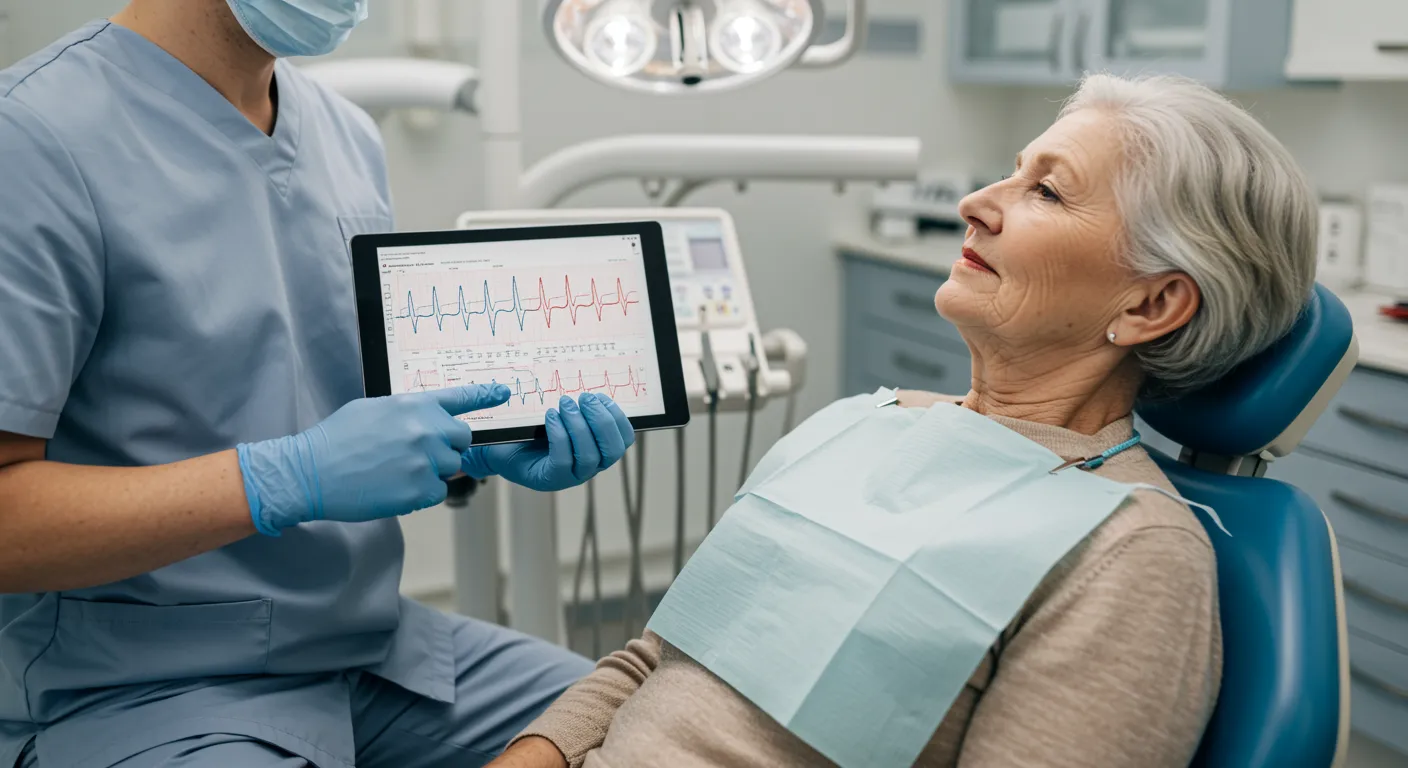
Sleep is a fundamental biological process essential for restoring both physical and mental health. When sleep is disrupted or nonrestorative, the consequences extend beyond daytime fatigue—they can also contribute to serious medical conditions. In particular, the associations among nonrestorative sleep, sleep apnea, and major adverse cardiac and cerebrovascular events (MACCE) have gained attention in recent years. At Arch Dental of Woodbury, and with the innovative support of platforms like Appnea.ai, patients now have access to oral appliance therapy as a comfortable, effective option for addressing these issues.
Nonrestorative Sleep and Its Impacts
Nonrestorative sleep (NRS) refers to the subjective feeling of unrefreshing rest despite sleeping for an adequate duration. Unlike simple sleep deprivation, NRS leaves individuals waking up tired, mentally foggy, and physically drained. It has been increasingly recognized as an independent risk factor for poor health outcomes. Chronic NRS is linked to hormonal imbalances, persistent inflammation, and cardiovascular strain—all of which compromise longterm heart and brain health.
Your oral health is more important than you might realize. It's not just about having a bright smile, it's about maintaining your overall well-being. Regular dental check-ups, proper brushing and flossing, and a healthy diet can prevent many dental issues.

Sleep Apnea and Cardiovascular Risks
Obstructive sleep apnea (OSA) is one of the most common sleep disorders worldwide. It occurs when the airway repeatedly collapses during sleep, causing breathing pauses, oxygen drops, and fragmented sleep. These interruptions trigger stress responses in the body that can worsen high blood pressure, increase the risk of heart disease, and contribute to stroke.
For many patients, CPAP therapy has long been considered the standard treatment. However, CPAP isn’t always tolerated well, leaving people searching for alternatives. Oral appliance therapy—custom devices worn during sleep that reposition the jaw to keep the airway open—offers a comfortable, portable, and effective solution. At Arch Dental of Woodbury, patients can be fitted with these custom oral appliances, which have been proven to improve sleep quality, oxygenation, and overall well-being.
Connecting NRS, Sleep Apnea, and Cardiac Events
MACCE includes serious outcomes such as heart attack, stroke, hospitalization for heart failure, and cardiovascular-related death. Both NRS and sleep apnea independently increase the risk of these events, and when they occur together, the risks multiply
Sleep Apnea as a Driver of NRS
Apnea prevents deep, restorative sleep, making it one
of the primary contributors to NRS.
NRS as a Predictor of MACCE
Nonrestorative sleep is itself a predictor of increased cardiac and cerebrovascular risks, largely due to stress hormone activation and inflammation.
Synergy of Risks
The combination of apnea and NRS creates a dangerous cycle that magnifies cardiovascular risk
The Role of Oral Appliance Therapy
Oral appliance therapy, offered at Arch Dental of Woodbury, provides a practical and effective solution for patients with sleep apnea who want an alternative to CPAP. These custom-fitted devices help restore proper breathing, improve sleep quality, and reduce the cardiovascular burden associated with untreated apnea.
With tools like Appnea.ai, patients can benefit from advanced screening, monitoring, and personalized treatment recommendations. This integration of technology with dentistry allows for better diagnosis, follow-up, and long-term outcomes.
Conclusion
The associations among nonrestorative sleep, sleep apnea, and major adverse cardiac and cerebrovascular events highlight the importance of timely and effective treatment. Oral appliance therapy has emerged as a patient-friendly, evidence-based solution that not only improves sleep but also protects long-term heart and brain health.
At Arch Dental of Woodbury, in collaboration with innovative platforms like Appnea.ai, patients can access customized care designed to restore restful sleep and safeguard overall health. Addressing sleep apnea early can transform quality of life while reducing the risks of lifethreatening cardiovascular and cerebrovascular conditions.

Need help ?
Schedule your initial consultation today and start your journey towards a pain-free, healthier smile. Contact us now!
Blog Suggestions

Dementia and Sleep Apnea
Dementia, a cognitive decline that affects memory and other mental functions, is often linked with sleep disturbances such as sleep apnea. Sleep apnea is characterized by interrupted breathing during sleep, leading to fragmented, nonrestorative sleep. This can result in excessive daytime sleepiness, which may accelerate the progression of dementia by impairing cognitive function and promoting brain inflammation.
Can Mandibular Advancement Devices (MADs) Cause or Worsen TMJ Problems in Sleep Apnea Patients?
Obstructive Sleep Apnea Syndrome (OSAS) is a common sleep-related breathing disorder often managed with Continuous Positive Airway Pressure (CPAP) or Mandibular Advancement Devices (MADs).
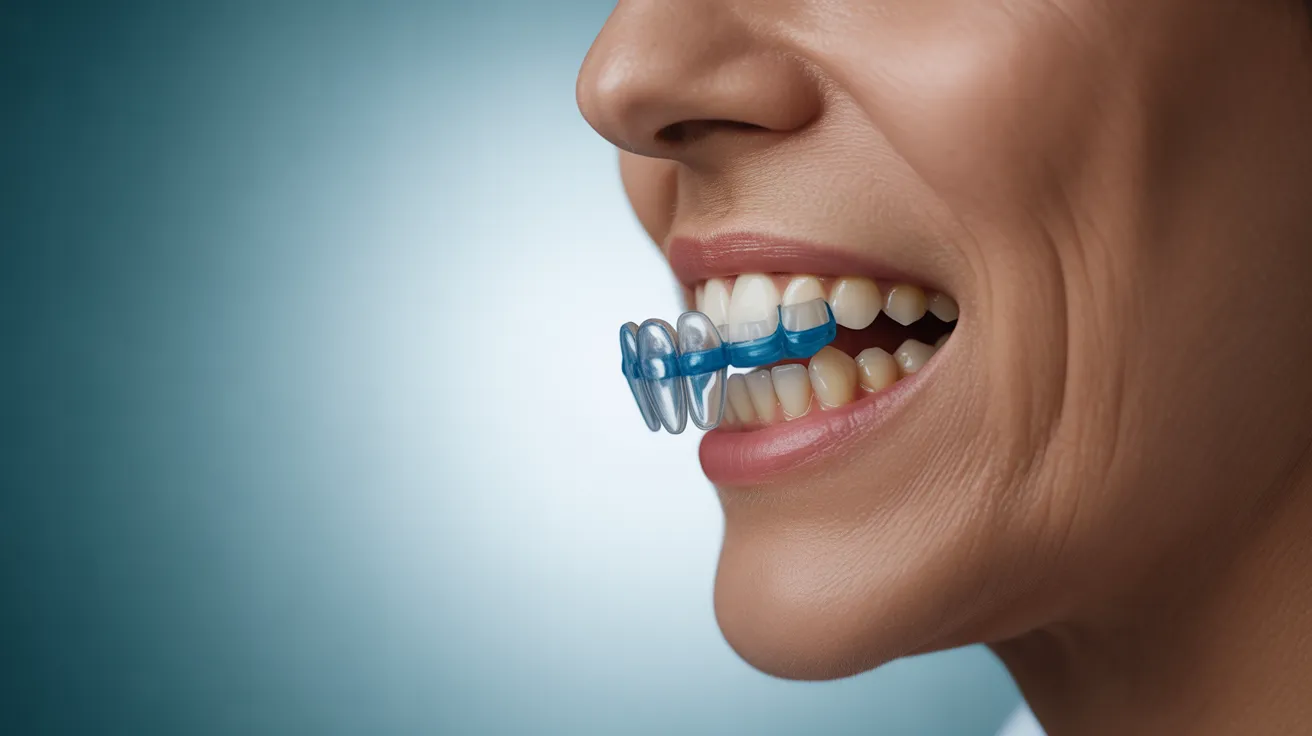
TMD in OSAS Patients
The pathophysiology of OSAS involves a combination of anatomical factors such as a narrowed pharyngeal airway, increased collapsibility of soft tissues and reduced neuromuscular tone.
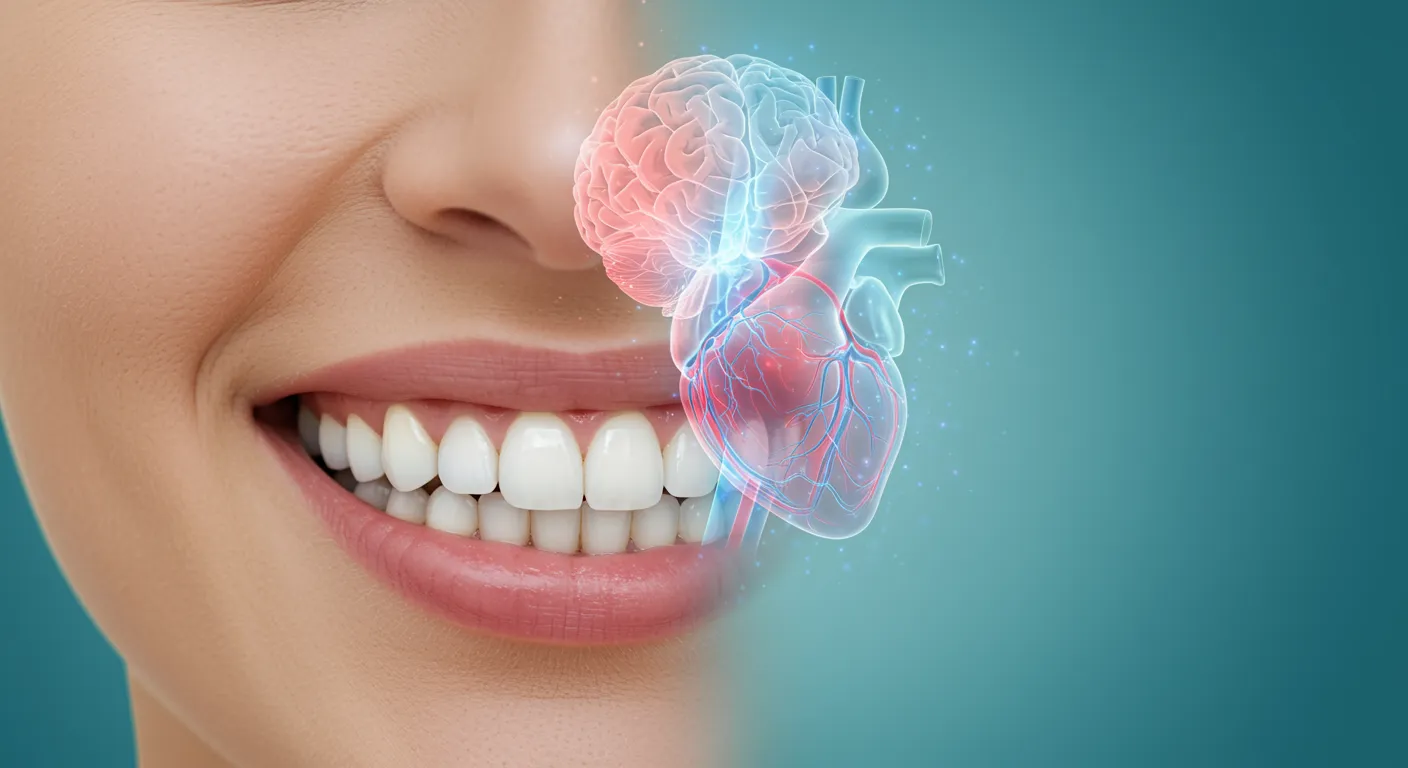
How Oral Health Could Be a Hidden Key to Protecting Your Brain & Heart
People with poor oral health (gum disease + cavities) also had a 36% higher risk of major cardiovascular events (like heart attack, fatal heart disease) vs. those with good oral health.