
Why Airway Orthodontics Is Going Mainstream And What That Means for Your Practice
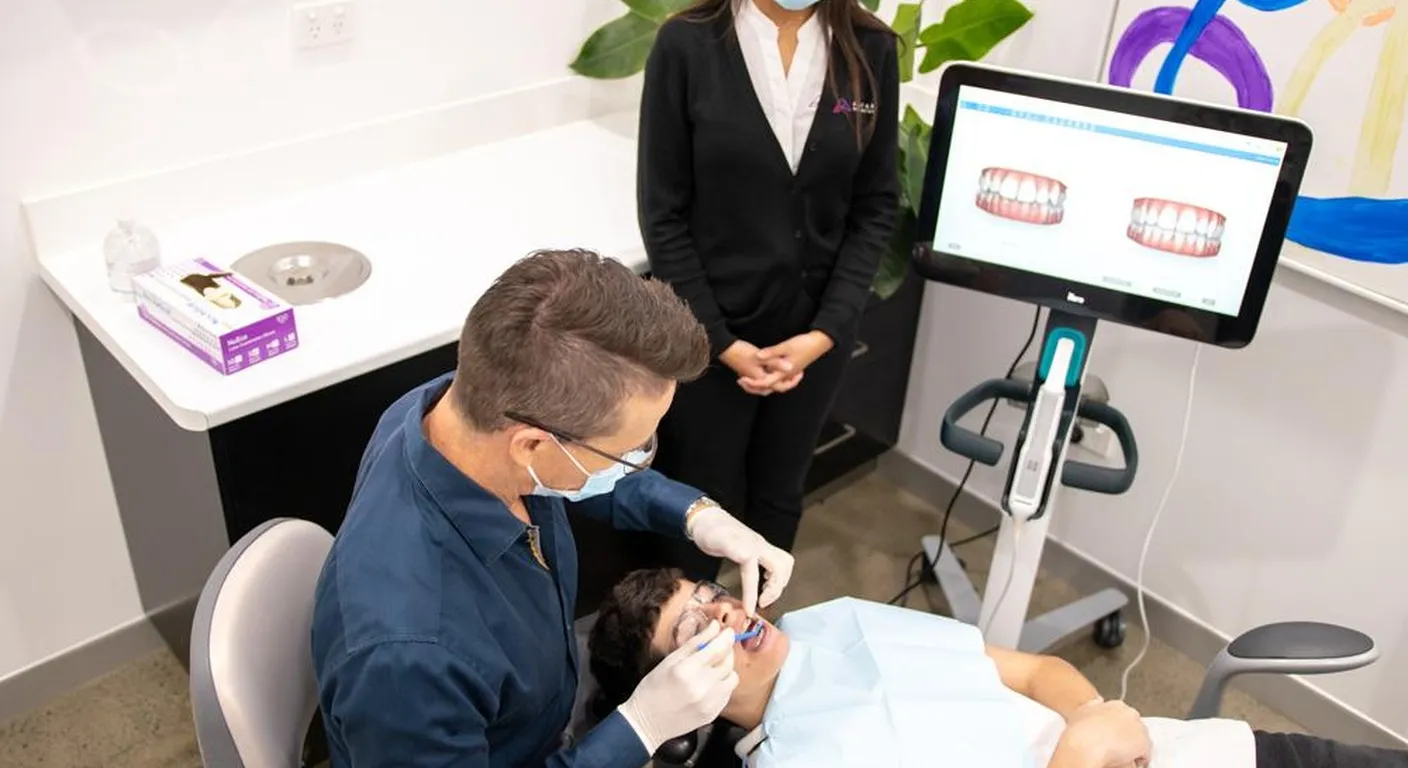
For most of its history, orthodontics answered a fairly narrow question: how do we make teeth straight? Airway orthodontics reframes the question. It asks how the growth of the jaws, the position of the tongue, and the shape of the airway influence not just the smile but how a patient breathes and sleeps. What was once a niche interest at the edges of the profession is now appearing in mainstream continuing education, study clubs, and referral conversations between dentists, orthodontists, and sleep physicians.
That shift is not a fashion. It is being pushed by a growing awareness that sleep-disordered breathing often has structural roots that show up early, in the mouth, years before anyone orders a sleep study. For a dental practice, that changes what you look for, who you talk to, and how you describe the value of what you do.
What Airway Orthodontics Actually Is
Airway orthodontics is an approach that treats the developing dentofacial complex as part of the breathing system rather than a separate cosmetic project. Its tools are largely familiar—arch expansion, guidance of jaw growth in children, myofunctional therapy, and in adults, appliances and coordinated care. What is different is the intent behind them: to support nasal breathing, adequate tongue space, and an airway that stays open during sleep, alongside the traditional goals of alignment and occlusion.
Your oral health is more important than you might realize. It's not just about having a bright smile, it's about maintaining your overall well-being. Regular dental check-ups, proper brushing and flossing, and a healthy diet can prevent many dental issues.
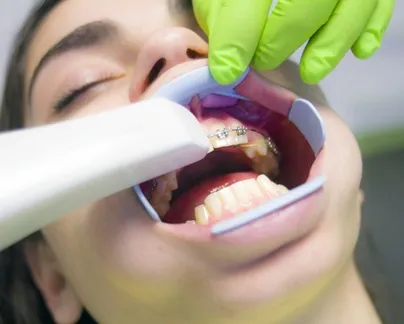
It is not a rejection of conventional orthodontics. It is a wider lens applied to the same anatomy, and the distinction matters because the wider lens changes which findings a clinician treats as significant.
Why It Is Going Mainstream
Several currents are converging at once, and it helps to separate them because they reinforce each other.
A maturing evidence base:
Research linking craniofacial structure, nasal resistance, and sleep-disordered breathing has grown steadily. The mechanisms connecting narrow arches, low tongue posture, and airway collapse are better understood than they were a decade ago, which gives clinicians a rationale rather than an anecdote.
Rising patient awareness:
Patients now arrive having read about mouth breathing, snoring, and sleep apnea. They ask whether their child's crowding or their own fatigue could be related to breathing. Demand is pulling the conversation forward as much as the science is pushing it.
Interdisciplinary referral:
Sleep physicians, ENTs, myofunctional therapists, and dentists increasingly co-manage the same patients. Airway orthodontics sits naturally at the center of that network, and referral relationships are normalizing the approach.
Better tools:
Cone-beam imaging, intraoral scanning, and home sleep testing have made airway assessment more accessible in a general practice than it used to be, lowering the barrier to paying attention to it.
The Evidence Is Real but Still Maturing
Honesty about the science is what will keep this credible. There is strong evidence that craniofacial anatomy contributes to airway risk, and good evidence that interventions such as rapid maxillary expansion can improve nasal breathing in selected children. There is far less high-quality long-term data proving that early orthodontic intervention reliably prevents adult obstructive sleep apnea. The responsible position is that airway orthodontics is a promising, mechanistically sound approach that is still assembling its outcome evidence—not a settled cure. Practices that oversell it will eventually be corrected by the literature.
Where It Fits in a Dental Practice
The most valuable role for most general practices is not heroic treatment but early recognition.
Screening:
Dentists see children and adults on a recall schedule no other clinician matches. Noticing mouth breathing, tongue-tie, narrow arches, enlarged tonsils, and daytime symptoms positions the practice as the earliest point of detection.
Early guidance in children:
Growth is an opportunity that closes. Identifying developmental issues while the jaws are still forming allows for interception that is impossible later, whether that is expansion, habit correction, or timely referral.
Adult appliances and coordination:
For adults, the practice's contribution is often oral appliance therapy for diagnosed sleep apnea and coordination with the sleep physician, rather than remodeling of a mature skeleton.
Collaboration:
Knowing when to refer to an orthodontist, ENT, or sleep physician—and doing it early—is itself a clinical skill and the safest way to practice airway-aware dentistry.
What This Means for Your Practice
Treating airway orthodontics as a strategic direction, rather than a single service, is where the practical value sits.
New referral streams:
Becoming the local practice that recognizes airway issues generates referrals both inward from parents and outward to specialists who reciprocate.
Team training:
Hygienists and assistants are ideally placed to screen. A short, consistent set of questions and observations turns every recall visit into a detection opportunity.
Scope and documentation:
Airway-aware practice raises real questions about diagnosis, scope, and record-keeping. Diagnosing sleep apnea remains a physician's role; the dentist screens, refers, and treats within scope, and documents that boundary carefully.
Patient communication:
The message that resonates is not fear but function—how a patient breathes and sleeps affects how they feel, and the mouth is where some of that story is written first.
The Risk of Overreach
The same momentum that makes airway orthodontics mainstream also creates a temptation to overclaim. Promising that expansion will cure a child's future apnea, diagnosing sleep disorders without a physician, or treating every malocclusion as an airway emergency all damage patients and the field's credibility. The strongest version of this practice is measured: it screens diligently, refers appropriately, treats within its evidence, and stays honest about what remains unproven.
How to Start Responsibly
A practice does not need to reinvent itself overnight. Begin with education for the whole team, add a simple airway and sleep screening to the standard health history, build relationships with a sleep physician and an ENT before you need them, and invest in the imaging and training that let you assess rather than guess. Grow the clinical component only as competence and evidence justify it.
Final Thoughts
Airway orthodontics is going mainstream because it connects things dentistry was already seeing—crowding, mouth breathing, fatigue, snoring—into a coherent story about breathing and sleep. For a practice, the opportunity is less about adopting a dramatic new treatment and more about seeing familiar patients differently: recognizing airway risk early, collaborating across disciplines, and communicating value in terms of health rather than appearance. Done with discipline and honesty about the evidence, it is one of the clearest ways a modern dental practice can matter more to the patients it already serves.

Need help ?
Schedule your initial consultation today and start your journey towards a pain-free, healthier smile. Contact us now!
Blog Suggestions
Prevention of Temporomandibular Disorders in OSA Patients Referred for Oral Appliance Therapy
How to keep jaw joint problems from derailing oral appliance therapy — baseline TMD screening before the appliance is made, appliance design and titration discipline, early review in the first ninety days, and what the referral loop needs to communicate.

When a Kid's Bad Behavior Is Actually a Hidden Sleep Disorder
Hyperactivity and trouble focusing in children can be the daytime face of sleep-disordered breathing. How dental teams can screen for it during a routine pediatric visit, raise it with parents without overstepping into diagnosis, and build the referral pathway that follows.
Do Oral Appliances Stay Under the Medicare DME Benefit in 2026?
CMS did not move oral appliance coverage off the DME benefit for 2026, after signalling in the CY2025 proposed rule that it was considering exactly that. What would have changed, why it did not, and what to watch next cycle.
Why E0486 Claims Get Denied — and the Checklist That Fixes It
Most E0486 denials are documentation failures, not coverage failures. A four-element checklist covering the letter of medical necessity, diagnostic AHI, documented CPAP intolerance, and custom-titratable device language.