
Obstructive Sleep Apnea Warning Signs, and How to Know If You Have It

Many people think snoring is harmless. However, loud snoring, daytime fatigue, and poor sleep quality can sometimes be signs of a more serious condition called Obstructive Sleep Apnea (OSA).
Obstructive Sleep Apnea is one of the most common sleep disorders, affecting millions of adults worldwide. Unfortunately, many people remain undiagnosed because they mistake the symptoms for normal tiredness or aging.
If you've been waking up exhausted despite getting a full night's sleep, here's what you should know about Obstructive Sleep Apnea and how to recognize the warning signs.
What Is Obstructive Sleep Apnea?
Your oral health is more important than you might realize. It's not just about having a bright smile, it's about maintaining your overall well-being. Regular dental check-ups, proper brushing and flossing, and a healthy diet can prevent many dental issues.

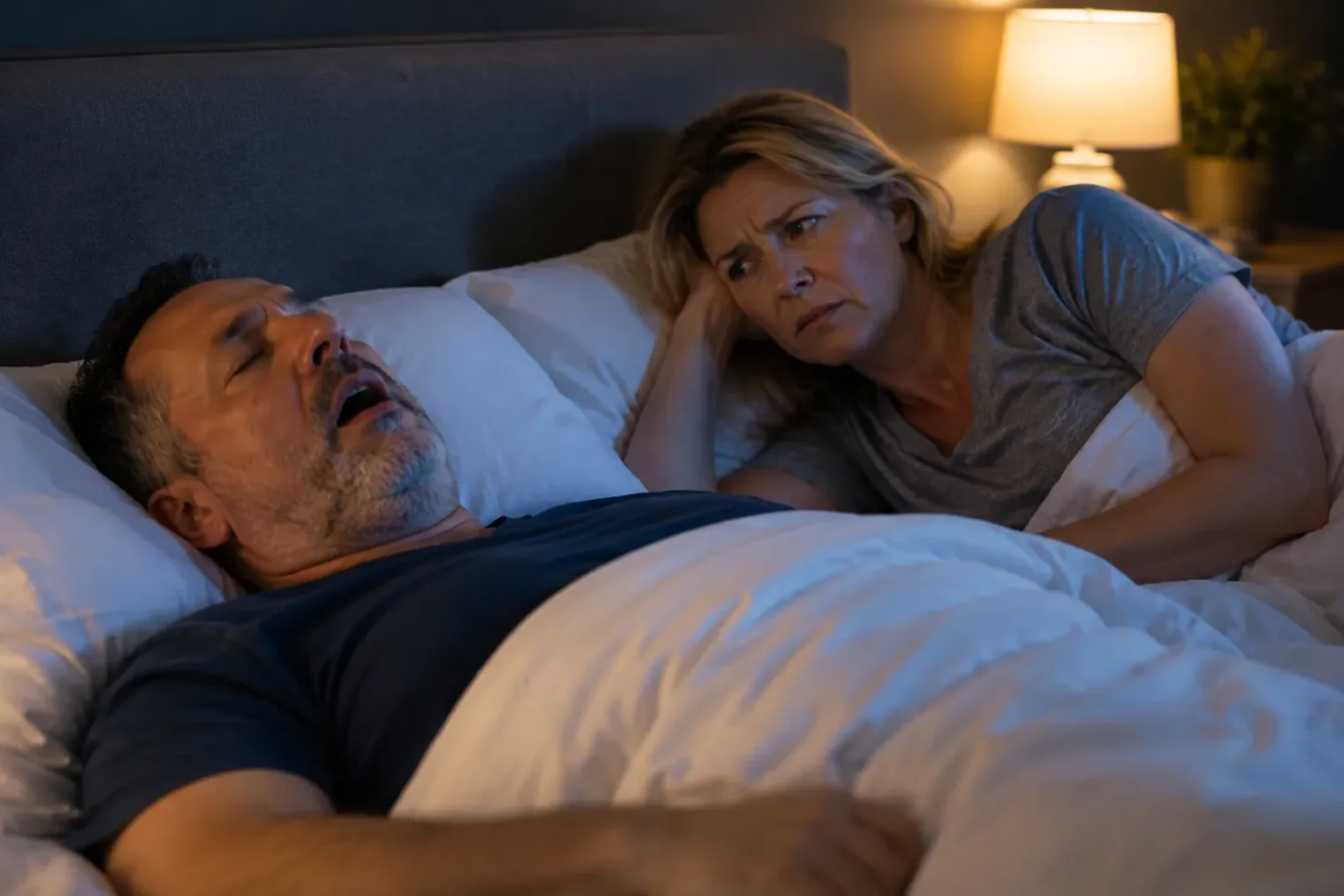
Obstructive Sleep Apnea occurs when the muscles in the back of your throat relax too much during sleep.
When this happens:
- The airway becomes partially or completely blocked
- Breathing repeatedly stops and starts throughout the night
- Oxygen levels drop
- The brain briefly wakes the body to restart breathing
These interruptions can happen dozens or even hundreds of times per night without you realizing it. As a result, your sleep becomes fragmented, preventing your body from reaching the deep restorative stages needed for proper recovery.
Common Symptoms of Obstructive Sleep Apnea
One of the biggest challenges with OSA is that many symptoms occur while you're asleep.
Common warning signs include:
- Loud, chronic snoring
- Gasping or choking during sleep
- Pauses in breathing witnessed by a partner
- Morning headaches
- Dry mouth upon waking
- Excessive daytime sleepiness
- Difficulty concentrating
- Irritability or mood changes
- Poor memory and focus
Many patients report feeling tired throughout the day even after spending 7-8 hours in bed.
Who Is Most at Risk?
While anyone can develop sleep apnea, certain factors increase the risk.
These include:
- Being overweight or obese
- Having a larger neck circumference
- Being over age 40
- Family history of sleep apnea
- Smoking
- Excessive alcohol consumption
- Nasal congestion or airway issues
- High blood pressure
Men are generally more likely to develop OSA, but women can also be affected, particularly after menopause.
Why Sleep Apnea Should Never Be Ignored
Many people assume sleep apnea is simply a snoring problem. In reality, untreated OSA can contribute to serious health complications, including:
- High blood pressure
- Heart disease
- Stroke
- Type 2 diabetes
- Irregular heart rhythms
- Depression and anxiety
- Increased risk of accidents due to daytime fatigue
Because oxygen levels repeatedly drop during sleep, the heart and cardiovascular system experience significant strain over time. Early diagnosis and treatment can greatly reduce these risks.
How Is Obstructive Sleep Apnea Diagnosed?
The most effective way to determine whether you have sleep apnea is through a professional sleep evaluation.
Your healthcare provider may recommend:
- A sleep consultation
- Home sleep apnea testing
- Overnight sleep study (Polysomnography)
During testing, specialists monitor:
- Breathing patterns
- Oxygen levels
- Heart rate
- Sleep stages
- Body movements
The results help determine whether OSA is present and how severe the condition may be.
Treatment Options for Obstructive Sleep Apnea
Fortunately, sleep apnea is highly treatable. Depending on the severity of your condition, treatment options may include:
- Lifestyle and weight management
- CPAP (Continuous Positive Airway Pressure) therapy
- Oral appliance therapy
- Positional sleep therapy
- Airway surgery in selected cases
Many patients experience dramatic improvements in energy levels, focus, mood, and overall health after beginning treatment.
How Do You Know If You Have Sleep Apnea?
Ask yourself the following questions:
- Do you snore loudly most nights?
- Has someone noticed pauses in your breathing while sleeping?
- Do you wake up tired despite sleeping enough hours?
- Do you struggle with daytime sleepiness?
- Do you often wake with headaches or a dry mouth?
If you answered "yes" to several of these questions, it may be time to speak with a sleep specialist.
Why Early Diagnosis Matters
The sooner sleep apnea is identified, the sooner treatment can begin.
Early diagnosis can help:
- Improve sleep quality
- Increase daytime energy
- Reduce cardiovascular risks
- Improve concentration and productivity
- Enhance overall quality of life
Many patients are surprised by how much better they feel once their sleep apnea is properly treated.
Learn More About Sleep Apnea Testing and Treatment
If you're concerned about snoring, fatigue, or interrupted sleep, explore your options here: /services/sleep-apnea-treatment
A professional evaluation can help determine whether sleep apnea is affecting your health and what treatment may be right for you.
Schedule a Sleep Consultation Today
Don't ignore the signs of poor sleep. If you suspect you may have Obstructive Sleep Apnea, schedule a consultation with a sleep specialist today.
A proper diagnosis could be the first step toward better sleep, better health, and a better quality of life.

Need help ?
Schedule your initial consultation today and start your journey towards a pain-free, healthier smile. Contact us now!
Blog Suggestions

CPAP vs. oral appliance: which sleep apnea treatment is right for you?
CPAP and custom oral appliances are the two first-line OSA therapies. CPAP lowers AHI more powerfully, while oral appliances win on real-world adherence and comfort.
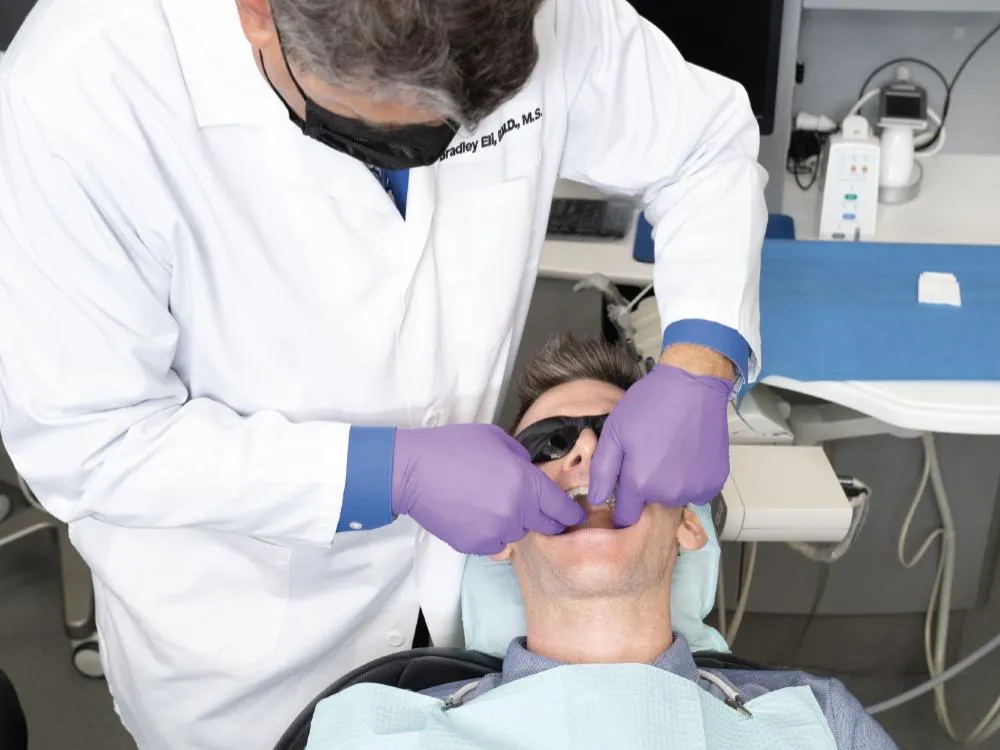
How does a SomnoMed oral appliance work for sleep apnea?
A SomnoMed oral appliance is a custom-fitted mandibular advancement device that holds the lower jaw forward during sleep, enlarging the airway and preventing apneic collapse.
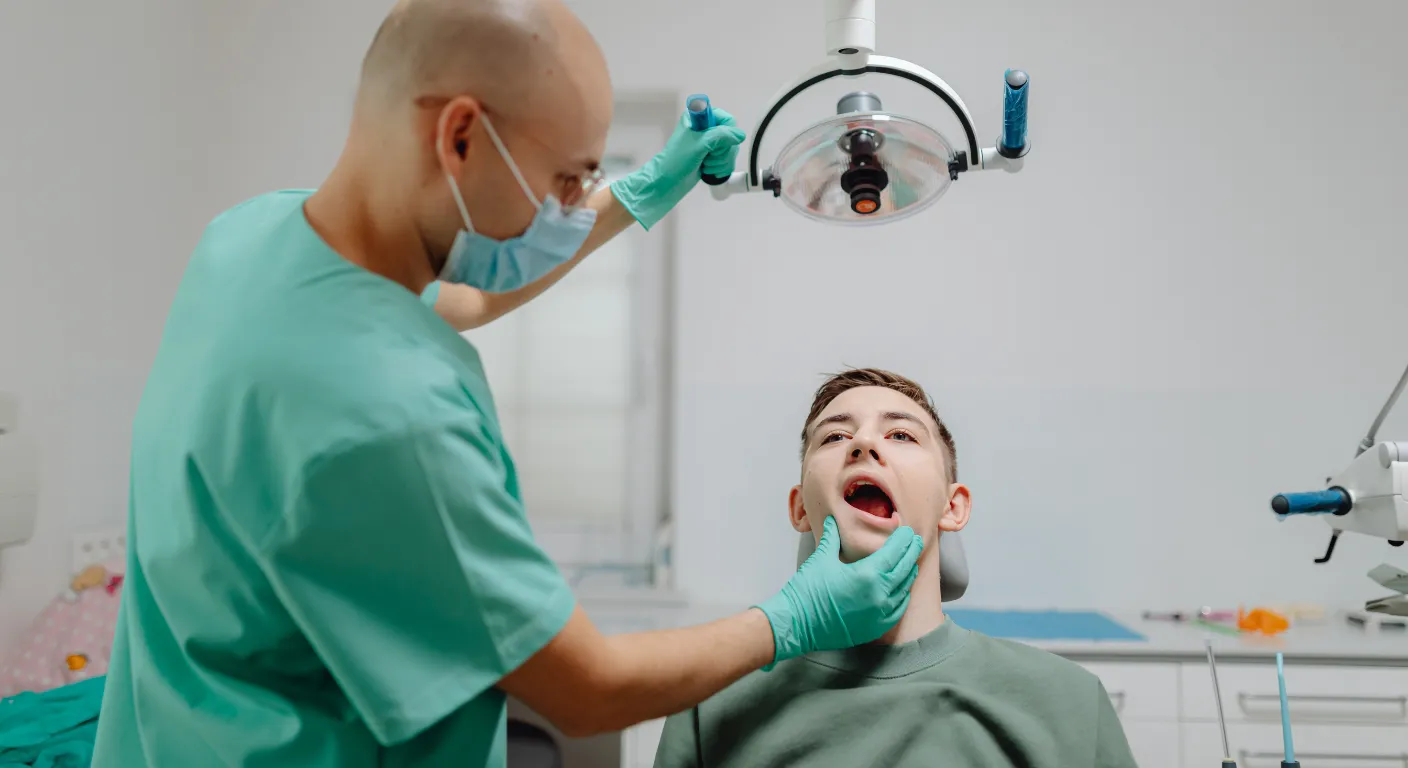
How do you screen dental patients for obstructive sleep apnea?
Screening dental patients for obstructive sleep apnea combines a validated questionnaire, a focused airway examination, and a clear referral trigger.
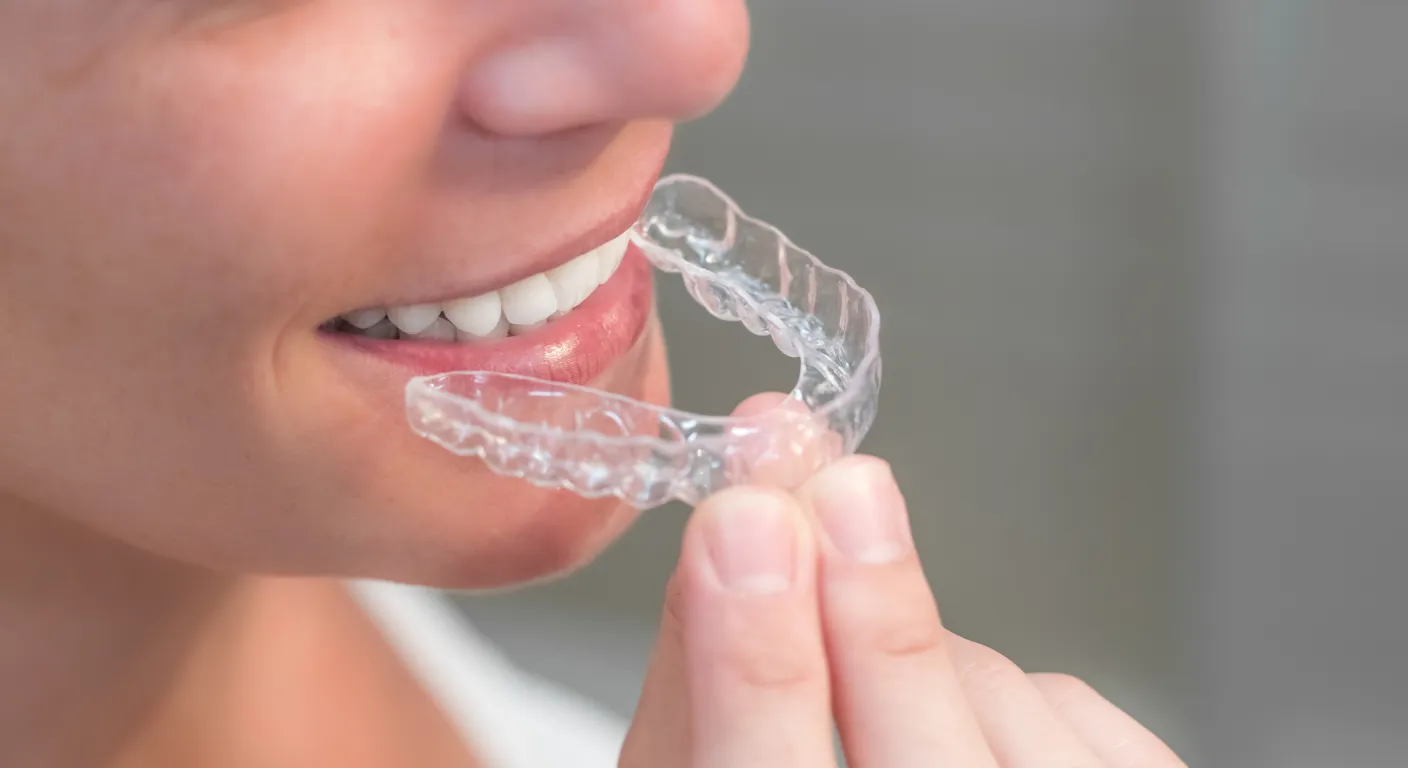
What are the AASM/AADSM guidelines for oral appliance therapy in 2026?
A patient-friendly guide to the current AASM and AADSM recommendations for oral appliance therapy in 2026, covering diagnosis, custom titratable appliances, physician-dentist collaboration, follow-up testing, and what's new with the GRADE methodology.