
When Payers Require an Appliance Trial Before Hypoglossal Nerve Stimulation
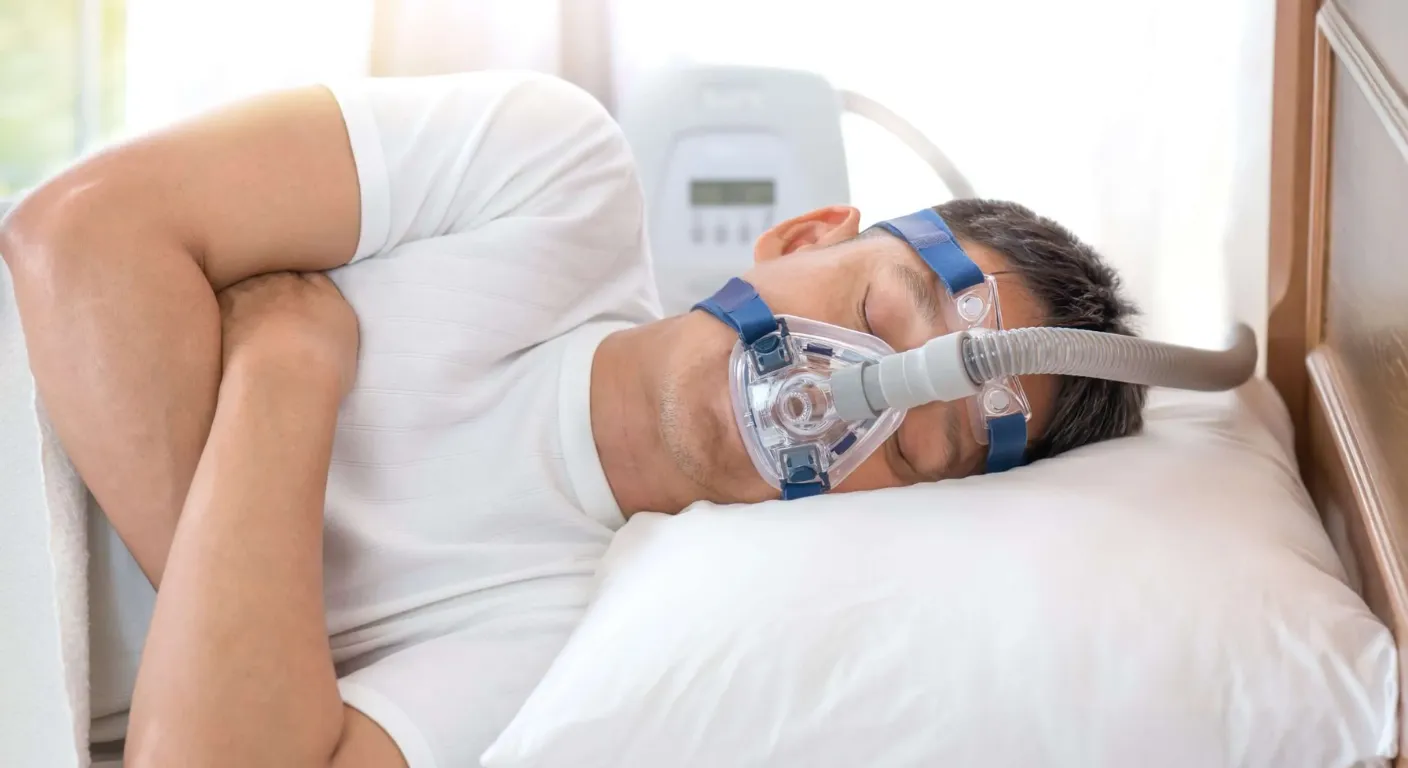
A growing number of commercial payers require documented failure of oral appliance therapy before authorising hypoglossal nerve stimulation. Because implantable neurostimulation carries a device and procedure cost an order of magnitude above an oral appliance, payers have positioned appliance therapy as a step-therapy gate. For dental sleep practices this creates a defined, referable role inside a pathway that leads somewhere other than the dental office — and practices that position themselves inside it well receive steady referrals from surgical and sleep medicine colleagues.
Why Payers Built This Gate
Hypoglossal nerve stimulation is an established therapy for selected patients with moderate-to-severe OSA who cannot tolerate CPAP. It is also expensive, surgical, and irreversible in ways an appliance is not. Payers reviewing authorisation requests apply the standard logic of step therapy: demonstrate that a lower-cost, lower-risk, reversible option was genuinely attempted and did not succeed. Typical commercial criteria for hypoglossal nerve stimulation include a diagnosis within a specified AHI range, a body mass index ceiling, documented CPAP failure or intolerance, drug-induced sleep endoscopy confirming an absence of complete concentric collapse at the palate, and — increasingly — documented failure of oral appliance therapy.
The clinical logic is defensible. A patient whose OSA is adequately controlled by a titratable appliance does not need an implant. The problem is that a poorly executed appliance trial satisfies neither the payer nor the patient, and wastes months.
Your oral health is more important than you might realize. It's not just about having a bright smile, it's about maintaining your overall well-being. Regular dental check-ups, proper brushing and flossing, and a healthy diet can prevent many dental issues.
What Counts as a Documented Appliance Failure
This is the crux. A payer will not accept "the patient tried an appliance and it did not work." A defensible failure record includes:
- A custom, titratable device. A prefabricated or non-adjustable appliance does not constitute an adequate trial, and reviewers check.
- A documented titration sequence with dates, protrusive positions, and patient response at each step, showing that the device was advanced to the point of clinical stability or maximum comfortable protrusion.
- Adequate duration. A trial of several weeks through titration plus a period at the final position is the minimum that reads as genuine.
- Adherence documentation. Where the patient did not wear the device, that must be characterised: intolerance with specific reasons, or non-use, which is a different finding.
- Objective efficacy testing at the titrated position. A home sleep apnea test with the appliance in place showing residual AHI above the treatment target is the strongest single piece of evidence, and it is what converts a subjective account into a payer-acceptable failure.
- A clear statement of the failure mode: inadequate AHI reduction despite optimal titration, intolerable temporomandibular or dental side effects, inability to retain the device due to dentition, or a combination.
The distinction that matters most: therapeutic failure at an adequately titrated position is a strong basis for advancing to neurostimulation. Non-adherence without documented intolerance is not, and payers deny on it.
Positioning the Practice Inside the Pathway
The referral relationship works when the surgical team understands what the dental practice contributes and when it will finish.
- Offer a defined deliverable, not open-ended care. What the surgeon and sleep physician need is a documented, time-bounded appliance trial with an objective endpoint. Commit to a timeline — commonly eight to twelve weeks from delivery to efficacy testing — and hold to it.
- Report in the format the authorisation requires. A one-page summary with baseline AHI, device model, titration table, final protrusive position, appliance-in-place AHI, Epworth change, and an explicit failure or success statement is far more useful than chart notes. Practices that supply this become the practice the surgical team refers to.
- Be honest when the appliance works. A meaningful proportion of patients referred for a pre-implant trial respond well and no longer need surgery. Reporting that outcome plainly builds more credibility than a pattern of universal failure, which reviewers and referrers both notice.
- Stay available for combination therapy. Some patients achieve adequate control with a stimulator plus positional or appliance therapy, and some who decline surgery after the trial want to continue with the appliance despite partial response. Both are ongoing relationships.
- Clarify billing before starting. The appliance trial is a billable episode in its own right, and whether it is covered depends on the patient's plan independent of the neurostimulation authorisation. Verify benefits and set patient expectations before fabrication.
The Patient Conversation
Patients referred for a mandated appliance trial often arrive frustrated, having already decided they want the implant and viewing the appliance as an insurance obstacle. Two framings help. First, the trial is genuinely informative: a meaningful share of patients do well and avoid surgery, and knowing that is worth eight weeks. Second, if the appliance does not adequately control the disease, the documented trial is what secures authorisation for the implant. Approached that way, the patient becomes a participant in building their own authorisation packet rather than a hostage to a payer rule.
It is also worth being candid about the alternative. An implant is a surgical procedure with an implanted device requiring periodic programming and eventual battery replacement. Patients weighing that against a removable appliance frequently reconsider once the comparison is laid out neutrally.
Key Takeaways
- Many commercial payers now require documented oral appliance failure before authorising hypoglossal nerve stimulation.
- Adequate failure documentation requires a custom titratable device, a dated titration record, adequate duration, and objective appliance-in-place testing.
- Therapeutic failure at optimal titration supports authorisation; undocumented non-adherence does not.
- Deliver a defined, time-bounded trial with a one-page report formatted for authorisation review.
- Report success honestly when the appliance works; credibility drives the referral relationship.
Frequently Asked Questions
Q: How long should the appliance trial run?
A: Commonly eight to twelve weeks from delivery through titration to efficacy testing. Shorter trials tend to be questioned by reviewers.
Q: Is an appliance-in-place sleep study strictly required?
A: Not by every payer, but it is the single strongest element of the failure documentation and is worth obtaining regardless.
Q: What if the patient stops wearing the device early?
A: Document the specific reason. Intolerance with identified causes supports the failure record; unexplained non-use generally does not.
Q: Can a patient use both an appliance and a stimulator?
A: Combination approaches are used in selected cases with residual disease. The decision sits with the sleep physician and surgeon.
Q: Who bills for the trial appliance?
A: The dental practice, through the normal medical pathway. Coverage is determined by the patient's plan separately from the neurostimulation authorisation.
Final Thoughts
Step-therapy requirements are usually experienced as friction, but this one hands dental sleep medicine a defined position in a high-acuity pathway with motivated referrers. The practices that benefit treat the trial as a clinical study with a deliverable: run it properly, document it to the standard the reviewer applies, report the result honestly whichever way it falls, and return the patient on schedule. That reputation travels through surgical and sleep medicine networks faster than any other form of practice growth.

Need help ?
Schedule your initial consultation today and start your journey towards a pain-free, healthier smile. Contact us now!
Blog Suggestions
The Patient Who Walks In With a Smartwatch Screenshot
Consumer sleep apnea alerts are mainstream now. What these features actually detect, what a negative notification does not rule out, and the intake script that converts it into a validated screen and referral.
COMISA: When Appliance "Non-Compliance" Is Untreated Insomnia
The clinical signature that distinguishes conditioned insomnia from appliance failure, how to screen for it chairside, and when to co-refer for CBT-I.

Pediatric Airway Screening at the Hygiene Recall: A Protocol
A four-step screening protocol for every pediatric recall — caregiver questions, extraoral observation, intraoral airway examination, and validated instruments — plus referral pathways and what to say.
Five-Year Occlusal Change With Oral Appliance Therapy
Occlusal change is expected, not a complication of poor technique. Monitoring with baseline records, documenting change, mitigation strategies, and having the conversation before the patient notices.