
How does a SomnoMed oral appliance work for sleep apnea?

If your doctor or sleep specialist has recommended a SomnoMed oral appliance for sleep apnea, your first question probably isn't "where do I sign?" It's more likely "how does a piece of plastic in my mouth actually stop me from stopping breathing at night?"
That's a fair question and a smart one. Understanding how the device works makes you a better patient, helps you use it correctly, and honestly makes the whole process feel a lot less mysterious. So let's walk through it properly.
First — What's Actually Happening During Obstructive Sleep Apnea?
Before the solution makes sense, the problem needs to. Obstructive sleep apnea (OSA) occurs when the muscles in your throat and airway relax too much during sleep. When those muscles go slack, the soft tissue — your tongue, the soft palate, the back of your throat — collapses inward and partially or completely blocks the airway.
Your oral health is more important than you might realize. It's not just about having a bright smile, it's about maintaining your overall well-being. Regular dental check-ups, proper brushing and flossing, and a healthy diet can prevent many dental issues.
The result is a breathing pause — sometimes for ten seconds, sometimes for a minute or longer — that drops your blood oxygen, triggers a stress response, and partially wakes your brain to restart breathing. This can happen dozens or even hundreds of times per night, most of the time without you ever becoming fully conscious. You wake up exhausted, unrefreshed, and wondering why eight hours of sleep left you feeling worse than four.
The obstruction is the problem. Everything effective about OSA treatment — CPAP, surgery, oral appliances — is aimed at one thing: keeping that airway open.
So What Does a SomnoMed Oral Appliance Actually Do?
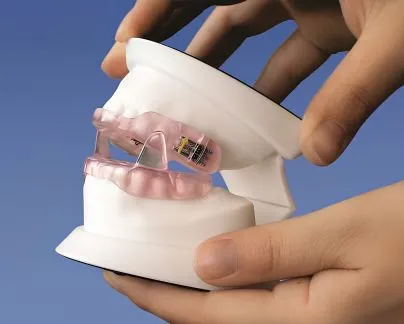
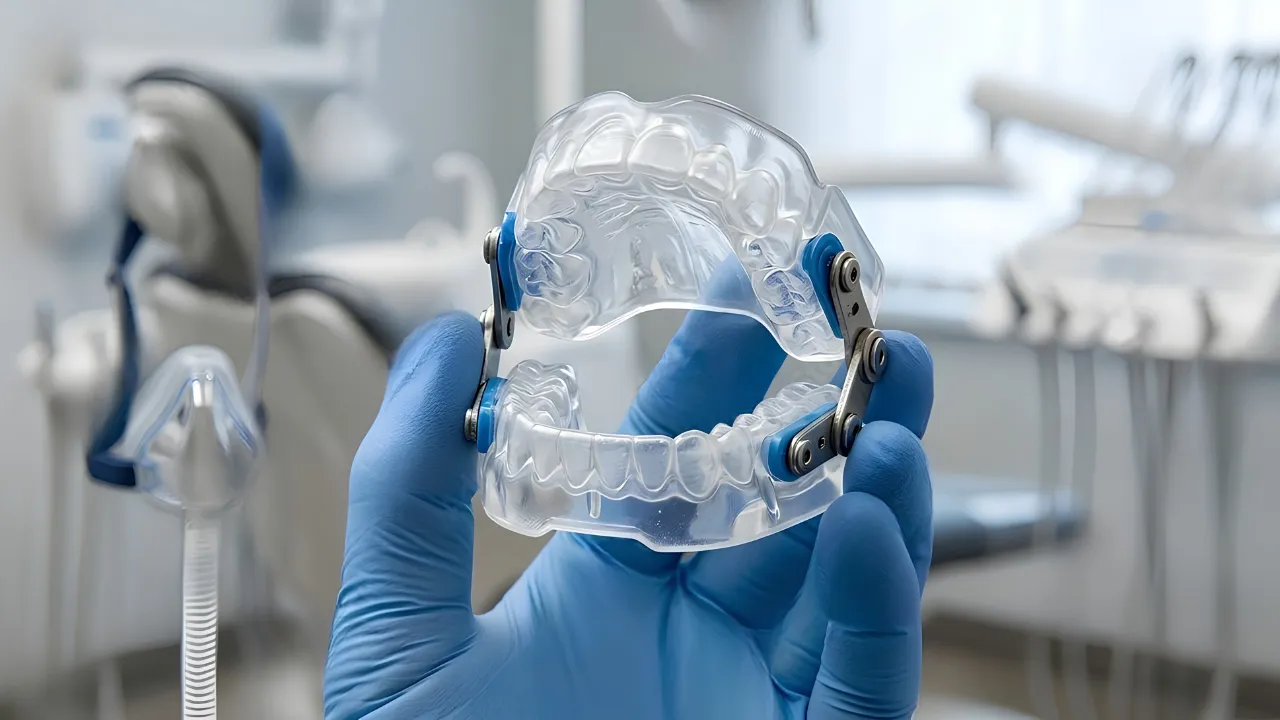
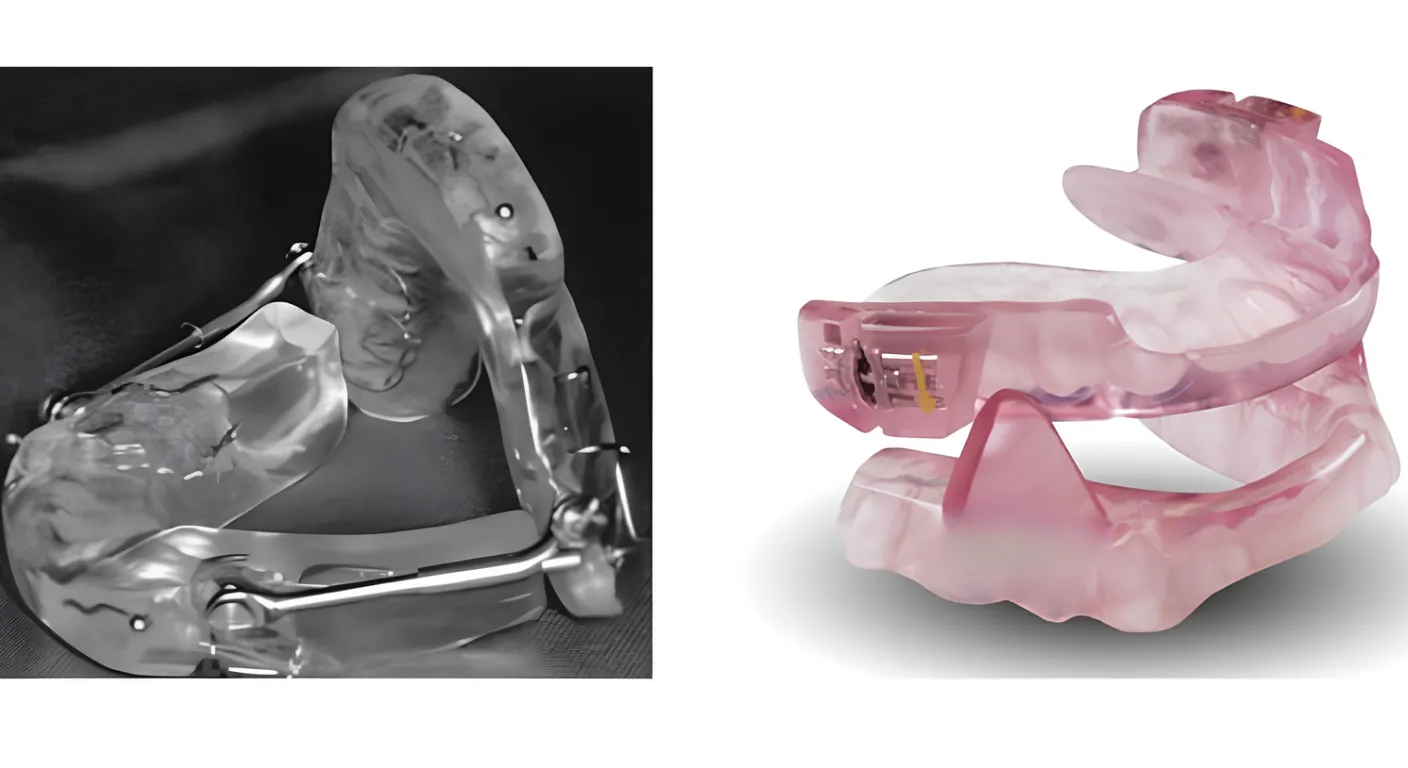
A SomnoMed oral appliance — technically a mandibular advancement device, or MAD — works by gently repositioning your lower jaw (mandible) forward during sleep. That forward position does something mechanically elegant: it tightens the soft tissue and muscles at the back of the throat, pulling them away from the airway and holding them there throughout the night.
Think of it like a hammock of tissue that's normally slack — hanging low enough to partially block the passage. Advancing the jaw puts tension on that hammock. It tightens. It lifts. The airway stays open. Breathing continues uninterrupted.
The SomnoMed device consists of two custom-fitted trays — one for the upper teeth, one for the lower — connected by a precision coupling mechanism on each side. That coupling mechanism is what allows controlled, calibrated advancement of the lower jaw. It holds the mandible in its forward position while still allowing you to open your mouth naturally, drink water, speak briefly, and breathe through your mouth if needed. That last point matters more than it sounds — many patients find rigid, fully locked devices uncomfortable, which is one of the reasons the SomnoMed design has a strong adherence record.
What Makes SomnoMed Different from a Generic Oral Appliance?
Not all mandibular advancement devices are created equal — and this is a point worth understanding before you accept whatever arrives in a one-size-fits-all kit.
The SomnoMed device is custom-fabricated from precise impressions or digital scans of your teeth. Every millimeter of the fit is specific to your dental anatomy. A poorly fitting device moves during sleep, irritates soft tissue, loads teeth unevenly, and — critically — may not hold the jaw in the position needed to actually keep the airway open. Custom fit isn't a luxury feature. It's what separates a therapeutic device from a plastic placeholder.
Beyond fit, the defining feature of SomnoMed devices is titratability — the ability to fine-tune exactly how far forward the lower jaw is advanced, in small, precise increments, over time. This is where the therapy becomes genuinely personalized rather than a blunt instrument.
What Is Titration — and Why Does It Matter?
Titration is the process of gradually adjusting the advancement of your lower jaw until you reach the position that controls your apnea without causing discomfort or significant side effects.
Here's why this matters: the goal is to find your therapeutic position — the minimum amount of advancement that keeps your airway open consistently. Too little advancement and the therapy doesn't work. Too much advancement too quickly and you end up with jaw muscle soreness, bite changes, and a device you stop wearing because it hurts.
SomnoMed's coupling mechanism allows advancement in very small increments — fractions of a millimeter at a time — so your treating provider can move you toward your therapeutic position gradually and comfortably. This is why the phrase titratable oral appliance carries real clinical weight. It means the device can actually be dialed in over multiple adjustments rather than locked into a fixed position from night one.
Titration typically happens over several weeks to months, with check-ins along the way to assess how you're sleeping, how your jaw is responding, and whether objective testing confirms the therapy is working. Some patients need follow-up sleep testing to verify efficacy at their titrated position — a step that separates rigorous OAT from guesswork.
What Does Wearing It Feel Like?
The first few nights with any oral appliance involve an adjustment period — that's simply honest. Your jaw is being held in an unfamiliar position, your saliva production may temporarily increase, and you may notice some morning jaw tenderness as the muscles adapt.
Most patients — particularly those transitioning from CPAP, which they may have abandoned for comfort reasons — find the SomnoMed device far easier to integrate into their sleep routine than they expected. It's small, silent, requires no mask or hose, travels easily, and doesn't require a power source. You can sleep in any position. You can share a bed without the ambient noise that accompanies pressurized air therapy.
Morning jaw stiffness is the most commonly reported side effect, particularly in the early weeks of titration. Your provider will walk you through morning jaw exercises designed to help the bite return to its resting position — a routine that typically takes five to ten minutes and becomes second nature quickly.
Temporary bite changes — a feeling that your teeth don't meet quite the way they did before — are common in the early period of wear and usually resolve within minutes of removing the device in the morning. Your provider will monitor this throughout treatment and adjust accordingly.
Who Is a Candidate for SomnoMed OAT?
Oral appliance therapy with a SomnoMed device is appropriate for a specific range of patients — and being clear about that range is important.
Current guidelines from the American Academy of Sleep Medicine support OAT as a first-line treatment option for patients with mild to moderate obstructive sleep apnea, and as an alternative for patients with severe OSA who are unable to tolerate CPAP. It is not a replacement for CPAP in all cases — for some patients with severe, complex apnea, CPAP remains the more effective option, and your sleep physician's input is essential in making that determination.
Good candidates for a SomnoMed device typically have sufficient healthy teeth and adequate bone support to retain the device; no significant TMJ disorder that would be aggravated by jaw advancement; and a sleep study (polysomnography or home sleep test) confirming an OSA diagnosis. Self-diagnosing and purchasing a generic device online is not oral appliance therapy — it's an approximation of one, with none of the clinical oversight that makes the therapy safe and effective.
The Role of an Airway-Trained Provider
A SomnoMed oral appliance isn't prescribed, fitted, or titrated by your sleep doctor — it's managed by a specially trained dentist with expertise in dental sleep medicine and oral appliance therapy. This is a distinction that matters clinically.
An airway-trained or Apnea-trained dental provider understands not just the mechanics of the device but the broader picture: how your bite and jaw joints will respond to sustained advancement; how to coordinate care with your sleep physician; when to order follow-up sleep testing to verify efficacy; and how to identify early signs of side effects that need intervention before they become problems.
The device is only as good as the clinical process around it. Custom fit, proper titration, follow-up testing, and ongoing monitoring are what turn a mandibular advancement device into effective, evidence-based therapy.
How Do I Get Started?
The path to a SomnoMed oral appliance begins with a conversation — ideally with both your primary care physician or sleep specialist and an airway-trained dental provider working in coordination.
If you've already been diagnosed with OSA, have a referral for oral appliance therapy, or have been told you're not tolerating CPAP, a consultation with an Apnea-trained provider is the right next step. They'll evaluate your dental health, review your sleep study results, explain whether you're a strong candidate for OAT, and walk you through what the fitting and titration process looks like for your specific case.
Connect with an Apnea-trained provider, one conversation can tell you whether this is the right path — and if it is, what the road ahead actually looks like.
Frequently Asked Questions
Can I use a SomnoMed device if I've tried other oral appliances before?
Yes — and many patients who've had poor experiences with ill-fitting or non-titratable devices find the SomnoMed design meaningfully different. The combination of custom fit and incremental titration resolves many of the comfort issues that cause patients to abandon other devices.
How long does the device last?
With proper care, a SomnoMed device typically lasts three to five years. Wear patterns, changes in dental anatomy, and normal material degradation will eventually require replacement — your provider will monitor this at regular check-ins.
Does insurance cover it?
Many medical insurance plans — including Medicare — cover oral appliance therapy for diagnosed OSA. Coverage varies significantly by plan and provider, so it's worth having your dental provider's office run a verification before treatment begins. Note that dental insurance rarely covers OAT, but medical insurance often does.
Do I still need to see my sleep doctor?
Yes — and any provider who tells you otherwise is cutting a clinical corner. Oral appliance therapy should be co-managed between your dental provider and your sleep physician, with follow-up sleep testing to confirm the therapy is working at your titrated position.

Need help ?
Schedule your initial consultation today and start your journey towards a pain-free, healthier smile. Contact us now!
Blog Suggestions
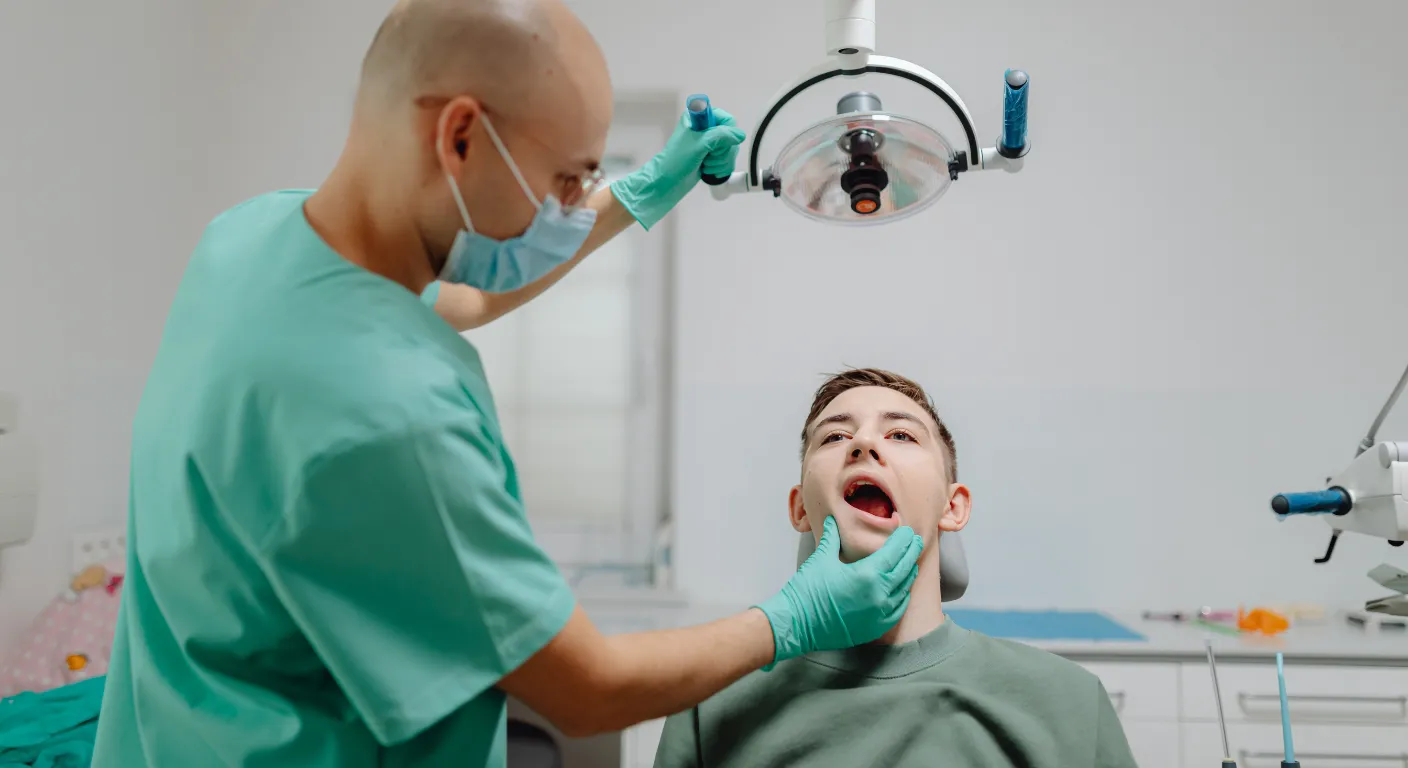
How do you screen dental patients for obstructive sleep apnea?
Screening dental patients for obstructive sleep apnea combines a validated questionnaire, a focused airway examination, and a clear referral trigger.
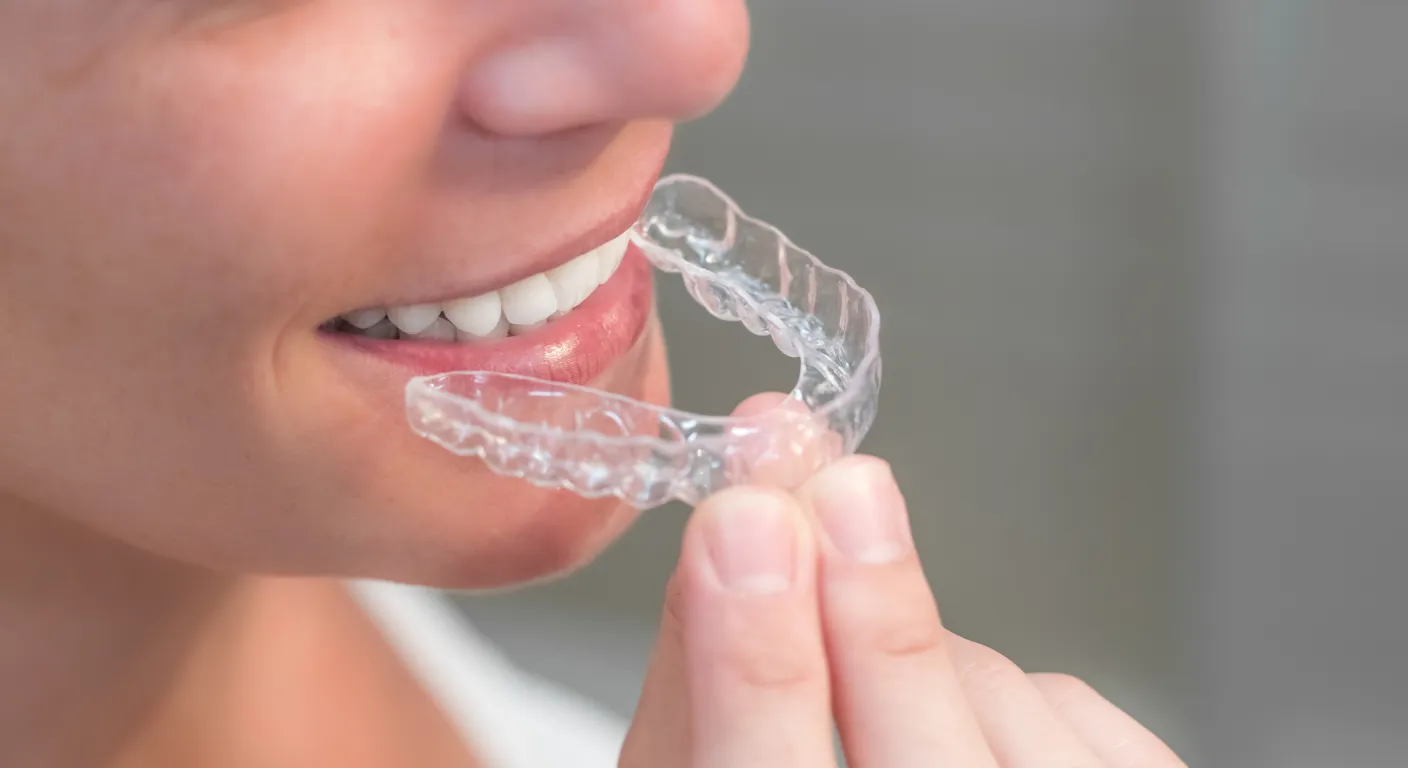
What are the AASM/AADSM guidelines for oral appliance therapy in 2026?
A patient-friendly guide to the current AASM and AADSM recommendations for oral appliance therapy in 2026, covering diagnosis, custom titratable appliances, physician-dentist collaboration, follow-up testing, and what's new with the GRADE methodology.
Prospective Study of Patients with OSA Treated with Mandibular Advancement Devices
A prospective study following OSA patients on mandibular advancement devices shows meaningful drops in the apnea-hypopnea index, less daytime sleepiness, better oxygen levels, and high treatment adherence.

Oral Appliance Therapy — Cracking the Code
A plain-language guide to how oral appliance therapy works, who it helps, why titration and follow-up matter, and what it takes to get consistently good results for snoring and obstructive sleep apnea.