
How will 3D intraoral scanning replace traditional impressions for sleep appliances?

3D intraoral scanning is on track to replace traditional polyvinyl siloxane (PVS) impressions for sleep appliance fabrication within the current decade. Peer-reviewed accuracy studies show digital scans meet or exceed PVS for fixed prosthodontics, and the same precision benefits oral appliance therapy. Patients prefer scanning, labs prefer STL files, and remake economics increasingly favor digital. The remaining question for most sleep dentistry practices is not whether to switch but how to time the investment.
Accuracy: Digital Scans Versus PVS
Multiple in vitro and in vivo studies published in journals such as the Journal of Prosthetic Dentistry, Clinical Oral Investigations, and the International Journal of Prosthodontics show that modern intraoral scanners (iTero, 3Shape TRIOS, Medit, Primescan) produce full-arch accuracy in the range of 20 to 80 micrometers, which is clinically equivalent to PVS for the tolerances required by mandibular advancement devices. For appliances such as the SomnoMed, Herbst, and ProSomnus families, this level of accuracy supports comfortable fit and predictable titration.
Patient Comfort and the Gag Reflex
Your oral health is more important than you might realize. It's not just about having a bright smile, it's about maintaining your overall well-being. Regular dental check-ups, proper brushing and flossing, and a healthy diet can prevent many dental issues.
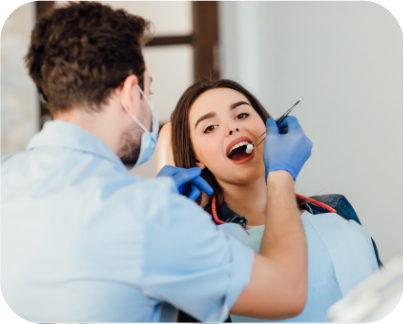
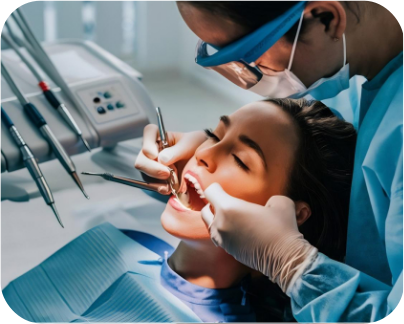
PVS impressions are a leading reason patients hesitate to pursue oral appliance therapy, particularly for those with strong gag reflexes, anxiety, or temporomandibular concerns. Survey data from AADSM annual meetings consistently shows that patients rate intraoral scanning substantially more comfortable than impressions, with most patients reporting they would choose scanning again. For sleep apnea patients, who are often older and frequently anxious about airway and choking sensations, the comfort improvement is not cosmetic but a real driver of case acceptance.
Time Savings and Chair Efficiency
A digital scan typically takes 6 to 12 minutes of chair time, including bite registration, compared with 25 to 35 minutes for dual-arch PVS impressions, tray selection, set time, and pour-up. Over a year of moderate sleep volume, this can reclaim dozens of clinical hours. The downstream lab workflow accelerates too: STL or PLY files transmit instantly, eliminating shipping time and the risk of impression distortion in transit.
Lab Integration and Digital Handoff
Major dental sleep labs accept STL or PLY uploads directly through portal integrations with 3Shape Communicate, MyiTero, and Medit Link. Some labs offer API-based handoff that pulls files automatically from cloud accounts, removing manual upload steps. Combined with AI-assisted appliance design, the digital workflow shortens the time from final scan to delivered appliance to as little as ten to fourteen days in mature labs.
Remake Economics
Remake rate is one of the most underappreciated cost centers in dental sleep medicine. Practices report remake rates of 8 to 15 percent with PVS for sleep appliances, often driven by impression distortion, mis-trayed bites, or transit damage. Digital workflows typically halve that rate, with internal practice data and AADSM case-series reports converging on remake rates of three to six percent. Across a year, this saves both lab fees and lost clinical time.
ROI on Scanner Investment
A modern intraoral scanner ranges from roughly USD 15,000 to 35,000 depending on model, lease structure, and software subscription. For a practice delivering even modest sleep volume, the combined value of recovered chair time, reduced remake fees, and higher case acceptance typically achieves payback within twelve to twenty-four months. Practices that also use the scanner for restorative, ortho, or clear aligner cases see payback considerably faster.
AADSM Acceptance and Current Adoption
The AADSM has explicitly recognized digital impressions as acceptable for oral appliance fabrication, and most lab certifications now assume STL workflows. Adoption in dental sleep medicine, however, lags general dentistry: while roughly half of U.S. general practices have a scanner, the figure within dedicated dental sleep practices is increasing rapidly as practices recognize the operational and clinical advantages. The trajectory mirrors what clear aligner adoption did a decade ago.
Key Takeaways
- Modern intraoral scanners achieve 20 to 80 micrometer full-arch accuracy, clinically equivalent to PVS.
- Digital scans reduce chair time by roughly 20 minutes per case compared with dual-arch impressions.
- Patient comfort improves significantly, supporting higher case acceptance for sleep appliance therapy.
- Remake rates typically drop from 8 to 15 percent to 3 to 6 percent with digital workflows.
- Scanner ROI in a dental sleep practice is typically achieved within 12 to 24 months.
Frequently Asked Questions
Q: Are intraoral scans accurate enough for mandibular advancement devices?
A: Yes. Peer-reviewed data shows modern scanners meet or exceed PVS for the tolerances required by sleep appliances.
Q: Which scanners are most common in dental sleep medicine?
A: iTero, 3Shape TRIOS, Medit, and Primescan are the most widely adopted, with broad lab compatibility for STL and PLY files.
Q: Do labs charge differently for digital cases?
A: Many labs offer modestly discounted pricing for digital cases due to lower handling and shipping overhead.
Q: Can the same scanner serve restorative and sleep workflows?
A: Yes. This is the primary reason scanner ROI is so favorable in mixed-service practices.
Q: Is a bite registration still required with intraoral scanning?
A: Yes. A digital protrusive bite at the prescribed starting position is captured at the time of scan, often using a George Gauge or equivalent.
Final Thoughts
Intraoral scanning is no longer an emerging technology in dental sleep medicine; it is the new clinical baseline. Patients expect it, labs prefer it, and the operational economics increasingly demand it. Practices that delay the transition will find themselves at a referral and efficiency disadvantage as digital workflows become the default expectation across sleep dentistry. The question to ask is not whether to adopt scanning, but how soon.

Need help ?
Schedule your initial consultation today and start your journey towards a pain-free, healthier smile. Contact us now!
Blog Suggestions
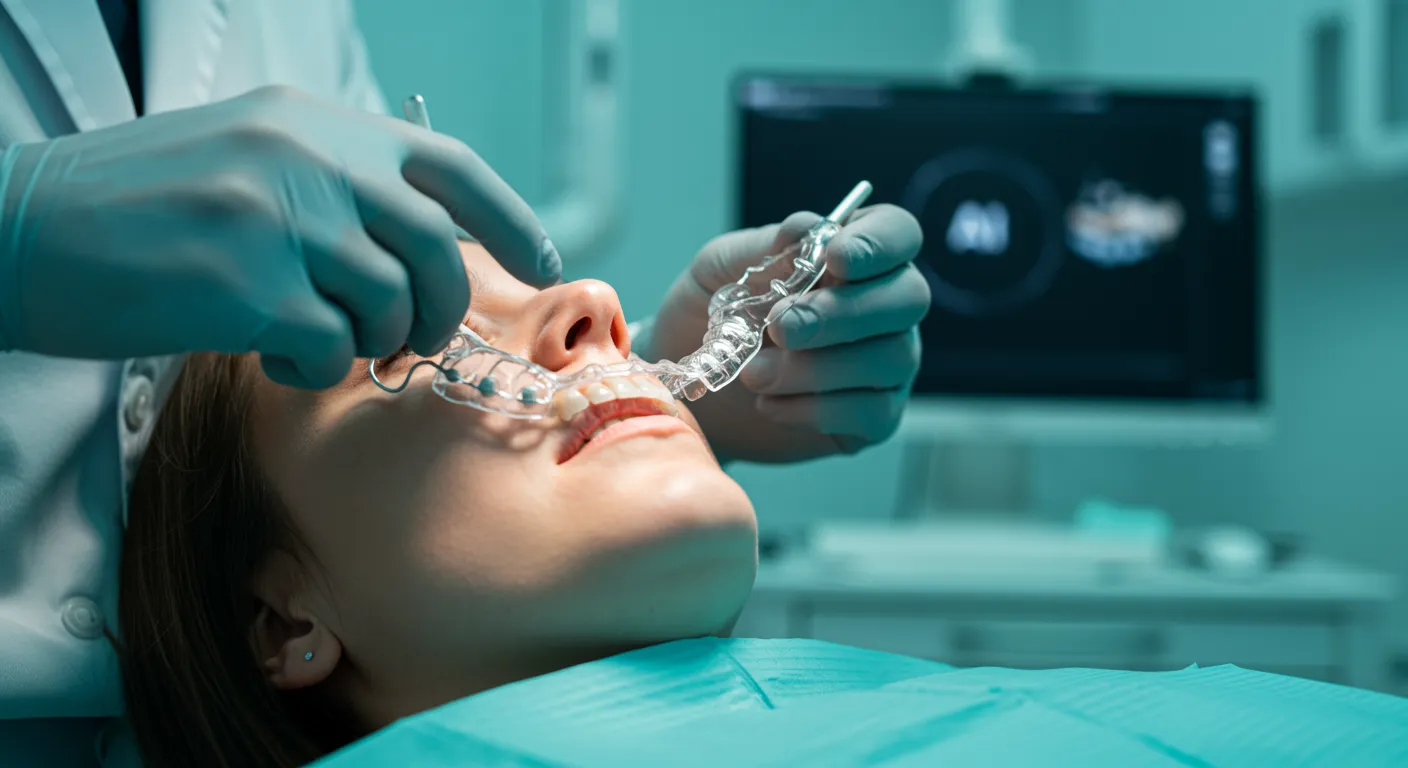
What does a fully digital sleep dentistry workflow look like in 2026?
A fully digital sleep dentistry workflow in 2026 spans HL7 FHIR referrals, online intake, intraoral scanning, AI-assisted lab handoff, titration apps, integrated HSAT, and automated billing.
Obstructive Sleep Apnea Warning Signs, and How to Know If You Have It
Many people think snoring is harmless. But loud snoring, daytime fatigue, and poor sleep quality can be signs of Obstructive Sleep Apnea (OSA). Here's how to recognize the warning signs and know when to see a sleep specialist.

CPAP vs. oral appliance: which sleep apnea treatment is right for you?
CPAP and custom oral appliances are the two first-line OSA therapies. CPAP lowers AHI more powerfully, while oral appliances win on real-world adherence and comfort.
How does a SomnoMed oral appliance work for sleep apnea?
A SomnoMed oral appliance is a custom-fitted mandibular advancement device that holds the lower jaw forward during sleep, enlarging the airway and preventing apneic collapse.