
Oral Appliance Therapy — Cracking the Code
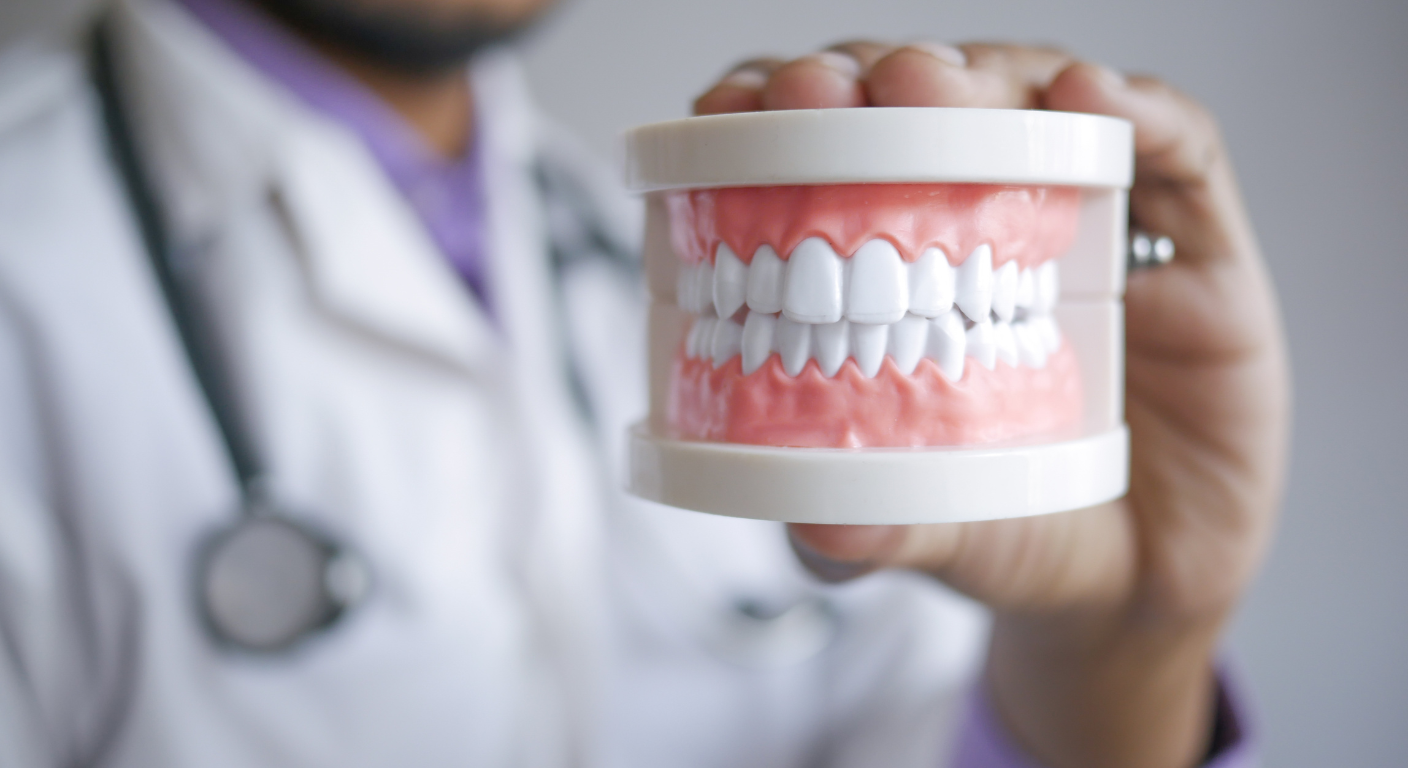
Oral appliance therapy (OAT) has moved from a niche alternative to a mainstream, evidence-based treatment for obstructive sleep apnea (OSA) and chronic snoring. Yet for many patients—and even some clinicians—how these small custom devices actually deliver results can feel like a puzzle. This article "cracks the code," walking through what oral appliance therapy is, how it works, who it helps, and what it takes to get consistently good outcomes.
What Is Oral Appliance Therapy?
Oral appliance therapy uses a custom-fitted device, worn only during sleep, to keep the upper airway open. The most common type is the mandibular advancement device (MAD), which gently repositions the lower jaw forward. By doing so, it pulls the tongue and soft tissues away from the back of the throat, reducing the airway collapse that causes apneas, hypopneas, and snoring. Unlike CPAP, an oral appliance needs no mask, hose, or electricity—making it quiet, portable, and easy to travel with.
Cracking the Code: How It Actually Works
Your oral health is more important than you might realize. It's not just about having a bright smile, it's about maintaining your overall well-being. Regular dental check-ups, proper brushing and flossing, and a healthy diet can prevent many dental issues.
The mechanism is elegantly simple. During sleep, muscle tone in the throat drops, and in people with OSA the airway narrows or closes. A MAD holds the mandible in a slightly advanced position, which:
Expands the airway:
Moving the jaw forward increases the space behind the tongue and soft palate, so air flows more freely.
Stabilizes soft tissue:
The device reduces the vibration and collapse of throat tissues that produce snoring and obstruction.
Improves muscle position:
Forward jaw posture keeps the tongue from falling back, a common trigger for airway blockage.
The result is fewer breathing interruptions, steadier oxygen levels, and more restorative sleep.
Who Is a Good Candidate?
Oral appliance therapy is recommended for adults with mild to moderate OSA, and for patients with severe OSA who cannot tolerate or refuse CPAP. It is also effective for primary snoring without significant apnea. Good candidates generally have healthy teeth and gums, enough sound teeth to anchor the device, and a jaw that can comfortably move forward. A sleep physician confirms the diagnosis, while a trained dentist evaluates oral suitability and fits the device.
The Titration Process
Getting the code right is not a one-and-done fitting. After the custom device is delivered, it is gradually advanced—usually a fraction of a millimeter at a time over several weeks—until the ideal balance between symptom control and comfort is reached. This titration step is where much of the therapy's success is won or lost. Advancing too little leaves apneas untreated; advancing too aggressively can cause jaw discomfort. Careful, incremental adjustment guided by symptoms and follow-up testing is essential.
Benefits Patients Notice
Reduced snoring and quieter nights for both patient and partner.
Less daytime sleepiness and improved concentration and mood.
Better sleep quality with fewer nighttime awakenings.
High adherence—because the device is comfortable and convenient, patients tend to use it every night, which is what ultimately drives real-world results.
Managing Side Effects
Most side effects are mild and temporary. Patients may experience excess saliva, dry mouth, minor tooth soreness, or slight jaw tightness in the morning. These usually fade as the mouth adapts. Small bite changes can occur with long-term use, which is why regular dental follow-up matters—early monitoring keeps therapy comfortable and protects the bite over time.
Why Follow-Up Is Part of the Code
Oral appliance therapy is not a set-it-and-forget-it treatment. A repeat sleep study after titration confirms the device is controlling the apnea, and periodic dental visits check the fit, the appliance's condition, and any changes in the teeth or jaw. This ongoing loop of measure, adjust, and monitor is what separates a device that merely feels comfortable from one that genuinely treats the disease.
Final Thoughts
"Cracking the code" of oral appliance therapy comes down to three things: an accurate diagnosis, a well-fitted and properly titrated custom device, and consistent follow-up. When those pieces come together, OAT offers a comfortable, effective, and sustainable path to better breathing and better sleep—especially for patients who struggle with CPAP. Anyone dealing with loud snoring or suspected sleep apnea should talk to a sleep professional and a qualified dentist to find out whether oral appliance therapy is the right solution for them.

Need help ?
Schedule your initial consultation today and start your journey towards a pain-free, healthier smile. Contact us now!
Blog Suggestions

Correspondence Regarding Pediatric OSA, Snoring and Oropharyngeal Dysbiosis
A commentary on reports linking pediatric OSA and primary snoring to oropharyngeal dysbiosis and mild gut imbalance — what the associations can and cannot show, why mouth breathing is a major confounder, and what it means for dental sleep medicine.
Actigraphy Shows Many Adults Underestimate Their Sleep Duration
Wrist actigraphy often records more sleep than adults report, especially in poor sleepers. Here's why the gap appears, why fragmented breathing widens it, and how the discrepancy itself becomes useful clinical information.
Why Airway Orthodontics Is Going Mainstream And What That Means for Your Practice
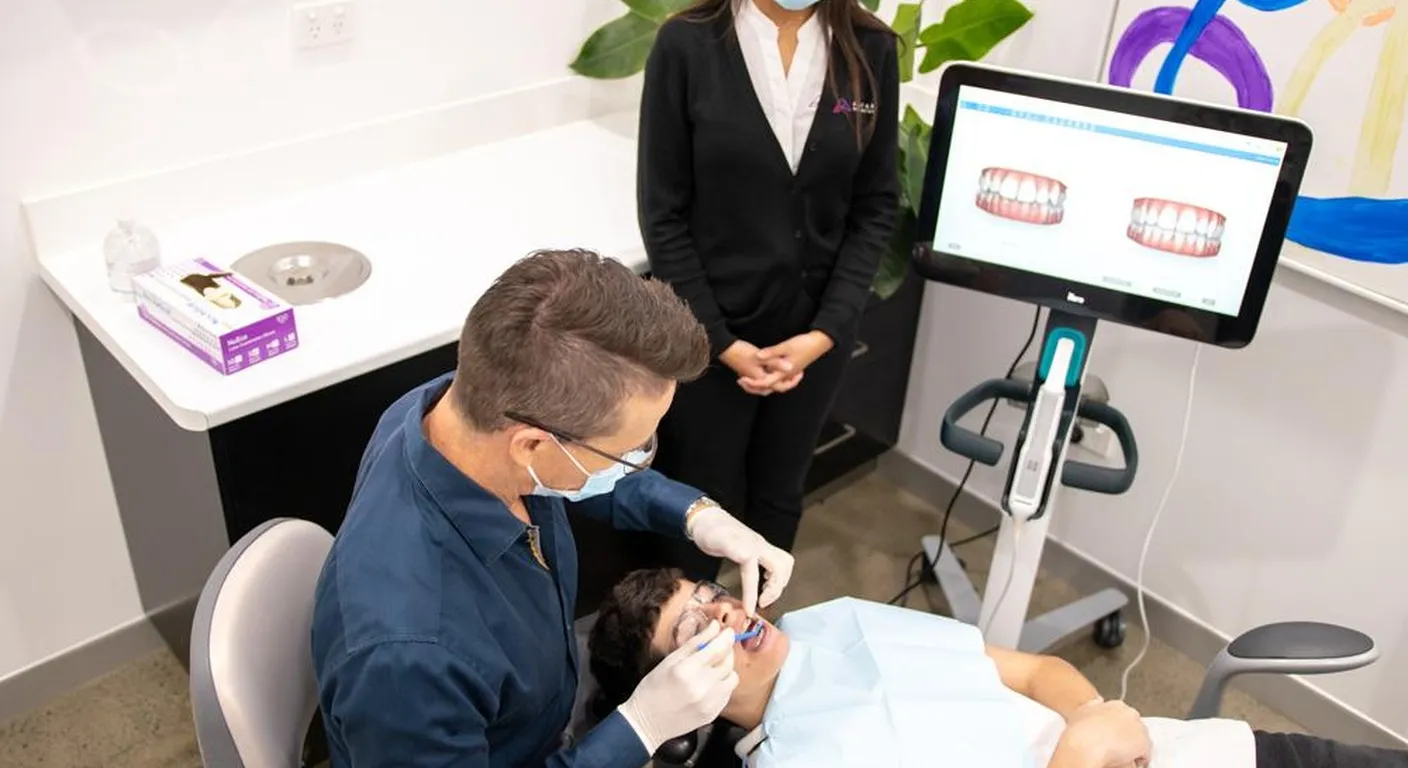
Airway orthodontics is moving from the fringe to mainstream dentistry. Here's what it actually is, why it's gaining momentum, where it fits in a general practice, and how to adopt it responsibly without overreaching on the evidence.
Prevention of Temporomandibular Disorders in OSA Patients Referred for Oral Appliance Therapy
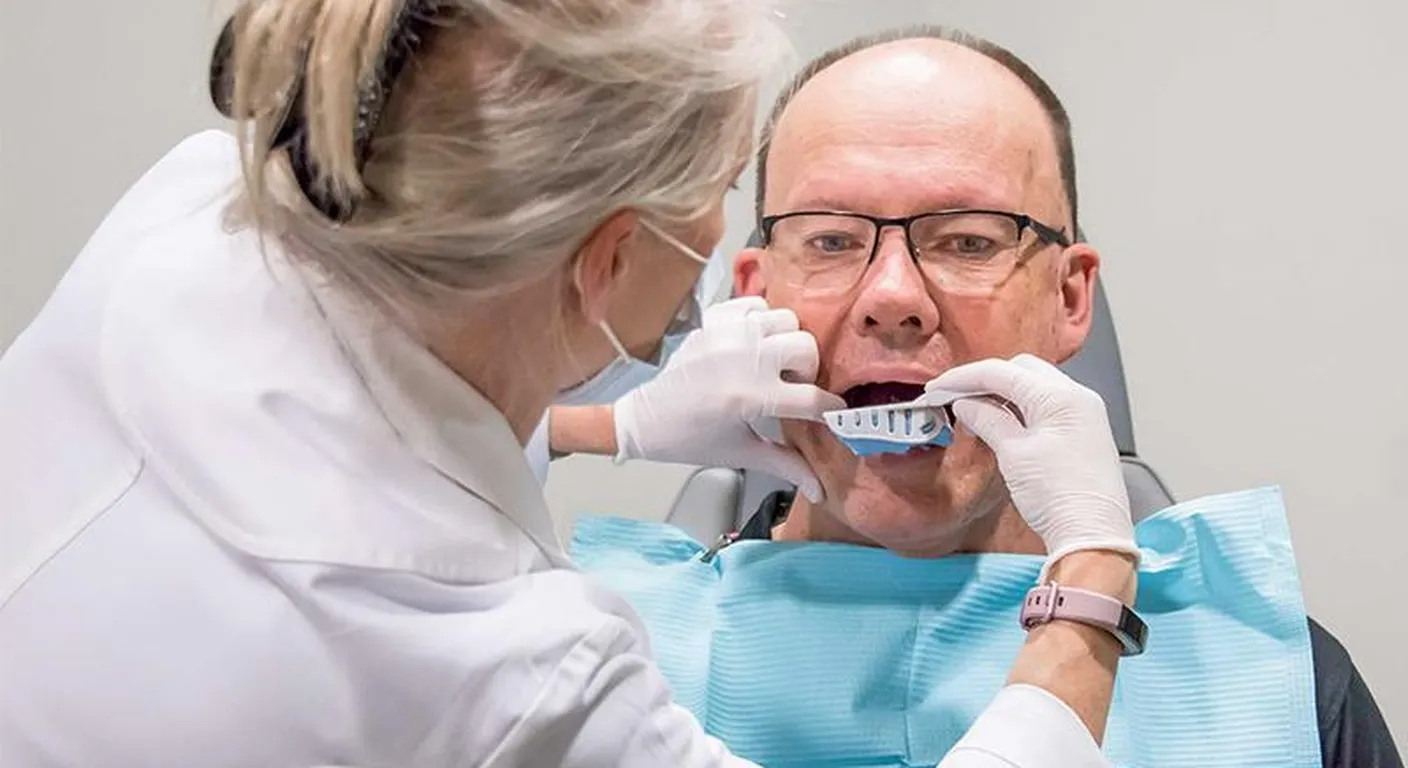
How to keep jaw joint problems from derailing oral appliance therapy — baseline TMD screening before the appliance is made, appliance design and titration discipline, early review in the first ninety days, and what the referral loop needs to communicate.