
How to Stop Snoring: What Works, and When It's Sleep Apnea
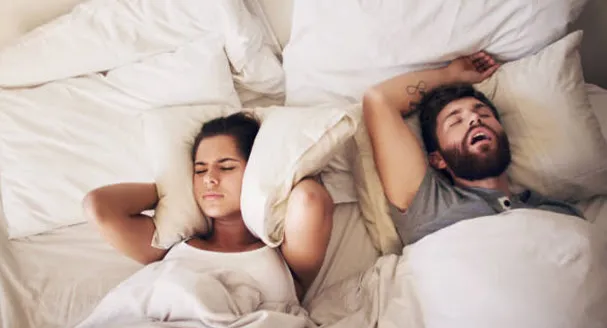
Snoring stops when the airway stops vibrating, and that means finding out why it narrows. Side sleeping, weight loss, less alcohol in the evening, and a clear nose help many people. A custom oral appliance from a dentist is the most effective non-surgical option for persistent snoring. If snoring comes with pauses in breathing, gasping, or daytime sleepiness, it may be obstructive sleep apnea and needs a sleep study.
Why Do People Snore?
Snoring is the sound of soft tissue vibrating. During sleep the muscles of the throat relax, the airway narrows, and air moving through the smaller space makes the soft palate, uvula, and tongue base flutter. Anything that narrows the airway further, or relaxes the muscles more, makes it louder.
The common contributors are:
Your oral health is more important than you might realize. It's not just about having a bright smile, it's about maintaining your overall well-being. Regular dental check-ups, proper brushing and flossing, and a healthy diet can prevent many dental issues.
- Sleeping on the back, which lets the tongue and jaw fall backward.
- Excess weight, particularly around the neck.
- Alcohol or sedating medication in the evening.
- Nasal congestion from allergies, a cold, or a deviated septum.
- Anatomy, such as large tonsils, a long soft palate, a large tongue, or a small lower jaw.
- Age, since muscle tone in the airway declines over time.
- Sleep deprivation, which deepens muscle relaxation when sleep finally comes.
What Can You Try at Home First?
These changes cost little and work for a good share of simple snorers.
- Sleep on your side. Positional snoring is common, and a body pillow or a positional device that discourages back sleeping is often enough.
- Raise the head of the bed. Elevating the upper body by a few inches reduces airway collapse and helps reflux as well.
- Lose weight if you are overweight. Even a modest reduction can noticeably reduce snoring.
- Avoid alcohol for three to four hours before bed. Alcohol relaxes the throat muscles more than normal sleep does.
- Treat your nose. Saline rinses, allergy treatment, steroid nasal sprays, and external nasal strips improve nasal airflow.
- Keep a regular sleep schedule. Being overtired makes snoring worse.
- Stop smoking. Smoke irritates and swells the airway lining.
Give each change two to three weeks, and ask your bed partner or use a snoring app to check whether it made a difference.
Do Anti-Snoring Products Work?
Some help and many do not.
- Nasal strips and dilators help when the nose is the bottleneck. They do nothing for vibration in the throat.
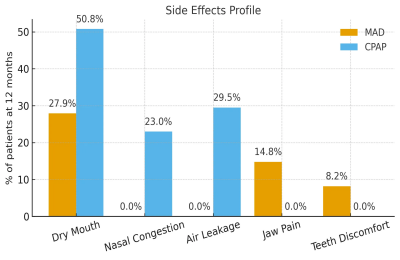
- Over-the-counter mouthpieces move the jaw forward and can reduce snoring. They are bulky, are not fitted to your bite, and may cause jaw or tooth discomfort. They are not a treatment for sleep apnea.
- Throat sprays, special pillows, and chin straps have weak or inconsistent evidence.
- Mouth taping is popular online but has little research behind it and can be unsafe for anyone with a blocked nose or undiagnosed sleep apnea.
- Tongue and throat exercises, known as myofunctional therapy, have shown modest reductions in snoring in clinical trials when done daily for several months.
When Is Snoring Actually Sleep Apnea?
Snoring is the most common symptom of obstructive sleep apnea, a condition in which the airway closes partly or fully many times an hour. Not every snorer has it, but the two overlap heavily, and the difference matters because untreated sleep apnea raises the risk of high blood pressure, heart disease, stroke, and accidents.
See a physician about a sleep study if snoring comes with any of these:
- Pauses in breathing, choking, or gasping noticed by someone else.
- Waking unrefreshed however long you sleep.
- Sleepiness during the day, or dozing while reading, watching television, or driving.
- Morning headaches or a very dry mouth on waking.
- High blood pressure, particularly if it is hard to control.
- Waking often to urinate.
- Poor concentration, irritability, or low mood.
Testing is simpler than most people expect. Many patients qualify for a home sleep apnea test, a small device worn for one or two nights in their own bed.
How Can a Dentist Help With Snoring?
A custom oral appliance is a small device worn over the teeth at night that holds the lower jaw slightly forward. That keeps the tongue from falling back and tightens the soft tissue that vibrates. The American Academy of Sleep Medicine and the American Academy of Dental Sleep Medicine recommend oral appliances for adults who want treatment for primary snoring, and for adults with obstructive sleep apnea who cannot tolerate CPAP or prefer an alternative.
A custom appliance differs from a store-bought mouthpiece in three ways. It is made from a scan of your own teeth, it adjusts in small measured steps, and a dentist monitors your jaw joints and bite over time. For diagnosed sleep apnea, the appliance is billed to medical insurance.
Dentists are also well placed to spot the problem in the first place. A crowded airway, a scalloped tongue, and worn teeth from grinding are all visible at a routine checkup, and many dental practices now screen for sleep-disordered breathing and refer to a physician for testing.
What Medical Treatments Are Available?
When snoring is part of sleep apnea, or when simpler measures have failed, a physician may discuss:
- CPAP, which keeps the airway open with gentle air pressure and is the standard treatment for moderate to severe sleep apnea.
- Oral appliance therapy, as described above.
- Weight-loss treatment, including medication, where excess weight is a major contributor.
- Surgery on the nose, tonsils, or palate where a specific structural cause is found.
- Hypoglossal nerve stimulation, an implanted device for selected patients with moderate to severe sleep apnea who cannot use CPAP.
Key Takeaways
- Snoring is caused by soft tissue vibrating in a narrowed airway.
- Side sleeping, weight loss, less evening alcohol, and treating nasal congestion are the first steps.
- A custom oral appliance is a guideline-supported treatment for persistent snoring.
- Snoring with breathing pauses, gasping, or daytime sleepiness needs a sleep study.
- Quieting the noise without checking for sleep apnea can leave a serious condition untreated.
Frequently Asked Questions
Q: How can I stop snoring immediately?
A: Rolling onto your side and clearing your nose are the quickest measures. Lasting improvement depends on treating the cause.
Q: Is snoring every night normal?
A: Habitual snoring is common but should not be dismissed. Nightly loud snoring is a reason to be screened for sleep apnea.
Q: Can thin people have sleep apnea?
A: Yes. Jaw shape, tonsil size, and airway anatomy can cause sleep apnea at any weight.
Q: Does a snoring mouthpiece from a dentist hurt?
A: Mild jaw or tooth soreness is common in the first weeks and usually settles. The dentist adjusts the device gradually to keep it comfortable.
Q: Will insurance pay for a snoring appliance?
A: Insurance generally does not cover treatment for snoring alone. If a sleep study confirms obstructive sleep apnea, medical insurance often covers a custom appliance.
Final Thoughts
Most advice about snoring treats it as a nuisance for the person on the other side of the bed. It is better understood as information about the airway. Sometimes the message is minor, and a change of position or a clear nose resolves it. Sometimes it is the only outward sign of a breathing disorder that deserves proper treatment. The sensible order is to check which one you have, then choose the fix. This article is general education and not medical advice.

Need help ?
Schedule your initial consultation today and start your journey towards a pain-free, healthier smile. Contact us now!
Blog Suggestions
How to Read Sleep Study Results: AHI, RDI, and ODI Explained
What AHI, RDI, REI, and ODI mean on a sleep study report, the severity thresholds for adults, why the 3 percent and 4 percent hypopnea rules give different scores, and how the numbers decide oral appliance coverage.
CDT Codes for Sleep Apnea: D9947 to D9957 Explained
The CDT codes for sleep apnea appliances, titration, home sleep testing, and screening, the occlusal guard codes they are confused with, and when to use CDT versus HCPCS E0486 on a medical claim.
Letter of Medical Necessity for an Oral Appliance: Template and Checklist
A letter of medical necessity template for HCPCS E0486, who must sign it, the nine elements reviewers look for, what to attach, and the defects that cause most denials.

How to Fill Out the CMS-1500 Form for an Oral Appliance Claim
A box-by-box guide to the CMS-1500 for dental practices billing E0486: ordering physician, diagnosis G47.33, prior authorization number, modifiers, place of service, and the errors that get claims rejected.