
Dementia and Sleep Apnea

Dementia, a cognitive decline that affects memory and other mental functions, is often linked with sleep disturbances such as sleep apnea. Sleep apnea is characterized by interrupted breathing during sleep, leading to fragmented, nonrestorative sleep. This can result in excessive daytime sleepiness, which may accelerate the progression of dementia by impairing cognitive function and promoting brain inflammation.
Dementia and sleep apnea are two health conditions that often intersect, yet they are frequently overlooked when considered together. Dementia is a progressive neurological disorder that affects memory, thinking, and behavior, while sleep apnea is a common sleep disorder where breathing repeatedly stops and starts during sleep. Recent studies suggest that there is a significant link between the two, and understanding this relationship is crucial for improving patient outcomes.
Your oral health is more important than you might realize. It's not just about having a bright smile, it's about maintaining your overall well-being. Regular dental check-ups, proper brushing and flossing, and a healthy diet can prevent many dental issues.


Sleep apnea, particularly obstructive sleep apnea (OSA), causes repeated interruptions in breathing due to airway obstruction. These interruptions lead to fragmented sleep, reduced oxygen levels in the blood, and strain on the cardiovascular system. Over time, this chronic sleep disruption can impair brain health, leading to cognitive decline. Poor sleep quality and low oxygen levels deprive the brain of restorative rest and can accelerate the onset or progression of dementia.
Dementia, on the other hand, is an umbrella term for a variety of conditions, including Alzheimer’s disease, vascular dementia, and Lewy body dementia. These conditions are characterized by a decline in memory, reasoning, and problem-solving skills. Emerging evidence indicates that individuals with sleep apnea are at a higher risk of developing dementia. For those who already have dementia, untreated sleep apnea can worsen symptoms such as confusion, agitation, and memory loss.
One of the primary reasons for this connection is the role of oxygen in brain health. When the brain does not receive enough oxygen during sleep, neurons can become damaged or die, accelerating cognitive decline. Additionally, fragmented sleep affects the brain’s ability to clear out toxins, such as beta-amyloid, a protein strongly associated with Alzheimer’s disease. Without adequate deep sleep, this clearance process is impaired, raising the risk of dementia.
Recognizing the overlap between sleep apnea and dementia is essential for timely intervention.Fortunately, sleep apnea is a treatable condition. Continuous Positive Airway Pressure (CPAP) therapy, which keeps airways open during sleep, has been shown to improve sleep quality, oxygen levels, and overall cognitive function in patients. For individuals with dementia, addressing sleep apnea can help stabilize symptoms, improve mood, and enhance quality of life for both patients and caregivers.
Caregivers and healthcare professionals should be attentive to the signs of sleep apnea in dementia patients, which may include loud snoring, observed pauses in breathing, excessive daytime sleepiness, and restless sleep. Screening for sleep apnea should be part of dementia care to ensure comprehensive management of both conditions
In conclusion, dementia and sleep apnea are deeply interconnected. Untreated sleep apnea not only increases the risk of developing dementia but also worsens symptoms in those already diagnosed. By prioritizing sleep health and treating sleep apnea, it may be possible to slow cognitive decline and improve the overall well-being of individuals living with dementia. Greater awareness, research, and integrated care strategies will be essential in addressing these overlapping conditions.

Need help ?
Schedule your initial consultation today and start your journey towards a pain-free, healthier smile. Contact us now!
Blog Suggestions

Can Mandibular Advancement Devices (MADs) Cause or Worsen TMJ Problems in Sleep Apnea Patients?
Obstructive Sleep Apnea Syndrome (OSAS) is a common sleep-related breathing disorder often managed with Continuous Positive Airway Pressure (CPAP) or Mandibular Advancement Devices (MADs).
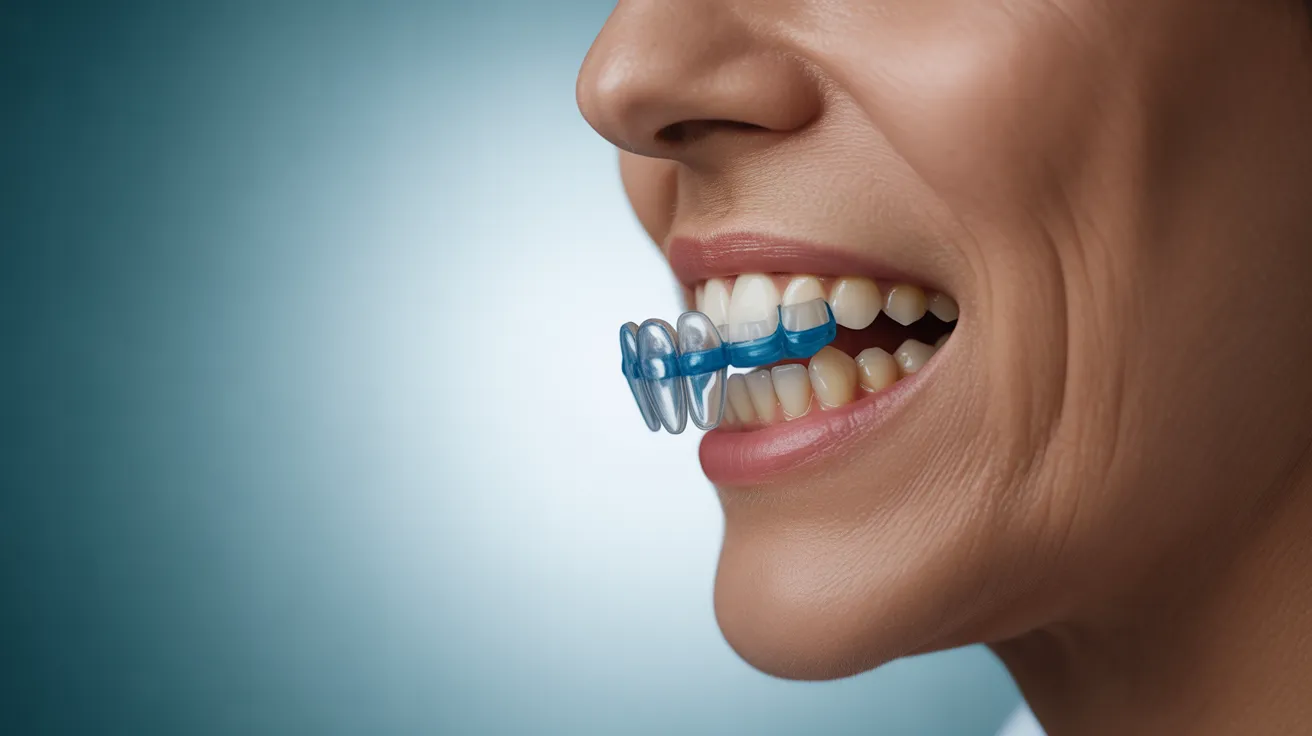
TMD in OSAS Patients
The pathophysiology of OSAS involves a combination of anatomical factors such as a narrowed pharyngeal airway, increased collapsibility of soft tissues and reduced neuromuscular tone.
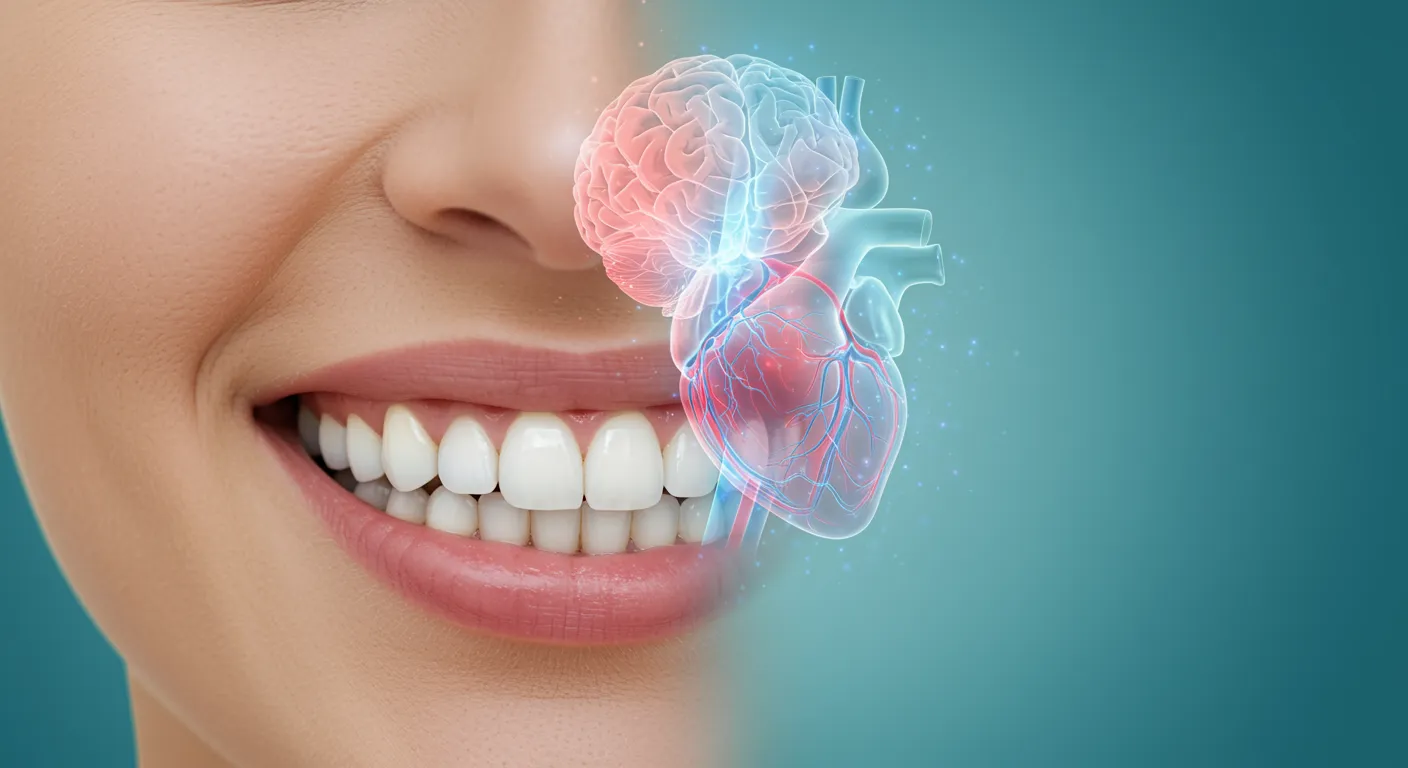
How Oral Health Could Be a Hidden Key to Protecting Your Brain & Heart
People with poor oral health (gum disease + cavities) also had a 36% higher risk of major cardiovascular events (like heart attack, fatal heart disease) vs. those with good oral health.
The Overlooked Connection Between Oral Health and Cancer
When we think of oral health, the mind often jumps to cavities, gum disease, or bad breath. But emerging evidence suggests that the health of our mouth is deeply linked to our overall systemic well-being — including the risk of developing cancer.