
The hidden link between oral health and stroke what new research reveals

For years, medical and dental professionals have suspected a connection between oral health and cardiovascular disease. Now, new evidence confirms that poor oral health — particularly when gum disease and cavities occur together — may significantly increase the risk of ischemic stroke, one of the leading causes of death and disability worldwide.
The Study at a Glance
A large U.S. cohort study, published in the December 2025 issue of Neurology: Open Access, investigated whether periodontal disease (PD) and dental caries (tooth decay) have an additive impact on the risk of ischemic stroke and other major cardiovascular events.
The research analyzed data from nearly 6,000 participants in the Atherosclerosis Risk in Communities (ARIC) study, followed for over two decades. Participants were divided into three oral health groups:
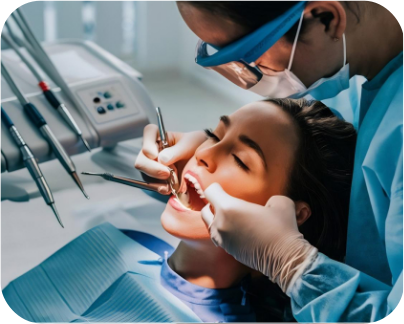
Your oral health is more important than you might realize. It's not just about having a bright smile, it's about maintaining your overall well-being. Regular dental check-ups, proper brushing and flossing, and a healthy diet can prevent many dental issues.

🔹Good oral health
🔹Periodontal disease only
🔹Periodontal disease with coexisting caries (PD + caries)
The findings were striking — and deeply relevant for both clinicians and patients.
Key Findings
🔹 Individuals with both periodontal disease and dental caries had the highest risk of ischemic stroke, with an incidence rate of 10%, compared to 6.9% in those with PD alone and 4.1% in those with healthy mouths.
🔹 After adjusting for traditional risk factors (age, diabetes, smoking, cholesterol, etc.), the combined presence of PD + caries was associated with an 86% higher risk of ischemic stroke (Hazard Ratio 1.86, 95% CI 1.32–2.61).
🔹 The same group also had a 36% higher risk of major adverse cardiovascular events (MACEs), including stroke, heart attack, and fatal coronary disease.
🔹 Elevated risks were especially pronounced for thrombotic strokes (HR 2.27) and cardioembolic strokes (HR 2.58), suggesting distinct vascular pathways linking oral inflammation and cerebrovascular disease.
🔹Importantly, regular dental care was linked with dramatically lower odds of oral disease: 29% lower odds of periodontal disease (OR 0.71) and 81% lower odds of combined PD + caries (OR 0.19).
What This Means
The findings underscore that oral health is not an isolated concern — it is a vital part of cardiovascular and neurological well-being.
When bacteria from inflamed gums or untreated cavities enter the bloodstream, they can:
🔹 Trigger chronic inflammation throughout the body.
🔹 Promote atherosclerosis (arterial plaque buildup).
🔹 Damage blood vessel linings and promote clot formation.
🔹 Contribute to endothelial dysfunction and increased stroke risk.
In essence, chronic oral infections create a pro-thrombotic, inflammatory environment that affects more than just the mouth.
The Role of Preventive Dental Care
Perhaps one of the most actionable findings in this study is that routine dental visits were protective.
Participants who sought regular dental care were significantly less likely to have gum disease or cavities — and by extension, had a lower long-term risk of stroke and cardiovascular complications.
This supports a growing understanding that preventive dental care does more than preserve smiles — it may help protect the brain and heart.
Regular cleanings, professional plaque removal, and timely treatment of early-stage gum disease can all reduce systemic inflammation and bacterial burden.
Regional and Racial Implications
The study also noted that poor oral health and related stroke risk were more common among African American participants and those living in the U.S. “Stroke Belt” — a southeastern region with historically higher stroke mortality.
This highlights the role of social determinants of health — access to dental care, education, and preventive medicine — in shaping oral and systemic health outcomes.
Why It Matters
The implications go beyond dentistry. If oral inflammation can increase the risk of stroke by nearly 90%, then integrating dental assessments into routine cardiovascular and neurological screenings could transform preventive medicine.
For clinicians, this means:
🔹 Including oral health questions in cardiovascular risk assessments.
🔹 Collaborating with dentists for shared patient education.
🔹 Emphasizing that oral inflammation is a modifiable risk factor for vascular disease.
Limitations and Future Research
The study’s authors note that it relied on a one-time dental assessment and self-reported dental care history, so some misclassification is possible. However, the long-term follow-up (over 20 years), large sample size, and rigorous statistical controls make these findings among the strongest to date.
Future research will explore whether treating periodontal disease directly reduces stroke incidence, potentially making periodontal therapy part of stroke prevention strategies.
The Takeaway
This landmark study delivers a clear message:
Healthy gums and teeth aren’t just cosmetic — they could save your life.
The combination of gum disease and dental decay nearly doubles the risk of stroke, but consistent dental care appears to significantly reduce that risk.
For patients:
🔹 Brush and floss daily.
🔹 Visit your dentist regularly — not just when pain occurs.
🔹 Manage risk factors like diabetes, smoking, and diet.
For healthcare professionals:
🔹 View the mouth as part of the body — not apart from it
🔹 Encourage interdisciplinary collaboration between dental and medical teams
🔹 Recognize oral inflammation as a key player in systemic vascular health
Reference
Wood S, Logue L, Meyer J, Moss K, Beck JD, Johansen MC, Rosamond WD, Sen S. Combined Influence of Dental Caries and Periodontal Disease on Ischemic Stroke Risk. Neurology: Open Access. December 2025; 1(4): e000036. doi:10.1212/WN9.0000000000000036

Need help ?
Schedule your initial consultation today and start your journey towards a pain-free, healthier smile. Contact us now!
Blog Suggestions

Sleep Divorce - When Couples Choose Rest Over Romance
Across America, couples are rethinking what it means to share a bed.According to a recent study by the American Academy of Sleep Medicine, nearly one in three adults are choosing to sleep in separate rooms—a practice now dubbed the “sleep divorce.”
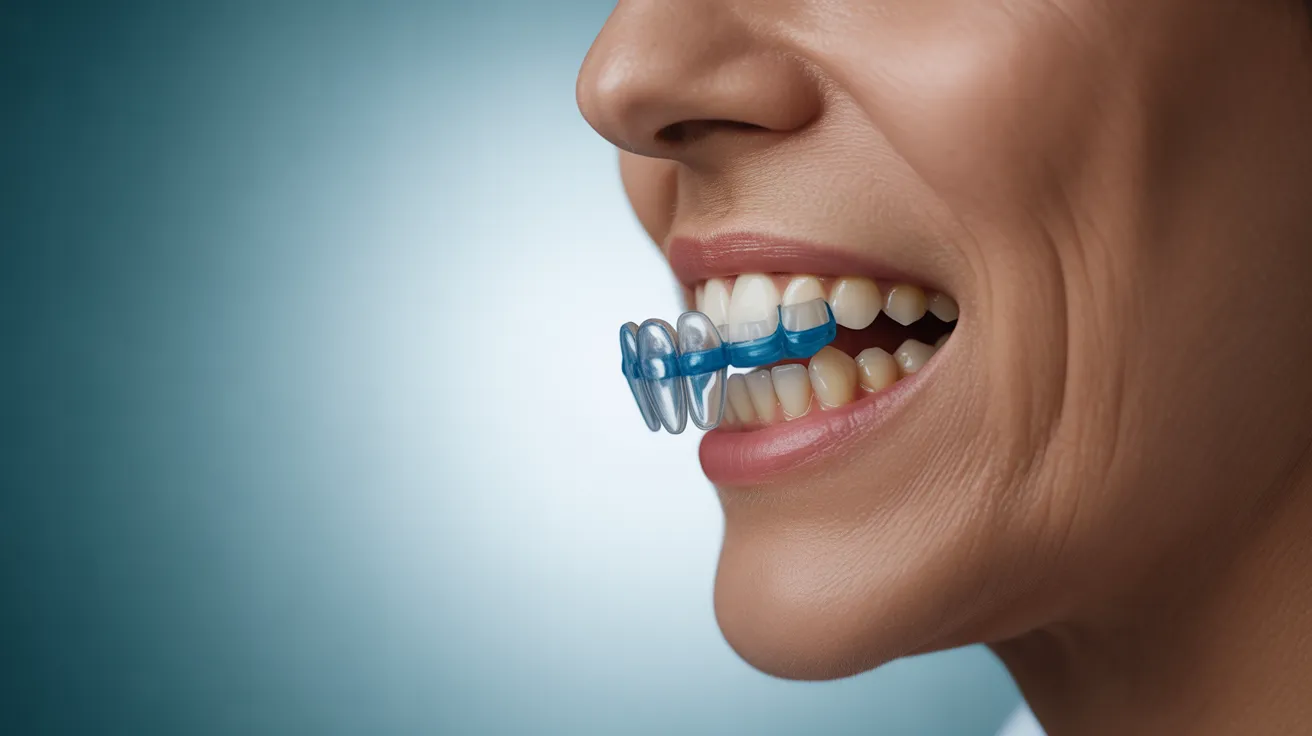
What is obstructive sleep apnea, and how do you know if you have it?
Obstructive sleep apnea is a chronic condition in which upper-airway muscles relax during sleep, causing repeated breathing pauses. Loud snoring, gasping, and daytime fatigue are the hallmark warning signs.
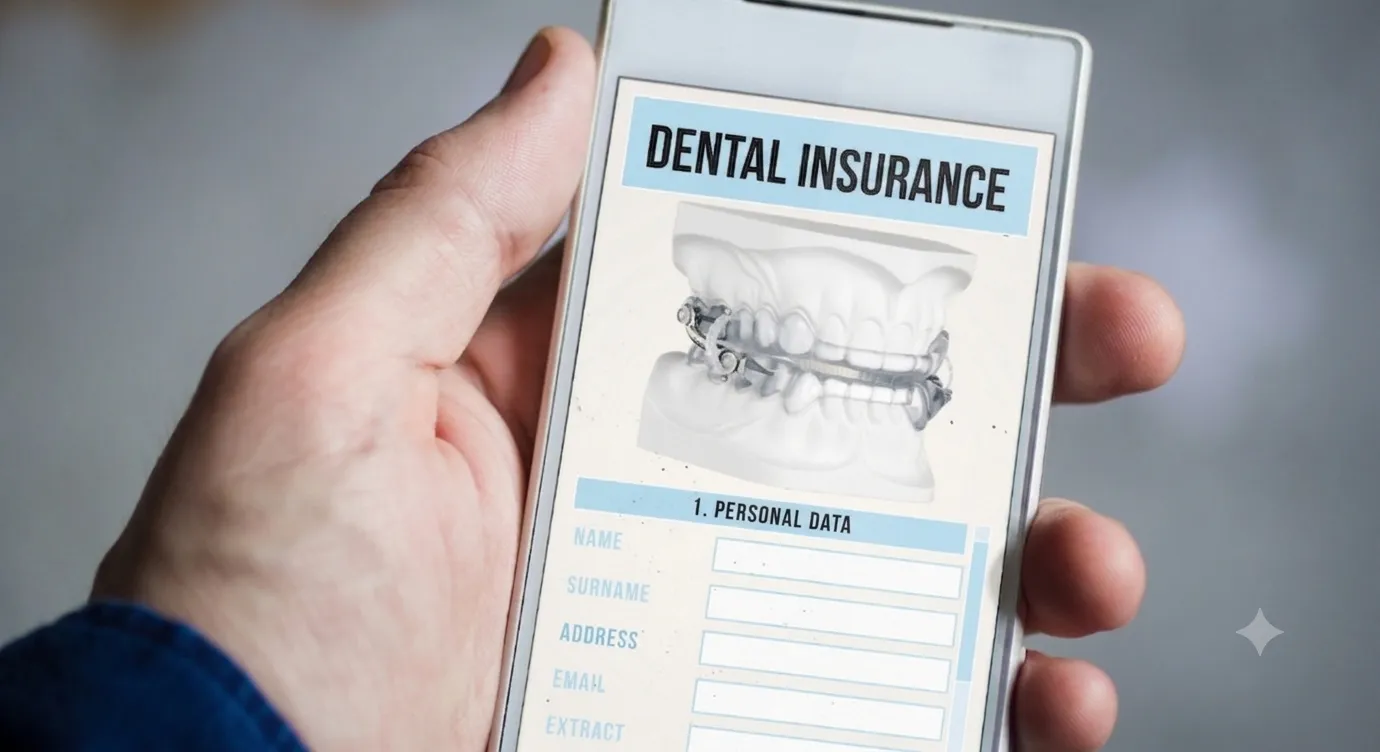
What does an oral appliance for sleep apnea cost, and does insurance cover it?
Custom oral appliances typically cost $1,800 to $3,500 cash, with most insured patients owing far less. They are billed under medical insurance using HCPCS code E0486.

How long does it take to get used to a sleep apnea mouthguard?
Most patients fully adjust to a sleep apnea mouthguard within two to six weeks of nightly use. Initial jaw stiffness, extra saliva, and tooth tenderness are common and transient.