
What are the AASM/AADSM guidelines for oral appliance therapy in 2026?
Obstructive Sleep Apnea (OSA) affects millions of adults, leading to poor sleep quality, excessive daytime fatigue, loud snoring, and increased risks of heart disease, stroke, and diabetes. While Continuous Positive Airway Pressure (CPAP) therapy remains the gold standard for treating moderate to severe OSA, many patients struggle to use it consistently.
For those patients, Oral Appliance Therapy (OAT) has become a clinically proven alternative. In 2026, sleep physicians and qualified dentists continue to follow recommendations established by the American Academy of Sleep Medicine (AASM) and the American Academy of Dental Sleep Medicine (AADSM), along with the AADSM's updated 2025 clinical standards that remain the current practice framework. No new joint AASM/AADSM clinical guideline has replaced the existing recommendations in 2026, although AADSM has introduced a new evidence based guideline development process using the GRADE methodology for future guidelines. This guide explains what the current AASM and AADSM recommendations mean for patients considering oral appliance therapy.
What Is Oral Appliance Therapy?
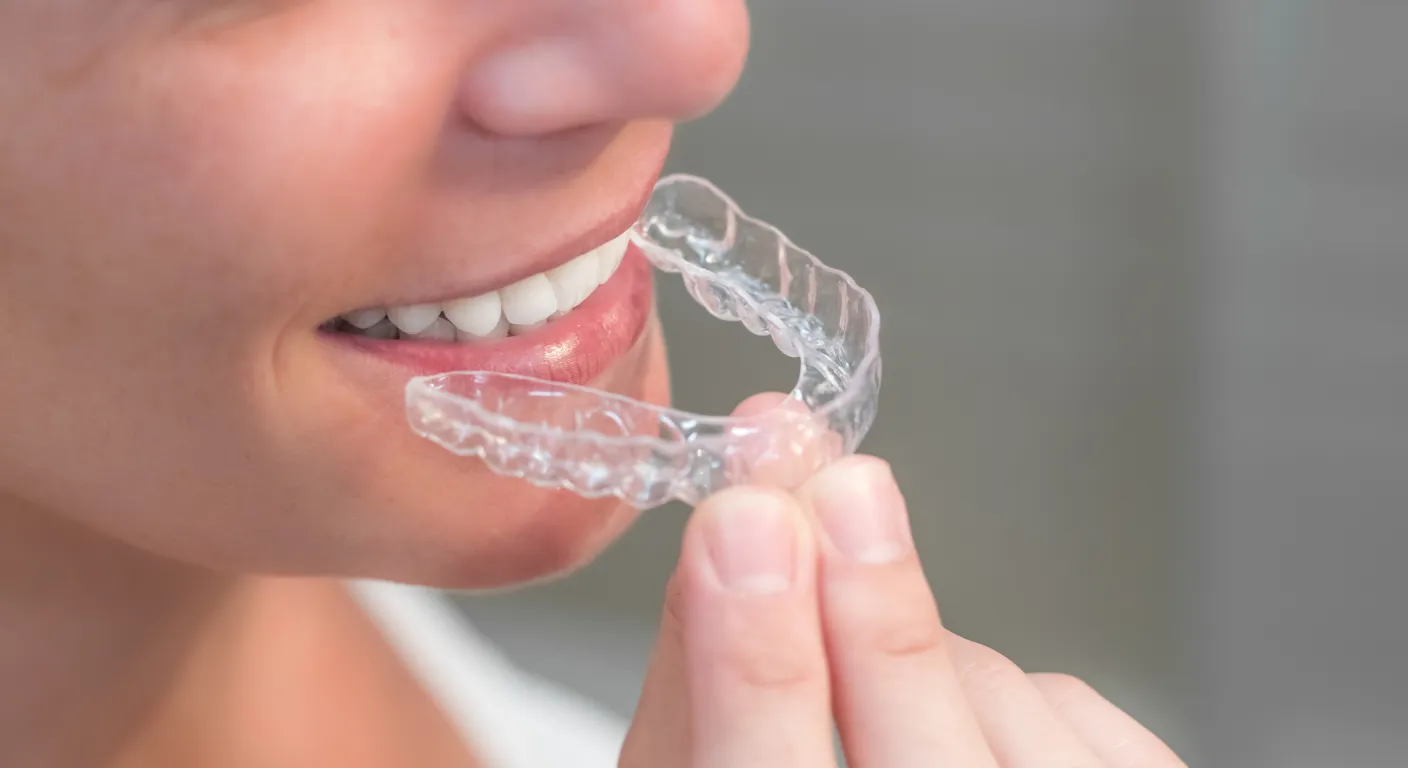
Oral Appliance Therapy uses a custom made dental device that is worn during sleep. The appliance gently moves the lower jaw forward, helping keep the airway open and reducing airway collapse.
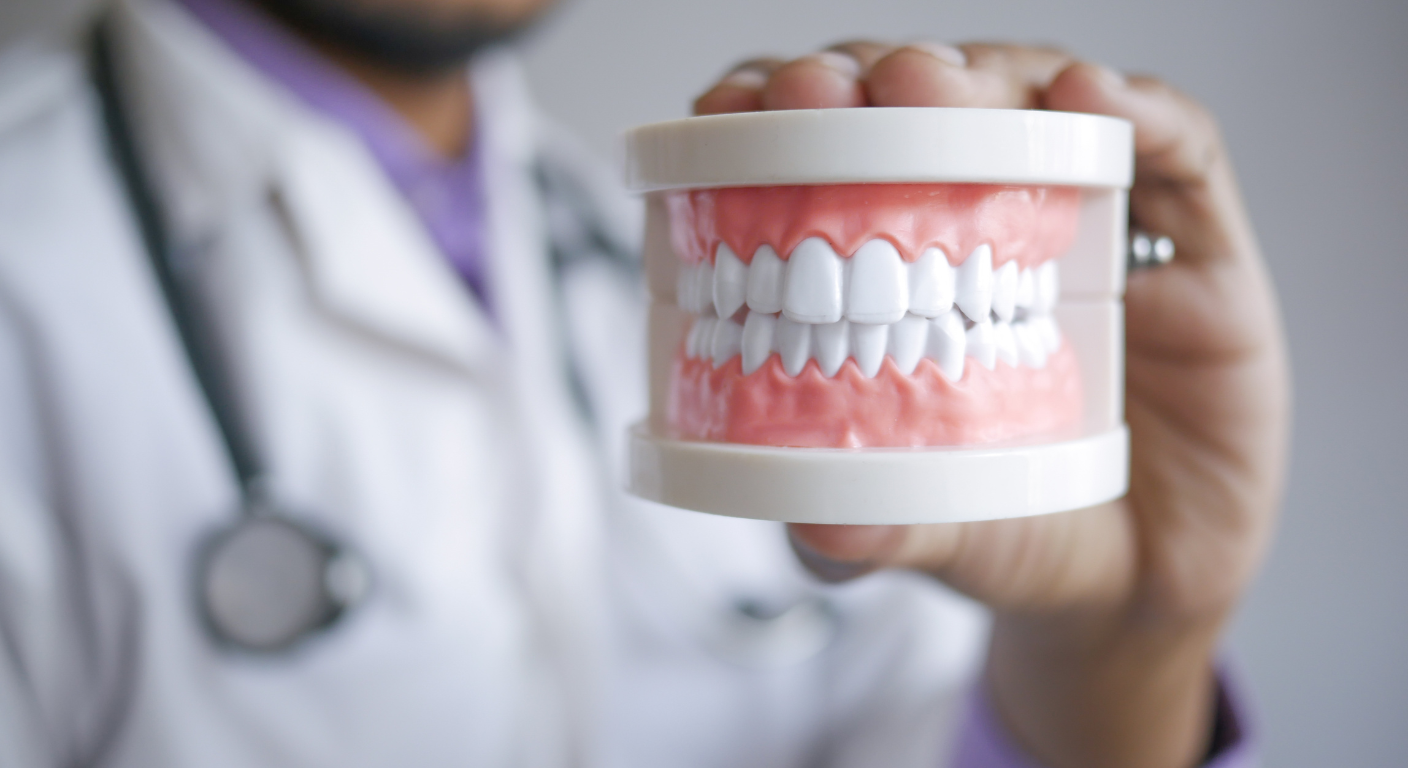
Your oral health is more important than you might realize. It's not just about having a bright smile, it's about maintaining your overall well-being. Regular dental check-ups, proper brushing and flossing, and a healthy diet can prevent many dental issues.
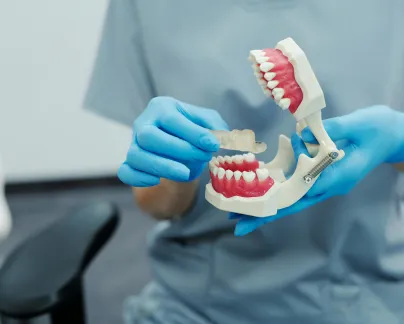
Oral appliances are commonly prescribed for:
- Mild to moderate obstructive sleep apnea
- Patients with severe OSA who cannot tolerate CPAP
- Primary snoring after obstructive sleep apnea has been ruled out by a sleep physician
Unlike over the counter mouthguards, therapeutic oral appliances are individually designed and adjusted by qualified dental professionals.
What Do the Current AASM and AADSM Guidelines Recommend?
Although many people search for the "2026 guidelines," the recommendations currently followed in clinical practice are based on the joint AASM AADSM clinical guideline together with the updated AADSM standards published in 2025.
1. Oral Appliance Therapy Is Recommended for CPAP Intolerant Patients
The guidelines recommend oral appliance therapy for adults with obstructive sleep apnea who:
- Cannot tolerate CPAP therapy
- Prefer an alternative treatment after discussing available options with their physician
This provides patients with an evidence based treatment option instead of leaving sleep apnea untreated.
2. Custom Titratable Appliances Are Preferred
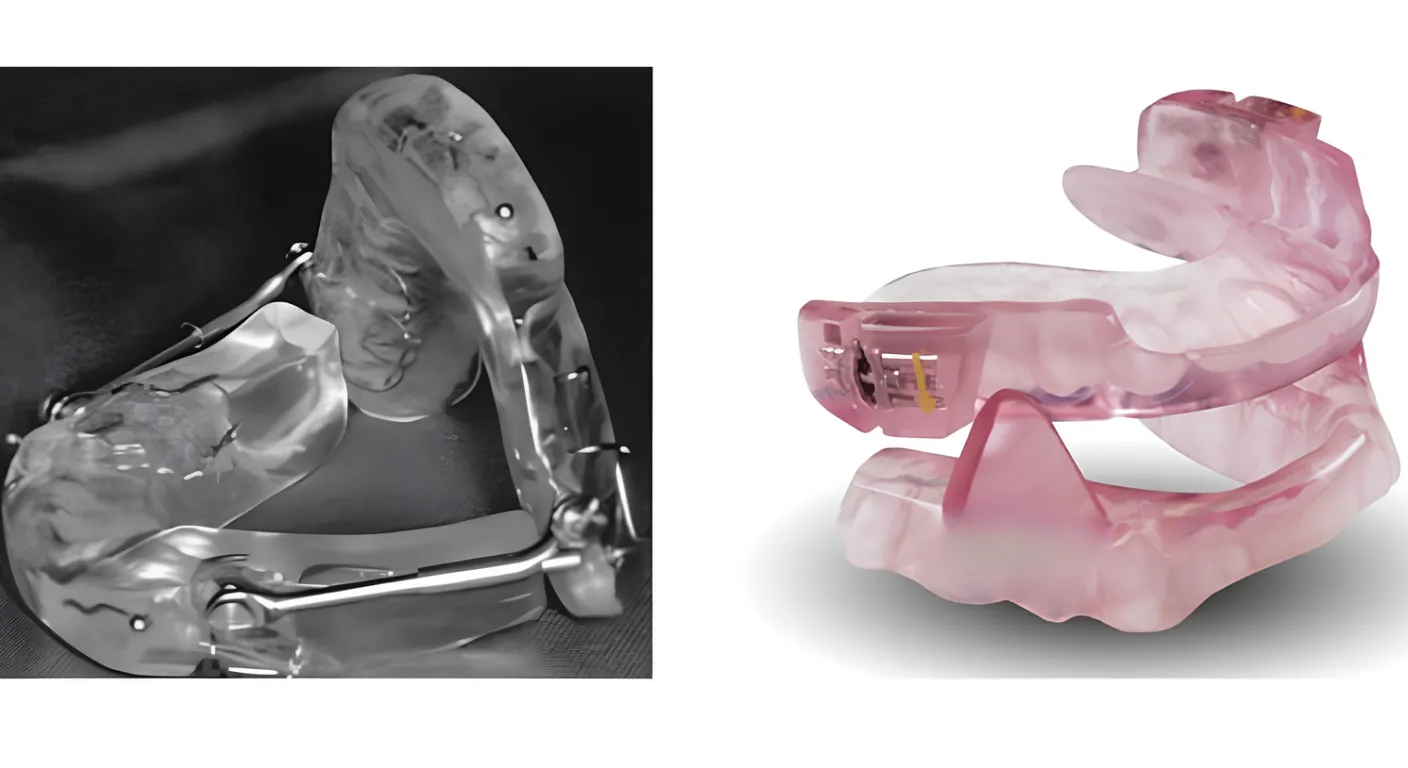
One of the strongest recommendations is that patients receive a custom, titratable oral appliance rather than a generic boil and bite device.
A custom appliance offers:
- Better comfort
- Improved fit
- Greater treatment effectiveness
- Easier long term adjustments
- Higher patient compliance
Adjustability allows dentists to gradually reposition the jaw until optimal airway improvement is achieved.
3. Treatment Should Be Physician Directed
The guidelines emphasize that oral appliance therapy should begin only after a proper diagnosis from a sleep physician.
Before treatment:
- A sleep study confirms obstructive sleep apnea
- Severity is determined
- Appropriate treatment options are discussed
Dentists should not independently diagnose sleep apnea.
4. Collaboration Between Physicians and Dentists Is Essential
The AASM and AADSM strongly recommend coordinated care between sleep physicians and qualified dentists.
The sleep physician:
- Diagnoses OSA
- Prescribes oral appliance therapy
- Evaluates treatment outcomes
The qualified dentist:
- Performs the dental examination
- Fabricates the custom appliance
- Adjusts the appliance
- Monitors side effects
- Provides long term follow up
This collaborative approach improves patient safety and treatment success.
5. Follow Up Sleep Testing Is Recommended
After the appliance has been adjusted, patients should undergo follow up sleep testing.
This helps confirm:
- Reduced Apnea Hypopnea Index (AHI)
- Improved oxygen levels
- Better sleep quality
- Effective treatment
Without follow up testing, it is difficult to know whether therapy is fully controlling sleep apnea.
6. Regular Dental Follow Up Is Important
Long term monitoring is another key recommendation.
Routine follow up appointments allow dentists to:
- Check appliance fit
- Monitor tooth movement
- Evaluate jaw comfort
- Adjust appliance positioning
- Replace worn appliances when needed
Regular reviews help maintain treatment effectiveness while minimizing side effects.
What's New in 2026?
While there is no new joint AASM AADSM clinical practice guideline replacing the existing recommendations, 2026 has brought an important change to how future dental sleep medicine guidance will be developed.
The AADSM has adopted the internationally recognized GRADE methodology for creating future clinical practice guidelines. This evidence based framework aims to make future recommendations even more transparent and scientifically rigorous. Until those new guidelines are finalized, clinicians continue following the established joint recommendations alongside the updated 2025 AADSM standards.
Who Is a Good Candidate for Oral Appliance Therapy?
You may benefit from oral appliance therapy if you:
- Have mild or moderate obstructive sleep apnea
- Cannot tolerate CPAP therapy
- Travel frequently
- Prefer a smaller and quieter treatment option
- Have primary snoring without obstructive sleep apnea
- Have adequate dental health to support an appliance
Your sleep physician and dentist will determine whether oral appliance therapy is appropriate for your condition.
Benefits of Oral Appliance Therapy
Many patients prefer oral appliances because they are:
- Comfortable to wear
- Easy to travel with
- Quiet during sleep
- Non invasive
- Simple to maintain
- Associated with high long term adherence in appropriate patients
Although CPAP often provides greater improvement in breathing measures for many patients, oral appliance therapy can still deliver meaningful symptom relief and health benefits when it is used consistently and appropriately.
Are There Any Risks?
Like any treatment, oral appliance therapy may have side effects.
Possible temporary effects include:
- Jaw soreness
- Tooth discomfort
- Excess saliva
- Dry mouth
- Minor bite changes
Most side effects are manageable through proper appliance adjustment and routine follow up.
Final Thoughts
The AASM and AADSM recommendations continue to guide the safe and effective use of oral appliance therapy in 2026. The current approach emphasizes accurate diagnosis, custom made appliances, collaboration between physicians and dentists, follow up sleep testing, and ongoing monitoring.
For patients who cannot tolerate CPAP or simply prefer another treatment option, oral appliance therapy offers a clinically supported solution that can improve sleep quality, reduce snoring, and help manage obstructive sleep apnea when provided according to established clinical standards.
If you think oral appliance therapy may be right for you, consult a board certified sleep physician and a qualified dental sleep medicine provider to discuss your treatment options.

Need help ?
Schedule your initial consultation today and start your journey towards a pain-free, healthier smile. Contact us now!
Blog Suggestions
Prospective Study of Patients with OSA Treated with Mandibular Advancement Devices
A prospective study following OSA patients on mandibular advancement devices shows meaningful drops in the apnea-hypopnea index, less daytime sleepiness, better oxygen levels, and high treatment adherence.
Oral Appliance Therapy — Cracking the Code
A plain-language guide to how oral appliance therapy works, who it helps, why titration and follow-up matter, and what it takes to get consistently good results for snoring and obstructive sleep apnea.

Correspondence Regarding Pediatric OSA, Snoring and Oropharyngeal Dysbiosis
A commentary on reports linking pediatric OSA and primary snoring to oropharyngeal dysbiosis and mild gut imbalance — what the associations can and cannot show, why mouth breathing is a major confounder, and what it means for dental sleep medicine.
Actigraphy Shows Many Adults Underestimate Their Sleep Duration
Wrist actigraphy often records more sleep than adults report, especially in poor sleepers. Here's why the gap appears, why fragmented breathing widens it, and how the discrepancy itself becomes useful clinical information.