
Associations Amoung nonrestorative sleep status, sleep apnea syndrome and major adverse cardiac and cerebrovascular events

Sleep is a fundamental biological process essential for the restoration of physical and mental health. When sleep is disrupted or nonrestorative, the consequences extend beyond fatigue and reduced quality of life—they can also contribute to serious health outcomes. In particular, the associations among nonrestorative sleep, sleep apnea, and major adverse cardiac and cerebrovascular events (MACCE) have become a growing focus of medical research. Understanding these links is vital for clinicians, patients, and caregivers seeking to prevent lifethreatening complications.
Nonrestorative Sleep and Its Impacts
Nonrestorative sleep (NRS) refers to the subjective feeling of unrefreshing sleep despite adequate duration. Unlike simple sleep deprivation, NRS leaves individuals waking up feeling tired, mentally foggy, or physically drained. It has been increasingly recognized as an independent risk factor for poor health outcomes. Individuals with chronic NRS often experience heightened stress, hormonal imbalances, and persistent inflammation, all of which can compromise cardiovascular and cerebrovascular health.
The precise mechanisms behind NRS are not fully understood, but evidence suggests a combination of fragmented sleep architecture, reduced deep sleep, and poor oxygenation in cases of sleep-disordered breathing. Importantly, nonrestorative sleep is strongly linked to sleep apnea, a condition that directly interrupts the body’s ability to achieve restorative rest.
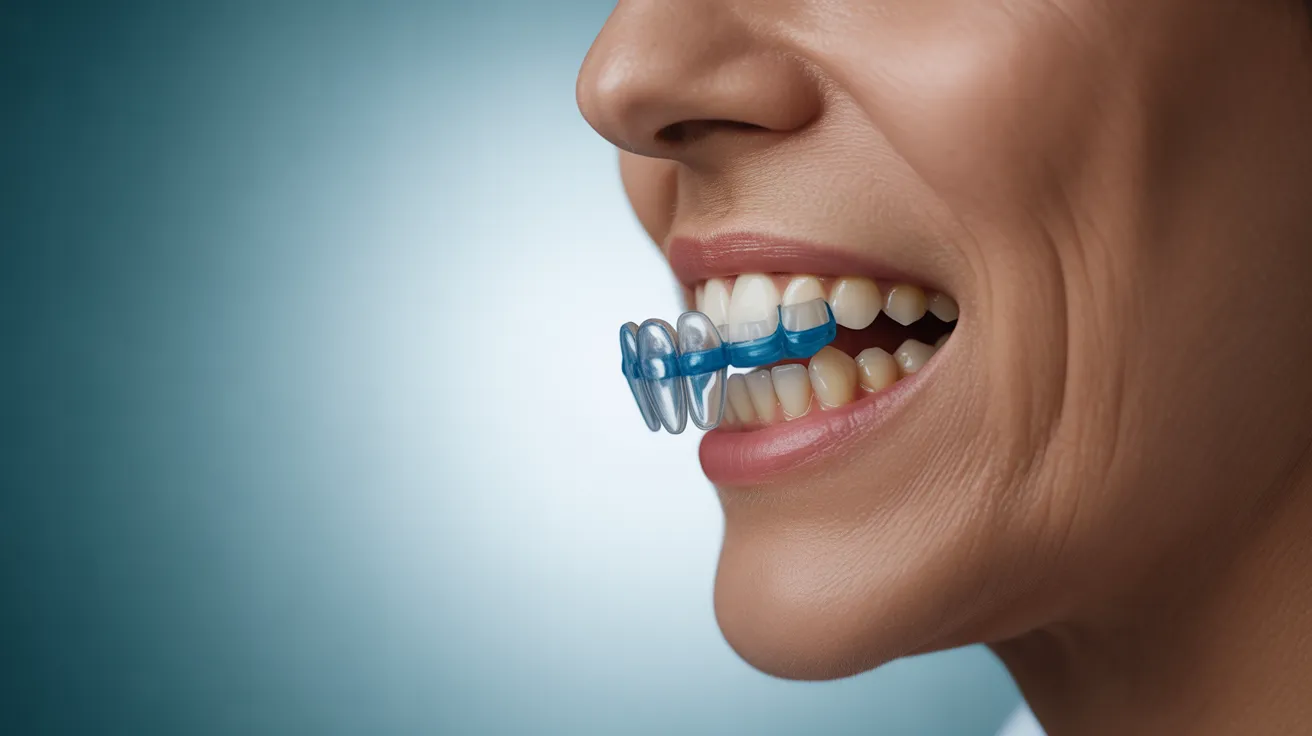
Your oral health is more important than you might realize. It's not just about having a bright smile, it's about maintaining your overall well-being. Regular dental check-ups, proper brushing and flossing, and a healthy diet can prevent many dental issues.


Sleep Apnea Syndrome and Cardiovascular Risks
Sleep apnea, particularly obstructive sleep apnea (OSA), is one of the most common sleep disorders worldwide. It is characterized by repeated pauses in breathing due to upper airway obstruction during sleep. These interruptions result in intermittent hypoxia (low oxygen levels), sleep fragmentation, and increased sympathetic nervous system activity. Over time, these stressors place a significant burden on the cardiovascular system.
OSA has been strongly associated with hypertension, arrhythmias, coronary artery disease, stroke, and heart failure. The frequent drops in oxygen saturation can lead to oxidative stress, vascular inflammation, and endothelial dysfunction—all of which accelerate the development of atherosclerosis. Moreover, untreated OSA contributes to poor blood pressure control and worsens pre-existing cardiovascular conditions.
Linking Nonrestorative Sleep, Sleep Apnea, and MACCE
Major adverse cardiac and cerebrovascular events (MACCE) typically include heart attack, stroke, hospitalization for heart failure, and cardiovascular-related death. Growing evidence shows that both nonrestorative sleep and sleep apnea independently increase the risk of MACCE, and when they coexist, the risks are compounded.
Sleep Apnea as a Driver of NRS
Because apnea disrupts sleep continuity and prevents deep, restorative sleep, it is a key contributor to NRS. Patients with OSA frequently report unrefreshing sleep even if they spend a normal number of hours in bed.
NRS as a Predictor of MACCE
Research suggests that NRS, regardless of sleep apnea, predicts an increased risk of cardiac and cerebrovascular events. The mechanisms may involve chronic activation of the hypothalamic-pituitary-adrenal (HPA) axis, heightened inflammation, and impaired vascular health.
Synergistic Effects
When NRS and OSA occur together, they create a dangerous cycle.Apnea worsens NRS, which in turn exacerbates the systemic effects of poor sleep, leading to higher chances of hypertension, heart attack, or stroke.
Clinical Implications
The recognition of these associations highlights the importance of early screening and intervention. Patients presenting with persistent fatigue or nonrestorative sleep should be evaluated for underlying sleep disorders such as OSA. Polysomnography (sleep study) remains the gold standard for diagnosing sleep apnea and assessing its severity.
Treatment strategies can significantly reduce risks. Continuous Positive Airway Pressure (CPAP) therapy, the standard treatment for OSA, improves sleep quality, restores oxygenation, and has been shown to lower blood pressure and cardiovascular strain. For patients with NRS, addressing lifestyle factors such as stress management, sleep hygiene, and comorbid mood disorders is also essential.
Healthcare providers should integrate questions about sleep quality into cardiovascular risk assessments. Considering that many patients may not spontaneously report poor sleep, proactive inquiry could reveal important red flags.
Moving Forward: Research and Awareness
Despite advances, there are still unanswered questions. Not all individuals with sleep apnea report nonrestorative sleep, and not all patients with NRS are found to have OSA. This suggests a complex interplay of biological, psychological, and behavioral factors. More research is needed to clarify the precise mechanisms and to develop targeted interventions that address both sleep quality and cardiovascular health.
Public awareness also plays a key role. Many people underestimate the health risks of poor sleep or consider fatigue a normal part of life. Highlighting the potential links between nonrestorative sleep, apnea, and life-threatening conditions such as stroke and heart disease can encourage individuals to seek timely evaluation and treatment.
Conclusion
The associations among nonrestorative sleep, sleep apnea, and major adverse cardiac and cerebrovascular events underscore the importance of recognizing sleep health as a cornerstone of overall well-being. Nonrestorative sleep is more than just a subjective complaint—it is a warning sign of underlying pathology that can have severe consequences. Sleep apnea, as a major driver of NRS, contributes directly to cardiovascular strain and increases the risk of MACCE. Together, these conditions form a dangerous triad that requires vigilant screening, effective treatment, and greater awareness among both clinicians and the public.
By addressing sleep disturbances early and comprehensively, healthcare systems can not only improve quality of life but also reduce the burden of cardiovascular and cerebrovascular disease. In a world where sleep is often sacrificed, recognizing its role in heart and brain health has never been more urgent.

Need help ?
Schedule your initial consultation today and start your journey towards a pain-free, healthier smile. Contact us now!
Blog Suggestions

Sleep Apnea, Heart Attack, Stroke & Oral Appliance Therapy
In recent years, the links between sleep apnea syndrome (SAS), nonrestorative sleep status (NRS), and major adverse cardiovascular and cerebrovascular events (MACCE) have drawn growing attention in the medical community.

Dementia and Sleep Apnea
Dementia, a cognitive decline that affects memory and other mental functions, is often linked with sleep disturbances such as sleep apnea. Sleep apnea is characterized by interrupted breathing during sleep, leading to fragmented, nonrestorative sleep. This can result in excessive daytime sleepiness, which may accelerate the progression of dementia by impairing cognitive function and promoting brain inflammation.

Can Mandibular Advancement Devices (MADs) Cause or Worsen TMJ Problems in Sleep Apnea Patients?
Obstructive Sleep Apnea Syndrome (OSAS) is a common sleep-related breathing disorder often managed with Continuous Positive Airway Pressure (CPAP) or Mandibular Advancement Devices (MADs).
TMD in OSAS Patients
The pathophysiology of OSAS involves a combination of anatomical factors such as a narrowed pharyngeal airway, increased collapsibility of soft tissues and reduced neuromuscular tone.