
CPAP vs. oral appliance: which sleep apnea treatment is right for you?

If you've been diagnosed with Obstructive Sleep Apnea (OSA), one of the first questions you'll likely ask is:
"Should I use a CPAP machine or an oral appliance?"
Both treatments are commonly used to manage sleep apnea, but they work in different ways and may be better suited for different patients.
Understanding the benefits, limitations, and lifestyle considerations of each option can help you make a more informed decision about your sleep health.
Your oral health is more important than you might realize. It's not just about having a bright smile, it's about maintaining your overall well-being. Regular dental check-ups, proper brushing and flossing, and a healthy diet can prevent many dental issues.

What Is CPAP Therapy?
CPAP stands for Continuous Positive Airway Pressure.
A CPAP machine delivers a steady stream of air through a mask worn during sleep. The airflow helps keep the airway open, preventing breathing interruptions throughout the night.
CPAP therapy is often considered the gold standard treatment for moderate to severe sleep apnea because of its effectiveness.
Benefits of CPAP include:
🔹 Highly effective for most sleep apnea cases
🔹 Reduces snoring significantly
🔹 Improves oxygen levels during sleep
🔹 Helps reduce daytime fatigue
🔹 Can lower the risk of sleep apnea-related health complications
For many patients, CPAP provides immediate improvements in sleep quality and energy levels.
What Is an Oral Appliance?
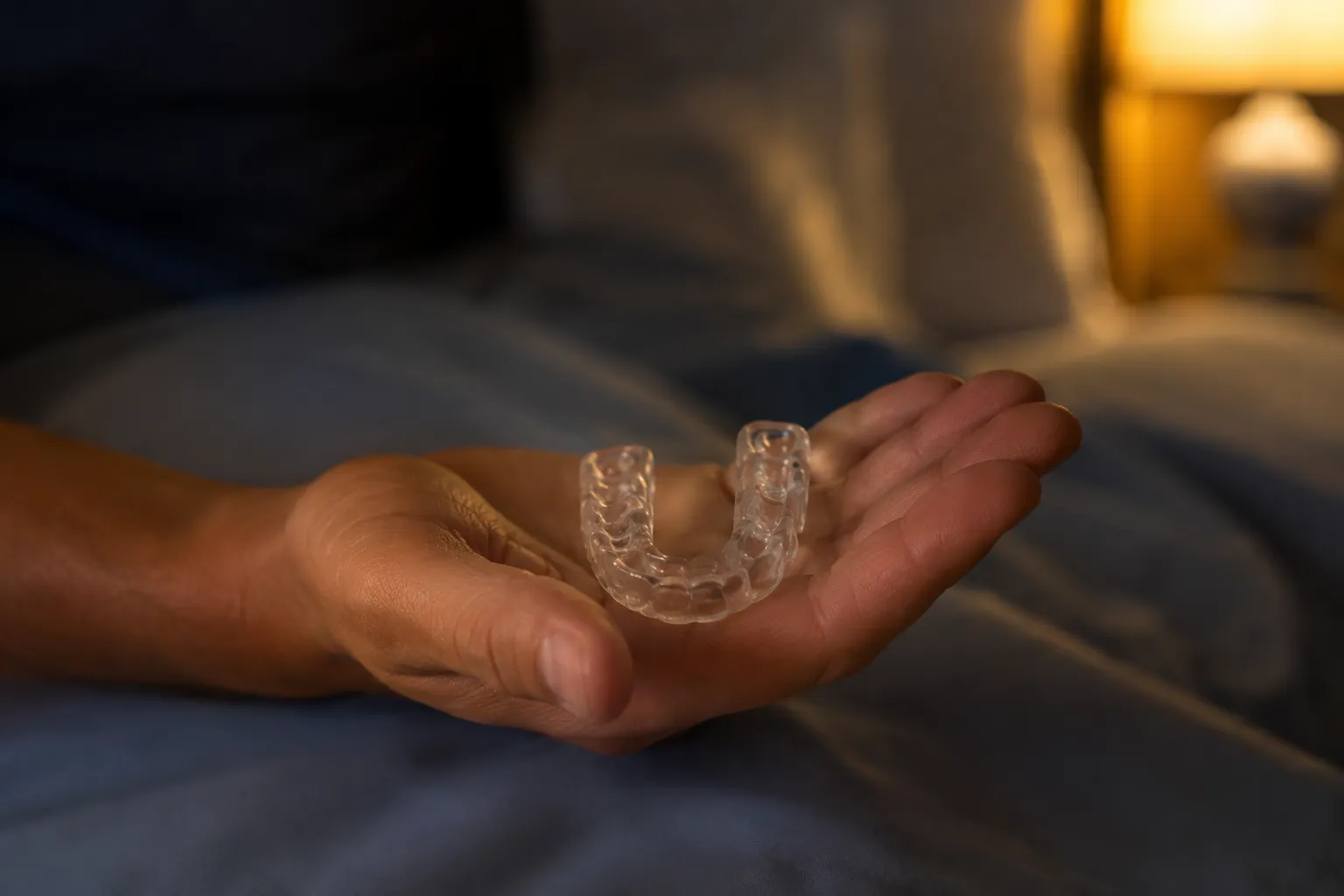
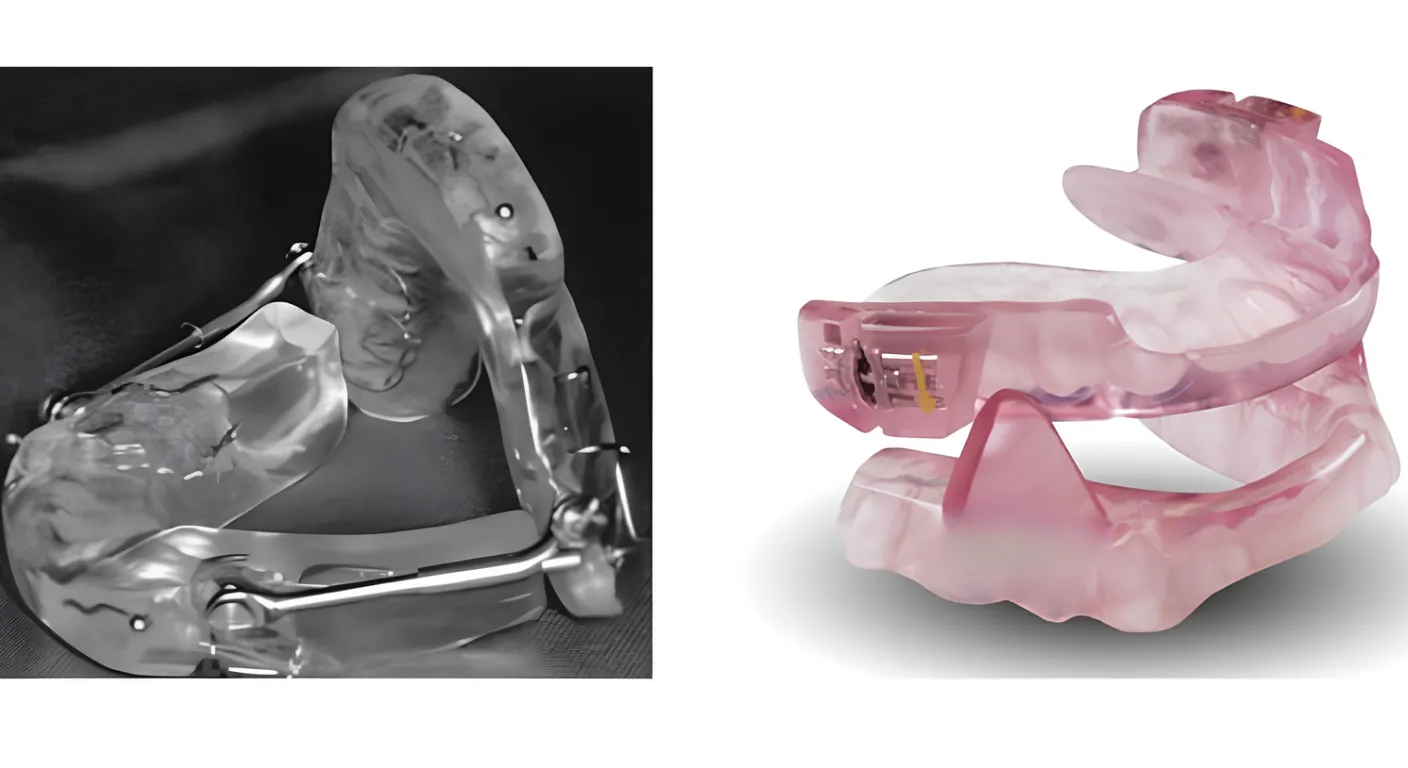
An oral appliance is a custom-made dental device worn while sleeping.
The appliance works by gently repositioning the lower jaw and tongue to help keep the airway open during the night.
Many patients compare it to wearing a mouthguard or orthodontic retainer.
Oral appliance therapy is commonly recommended for:
🔹 Mild to moderate sleep apnea
🔹 Chronic snoring
🔹 Patients who cannot tolerate CPAP therapy
🔹 Frequent travelers looking for a portable solution
Because oral appliances are compact and easy to use, they have become increasingly popular among sleep apnea patients.
CPAP vs. Oral Appliance: Effectiveness
When comparing effectiveness, CPAP generally provides the highest level of airway support.
CPAP therapy:
🔹 Delivers consistent airflow
🔹 Treats mild, moderate, and severe sleep apnea
🔹 Often produces the greatest reduction in breathing interruptions
Oral appliance therapy:
🔹 Can be highly effective for mild to moderate OSA
🔹 Works well for many patients who sleep on their backs
🔹 May not be sufficient for some severe cases
The best treatment depends on the severity of your condition, anatomy, and overall health.
Comfort and Ease of Use
One of the biggest reasons patients explore alternatives to CPAP is comfort.
Some CPAP users experience:
🔹 Mask discomfort
🔹 Dry mouth
🔹 Air leaks
🔹 Skin irritation
🔹 Difficulty adjusting to sleeping with equipment
In contrast, oral appliances are:
🔹 Small and lightweight
🔹 Easy to wear
🔹 Quiet
🔹 Portable
🔹 Convenient for travel
Many patients find oral appliances easier to incorporate into their nightly routine.
Which Option Is Better for Travel?
For people who travel frequently, portability can be a major factor.
CPAP machines require:
🔹 Electrical power
🔹 Equipment maintenance
🔹 Travel-friendly packing
Oral appliances offer:
🔹 Compact design
🔹 No cords or batteries
🔹 Easy transportation
🔹 Simple cleaning and storage
For business travelers and frequent flyers, oral appliance therapy often provides greater convenience.
Cost Considerations
Treatment costs can vary depending on your provider, insurance coverage, and specific treatment plan.
CPAP costs may include:
🔹 Machine purchase
🔹 Masks and tubing
🔹 Replacement supplies
🔹 Ongoing maintenance
Oral appliance therapy may include:
🔹 Consultation and evaluation
🔹 Custom appliance fabrication
🔹 Follow-up adjustments
Many insurance plans provide coverage for both treatment options when medically necessary.
It's important to discuss your coverage and long-term costs with your healthcare provider.
Who Is a Good Candidate for an Oral Appliance?
You may be a strong candidate for oral appliance therapy if you:
🔹 Have mild or moderate sleep apnea
🔹 Cannot tolerate CPAP therapy
🔹 Prefer a less invasive treatment option
🔹 Travel frequently
🔹 Experience chronic snoring
A qualified sleep specialist or dental sleep medicine provider can determine whether an oral appliance is appropriate for your condition.
CPAP vs. Oral Appliance: Which Is Right for You?
There is no one-size-fits-all answer.
CPAP may be the better choice if you:
🔹 Have moderate to severe sleep apnea
🔹 Need maximum airway support
🔹 Want the most clinically effective treatment
An oral appliance may be ideal if you:
🔹 Have mild to moderate sleep apnea
🔹 Struggle with CPAP compliance
🔹 Prefer a more comfortable and portable solution
🔹 Want a quieter treatment option
The best treatment is ultimately the one you can use consistently and comfortably every night.
Why a Professional Evaluation Matters
Choosing the right sleep apnea treatment starts with an accurate diagnosis.
A sleep specialist can evaluate:
🔹 The severity of your sleep apnea
🔹 Your airway anatomy
🔹 Existing health conditions
🔹 Lifestyle preferences
🔹 Previous treatment experiences
Based on these factors, they can recommend the treatment most likely to deliver successful long-term results.
Schedule your consultation today and take the first step toward healthier, more restful sleep.

Need help ?
Schedule your initial consultation today and start your journey towards a pain-free, healthier smile. Contact us now!
Blog Suggestions
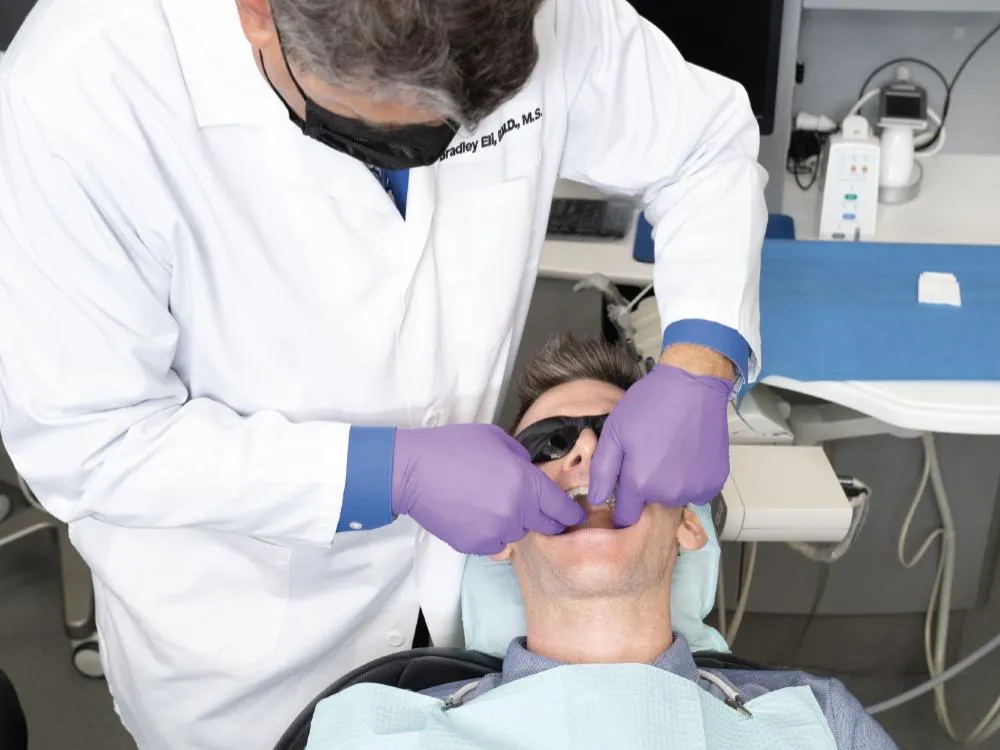
How does a SomnoMed oral appliance work for sleep apnea?
A SomnoMed oral appliance is a custom-fitted mandibular advancement device that holds the lower jaw forward during sleep, enlarging the airway and preventing apneic collapse.
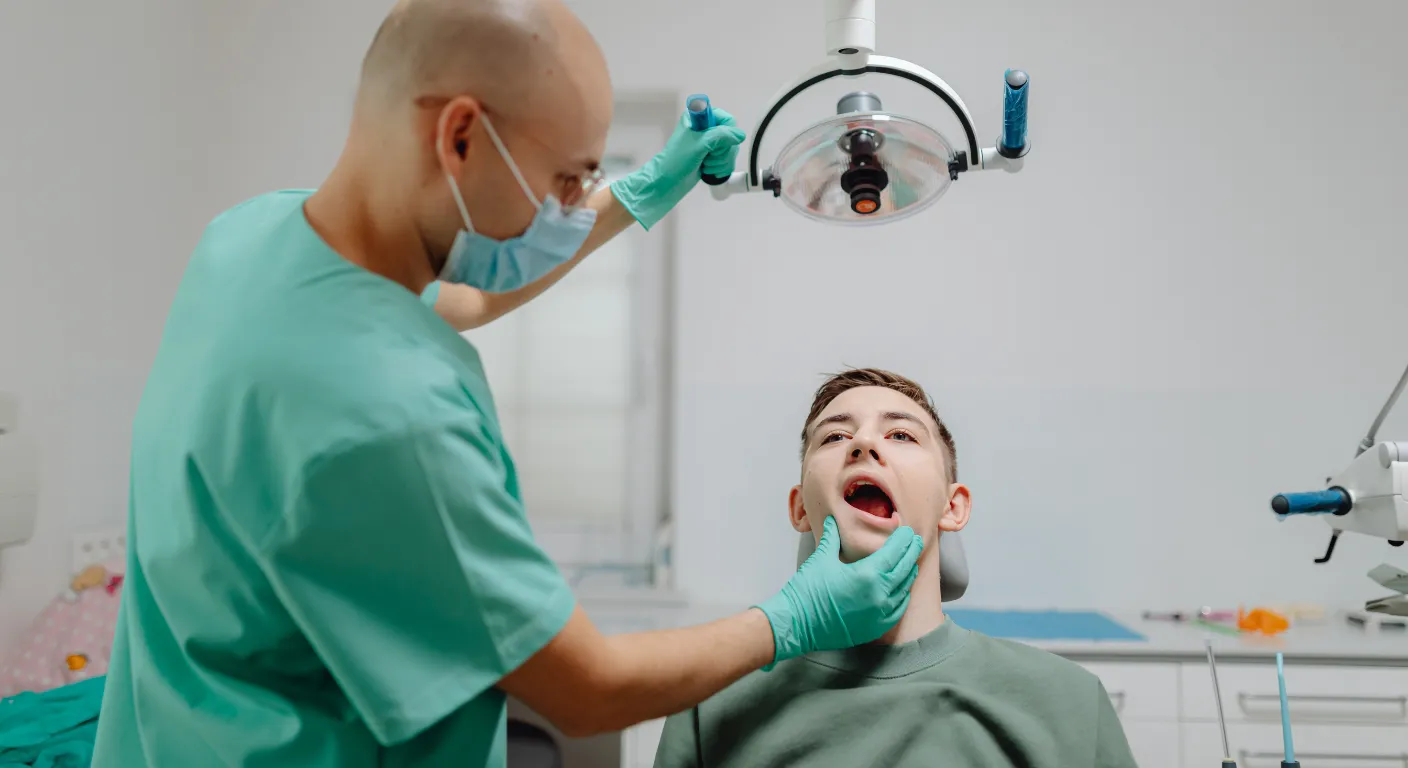
How do you screen dental patients for obstructive sleep apnea?
Screening dental patients for obstructive sleep apnea combines a validated questionnaire, a focused airway examination, and a clear referral trigger.
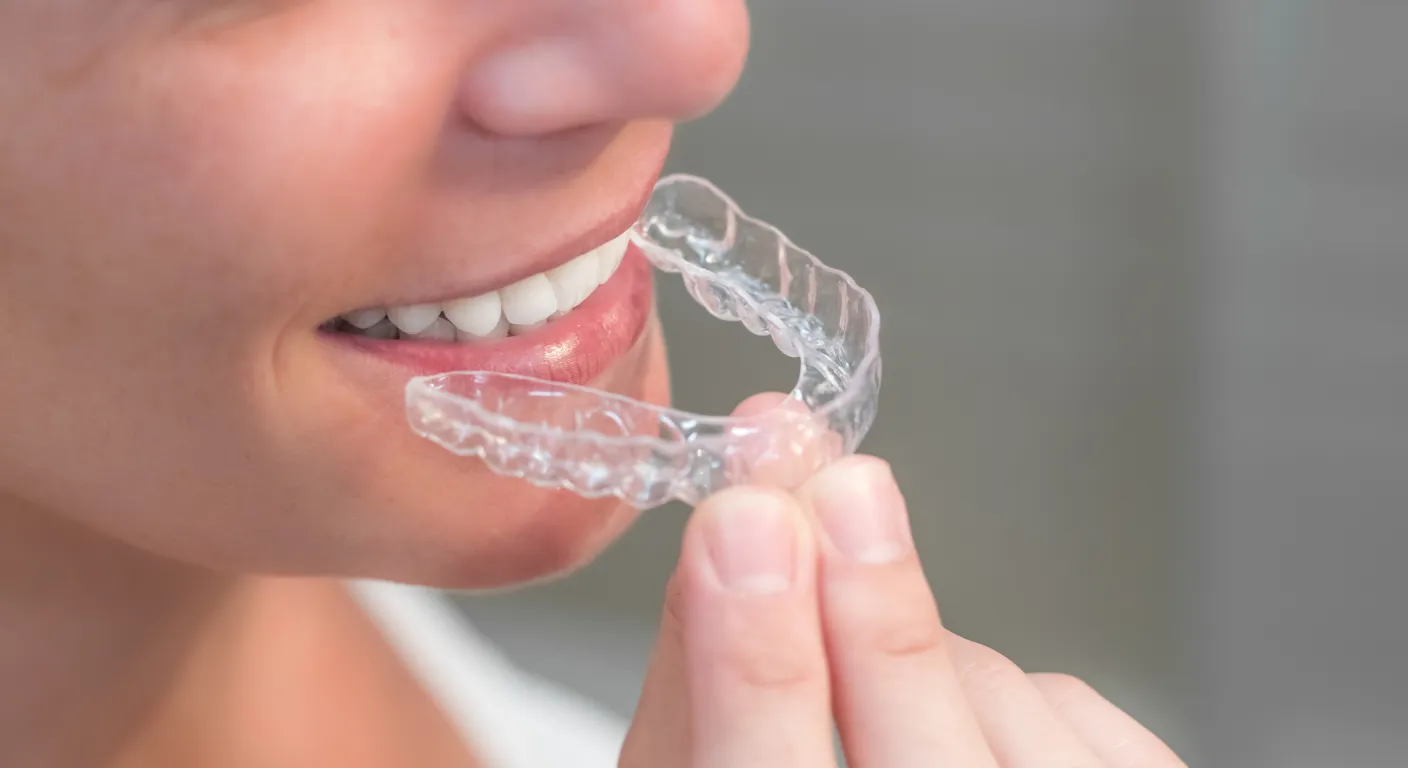
What are the AASM/AADSM guidelines for oral appliance therapy in 2026?
A patient-friendly guide to the current AASM and AADSM recommendations for oral appliance therapy in 2026, covering diagnosis, custom titratable appliances, physician-dentist collaboration, follow-up testing, and what's new with the GRADE methodology.
Prospective Study of Patients with OSA Treated with Mandibular Advancement Devices
A prospective study following OSA patients on mandibular advancement devices shows meaningful drops in the apnea-hypopnea index, less daytime sleepiness, better oxygen levels, and high treatment adherence.