
The Dangerous Link Between Sleep Deprivation, Exposure to Violence, and Adolescent Violence
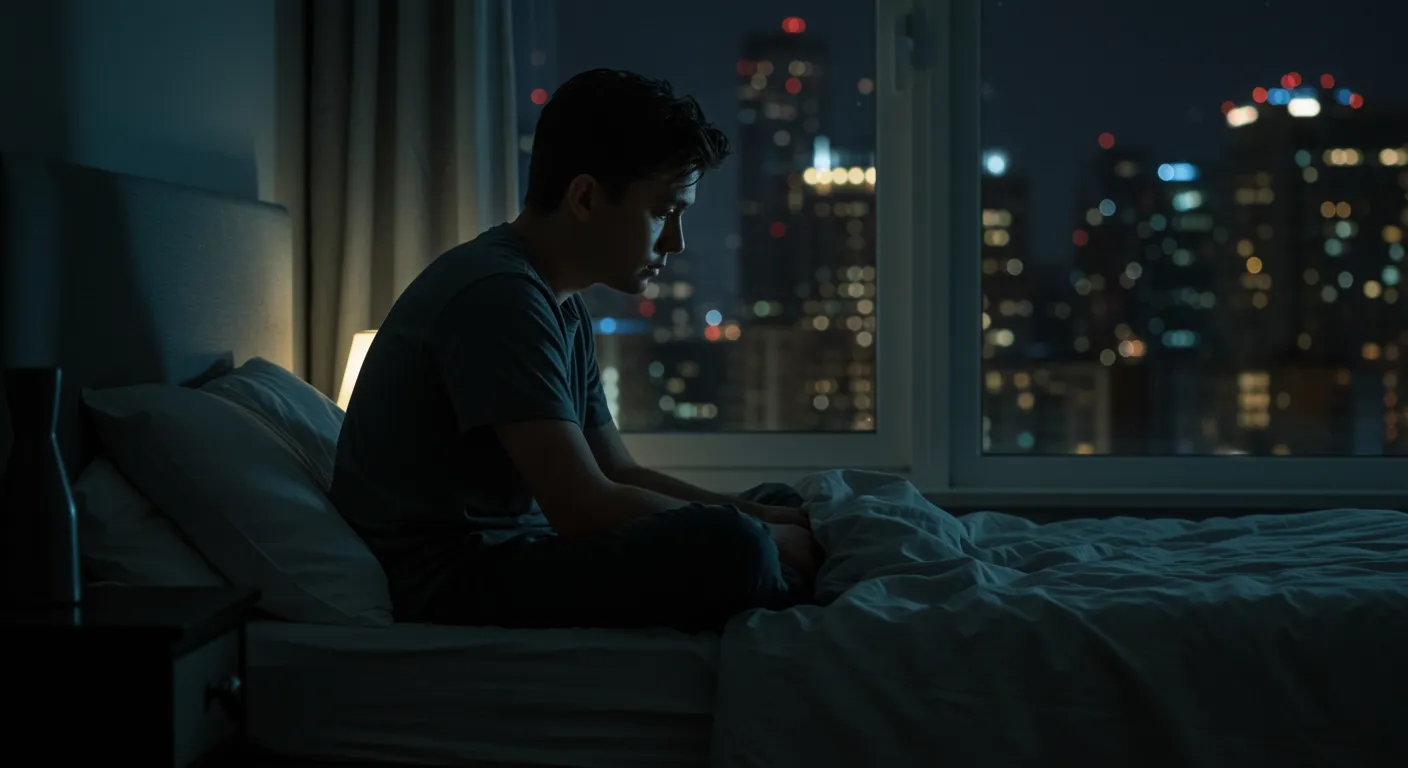
Adolescence is a critical time for growth and development, where both physical and psychological changes are at their peak. Yet, many teens today face two concerning issues that could deeply impact their well-being: insufficient sleep and exposure to violence. When combined, these factors can create a dangerous cycle, significantly increasing the likelihood of violent behaviors in adolescents.
Insufficient Sleep: More Than Just Fatigue
In a world of late-night screen time, academic pressure, and social media distractions,adolescents often struggle to get the recommended 8-10 hours of sleep. But the consequences of sleep deprivation extend far beyond feeling tired during the school day. Chronic lack of sleep can lead to mood instability, impaired decision-making, and heightened stress — all of which contribute to an increased risk of aggressive behaviors.
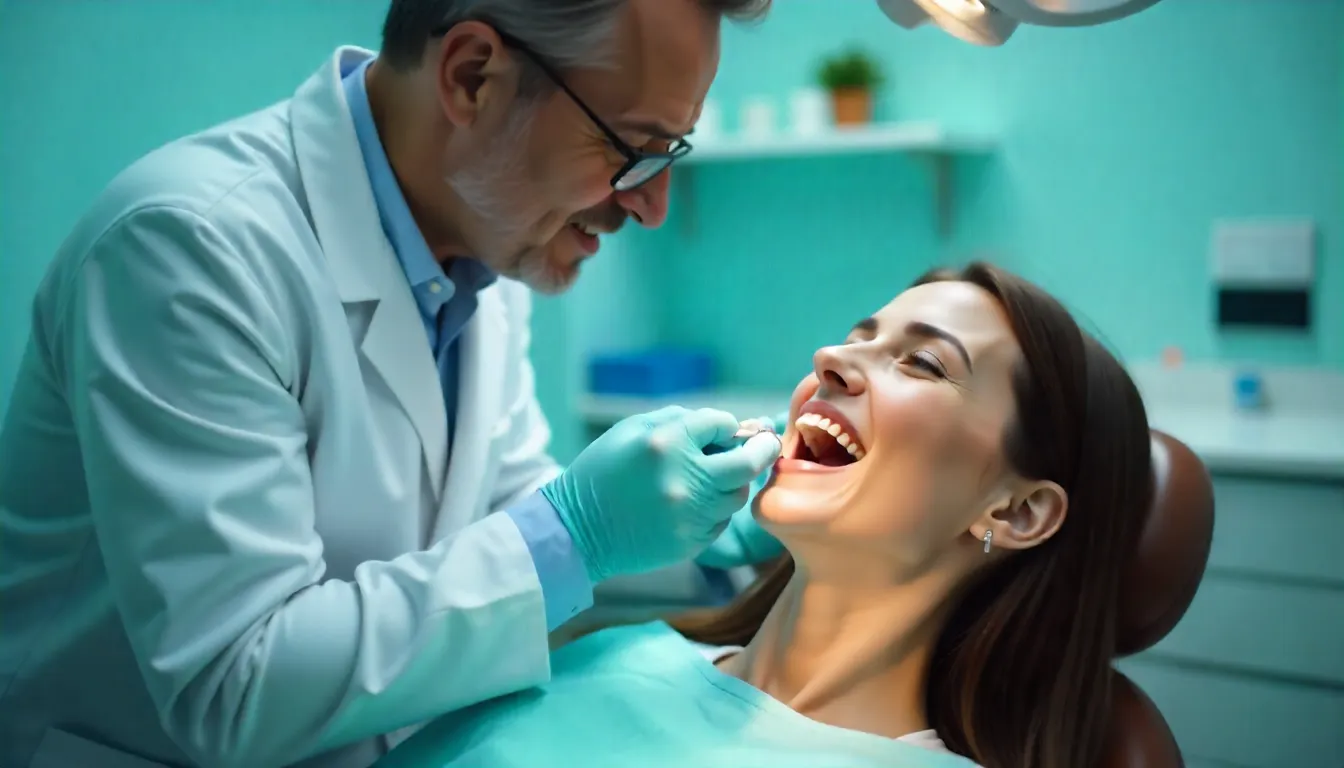
Your oral health is more important than you might realize. It's not just about having a bright smile, it's about maintaining your overall well-being. Regular dental check-ups, proper brushing and flossing, and a healthy diet can prevent many dental issues.
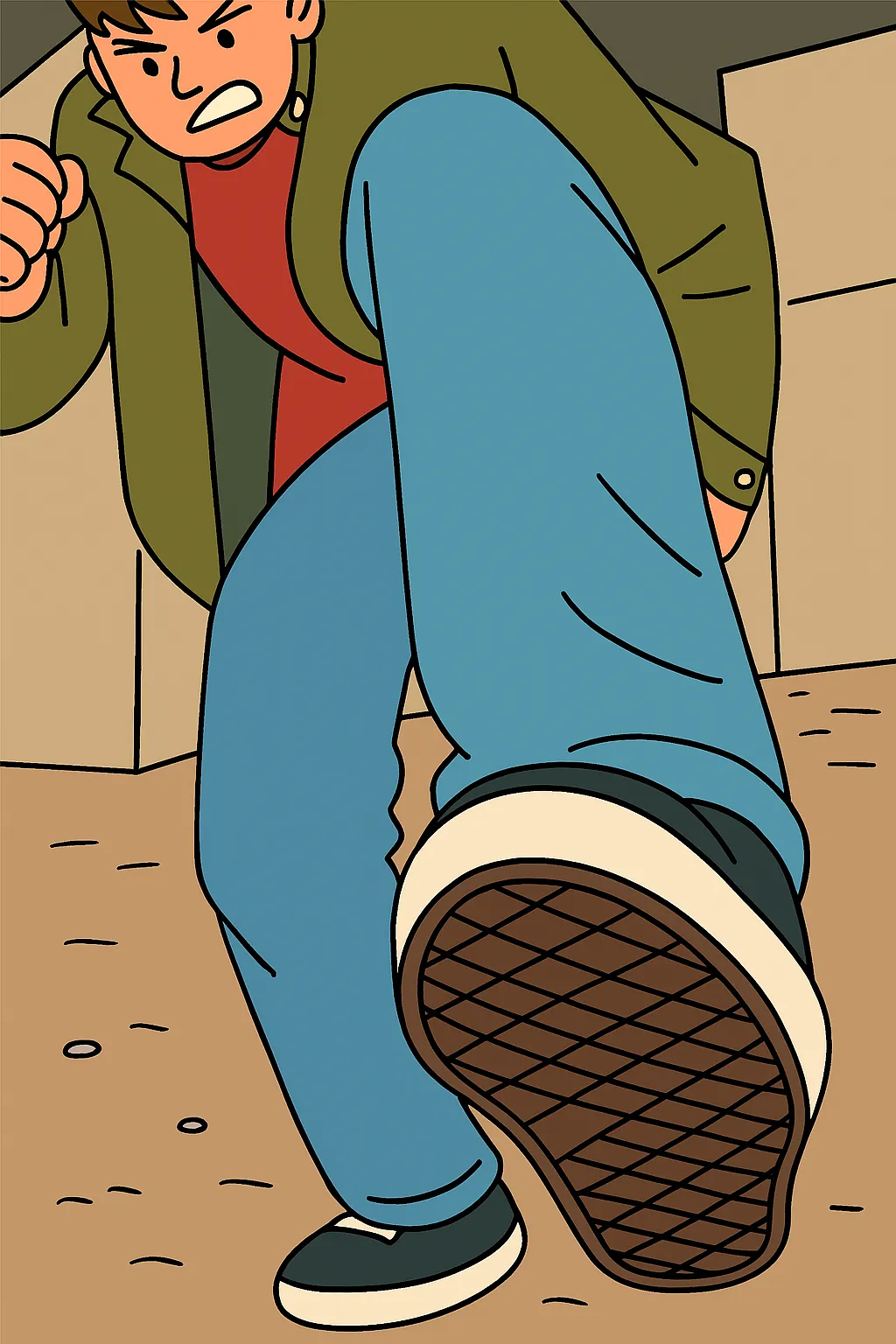
Sleep deprivation also affects brain function, particularly the prefrontal cortex, which controls impulse regulation and decision-making. Without sufficient rest, adolescents are more likely to act impulsively, reacting to situations with anger or aggression rather than thoughtful consideration.
Exposure to Violence: A Trauma That Lingers
Adolescents exposed to violence, whether in their homes, schools, or communities, face a range of psychological and emotional challenges. Constant exposure to traumatic events can lead to feelings of hopelessness, anxiety, and fear. These emotional scars can also manifest as externalized behaviors, including aggression and violent tendencies.
Research suggests that violence exposure, particularly in childhood and adolescence, can alter brain structures associated with emotional regulation and stress responses. When young people witness or experience violence, their bodies and minds enter a state of chronic stress, which can lead to an overactive fight-or-flight response. This heightened sense of danger can cause teens to react violently in situations where calmer responses would otherwise be possible.
The Dangerous Combination
When insufficient sleep and exposure to violence intersect, the risks become even greater. Sleep deprivation reduces an adolescent's ability to process and cope with traumatic experiences, making them more vulnerable to the negative effects of violence exposure. Without proper rest, their emotional resilience weakens, and they may find it even harder to control aggressive impulses.
A study published in Psychological Medicine found that adolescents who experienced both insufficient sleep and exposure to violence were more likely to engage in violent behaviors themselves. This suggests a feedback loop: sleep deprivation exacerbates the emotional turmoil caused by trauma, leading to increased aggression, while exposure to violence may further disrupt healthy sleep patterns.
Breaking the Cycle
Addressing the link between sleep deprivation, violence exposure, and violent behaviors requires a multi-faceted approach. Schools and communities can play a pivotal role in promoting healthy sleep habits and providing resources to help teens cope with trauma. Encouraging healthy sleep routines, offering counseling services, and creating safe environments can all reduce the likelihood of violent behaviors and promote overall well-being
In conclusion, the relationship between insufficient sleep, exposure to violence, and adolescent violence is complex and interdependent. By addressing both sleep issues and trauma, we can help break the cycle of violence and foster healthier, more resilient young people.

Need help ?
Schedule your initial consultation today and start your journey towards a pain-free, healthier smile. Contact us now!
Blog Suggestions
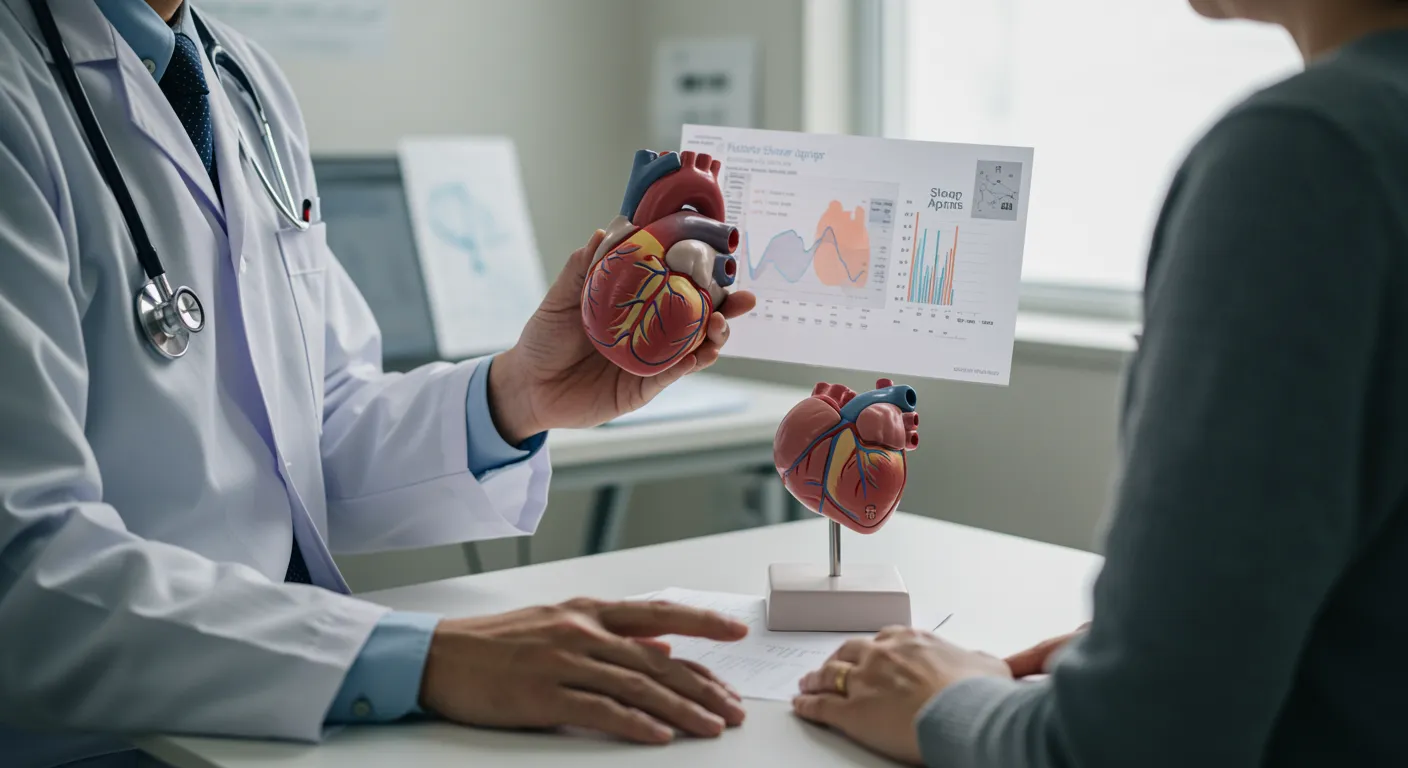
Associations Amoung nonrestorative sleep status, sleep apnea syndrome and major adverse cardiac and cerebrovascular events
Sleep is a fundamental biological process essential for the restoration of physical and mental health.
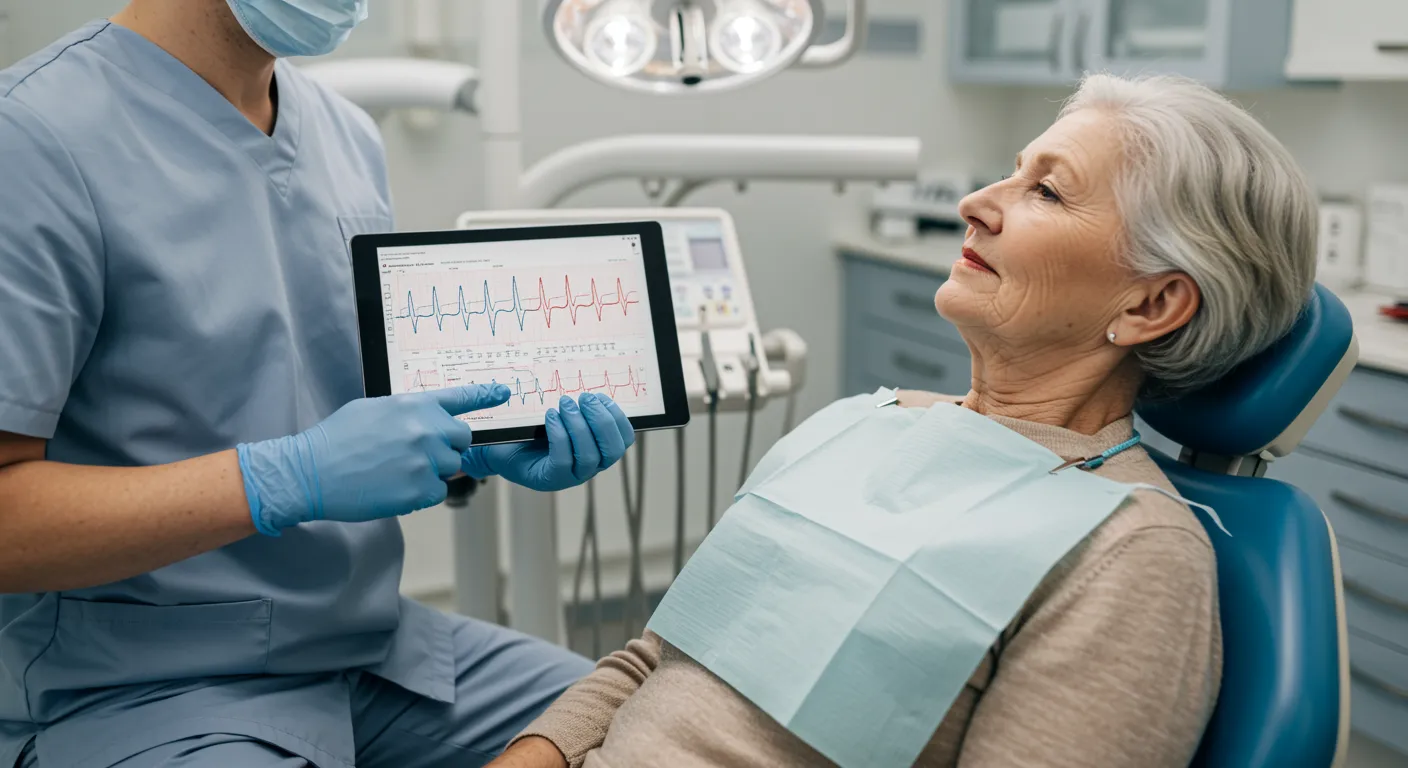
Sleep Apnea, Heart Attack, Stroke & Oral Appliance Therapy
In recent years, the links between sleep apnea syndrome (SAS), nonrestorative sleep status (NRS), and major adverse cardiovascular and cerebrovascular events (MACCE) have drawn growing attention in the medical community.

Dementia and Sleep Apnea
Dementia, a cognitive decline that affects memory and other mental functions, is often linked with sleep disturbances such as sleep apnea. Sleep apnea is characterized by interrupted breathing during sleep, leading to fragmented, nonrestorative sleep. This can result in excessive daytime sleepiness, which may accelerate the progression of dementia by impairing cognitive function and promoting brain inflammation.
Can Mandibular Advancement Devices (MADs) Cause or Worsen TMJ Problems in Sleep Apnea Patients?
Obstructive Sleep Apnea Syndrome (OSAS) is a common sleep-related breathing disorder often managed with Continuous Positive Airway Pressure (CPAP) or Mandibular Advancement Devices (MADs).