
Prospective Study of Patients with OSA Treated with Mandibular Advancement Devices
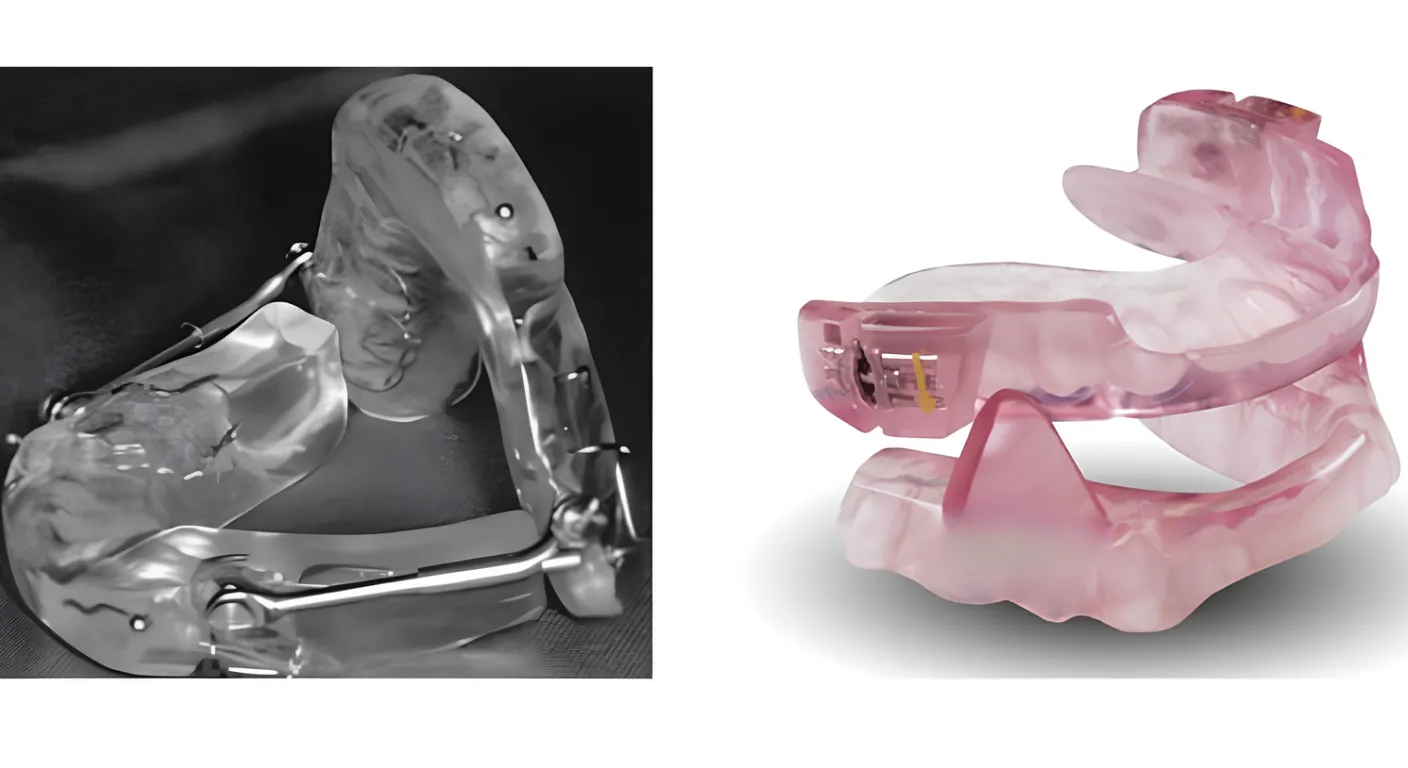
Obstructive sleep apnea (OSA) is a chronic condition in which the upper airway repeatedly narrows or collapses during sleep, causing pauses in breathing, drops in blood oxygen, and fragmented, nonrestorative rest. Left untreated, OSA is linked to daytime sleepiness, impaired concentration, high blood pressure, and an increased risk of cardiovascular disease.
Mandibular advancement devices (MADs) have emerged as a well-tolerated alternative to CPAP for many patients, and prospective clinical studies help us understand just how effective they are over time. This article summarizes what a prospective study of patients treated with MADs typically examines, what the findings tend to show, and what it means for patients and clinicians.
What Is a Prospective Study?
A prospective study follows a group of patients forward in time, collecting data at a defined baseline and then again at scheduled follow-up points after treatment begins. Unlike retrospective reviews that look back at existing records, a prospective design lets researchers measure change directly—recording objective outcomes such as the apnea-hypopnea index (AHI) alongside subjective measures like daytime sleepiness and quality of sleep. This approach reduces bias and produces stronger evidence about whether a treatment truly works.
Your oral health is more important than you might realize. It's not just about having a bright smile, it's about maintaining your overall well-being. Regular dental check-ups, proper brushing and flossing, and a healthy diet can prevent many dental issues.
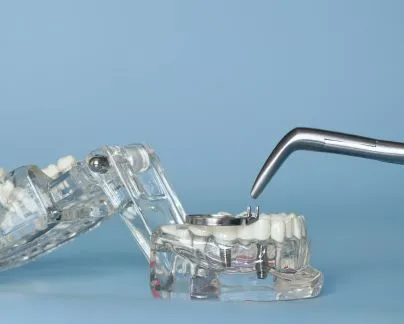

How Mandibular Advancement Devices Work
A mandibular advancement device is a custom-fitted oral appliance worn during sleep. It gently holds the lower jaw (mandible) in a forward position, which pulls the tongue and surrounding soft tissues away from the back of the throat. By enlarging and stabilizing the upper airway, the device reduces the collapse that causes apneas and hypopneas. Because MADs are compact, quiet, and require no electricity or mask, many patients find them easier to use consistently than CPAP.
Study Design and Participants
In a typical prospective study, patients diagnosed with mild to moderate—or in some cases severe—OSA are enrolled and fitted with a custom, titratable MAD. Baseline measurements are taken through a sleep study, and patients complete validated questionnaires such as the Epworth Sleepiness Scale. The device is then gradually advanced over several weeks to find the position that best balances symptom relief with comfort. Follow-up assessments, often at three, six, and twelve months, track how outcomes evolve.
Key Outcomes Measured
Reduction in Apnea-Hypopnea Index (AHI):
The AHI counts the number of apneas and hypopneas per hour of sleep and is the primary objective marker of OSA severity. Prospective studies of MAD therapy consistently report a meaningful drop in AHI, with many patients moving from moderate or severe categories into the mild or normal range.
Improvement in Daytime Sleepiness:
Excessive daytime sleepiness is one of the most disruptive symptoms of OSA. Studies routinely show lower Epworth Sleepiness Scale scores after treatment, reflecting better alertness and daytime function.
Oxygen Saturation:
Nighttime oxygen levels typically improve as airway obstruction decreases, reducing the physiological strain that untreated OSA places on the heart and blood vessels.
Sleep Quality and Quality of Life:
Patients often report deeper, more refreshing sleep, less snoring, and improvements in mood, energy, and overall well-being.
Treatment Adherence and Side Effects
One of the strongest advantages MADs demonstrate in prospective studies is adherence. Because the appliance is comfortable and unobtrusive, reported nightly use tends to be high. Side effects are usually mild and temporary, including excess salivation, dry mouth, minor tooth discomfort, or transient jaw tightness in the morning. Most of these resolve as patients adjust, and regular follow-up with the treating dentist helps manage them early.
Interpreting the Findings
The consistent message from prospective research is that mandibular advancement devices provide clinically significant improvements for a large proportion of patients with OSA. While CPAP may achieve larger reductions in AHI on paper, MADs often close the gap in real-world effectiveness because patients actually wear them. For individuals with mild to moderate OSA, or those who cannot tolerate CPAP, a MAD represents a durable, evidence-supported option.
Clinical Takeaways
Prospective studies reinforce that oral appliance therapy works best as part of a coordinated care pathway: an accurate diagnosis, a custom titratable device, careful advancement to the optimal position, and structured follow-up to confirm results and manage side effects. Ongoing monitoring—ideally including a repeat sleep study—ensures the device continues to control the condition over the long term.
Final Thoughts
Prospective studies of patients with OSA treated with mandibular advancement devices offer reassuring evidence that these appliances meaningfully reduce apnea events, ease daytime sleepiness, and improve sleep quality and adherence. For many patients, a well-fitted MAD delivers effective, comfortable, and sustainable relief. Anyone who suspects they have sleep apnea should seek evaluation from a qualified sleep professional to determine whether oral appliance therapy is the right fit for their needs.

Need help ?
Schedule your initial consultation today and start your journey towards a pain-free, healthier smile. Contact us now!
Blog Suggestions
Oral Appliance Therapy — Cracking the Code
A plain-language guide to how oral appliance therapy works, who it helps, why titration and follow-up matter, and what it takes to get consistently good results for snoring and obstructive sleep apnea.

Correspondence Regarding Pediatric OSA, Snoring and Oropharyngeal Dysbiosis
A commentary on reports linking pediatric OSA and primary snoring to oropharyngeal dysbiosis and mild gut imbalance — what the associations can and cannot show, why mouth breathing is a major confounder, and what it means for dental sleep medicine.
Actigraphy Shows Many Adults Underestimate Their Sleep Duration
Wrist actigraphy often records more sleep than adults report, especially in poor sleepers. Here's why the gap appears, why fragmented breathing widens it, and how the discrepancy itself becomes useful clinical information.
Why Airway Orthodontics Is Going Mainstream And What That Means for Your Practice
Airway orthodontics is moving from the fringe to mainstream dentistry. Here's what it actually is, why it's gaining momentum, where it fits in a general practice, and how to adopt it responsibly without overreaching on the evidence.