
What is obstructive sleep apnea, and how do you know if you have it?
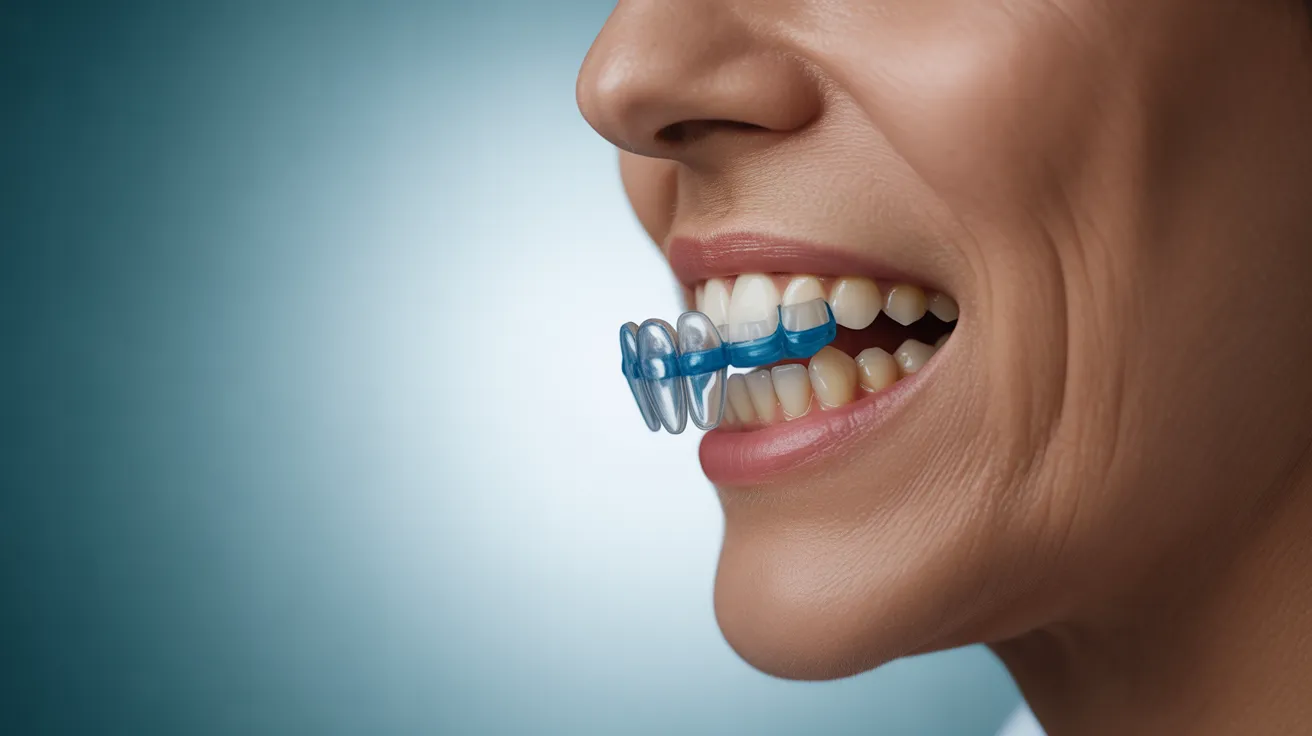
Obstructive sleep apnea (OSA) is a chronic medical condition in which the muscles of the upper airway relax during sleep, causing repeated partial or complete blockages of airflow. According to the American Academy of Sleep Medicine (AASM), these breathing pauses must occur at least five times per hour to qualify for diagnosis. Hallmark warning signs include loud habitual snoring, witnessed gasping or choking at night, and persistent daytime fatigue despite a full night in bed. If you recognize these patterns in yourself or a partner, a clinical evaluation and objective sleep test are the next steps toward an accurate answer.
What Obstructive Sleep Apnea Actually Is
OSA occurs when the tongue, soft palate, and pharyngeal tissues collapse inward as muscle tone drops during sleep. Each obstructive event reduces oxygen levels and triggers a brief arousal from deep sleep, even if you do not consciously remember waking. The AASM grades severity by the apnea-hypopnea index (AHI): mild is 5 to 14 events per hour, moderate is 15 to 29, and severe is 30 or more. Left untreated, OSA increases the long-term risk of hypertension, atrial fibrillation, type 2 diabetes, stroke, and motor vehicle accidents tied to drowsy driving.
Hallmark Symptoms to Watch For
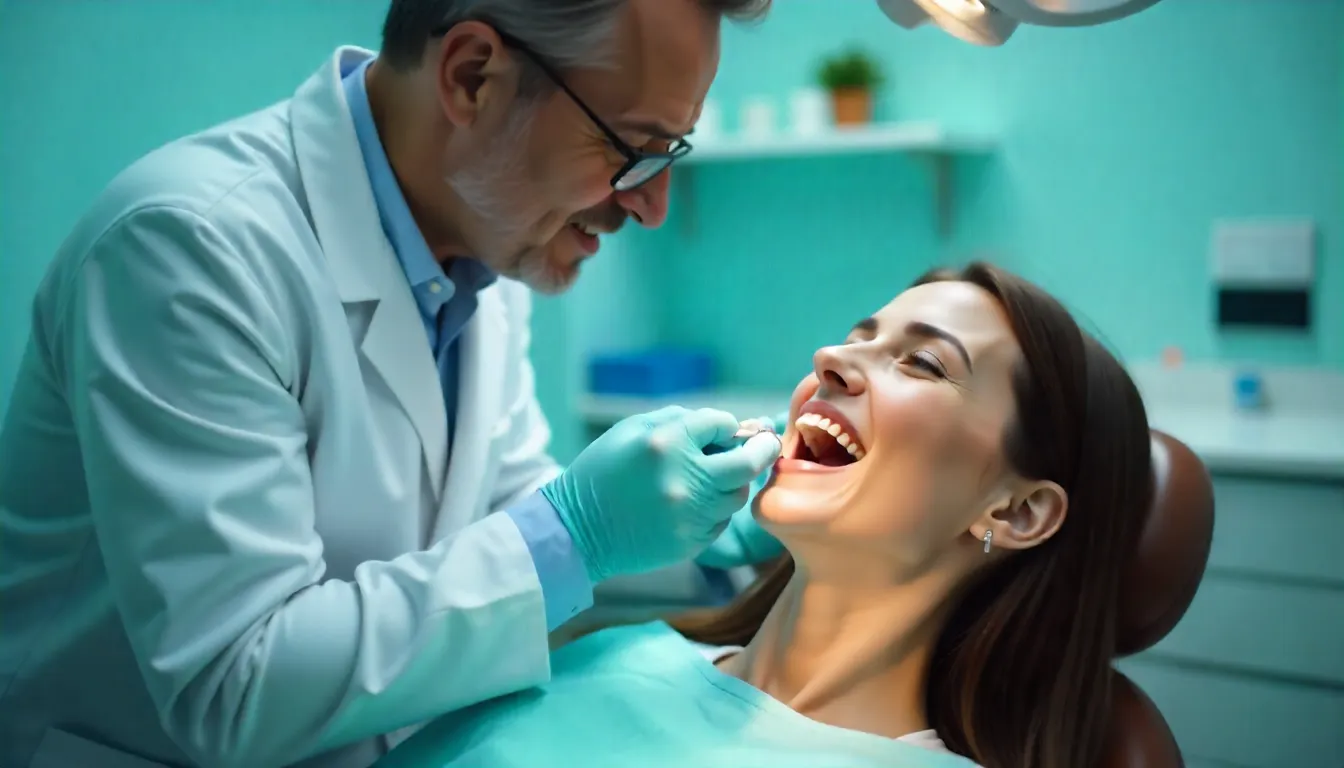
Your oral health is more important than you might realize. It's not just about having a bright smile, it's about maintaining your overall well-being. Regular dental check-ups, proper brushing and flossing, and a healthy diet can prevent many dental issues.
The most reliable nighttime indicator is loud, disruptive snoring punctuated by silent pauses and a gasping or snorting recovery breath. Bed partners often notice these events long before the patient does. Daytime symptoms include unrefreshing sleep, morning headaches that fade within an hour of waking, dry mouth or sore throat, difficulty concentrating, mood changes, and falling asleep involuntarily during sedentary tasks. Nocturia, or frequent nighttime urination not explained by fluid intake, is another commonly overlooked clue.
Who Is Most at Risk
The National Institutes of Health (NIH) identifies several risk factors that raise OSA likelihood, including male sex, age over 40, a body mass index above 30, a neck circumference greater than 17 inches in men or 16 inches in women, and a family history of sleep apnea. Anatomic contributors such as a recessed lower jaw, large tonsils, a thick tongue, or a deviated septum also matter. Postmenopausal women, patients with hypothyroidism, and those with type 2 diabetes have meaningfully elevated rates as well.
The STOP-BANG Screening Tool
STOP-BANG is an eight-item validated questionnaire endorsed by the AASM and widely used in primary care to estimate OSA risk before testing. The items are: Snoring, Tiredness, Observed apnea, high blood Pressure, BMI over 35, Age over 50, Neck size, and male Gender. A score of 3 or more suggests intermediate risk, and a score of 5 or higher indicates high risk of moderate-to-severe OSA. A positive screen does not diagnose OSA on its own, but it does justify ordering an objective sleep study.
Home Sleep Apnea Test or In-Lab Polysomnography
For uncomplicated adults with a high pretest probability of moderate-to-severe OSA, the AASM recommends a home sleep apnea test (HSAT) as a convenient first-line study. The device records airflow, respiratory effort, oxygen saturation, and heart rate over one or two nights in your own bed. In-lab polysomnography remains the gold standard when symptoms are mixed, when HSAT results are negative despite strong clinical suspicion, or when significant cardiopulmonary or neurologic comorbidities are present. Your sleep physician will choose the test that matches your risk profile.
When to Seek Evaluation
Anyone with loud nightly snoring plus observed pauses, gasping, or excessive daytime sleepiness should request a sleep evaluation, even without other risk factors. Patients with treatment-resistant hypertension, recent stroke, atrial fibrillation, or refractory mood symptoms also warrant screening per NIH and AASM guidance. Pediatric symptoms differ and can include bedwetting, behavioral problems, and mouth breathing, so children with chronic snoring deserve evaluation too.
Key Takeaways
- OSA is repeated airway collapse during sleep, diagnosed by an AHI of 5 or more events per hour.
- Loud snoring, witnessed gasping, and daytime fatigue are the three most telling symptoms.
- STOP-BANG is a fast, AASM-endorsed risk screen any clinician can administer.
- Home sleep apnea tests are appropriate for high-risk uncomplicated adults; in-lab polysomnography is reserved for complex cases.
- Untreated OSA raises cardiovascular, metabolic, and accident-related risks, so timely evaluation is worthwhile.
Frequently Asked Questions
Q: Can I have sleep apnea without snoring?
A: Yes, although it is less common. Some patients, especially women and lean individuals, present with insomnia, fatigue, or mood symptoms instead of loud snoring, which is why objective testing matters when suspicion is reasonable.
Q: How accurate is a home sleep apnea test?
A: For adults with a high pretest probability of moderate-to-severe OSA, the AASM considers HSAT accurate enough to confirm diagnosis. If results are negative but symptoms persist, in-lab polysomnography is the recommended next step.
Q: Will losing weight cure obstructive sleep apnea?
A: Weight loss can meaningfully reduce AHI and is encouraged by the NIH for overweight patients, but it does not reliably eliminate OSA on its own. Most patients still need CPAP or an oral appliance during and after weight loss.
Q: Is sleep apnea hereditary?
A: Family history is a recognized risk factor because airway anatomy and craniofacial structure are partly inherited. If a parent or sibling has OSA, your own risk is roughly two times higher than the general population.
Q: How long does it take to get diagnosed?
A: From initial appointment to confirmed diagnosis, the typical timeline is two to six weeks, depending on test type and scheduling. Treatment usually begins within another two to four weeks after the results review.
Final Thoughts
Obstructive sleep apnea is common, underdiagnosed, and highly treatable once identified. If you recognize the warning signs in yourself or a loved one, do not dismiss them as ordinary snoring or stress-related fatigue. Speak with a qualified sleep physician or a dentist credentialed in dental sleep medicine to arrange screening and an appropriate sleep study. Restorative breathing during sleep is foundational to long-term cardiovascular, metabolic, and cognitive health.

Need help ?
Schedule your initial consultation today and start your journey towards a pain-free, healthier smile. Contact us now!
Blog Suggestions
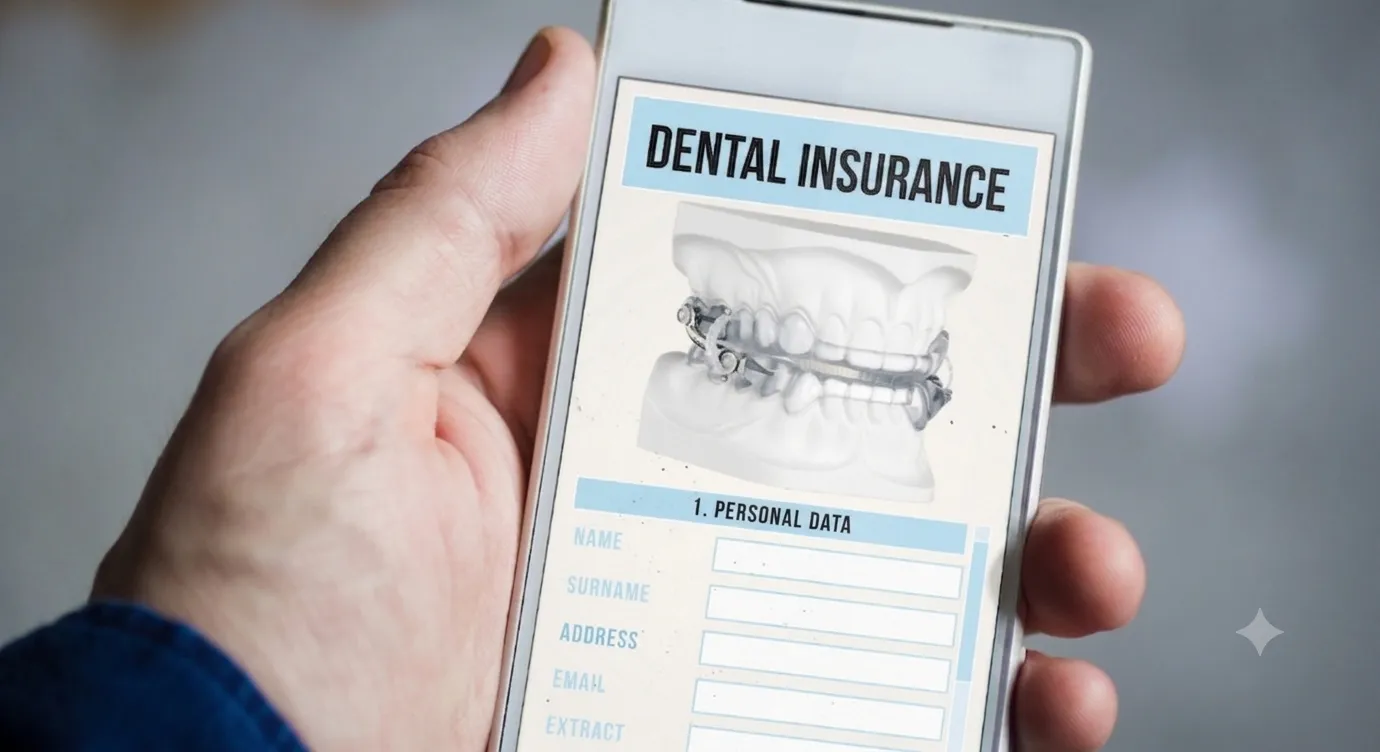
What does an oral appliance for sleep apnea cost, and does insurance cover it?
Custom oral appliances typically cost $1,800 to $3,500 cash, with most insured patients owing far less. They are billed under medical insurance using HCPCS code E0486.
How long does it take to get used to a sleep apnea mouthguard?
Most patients fully adjust to a sleep apnea mouthguard within two to six weeks of nightly use. Initial jaw stiffness, extra saliva, and tooth tenderness are common and transient.
Can a dentist treat sleep apnea without a sleep study?
No. A dentist cannot diagnose or treat obstructive sleep apnea with oral appliance therapy in the absence of a valid sleep study and a physician diagnosis.

How do you co-manage sleep apnea patients with a sleep physician?
Co-managing OSA with a sleep physician means each clinician owns a defined slice of the care pathway and documents handoffs in writing.