
What does an oral appliance for sleep apnea cost, and does insurance cover it?
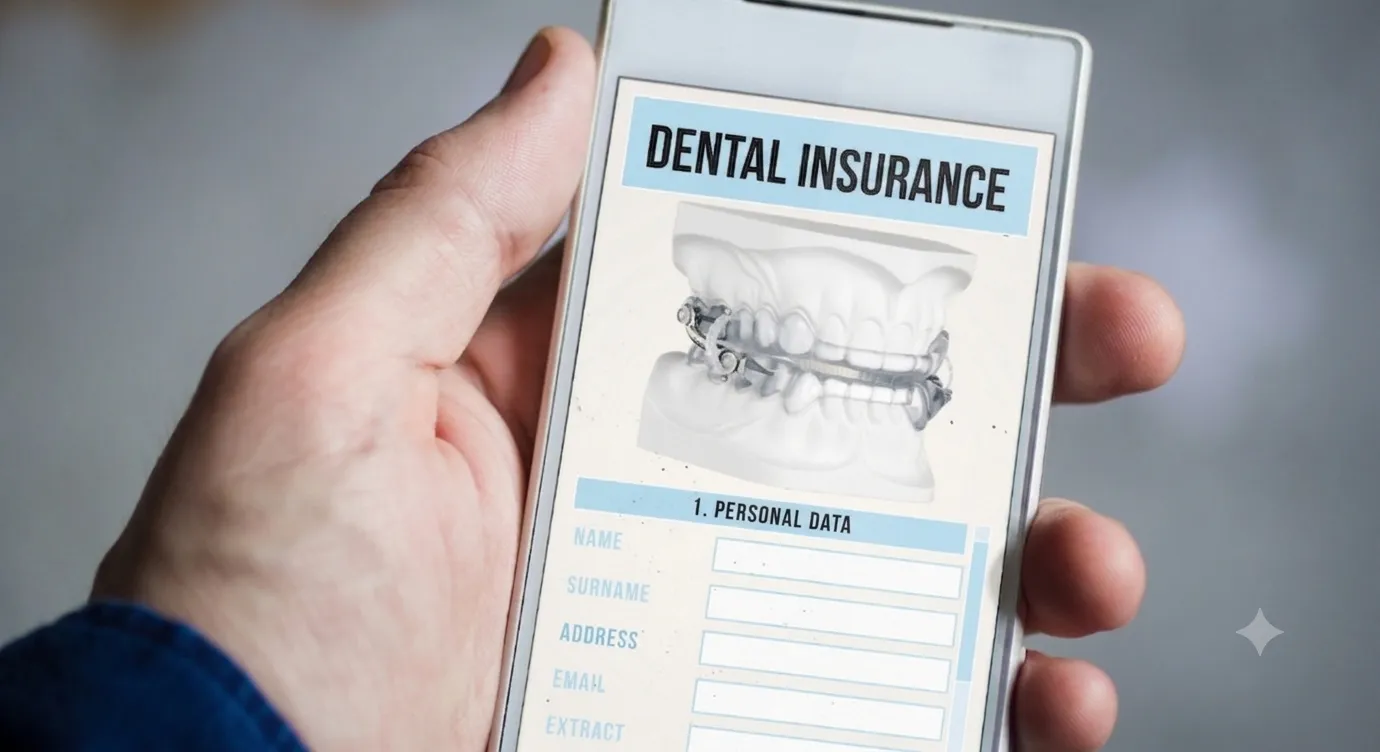
If you've been researching treatment for sleep apnea or chronic snoring, you've probably already learned that a custom oral appliance is smaller, quieter, and easier to live with than a CPAP machine. The next question almost every patient asks is simpler and more practical. What is this actually going to cost me, and will my insurance help pay for it?
The honest answer is that the price varies more than most people expect, and coverage depends heavily on your specific plan and diagnosis. This guide breaks down real cost ranges, what that price actually includes, how Medicare and private insurance evaluate coverage, and the exact terms you'll want to know before you call your insurer.
Why the Cost of an Oral Appliance Varies So Much
There is no single price tag for oral appliance therapy because several factors shift the total cost from patient to patient:
Your oral health is more important than you might realize. It's not just about having a bright smile, it's about maintaining your overall well-being. Regular dental check-ups, proper brushing and flossing, and a healthy diet can prevent many dental issues.
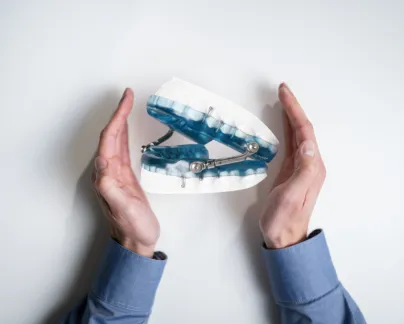
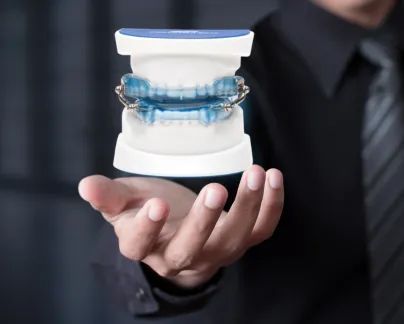
● Device type. A fully custom, titratable appliance costs more to design and fabricate than a simpler adjustable model.
● Provider and region. Fees in major metro areas tend to run higher than in smaller markets.
● Diagnostic workup. Whether you already have a recent sleep study on file, or need a new one, changes your total spend.
● Number of follow up visits. Oral appliance therapy involves gradual jaw adjustment over several visits, and some providers include more of these in their base fee than others.
● Insurance involvement. A claim submitted correctly through medical insurance can dramatically change what you personally owe compared to paying entirely out of pocket.
Typical Cost Without Insurance
For patients paying entirely out of pocket, a custom fabricated oral appliance for sleep apnea generally costs somewhere between $1,500 and $3,500, with many patients landing in the $1,800 to $2,500 range. That price typically bundles together the full process rather than charging piece by piece:
● The initial evaluation and consultation
● Dental impressions or digital scans of your teeth
● Laboratory fabrication of the custom device
● The fitting appointment
● A series of follow up titration visits where the jaw advancement is fine tuned
Lower cost, over the counter mouth guards exist for $50 to $200, but these are not custom fitted and are not considered appropriate for a diagnosed obstructive sleep apnea case. They're worth mentioning only so patients understand why a custom device, despite the higher price, is the recommended path for an actual OSA diagnosis rather than simple snoring.
What the HCPCS Code E0486 Actually Means
If you've seen the code E0486 on paperwork or in your research, here's what it represents. E0486 is the Healthcare Common Procedure Coding System code that Medicare and most private insurers use to bill for a custom fabricated, adjustable oral appliance used to treat obstructive sleep apnea.
A few details about this code matter for your wallet:
● It is a durable medical equipment (DME) code, not a dental procedure code. That means claims for it typically route through your medical insurance, not your dental plan.
● The E0486 code is meant to cover the entire process bundled together, including the initial fitting and the adjustments made during the first ninety days after you receive the device.
● Only appliances that meet specific design requirements, such as having a true fixed mechanical hinge, qualify to be billed under E0486. Devices that don't meet those requirements are billed differently, which can affect what your insurer approves.
Because E0486 is a DME code, the provider fitting your appliance generally needs to be enrolled as a Medicare or insurance approved DME supplier in order to bill it correctly.
Does Medicare Cover Oral Appliances for Sleep Apnea?
Yes, Medicare Part B can cover a custom oral appliance under its durable medical equipment benefit, but only when specific conditions are met:
1. You've had a face to face clinical evaluation with a physician specifically assessing you for obstructive sleep apnea, completed before your sleep test.
2. You have a Medicare covered sleep test confirming a diagnosis of obstructive sleep apnea (this diagnosis is coded as G47.33).
3. The appliance is prescribed by a physician and provided by a Medicare enrolled DME supplier.
4. The device itself meets Medicare's coding requirements to qualify under E0486.
When these boxes are checked, Medicare Part B typically pays its standard share of the approved amount after your deductible is met, with the patient responsible for the remaining coinsurance, often around 20 percent. The exact amount depends on your specific Medicare plan and whether you have supplemental coverage.
Does Private Insurance Cover Oral Appliance Therapy?
Most major private insurance plans, including plans from large national carriers, classify custom oral appliances as durable medical equipment under the medical benefit rather than the dental benefit. This distinction trips up a lot of patients. Submitting a claim to your dental insurance for a sleep apnea appliance is one of the most common reasons a claim gets denied. It needs to go through medical insurance instead.
For a private plan to approve coverage, insurers commonly require:
● A qualifying sleep study confirming an obstructive sleep apnea diagnosis
● A written prescription or letter of medical necessity from a physician
● Prior authorization submitted before the device is fabricated
● Documentation showing CPAP was tried and not tolerated, in some plans
When those requirements are met, coverage varies widely by plan. Some insurers cover a large majority of the approved cost after the deductible, while others apply the expense toward the deductible with limited additional contribution. There is no universal answer here, which is exactly why verifying your specific benefits before treatment begins is the single most useful step you can take.
Cost and Coverage Snapshot
A quick reference for what to expect across the most common scenarios:
● Custom appliance, out of pocket: roughly $1,500 to $3,500, with many patients in the $1,800 to $2,500 range.
● Over the counter mouth guard: $50 to $200, but not custom fitted and not appropriate for a diagnosed OSA case.
● Medicare Part B: covers E0486 after the deductible when criteria are met, with patients typically owing around 20 percent coinsurance.
● Private insurance: usually covered under the medical benefit after prior authorization, with the exact share varying widely by plan.
● Billing code to know: E0486, a durable medical equipment code billed through medical insurance, not dental.
How to Find Out Exactly What You'll Pay
Because coverage depends so heavily on your specific plan, diagnosis, and provider, the most reliable way to know your real cost is to have your benefits checked directly rather than relying on general estimates like the ones above. A provider experienced in medical billing for oral appliance therapy can typically:
● Confirm whether your plan covers E0486 and under what conditions
● Submit or assist with prior authorization paperwork
● Give you a clear, itemized estimate of your expected out of pocket cost before treatment begins
Frequently Asked Questions
Will my dental insurance cover an oral appliance for sleep apnea?
Usually not. Because these devices are classified as durable medical equipment, claims almost always need to go through medical insurance rather than a dental plan.
Do I need a sleep study before insurance will consider covering the cost?
Yes. Nearly every insurer, including Medicare, requires documented proof of an obstructive sleep apnea diagnosis from a qualifying sleep study before approving coverage.
Is a custom appliance really necessary, or can I use an over the counter option?
Over the counter mouth guards are far less expensive, but they are not custom fitted and generally aren't considered appropriate for a diagnosed OSA case. A custom device tends to fit better, work more effectively, and is what most insurers require documentation for anyway.
What if my insurance denies the claim?
Denials often happen due to missing documentation, an incorrect billing code, or a claim routed to dental instead of medical insurance. Many denials can be appealed successfully once the correct paperwork is submitted.
How can I get a clear answer on what I'll actually owe?
The most accurate way is to have a provider verify your specific benefits directly with your insurer before treatment starts, rather than relying on general cost estimates.
Get a Clear Answer Before You Commit
Cost shouldn't be a mystery when you're deciding on sleep apnea treatment. Rather than guessing based on averages, it's worth having your exact coverage confirmed so you know your real out of pocket number in advance.
Verify your benefits with an Appnea provider and get a clear picture of your coverage and expected cost before moving forward.

Need help ?
Schedule your initial consultation today and start your journey towards a pain-free, healthier smile. Contact us now!
Blog Suggestions
How long does it take to get used to a sleep apnea mouthguard?
Most patients fully adjust to a sleep apnea mouthguard within two to six weeks of nightly use. Initial jaw stiffness, extra saliva, and tooth tenderness are common and transient.
Can a dentist treat sleep apnea without a sleep study?
No. A dentist cannot diagnose or treat obstructive sleep apnea with oral appliance therapy in the absence of a valid sleep study and a physician diagnosis.

How do you co-manage sleep apnea patients with a sleep physician?
Co-managing OSA with a sleep physician means each clinician owns a defined slice of the care pathway and documents handoffs in writing.
What is the workflow for fitting a SomnoMed appliance, from impression to delivery?
Fitting a SomnoMed appliance follows a predictable workflow: consultation, records, bite registration, lab prescription, delivery, titration, and efficacy testing.