
Is Mouth Taping Safe If You Have Sleep Apnea?
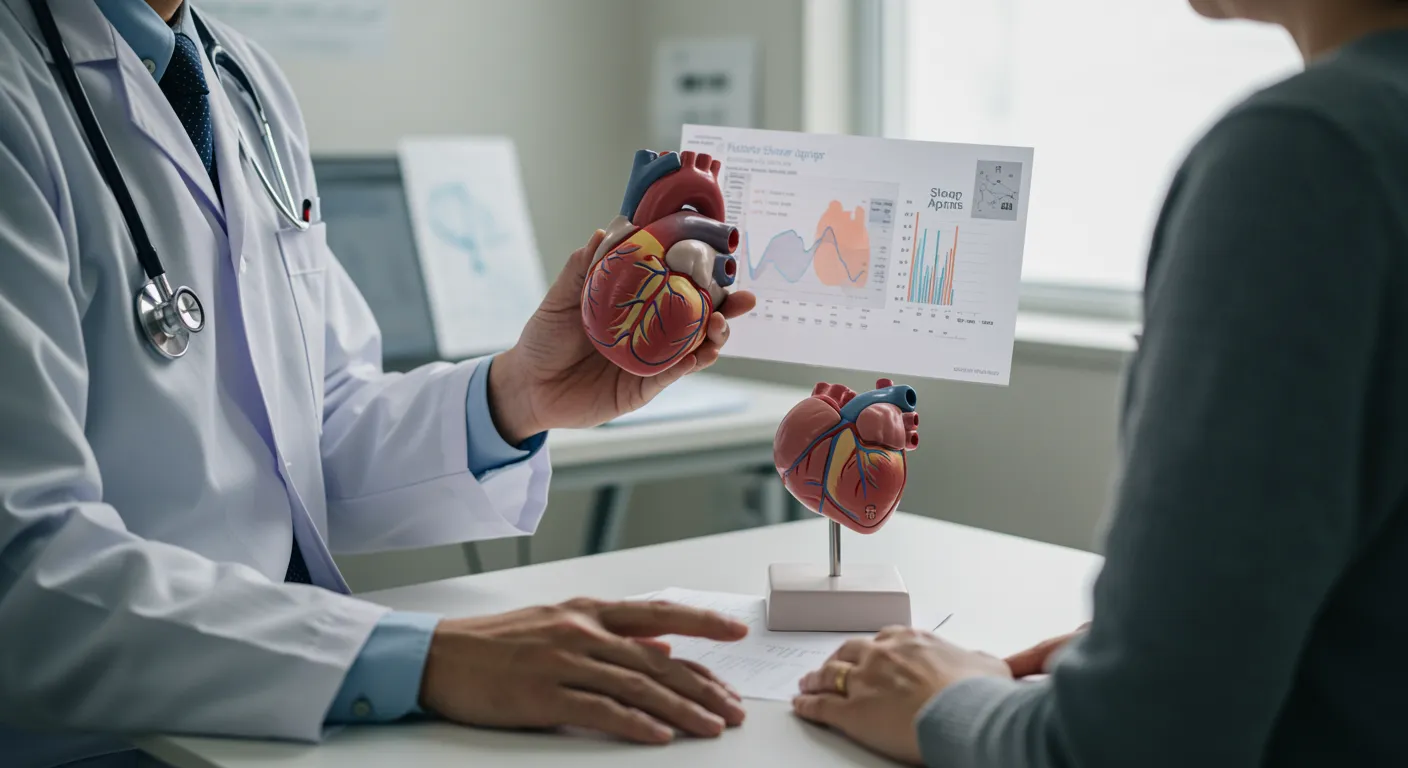
Mouth taping is not a treatment for sleep apnea, and taping your mouth when you have untreated sleep apnea or a blocked nose can be unsafe. The evidence consists of a handful of small studies with mixed results. If you snore loudly, stop breathing at night, or wake unrefreshed, get tested before you tape. If you already use CPAP or an oral appliance, ask your clinician first.
What Is Mouth Taping?
Mouth taping means placing a strip of skin-safe tape over or across the lips at bedtime to keep the mouth closed and encourage breathing through the nose. It spread through social media with claims that it stops snoring, deepens sleep, sharpens the jawline, and improves energy. Some of those claims rest on a real physiological point, and most go well beyond what has been studied.
Why Do People Think It Works?
Your oral health is more important than you might realize. It's not just about having a bright smile, it's about maintaining your overall well-being. Regular dental check-ups, proper brushing and flossing, and a healthy diet can prevent many dental issues.
Nasal breathing is the body's default for good reason. The nose warms, filters, and humidifies air, and breathing through it keeps the tongue resting against the palate, which helps hold the airway open. When the mouth falls open during sleep, the jaw drops back, the tongue follows, and the space behind it narrows. For people who snore mainly because the mouth is open, keeping it closed can reduce the noise.
That much is reasonable. The problem is the step from there to treating a medical condition.
What Does the Research Actually Show?
The published evidence is thin.
- A small 2022 study in the journal Healthcare followed 20 adults with mild obstructive sleep apnea who were habitual mouth breathers. With the mouth taped, the median apnea-hypopnea index and snoring fell by roughly half. The study had no control group, excluded people with nasal obstruction, and tested only mild cases.
- A 2024 physiology study published in JAMA Otolaryngology, Head and Neck Surgery measured airflow with the mouth open and closed during sleep. Closing the mouth improved airflow for most participants but made it worse for a subgroup whose obstruction was at the level of the soft palate.
- A 2025 systematic review in PLOS One pooled ten studies covering a little over 200 patients. Only a minority of the studies showed a statistically significant improvement, the overall quality was low, and several flagged a risk of harm in people with nasal obstruction. The authors concluded that the evidence does not support mouth taping as a treatment for sleep-disordered breathing.
The American Academy of Sleep Medicine has not endorsed mouth taping. No guideline recommends it.
Why Can Mouth Taping Be Risky With Sleep Apnea?
The risks are specific and worth understanding.
- A blocked nose leaves no backup. If you have a deviated septum, nasal polyps, allergies, or a cold, the mouth is how you breathe when the nose cannot keep up. Taping removes that route.
- It can make some apnea worse. As the airflow study showed, closing the mouth helps some airways and hinders others, and you cannot tell which group you are in without testing.
- It can hide the warning sign. Quieter snoring feels like success, but snoring volume is not a measure of whether you are still stopping breathing. Treating the noise can delay a diagnosis that matters for your heart and blood pressure.
- It carries a small risk with reflux or vomiting. Anyone who has significant reflux, has been drinking, or takes sedating medication should not seal the mouth.
- Skin irritation and anxiety are common, and many people simply remove the tape in their sleep.
Who Should Not Tape Their Mouth?
Avoid mouth taping, or speak to a physician first, if any of these apply:
- You have been diagnosed with sleep apnea and it is not being treated.
- You have symptoms of sleep apnea and have not been tested.
- You cannot breathe comfortably through your nose for several minutes with your mouth closed while awake.
- You have chronic nasal congestion, polyps, or a deviated septum.
- You have significant reflux, nausea, or a risk of vomiting.
- You have used alcohol or sedatives that evening.
- You have a lung or heart condition.
- The person is a child. Children should never have their mouths taped.
What Works Better Than Tape?
If the goal is to breathe through the nose and sleep quietly, treat the cause.
- Get evaluated. A home sleep test is a simple way to find out whether the snoring is sleep apnea.
- Treat the nose. Saline rinses, allergy treatment, nasal steroid sprays, and external nasal strips improve nasal airflow. Structural blockage may need an ear, nose, and throat specialist.
- Change position. Sleeping on your side reduces snoring and breathing events for many people.
- Address contributors. Weight loss, and avoiding alcohol in the hours before bed, both reduce airway collapse.
- Consider an oral appliance. A custom mandibular advancement device holds the jaw forward, which keeps the airway open and also discourages the mouth from falling open. It is a guideline-supported treatment for snoring and obstructive sleep apnea.
- Use CPAP if prescribed. If the mouth opens during CPAP use, a chin strap or a full-face mask solves the leak more safely than tape, and your equipment provider can advise.
- Try myofunctional therapy. Exercises that train tongue posture and lip seal address mouth breathing at its source.
What Should Dental Teams Tell Patients Who Ask?
Patients now arrive having already tried tape, and a dismissive answer closes the conversation. A better approach is to treat the question as an opening. Someone who is taping their mouth is telling you they are unhappy with their sleep. Ask about snoring, witnessed pauses, and daytime tiredness, look at the airway, and run a validated screening questionnaire. If the screen is positive, refer for a sleep study. The patient who came in asking about tape may leave with a diagnosis and a treatment that works.
Key Takeaways
- Mouth taping is not a recognized treatment for sleep apnea, and no guideline recommends it.
- The supporting studies are small, short, and limited to mild cases without nasal obstruction.
- Taping can worsen breathing in some people and can mask untreated sleep apnea.
- Never tape if you cannot breathe freely through your nose, and never tape a child's mouth.
- Testing, nasal treatment, positional changes, oral appliances, and CPAP are safer and better supported.
Frequently Asked Questions
Q: Does mouth taping stop snoring?
A: It may reduce snoring in people who snore because the mouth falls open and who have a clear nose. It does not treat the causes of sleep apnea.
Q: Can I tape my mouth while using CPAP?
A: Ask your sleep clinician first. A chin strap or a different mask is usually the recommended way to manage mouth leak.
Q: Is mouth taping safe for children?
A: No. Children who breathe through the mouth should be evaluated by a pediatrician, dentist, or ear, nose, and throat specialist.
Q: How do I know if I have sleep apnea?
A: Loud snoring, witnessed pauses in breathing, gasping, morning headaches, and daytime sleepiness are common signs. A sleep study ordered by a physician confirms it.
Q: Does an oral appliance keep the mouth closed?
A: Most designs limit how far the mouth can open and hold the jaw forward, which addresses both the airway and the open-mouth posture.
Final Thoughts
Mouth taping is popular because it is cheap, simple, and feels like taking control. The instinct behind it, that breathing through the nose is better, is sound. The method is the weak point. Sealing the mouth without knowing why it opens, or whether the airway behind it is collapsing, is guessing with your breathing. A sleep test answers the question properly. This article is general education and not medical advice.

Need help ?
Schedule your initial consultation today and start your journey towards a pain-free, healthier smile. Contact us now!
Blog Suggestions
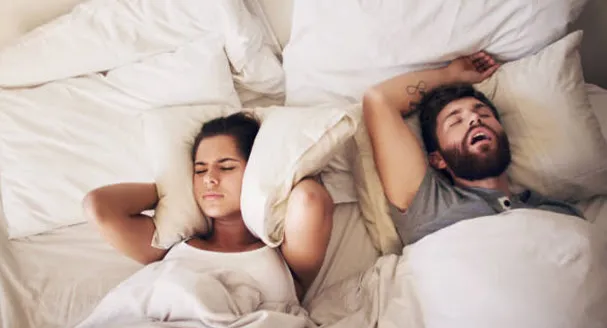
How to Stop Snoring: What Works, and When It's Sleep Apnea
Why people snore, the home changes worth trying first, which anti-snoring products help, the signs that snoring is actually obstructive sleep apnea, and how a custom oral appliance from a dentist fits in.
How to Read Sleep Study Results: AHI, RDI, and ODI Explained
What AHI, RDI, REI, and ODI mean on a sleep study report, the severity thresholds for adults, why the 3 percent and 4 percent hypopnea rules give different scores, and how the numbers decide oral appliance coverage.
CDT Codes for Sleep Apnea: D9947 to D9957 Explained
The CDT codes for sleep apnea appliances, titration, home sleep testing, and screening, the occlusal guard codes they are confused with, and when to use CDT versus HCPCS E0486 on a medical claim.
Letter of Medical Necessity for an Oral Appliance: Template and Checklist
A letter of medical necessity template for HCPCS E0486, who must sign it, the nine elements reviewers look for, what to attach, and the defects that cause most denials.