
Mandibular Advancement Devices vs CPAP in Severe Sleep Apnea: Rethinking the Standard of Care
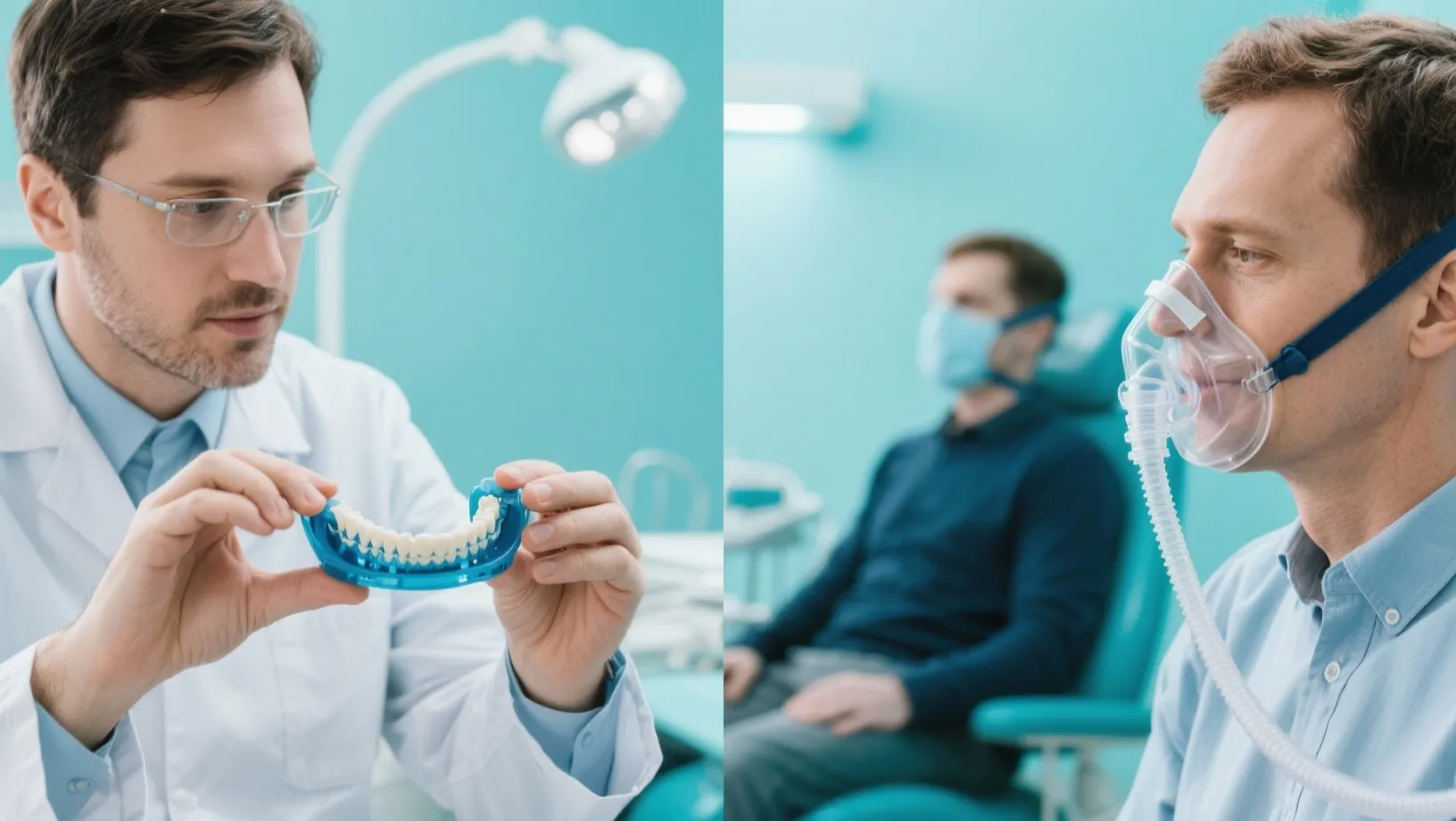
OSA management is evolving. If CPAP is the gold standard, MADs may be the platinum alternative—durable, patient-friendly, and heart-protective.Obstructive Sleep Apnea (OSA) is among the most prevalent sleep-related breathing disorders worldwide, affecting up to 1 billion people. Its burden extends beyond nocturnal disruption: untreated OSA significantly increases the risk of hypertension, arrhythmias, stroke, myocardial infarction, diabetes, and premature mortality.
For decades, Continuous Positive Airway Pressure (CPAP) has been the gold standard for OSA management, particularly in severe cases (apnea-hypopnea index [AHI] ≥30 events/hour). CPAP’s effectiveness in abolishing apneas is unmatched. Yet, CPAP’s Achilles heel is adherence: many patients discontinue therapy due to discomfort, claustrophobia, dry mouth, or mask leakage.
This brings renewed attention to Mandibular Advancement Devices (MADs)—oral appliances that reposition the mandible forward, enlarging the upper airway and reducing collapse. MADs are widely accepted in mild-to-moderate OSA, but their role in severe OSA has remained controversial.
Your oral health is more important than you might realize. It's not just about having a bright smile, it's about maintaining your overall well-being. Regular dental check-ups, proper brushing and flossing, and a healthy diet can prevent many dental issues.
A landmark clinical trial, the CRESCENT study, now sheds light on this debate.
The CRESCENT Trial at a Glance
Design: Randomized, open-label, 12-month trial
Population: 144 patients, all with severe OSA (AHI ≥30) and hypertension Groups:
- MAD group (n = 73, custom SomnoDent Flex® appliances)
- CPAP group (n = 71, ResMed AirSense™ 10)
Endpoints:
- Primary: 24-hour ambulatory blood pressure (BP)
- Secondary: AHI, Epworth Sleepiness Scale (ESS), Functional Outcomes of Sleep Questionnaire (FOSQ), Sleep Apnea Quality of Life Index (SAQLI), cardiac MRI, ambulatory ECG, biomarkers
Recruitment spanned from 2019 to 2022 across major hospitals, with follow-up deliberately maintained at 12 months—a timeframe robust enough to detect clinically relevant cardiovascular outcomes.
Key Results
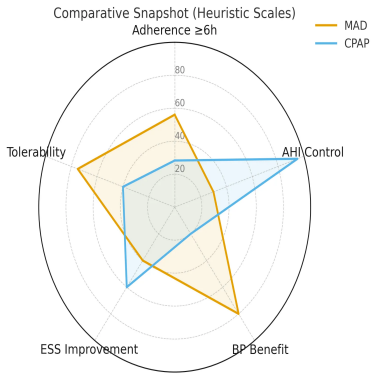
Adherence: MAD Wins on Comfort
Median nightly usage:
- MAD: 5.4 hours/night
- CPAP: 4.9 hours/night
≥6 hours/night:
- MAD: 56%
- CPAP: 28%
Twice as many patients met the gold standard adherence benchmark with MAD. Comfort and portability likely drove this advantage.
Apnea-Hypopnea Index (AHI): CPAP Still the Champion
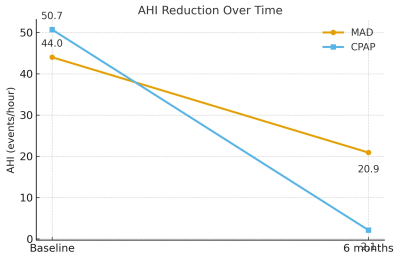
MAD: Baseline 44 → 21 events/hr at 6 months
- CPAP: Baseline 51 → 2 events/hr at 6 months
CPAP remains unmatched in reducing respiratory events. Only 5% of MAD patients achieved a residual AHI <5, versus 92% with CPAP.
But here lies the paradox: AHI may not be the whole story.
Blood Pressure: MAD Shows a Cardiovascular Edge
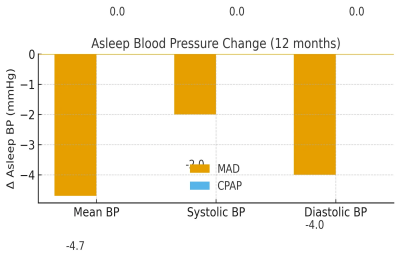
- MAD: Significant reductions in asleep mean BP (−4.7 mmHg), systolic, and diastolic pressures.
- CPAP: No significant BP changes.
Between-group difference: Favored MAD for asleep mean BP (−3.7 mmHg, p = 0.050) and systolic BP (−4.8 mmHg, p = 0.048).
This is clinically profound. Asleep BP is now recognized as a stronger predictor of cardiovascular outcomes than daytime BP. MAD’s effect here challenges CPAP’s dominance in severe OSA.
Quality of Life: A Draw, with Nuances
- ESS (Daytime Sleepiness): CPAP slightly better (−4.0 vs −3.0, p = 0.007). - FOSQ (Functional Outcomes): Both improved, no significant difference. - SAQLI (Sleep-Specific QoL): Both improved, MAD marginally ahead, not statistically significant.
Both therapies improved lives, with CPAP better for daytime sleepiness, but MADs holding ground in overall quality-of-life metrics.
Side Effects: Tolerability Matters
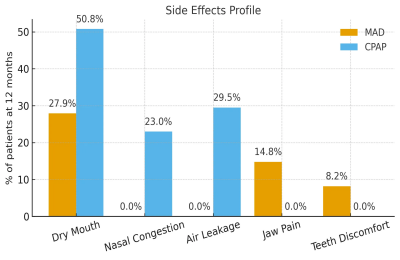
- MAD: Jaw pain (15%), teeth discomfort (8%), dry mouth (28%). Mostly mild and self-limiting.
- CPAP: Dry mouth (51%), nasal congestion (23%), air leakage (30%), facial rash (12%). MADs had fewer and milder side effects, while CPAP’s issues directly impact adherence.
Clinical Implications
Redefining Metrics of Success
Historically, OSA therapy effectiveness was judged by AHI reduction. But this study reinforces the shift toward hard cardiovascular outcomes, especially blood pressure control. By that metric, MADs may be equally, if not more, impactful.
First-Line Consideration in Severe OSA
For hypertensive patients with severe OSA who are CPAP-intolerant—or at high risk of cardiovascular events—MADs deserve consideration as first-line therapy.
A Multidisciplinary Future
Optimal outcomes demand collaboration between sleep physicians, dentists, and cardiologists. Tailored device titration (mandibular protrusion, airway assessment) may unlock greater efficacy.
Limitations to Note
- Only custom, titratable MADs were studied—findings do not apply to OTC devices. - COVID-19 limited polysomnography follow-up at 12 months for MAD users, requiring reliance on home-based WatchPAT studies.
- Cohort exclusively Chinese; craniofacial anatomy may influence outcomes. - Occlusal/temporomandibular side effects were not systematically tracked.
Future Directions
- Long-term durability: Will MAD adherence and BP benefits persist beyond 12 months? - Personalized selection: Craniofacial screening tools and sleep endoscopy could refine patient selection for MAD success.
- Combination therapy: Hybrid approaches—MAD plus positional therapy, or MAD plus low-pressure CPAP—deserve exploration.
- Global validation: Trials across multi-ethnic populations are essential for guideline adoption.
Conclusion
The CRESCENT trial stands as the largest randomized comparison of MAD vs CPAP in severe OSA to date.
- CPAP remains the gold standard for respiratory event suppression. - MADs offer better adherence, superior blood pressure reduction, and comparable quality-of-life improvements.
For clinicians, the message is clear: MADs should no longer be dismissed in severe OSA. For many patients, particularly those intolerant to CPAP or at cardiovascular risk, they may not just be an alternative—they may be the more sustainable solution.
Final Word
“OSA management is evolving. If CPAP is the gold standard, MADs may be the platinum alternative—durable, patient-friendly, and heart-protective.”
References
Colpani, A. et al. (2025). Mandibular Advancement Device versus CPAP in Severe Obstructive Sleep Apnea: Cardiovascular and Sleep Outcomes from the CRESCENT Trial. Journal of Dental Research. Available at:
https://journals.sagepub.com/doi/abs/10.1177/00220345251361796

Need help ?
Schedule your initial consultation today and start your journey towards a pain-free, healthier smile. Contact us now!
Blog Suggestions

The Dangerous Link Between Sleep Deprivation, Exposure to Violence, and Adolescent Violence
“Adolescence is a critical time for growth and development, where both physical and psychological changes are at their peak.
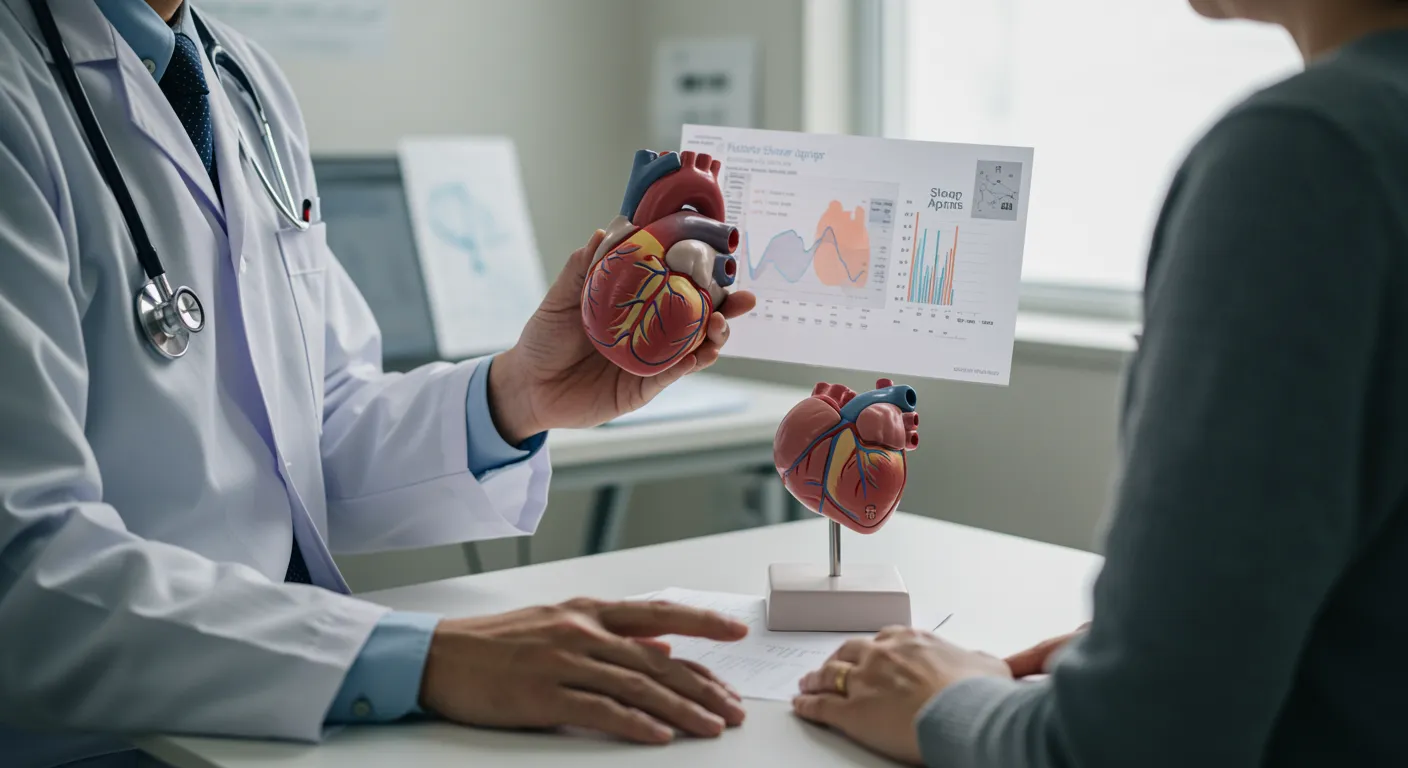
Associations Amoung nonrestorative sleep status, sleep apnea syndrome and major adverse cardiac and cerebrovascular events
Sleep is a fundamental biological process essential for the restoration of physical and mental health.
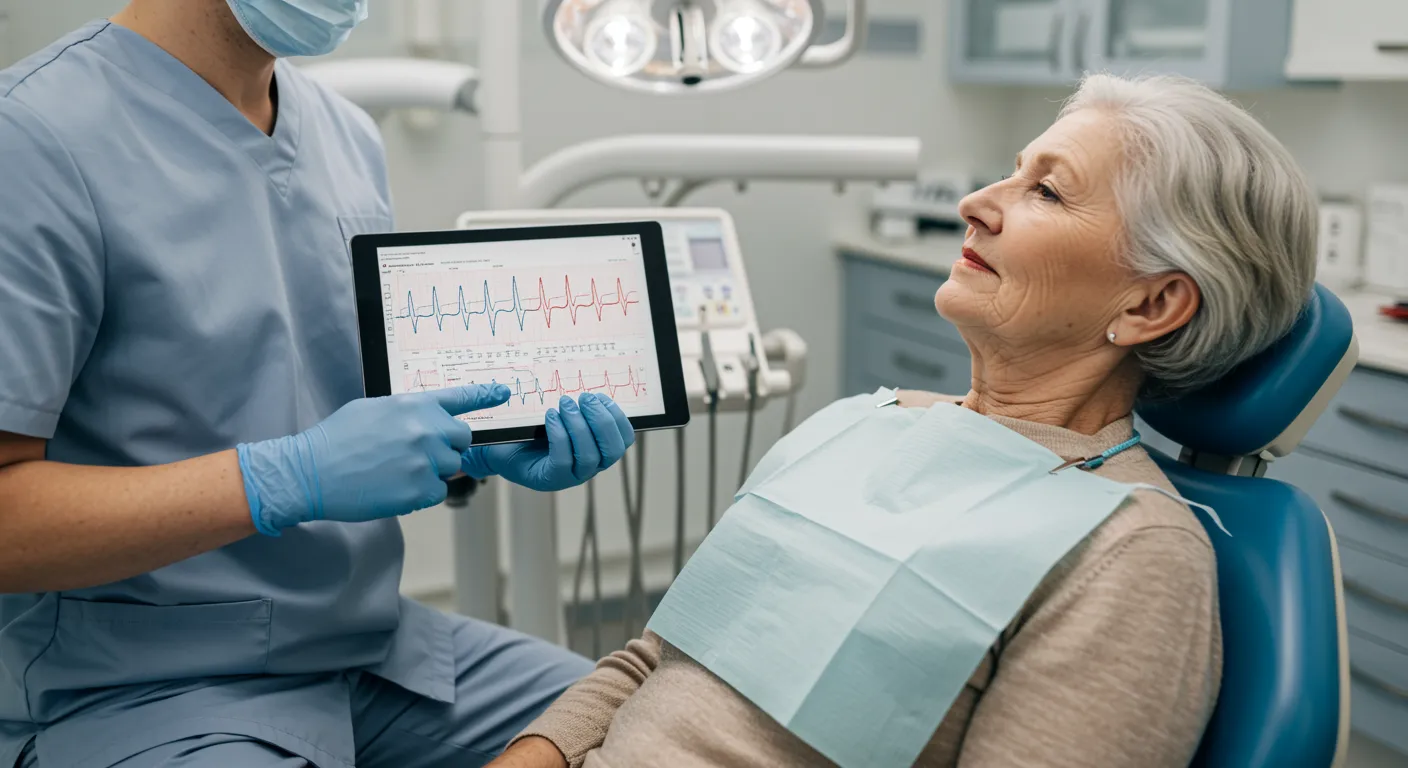
Sleep Apnea, Heart Attack, Stroke & Oral Appliance Therapy
In recent years, the links between sleep apnea syndrome (SAS), nonrestorative sleep status (NRS), and major adverse cardiovascular and cerebrovascular events (MACCE) have drawn growing attention in the medical community.

Dementia and Sleep Apnea
Dementia, a cognitive decline that affects memory and other mental functions, is often linked with sleep disturbances such as sleep apnea. Sleep apnea is characterized by interrupted breathing during sleep, leading to fragmented, nonrestorative sleep. This can result in excessive daytime sleepiness, which may accelerate the progression of dementia by impairing cognitive function and promoting brain inflammation.