
How do you reduce no-shows for sleep apnea follow-up appointments?
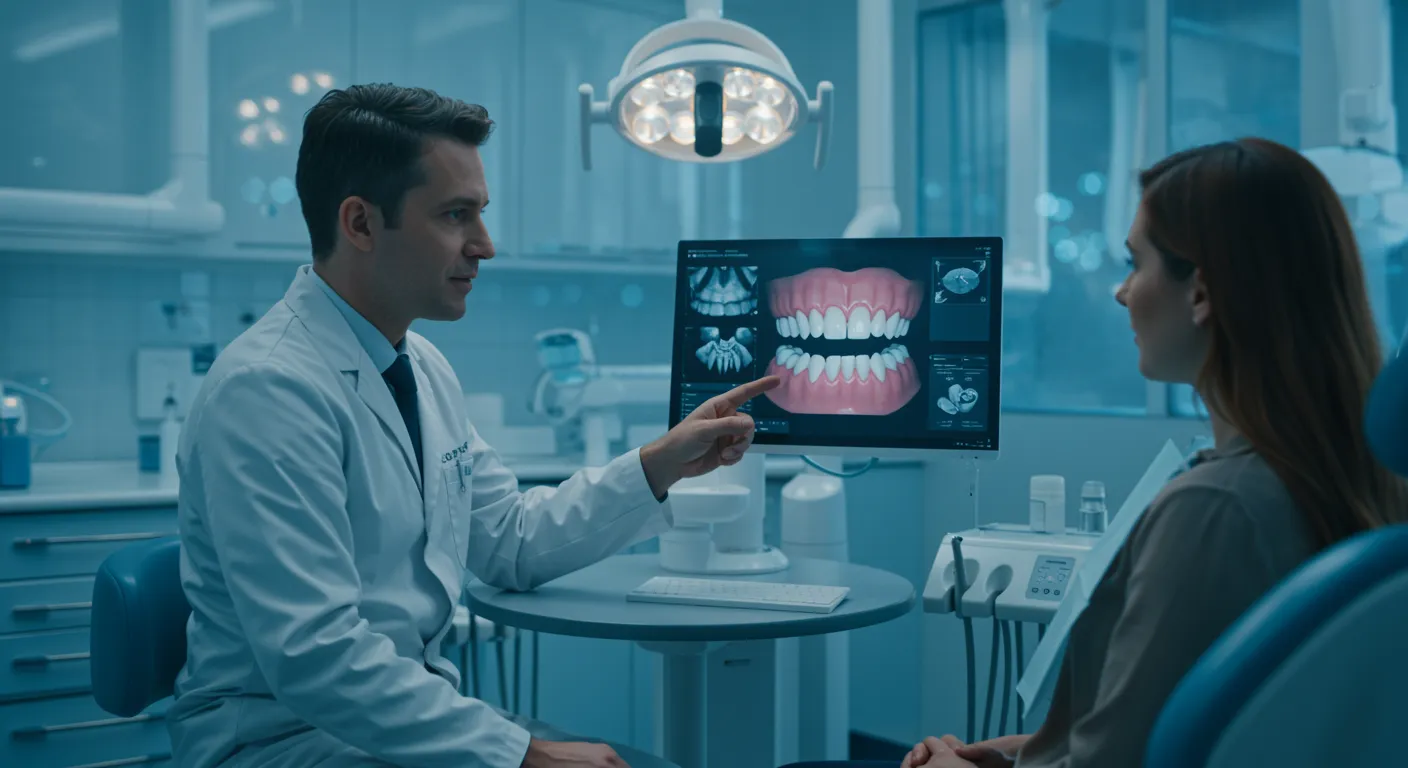
Reduce no-shows for sleep apnea follow-ups with a layered reminder cadence (text at 7 days, 2 days, and day-of), patient portal access to titration logs, a clear explanation of why follow-ups matter (efficacy testing, insurance compliance, safety), a telemedicine option for interim check-ins, a credit-card-on-file or deposit policy for repeat no-shows, batched follow-up scheduling, and a disciplined recall system. The biggest single lever is making the patient understand what the appointment is for.
Why Follow-Up No-Shows Hurt
Follow-up no-shows in dental sleep medicine cost more than a single empty chair. A missed titration visit delays therapeutic effect by weeks. A missed efficacy test means the insurance company never sees outcome data and may deny future claims. A missed annual recall is how appliances drift from effective to forgotten in a drawer. The financial loss is real, but the clinical loss is bigger.
The Reminder Cadence That Works
Your oral health is more important than you might realize. It's not just about having a bright smile, it's about maintaining your overall well-being. Regular dental check-ups, proper brushing and flossing, and a healthy diet can prevent many dental issues.

A three-touch SMS cadence outperforms email or phone alone:
- 7 days before: confirmation message with appointment purpose, what to bring, and reply-to-confirm option
- 2 days before: shorter reminder with day, time, and reschedule link
- Day-of: morning text with the appointment time and a brief instruction (bring the appliance, bring the titration log)
Add a phone call only for high-risk patients (prior no-shows, post-delivery week-one, post-efficacy-test consult). Email serves as backup, not primary.
Patient Portal Access
When patients can log into a portal and see their own titration log, efficacy test report, and next appointment, attendance improves measurably. Visibility creates ownership. A portal that lets the patient mark nightly use, report side effects, and view their progress turns the follow-up into a conversation about data they already see, not a mystery visit. Practices using portals consistently report no-show rates 20 to 30 percent lower than those without.
Explain The Why
Most no-shows are not deliberate — they are the result of a patient who does not understand the stakes. At delivery, walk through every upcoming follow-up:
- Titration visits adjust the appliance to peak efficacy
- The post-titration efficacy test (HSAT or PSG) is required by most payers to continue coverage
- Untreated residual apnea after appliance delivery is dangerous
- Annual recall protects the appliance investment and catches dental side effects early
Hand the patient a one-page printed timeline. Patients who understand the why show up.
Telemedicine For Interim Check-Ins
Not every titration check needs a chair-side visit. A 15-minute video check-in between weeks 2 and 6 of titration catches side effects, answers questions, and confirms the patient is advancing correctly — without the friction of taking time off work. Telehealth follow-ups often see no-show rates half those of in-person visits. Reserve the chair for the technical visits that genuinely need it.
Deposit and Credit-Card-On-File Policy
For new patients and patients with a prior no-show, a credit-card-on-file policy with a clearly disclosed late-cancellation fee (typically 50 to 100 dollars) reshapes behavior. The card is rarely charged — its existence does the work. Communicate the policy at scheduling, in the appointment confirmation, and in the new-patient agreement. Apply it consistently or it stops mattering.
Batched Follow-Ups
Block dedicated time on the schedule for sleep follow-ups — for example, every Tuesday morning. Batching has three effects: the team gets into a rhythm, supplies and chairs are pre-set, and rescheduling is simpler because the next slot is always the next batch. Patients who miss can be slotted into the following week without renegotiating the whole calendar.
Recall System Discipline
The annual sleep recall is what keeps the program healthy long-term. Set the recall at delivery, not at the efficacy test. Use the same software the hygiene team uses, with a sleep-specific recall type. Run a monthly report on overdue recalls and call them. A patient who has not been seen in 14 months will rarely call you first — but a friendly call from a familiar voice usually books the visit.
Office Manager Checklist
- Configure 7-day, 2-day, and day-of SMS reminders for every sleep follow-up
- Activate the patient portal and train patients to use it at delivery
- Hand every new patient a printed follow-up timeline at delivery
- Offer telehealth for interim titration checks
- Implement a documented credit-card-on-file and late-cancellation policy
- Batch sleep follow-ups on dedicated days
- Run a monthly overdue-recall report and personally call each patient
Key Takeaways
- Layered SMS reminders outperform single-channel reminders
- Patient portal visibility drives attendance
- Patients who understand why follow-ups matter show up
- Telehealth halves the friction of interim visits
- A consistent late-cancellation policy reshapes repeat behavior
Frequently Asked Questions
Q: How much should the late-cancellation fee be?
A: Most practices use 50 to 100 dollars, charged for cancellations inside 24 to 48 hours. Disclose at scheduling and apply consistently.
Q: Can we do the efficacy test by telehealth?
A: The test itself (HSAT or in-lab PSG) requires equipment. The interpretation visit afterward can absolutely be telehealth.
Q: What is a healthy follow-up no-show rate?
A: Under 8 percent for sleep follow-ups is achievable with a layered system. Under 5 percent is excellent.
Q: Should we charge for missed telehealth visits?
A: Yes, with the same policy as in-person — disclosed at scheduling and applied consistently.
Q: How do we re-engage a patient who has missed multiple recalls?
A: A personal phone call from the sleep coordinator referencing their specific appliance and history beats automated outreach every time.
Final Thoughts
No-shows are a system problem, not a patient problem. Patients show up when they understand the stakes, see their own data, get clear reminders, and have a workable option when life intrudes. Build that system once and the attendance numbers move quickly. The clinical and financial returns compound for years.

Need help ?
Schedule your initial consultation today and start your journey towards a pain-free, healthier smile. Contact us now!
Blog Suggestions
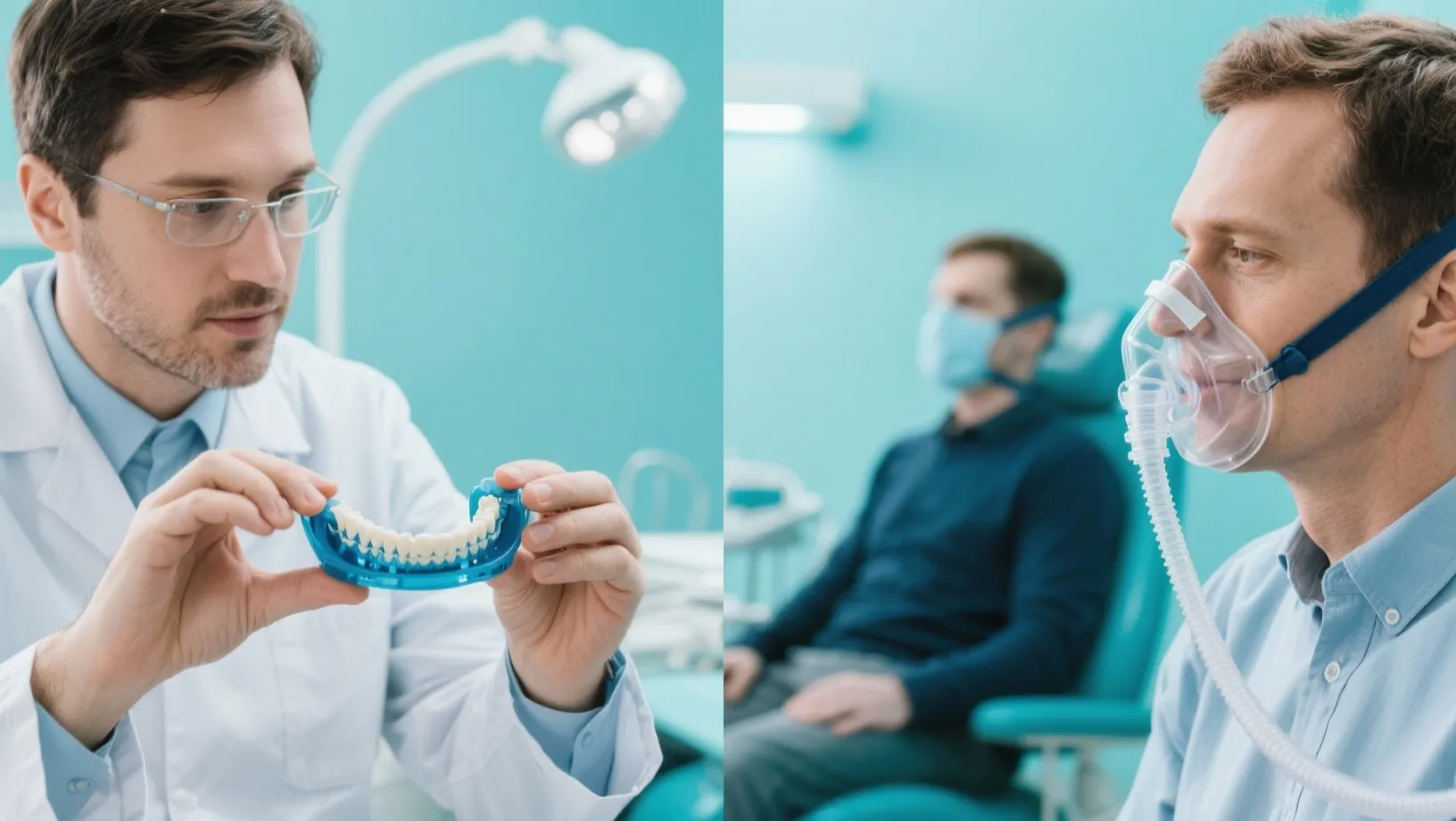
What KPIs should a sleep dentistry practice track?
Track the screen-to-study-to-appliance funnel, AHI reduction post-OAT, Epworth improvement, prior-auth approval rate, remake rate, time-to-delivery, payer mix, and adherence.
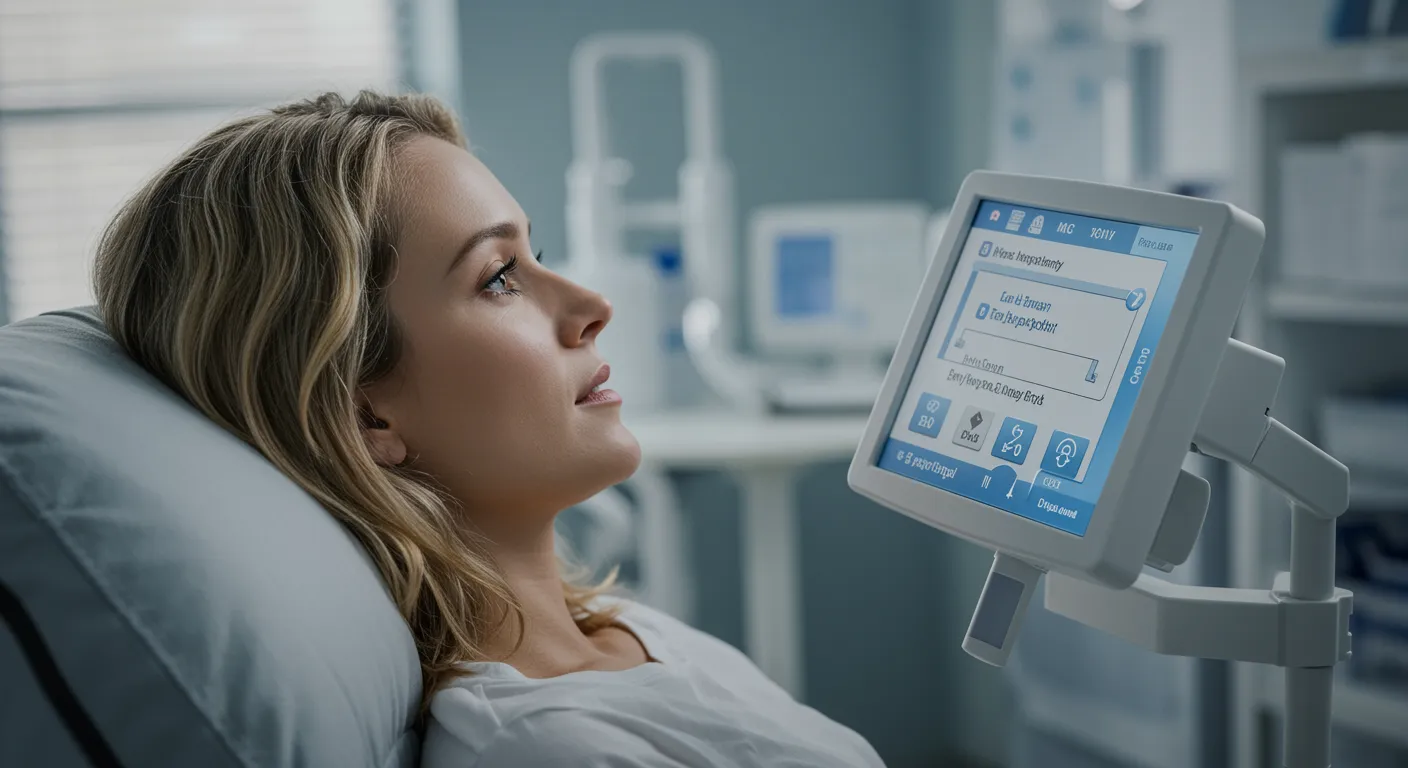
How is AI changing sleep apnea diagnosis and oral appliance therapy?
FDA-cleared algorithms auto-score HSATs, computer vision reads intraoral scans, and predictive models forecast titration endpoints — accelerating diagnosis and treatment design.
What is HL7 FHIR, and why does it matter for dental sleep medicine?
HL7 FHIR is the modern healthcare data standard that lets clinical systems exchange information through web-friendly APIs instead of faxes and PDFs.

How will 3D intraoral scanning replace traditional impressions for sleep appliances?
3D intraoral scanning is on track to replace PVS impressions this decade: patients prefer scans, labs prefer STL files, and remake economics increasingly favor digital.