
Do Oral Appliances Stay Under the Medicare DME Benefit in 2026?
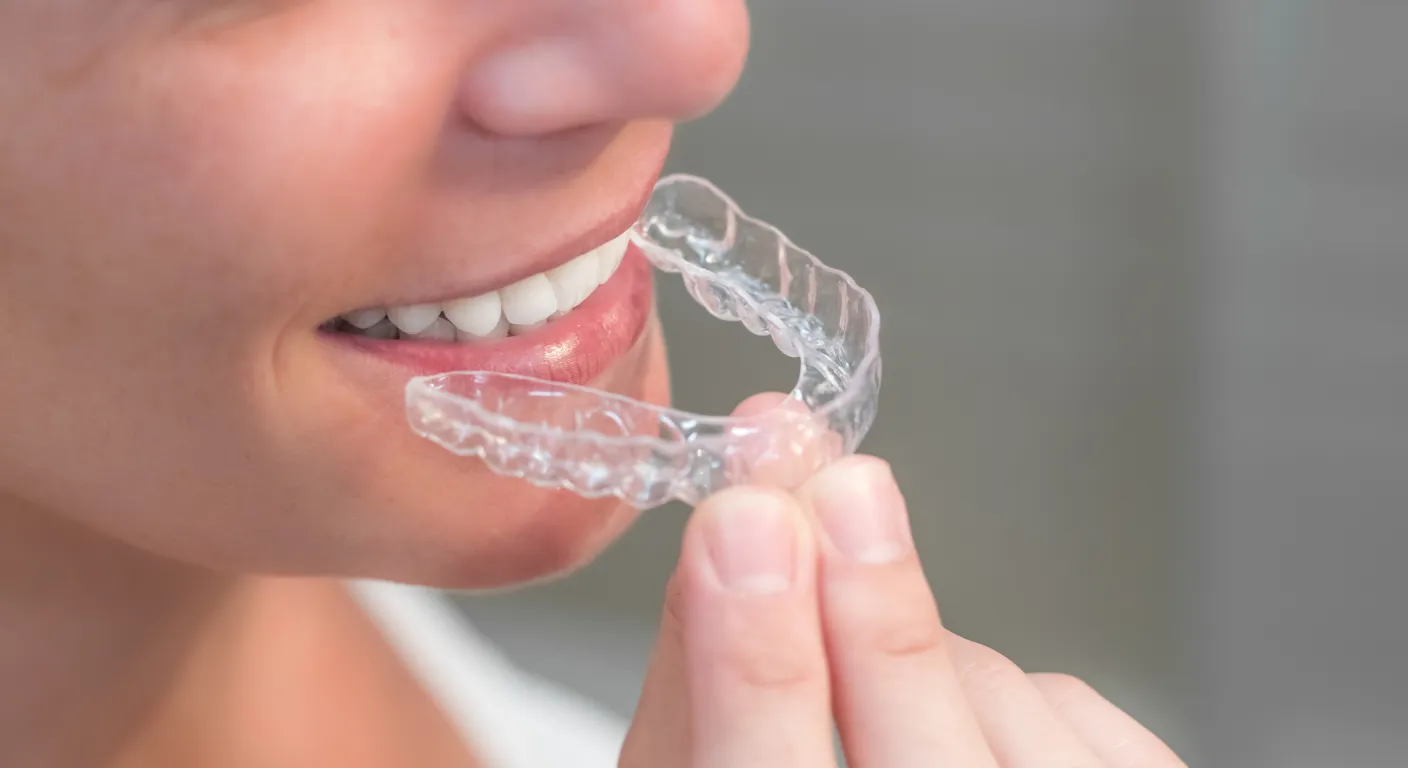
Oral appliances remain under the Medicare durable medical equipment (DME) benefit for 2026. The CY2026 Physician Fee Schedule final rule did not move oral appliance therapy off the DME benefit and into the physician services benefit, despite CMS signalling in the CY2025 proposed rule that it was actively considering exactly that shift. For dental sleep practices, this means the billing pathway you built around HCPCS code E0486, DME MAC jurisdiction, and supplier standards stays intact for another year. It also means the question is deferred, not settled, and the next rulemaking cycle is worth watching closely.
What CMS Signalled in the CY2025 Proposed Rule
In the CY2025 Physician Fee Schedule proposed rule, CMS raised the possibility of reclassifying certain custom-fabricated oral devices. The agency solicited comment on whether items that require substantial professional work — clinical evaluation, impression or intraoral scan, fitting, and titration — are appropriately paid as durable medical equipment at all, or whether the professional component should be recognised separately. The underlying tension is real. A mandibular advancement device is not a wheelchair or a nebuliser. It requires a licensed clinician to diagnose candidacy, capture records, verify fit, and titrate over weeks. The DME benefit was not designed around that kind of ongoing professional involvement.
What Would Have Changed Under a Benefit Category Shift
Your oral health is more important than you might realize. It's not just about having a bright smile, it's about maintaining your overall well-being. Regular dental check-ups, proper brushing and flossing, and a healthy diet can prevent many dental issues.

A move from the DME benefit to physician services would have restructured almost every operational assumption in a dental sleep practice.
- Supplier enrollment. Under DME, a practice must hold a Medicare DMEPOS supplier number, meet the DMEPOS supplier standards, post a surety bond, and undergo accreditation. Under a physician services benefit, enrollment would run through the standard PECOS physician or practitioner pathway instead. That is a materially lower administrative barrier for practices that currently decline Medicare sleep cases specifically because DMEPOS accreditation is not worth the overhead.
- Claims routing. DME claims go to the four DME MACs by beneficiary jurisdiction. Physician services claims go to the local Part B MAC. Different contractors mean different local coverage determinations, different medical review patterns, and different appeals contacts.
- Payment methodology. The DME fee schedule sets a single allowable for E0486 that bundles device, fitting, and follow-up. A physician services structure would more likely separate the device from the professional work, potentially recognising evaluation, fitting, and titration visits as distinct billable services. Whether total payment would rise or fall is genuinely unclear and would depend entirely on how the codes were valued.
- Competitive bidding exposure. Items under the DME benefit are theoretically eligible for the DMEPOS Competitive Bidding Program. Custom oral appliances have not been included in a competitive bidding round, but the benefit category is what makes inclusion structurally possible. Moving off DME would remove that long-term risk.
- Documentation standards. DME coverage for E0486 is governed by the DME MAC local coverage determination for Oral Appliances for Obstructive Sleep Apnea, which specifies the diagnostic sleep study, physician order, and device criteria. A benefit shift would eventually require a new coverage framework, and the interim period would likely be ambiguous.
Why CMS Did Not Act for 2026
CMS did not finalise a benefit category change in the CY2026 rule. The practical reasons are structural rather than clinical. Benefit categories in Medicare are defined by statute, and there are real questions about how much CMS can reclassify through rulemaking alone versus what would require Congressional action. A change would also require new or revalued codes, new coverage policy, and a transition plan for suppliers who have already invested in DMEPOS accreditation. That is a multi-year project, not a single rule cycle. The absence of action in CY2026 should be read as deferral, not rejection.
What to Watch in the Next Cycle
The CY2027 proposed rule, typically released in July 2026, is the next meaningful checkpoint. Specific signals worth monitoring:
- Whether CMS revisits the comment solicitation or references the CY2025 responses in any substantive way.
- Whether the AMA CPT Editorial Panel or the RUC takes up valuation of oral appliance fitting and titration as professional services, which would be a strong leading indicator.
- Whether the DME MACs revise the Oral Appliances for OSA local coverage determination, which sometimes precedes larger policy movement.
- Whether the American Academy of Dental Sleep Medicine (AADSM) or the American Academy of Sleep Medicine (AASM) file formal comments advocating a specific structure. Professional society positions carry weight in benefit category discussions.
- Whether the tirzepatide approval for moderate-to-severe OSA in adults with obesity shifts CMS thinking about the overall OSA treatment pathway and where devices sit within it.
What Practices Should Do Now
Do not restructure around a change that has not happened. Maintain DMEPOS accreditation and supplier standing, because that is the operative requirement for 2026 and any transition would include notice. At the same time, start capturing the professional work you already perform: document evaluation time, fitting appointments, and each titration visit as discrete encounters in the record even though they are currently bundled into the E0486 allowable. If a benefit shift ever arrives, practices with granular documentation of professional work will be positioned to bill for it immediately. Practices that only ever recorded a delivery date will not.
Key Takeaways
- Oral appliances stay under the Medicare DME benefit for 2026; no benefit category change was finalised.
- CMS solicited comment on exactly this shift in the CY2025 proposed rule, so the question is live but deferred.
- A shift would change supplier enrollment, claims routing, payment methodology, competitive bidding exposure, and documentation standards.
- Statutory constraints and the need for new codes and coverage policy make this a multi-year project.
- Keep DMEPOS accreditation current, but begin documenting professional work discretely now.
Frequently Asked Questions
Q: Does anything about E0486 billing change for 2026?
A: No. The DME benefit, DMEPOS supplier requirements, and DME MAC claims routing all continue as they were.
Q: Should I drop my DMEPOS accreditation in anticipation of a change?
A: No. Accreditation remains mandatory for Medicare oral appliance claims, and any future transition would come with advance notice and a compliance period.
Q: Would a benefit category shift increase reimbursement?
A: Unknown. Separating the professional component could raise total payment, but that depends entirely on how new codes are valued. It is not safe to assume an increase.
Q: When is the next realistic opportunity for this to change?
A: The CY2027 Physician Fee Schedule proposed rule, expected around July 2026, is the next checkpoint to monitor.
Q: Does this affect commercial payers?
A: Not directly, but commercial payers frequently mirror Medicare benefit structures and coverage criteria, so a Medicare change would likely propagate over time.
Final Thoughts
Benefit category questions look abstract until they change how you enroll, where you send claims, and what you get paid. The CY2026 outcome preserves the status quo, which is operationally convenient and strategically worth watching. The most useful posture is quiet preparation: keep your DMEPOS house in order, document the professional work you are already doing, and read the CY2027 proposed rule the week it drops. Practices that treat regulatory monitoring as part of the clinical program rather than an afterthought will adapt faster than those that learn about changes from a denied claim.

Need help ?
Schedule your initial consultation today and start your journey towards a pain-free, healthier smile. Contact us now!
Blog Suggestions
Why E0486 Claims Get Denied — and the Checklist That Fixes It
Most E0486 denials are documentation failures, not coverage failures. A four-element checklist covering the letter of medical necessity, diagnostic AHI, documented CPAP intolerance, and custom-titratable device language.
Run Verification of Benefits Before You Take the Impression
The impression is the point of financial no return. The case-acceptance and AR math, what a complete VOB actually captures, and the honest version of what patients owe.
Medical Billing Is Not Dental Billing
Why cross-training one front-desk person usually fails, the structural differences that break it, and the division of labour that actually works in a dental sleep practice.
Medical Credentialing for a Dental Sleep Practice
Realistic timelines, CAQH discipline, and the in-network versus cash-pay decision — including why the out-of-network model nets more per case for many practices.