
How is AI changing sleep apnea diagnosis and oral appliance therapy?
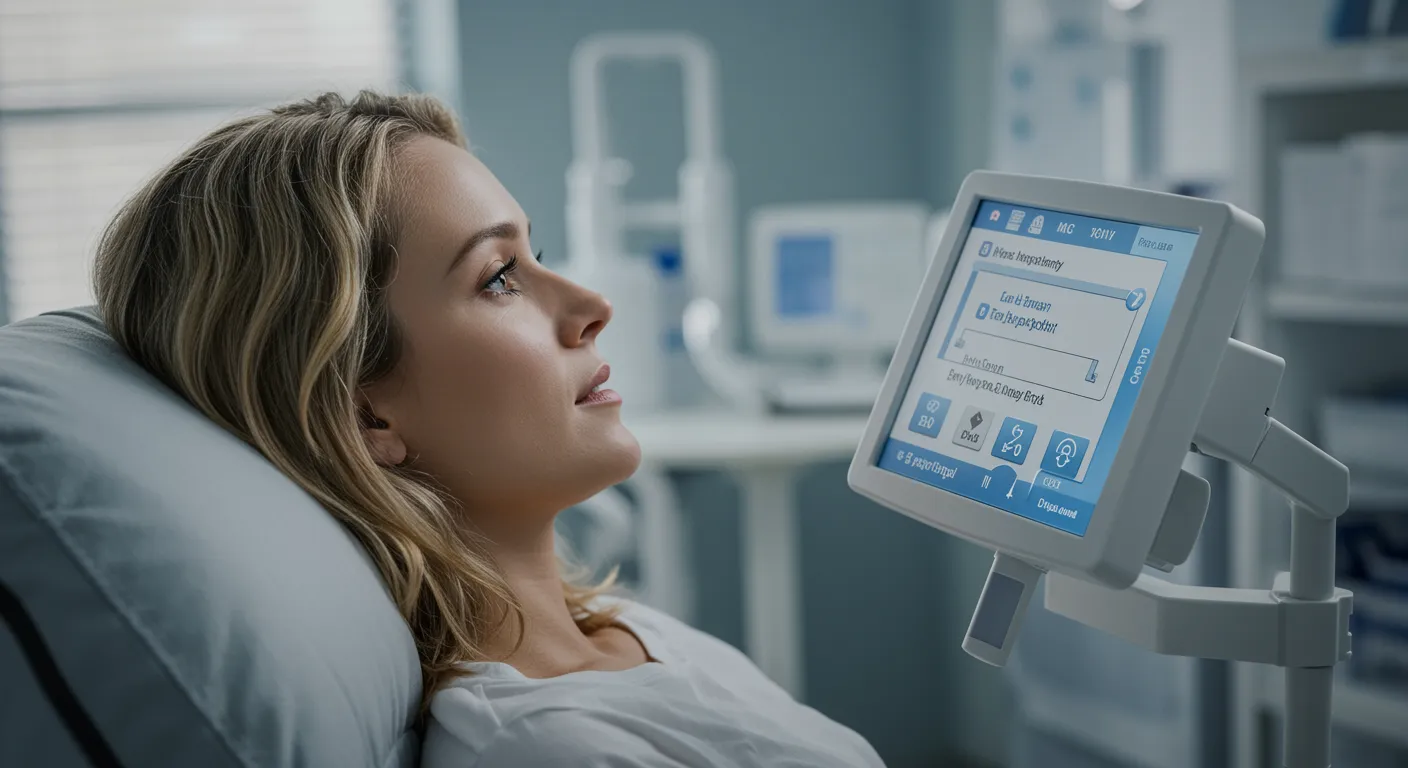
Artificial intelligence is rapidly reshaping how sleep apnea is identified, scored, and treated with oral appliance therapy. FDA-cleared algorithms now auto-score home sleep apnea tests, computer vision models read intraoral scans to inform appliance design, and predictive analytics are beginning to forecast titration endpoints before the first device is delivered. The net effect is faster diagnosis, more consistent scoring, and more personalized care. The clinician remains essential, but the supporting toolset has fundamentally changed.
AI Assisted HSAT Scoring
Manual scoring of polysomnograms is time-intensive and shows meaningful inter-rater variability, even among AASM-certified technologists. Several FDA-cleared algorithms, including those embedded in EnsoData EnsoSleep and similar Software as a Medical Device (SaMD) products, now provide automated scoring of respiratory events, arousals, and sleep stages on home sleep apnea tests. Peer-reviewed validation studies published in the Journal of Clinical Sleep Medicine and Sleep have shown agreement with expert scorers comparable to inter-scorer agreement among humans themselves. This shifts the technologist role from primary scorer to reviewer and quality assurance gatekeeper, shortening turnaround from days to hours.
Predictive Titration and Outcome Modeling
Your oral health is more important than you might realize. It's not just about having a bright smile, it's about maintaining your overall well-being. Regular dental check-ups, proper brushing and flossing, and a healthy diet can prevent many dental issues.
One of the historical weaknesses of oral appliance therapy is that titration is empirical: advance the mandible, retest, repeat. Machine learning models trained on large datasets such as the Sleep Heart Health Study (SHHS), the Multi-Ethnic Study of Atherosclerosis (MESA), and the National Sleep Research Resource (NSRR) are now producing predictive titration tools that estimate the optimal protrusion needed to achieve target AHI reduction. Early studies presented at AADSM annual meetings suggest predictive titration may reduce the average number of follow-up visits and shorten time-to-efficacy by several weeks. This is still an emerging area, but the trajectory is clear.
Computer Vision on Intraoral Scans
Digital intraoral scans produce dense 3D meshes of the upper and lower arches. Computer vision and deep learning models can extract anatomical landmarks, classify arch morphology, and identify undercuts and retention zones automatically. Lab partners are beginning to use these models to generate appliance designs that minimize bulk in the anterior, optimize tongue space, and account for tooth movement risk. The promise is repeatable, evidence-aligned design that learns from delivered case outcomes.
Clinical Decision Support and Screening
AI is also entering the front of the funnel. Natural language processing applied to electronic dental records can flag patients whose intake forms, medication lists, or chief complaints suggest undiagnosed OSA. Risk-stratification models built on demographic data, BMI, neck circumference, and STOP-BANG responses help prioritize which patients should be expedited to a sleep study. The NIH-funded Sleep Apnea Cardiovascular Endpoints (SAVE) trial and other large cohorts continue to enrich the training data available to these models.
Regulatory Landscape and Limitations
The FDA regulates these tools under its Software as a Medical Device framework, with most cleared algorithms going through the 510(k) pathway. Clinicians should verify FDA clearance and the indication of use before integrating any AI tool into a clinical workflow. Limitations matter: training data bias, model drift, and the opacity of some deep learning systems are real concerns. The AADSM and AASM have both emphasized that AI augments, but does not replace, the licensed clinician. Documentation should reflect human review of every algorithm-generated finding.
What This Means for Dental Sleep Practices
The practical near-term opportunity is HSAT scoring turnaround, intake risk stratification, and AI-informed appliance design through lab partnerships. Practices that integrate these tools see shorter cycle times, more confident case planning, and clearer documentation for medical billing. Looking ahead, predictive titration and integrated outcome tracking will likely become standard of care within five years.
Key Takeaways
- FDA-cleared algorithms now auto-score HSATs with accuracy comparable to expert scorers.
- Predictive titration models trained on SHHS, MESA, and NSRR data forecast appliance endpoints.
- Computer vision on intraoral scans supports automated, evidence-aligned appliance design.
- The FDA regulates these tools under the SaMD framework, typically via 510(k) clearance.
- AI augments the clinician but cannot replace human oversight, documentation, or judgment.
Frequently Asked Questions
Q: Is AI-scored HSAT data accepted for medical billing?
A: Yes, when the scoring is reviewed and signed off by a board-certified sleep physician, as required by AASM and most payers.
Q: Will AI replace sleep technologists?
A: No. The role is shifting from primary scoring to quality assurance, edge-case review, and patient education.
Q: Can predictive titration eliminate follow-up appointments?
A: Not yet. It can reduce the number needed and shorten time-to-efficacy, but objective post-titration HSAT remains required.
Q: How do I know an AI tool is safe to use clinically?
A: Verify FDA clearance, review the indication of use, and confirm peer-reviewed validation aligned with your patient population.
Q: Does AI-assisted appliance design require new lab partners?
A: Often yes. Ask labs which design software they use and whether their workflows incorporate validated machine learning models.
Final Thoughts
AI in dental sleep medicine has moved from hype to clinical reality in the last three years. The practices best positioned for the next wave will adopt these tools deliberately, document oversight rigorously, and use the resulting efficiency gains to expand access. Algorithms will continue to improve; the clinical responsibility for outcomes will not change. Used well, AI makes oral appliance therapy faster, more consistent, and more defensible.

Need help ?
Schedule your initial consultation today and start your journey towards a pain-free, healthier smile. Contact us now!
Blog Suggestions
What is HL7 FHIR, and why does it matter for dental sleep medicine?
HL7 FHIR is the modern healthcare data standard that lets clinical systems exchange information through web-friendly APIs instead of faxes and PDFs.

How will 3D intraoral scanning replace traditional impressions for sleep appliances?
3D intraoral scanning is on track to replace PVS impressions this decade: patients prefer scans, labs prefer STL files, and remake economics increasingly favor digital.
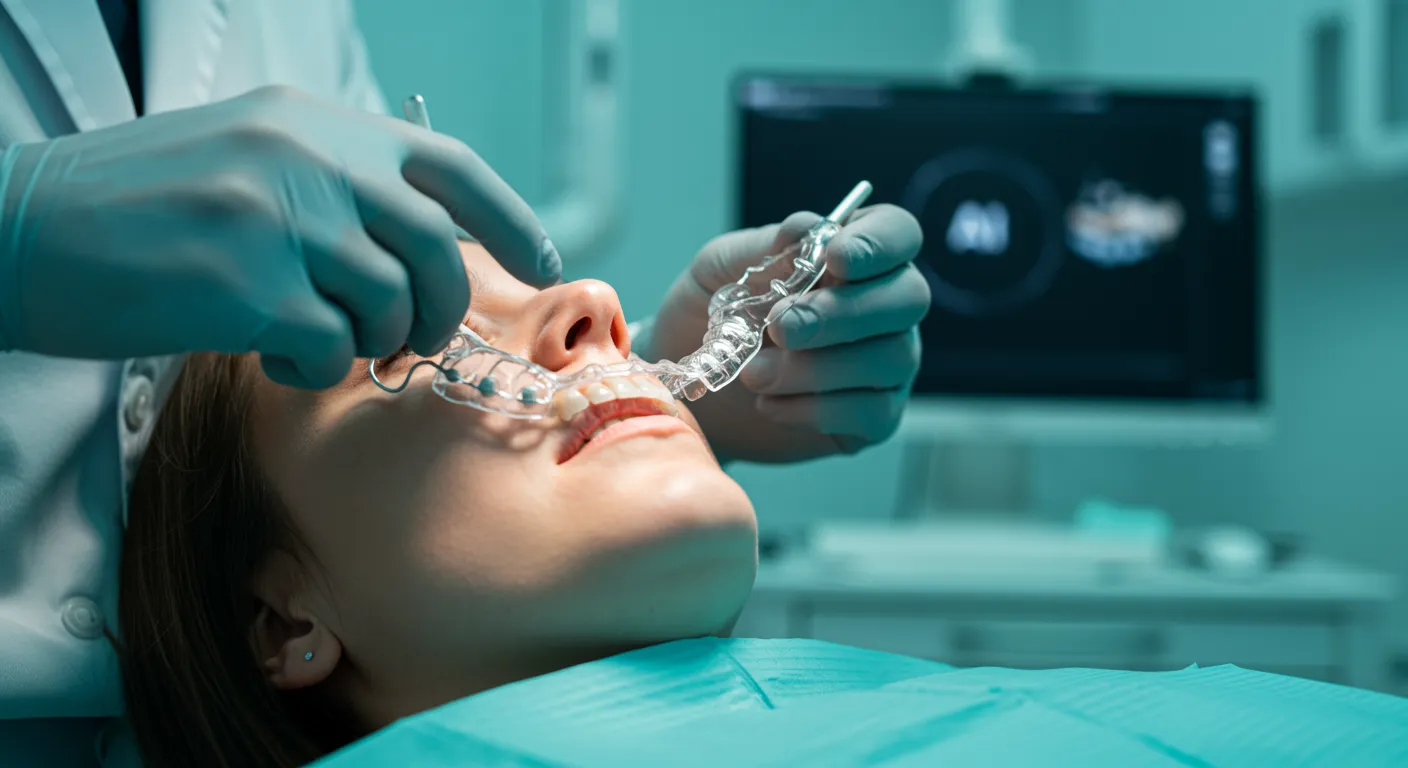
What does a fully digital sleep dentistry workflow look like in 2026?
A fully digital sleep dentistry workflow in 2026 spans HL7 FHIR referrals, online intake, intraoral scanning, AI-assisted lab handoff, titration apps, integrated HSAT, and automated billing.
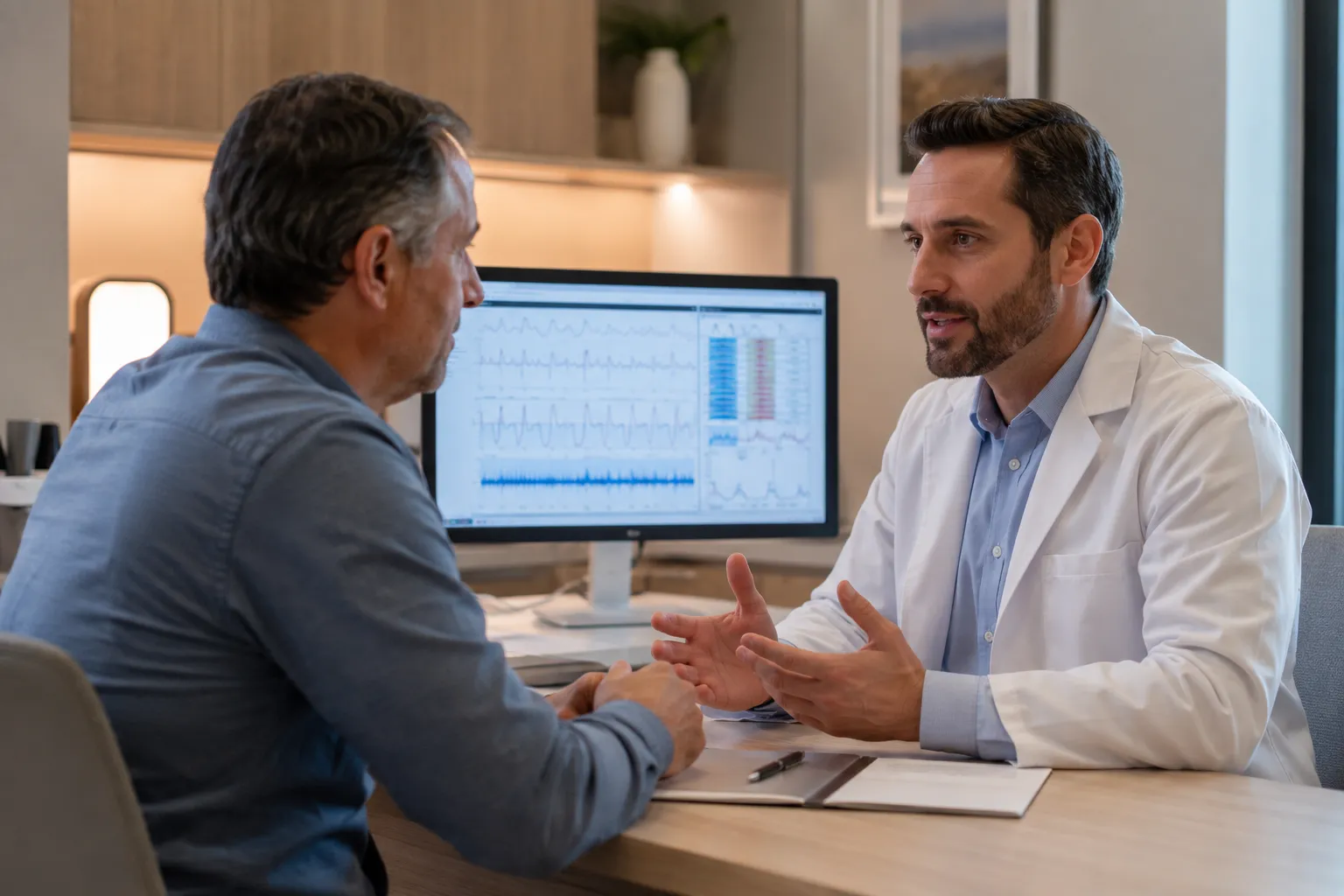
Obstructive Sleep Apnea Warning Signs, and How to Know If You Have It
Many people think snoring is harmless. But loud snoring, daytime fatigue, and poor sleep quality can be signs of Obstructive Sleep Apnea (OSA). Here's how to recognize the warning signs and know when to see a sleep specialist.