
How do you screen dental patients for obstructive sleep apnea?
More dentists than ever are adding sleep medicine to their practice, and one of the first questions they ask is a practical one. How do you actually screen dental patients for sleep apnea in a way that fits into a normal hygiene visit or new patient exam? The good news is that screening for obstructive sleep apnea, often shortened to OSA, does not require a sleep lab or a long list of new equipment. It requires a consistent process, a few validated tools, and a team that knows what signs to look for.
This article walks through how screening actually works in a general dental office, the tools most practices rely on, what to look for during a chairside exam, and how to build a referral pathway once you suspect a patient may have OSA.
Why Dentists Are Well Positioned to Screen for OSA
Dentists see patients more often than most physicians do. A patient might visit their primary care doctor once a year, but many return to their dentist twice a year for cleanings, and often more if they are in active treatment. That frequency, combined with a clear view inside the mouth and airway, puts general dentists in a unique position to catch warning signs that a physical exam elsewhere might miss.
Your oral health is more important than you might realize. It's not just about having a bright smile, it's about maintaining your overall well-being. Regular dental check-ups, proper brushing and flossing, and a healthy diet can prevent many dental issues.
Obstructive sleep apnea is also widely underdiagnosed. Millions of adults have moderate or severe OSA and do not know it, often because their symptoms show up as snoring, daytime fatigue, or morning headaches rather than anything that sends them to a sleep specialist on their own. A dental team that knows what to look for can be the first point of contact that gets a patient properly diagnosed and treated.
Common Screening Tools Used in the Dental Office
Two tools show up again and again in dental sleep medicine, and both are simple enough to hand a patient on a clipboard or tablet before their exam even begins.
The STOP-BANG questionnaire is one of the most widely used screening tools in both medical and dental settings. It asks about snoring, tiredness, observed pauses in breathing, blood pressure, body mass index, age, neck size, and gender. Each answer adds a point, and a higher total score suggests a greater likelihood of moderate to severe OSA. Because it takes less than two minutes to complete, it fits naturally into new patient paperwork.
The Epworth Sleepiness Scale is another common option, and it focuses specifically on daytime drowsiness. Patients rate how likely they would be to doze off in different everyday situations, such as sitting quietly after lunch or riding in a car for an hour. A high score points toward excessive daytime sleepiness, which is one of the clearest signals that a patient's sleep quality may be compromised.
Many practices use both tools together, since STOP-BANG focuses more on risk factors while the Epworth scale focuses on lived symptoms. Used side by side, they give a fuller picture before a single exam has even started.
What a Chairside OSA Screening Actually Looks Like
Once a patient's questionnaire results raise a flag, a chairside screening helps confirm whether a referral makes sense. This part of the process leans on things dentists are already trained to notice.
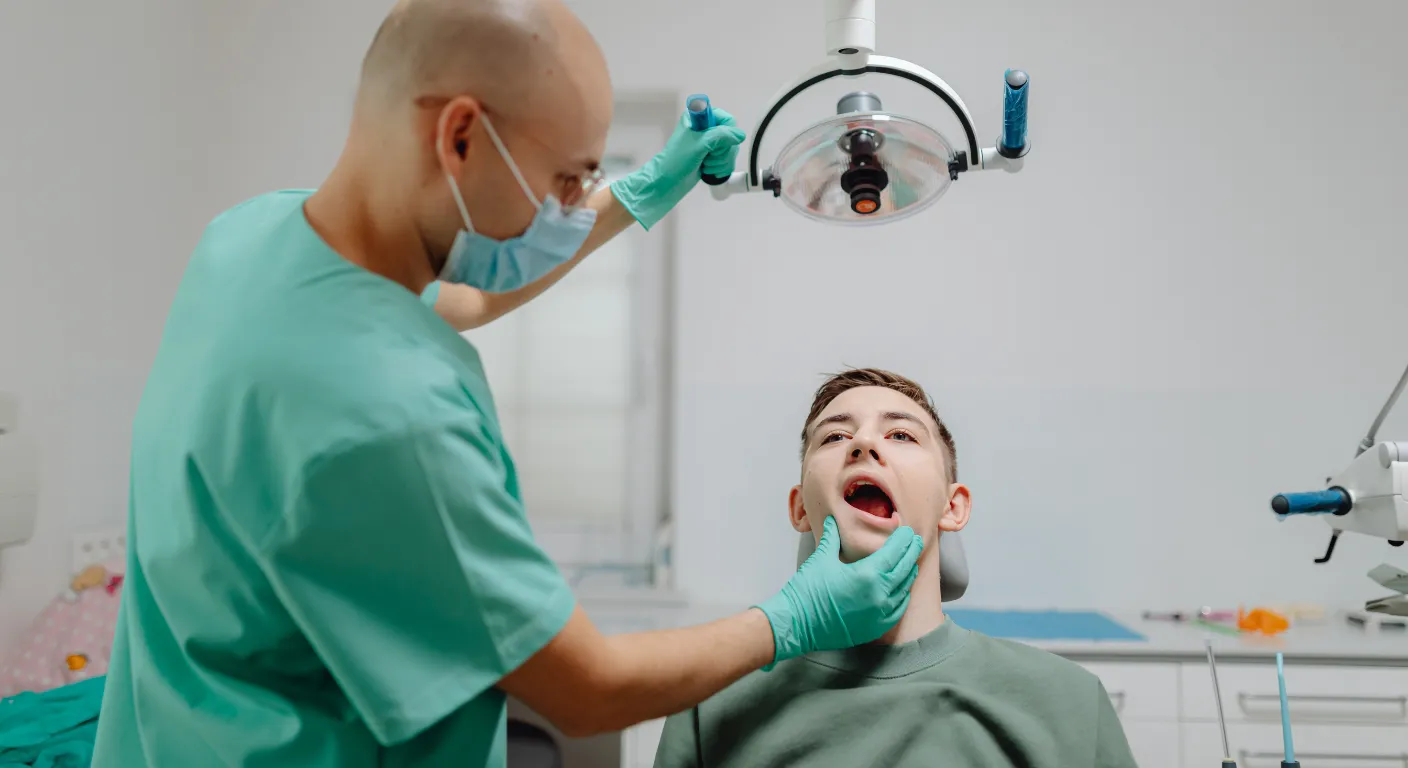
A Mallampati score, which grades how much of the soft palate and airway is visible when a patient opens their mouth, is a quick and useful measure. A higher Mallampati class often correlates with a narrower airway and a greater risk of airway collapse during sleep.
Beyond that, a few physical signs tend to show up often in patients with OSA. A scalloped tongue, where the edges show indentations from pressing against the teeth, can suggest the tongue is larger than the space available in the mouth. Worn edges on teeth, particularly from grinding, often point to bruxism, which is closely linked to sleep disordered breathing. Enlarged tonsils, a thick neck, or a recessed lower jaw are additional signs worth noting during a routine exam.
None of these findings confirm OSA on their own. What they do is build a clinical picture that, combined with a positive STOP-BANG or Epworth result, gives a dentist enough reason to recommend the patient pursue a formal sleep study.
Interpreting the Results and When to Refer
Screening tools are meant to flag risk, not diagnose. A dentist cannot officially diagnose OSA, since that requires a sleep study interpreted by a physician, usually a sleep medicine specialist. What a dental team can do is identify risk early, document it clearly, and guide the patient toward the next step.
A general rule many practices follow is to refer any patient with a STOP-BANG score of three or higher, an elevated Epworth score, or clear physical signs found during the exam. From there, the patient is typically referred either to their physician or directly to a sleep physician for a home sleep test or an in lab polysomnography study.
Building a Referral Pathway with Sleep Physicians
Screening only works if there is somewhere for the patient to go next. Practices that succeed in dental sleep medicine usually build relationships with one or two local sleep physicians they trust, so referrals feel seamless rather than like a dead end.
Once a diagnosis is confirmed, dentists often play an active role in treatment through oral appliance therapy, which is a custom fitted device worn at night to keep the airway open. This is where many general dentists find real growth in their practice, since oral appliance therapy sits squarely within a dentist's scope while addressing a medical condition that affects a patient's whole health.
Clear communication with the referring physician, along with proper documentation of screening results, also supports insurance and medical billing, which differs from typical dental billing and often surprises practices that are new to this space.
It also helps to think of the sleep physician relationship as a two way street rather than a one time handoff. Physicians often appreciate a dentist who sends a clear summary of screening results and physical findings, since it saves them time during the initial consultation. In return, many sleep physicians will refer patients back to the dental practice for oral appliance therapy once a diagnosis is confirmed, especially if they know the practice is trained and credentialed to provide it. Over time, this kind of relationship can become one of the more steady, reliable referral sources a general practice has.
How to Talk to Patients About OSA Screening
Patients do not always connect snoring or fatigue with their dental visit, so framing matters. Rather than presenting it as an add on service, many practices introduce it as part of a complete health check, similar to how blood pressure or oral cancer screening became standard over time.
A simple explanation works well. Something like explaining that certain signs in the mouth and airway can point toward sleep quality issues, and that a two minute questionnaire can help determine if it is worth exploring further, tends to land better than leading with clinical terminology the patient may not recognize.
Getting Started with Dental Sleep Medicine in Your Practice
Adding OSA screening does not require overhauling how your practice runs. Most offices start with a simple intake form, train the team to recognize a handful of physical signs, and establish one or two referral relationships with local sleep physicians. From there, oral appliance therapy and ongoing patient management can grow naturally as the practice becomes more comfortable with the workflow.
For dentists who want structured support rather than building this from scratch, joining a credentialed network can shorten the learning curve considerably, particularly around training, referral connections, and billing guidance.
Ready to Bring Dental Sleep Medicine Into Your Practice?
Screening dental patients for sleep apnea is one of the most meaningful ways a general dentist can expand their impact on a patient's overall health. Join the Appnea network of credentialed dentists to get the training, referral support, and billing guidance needed to screen with confidence and grow this side of your practice the right way.

Need help ?
Schedule your initial consultation today and start your journey towards a pain-free, healthier smile. Contact us now!
Blog Suggestions
What are the AASM/AADSM guidelines for oral appliance therapy in 2026?
A patient-friendly guide to the current AASM and AADSM recommendations for oral appliance therapy in 2026, covering diagnosis, custom titratable appliances, physician-dentist collaboration, follow-up testing, and what's new with the GRADE methodology.
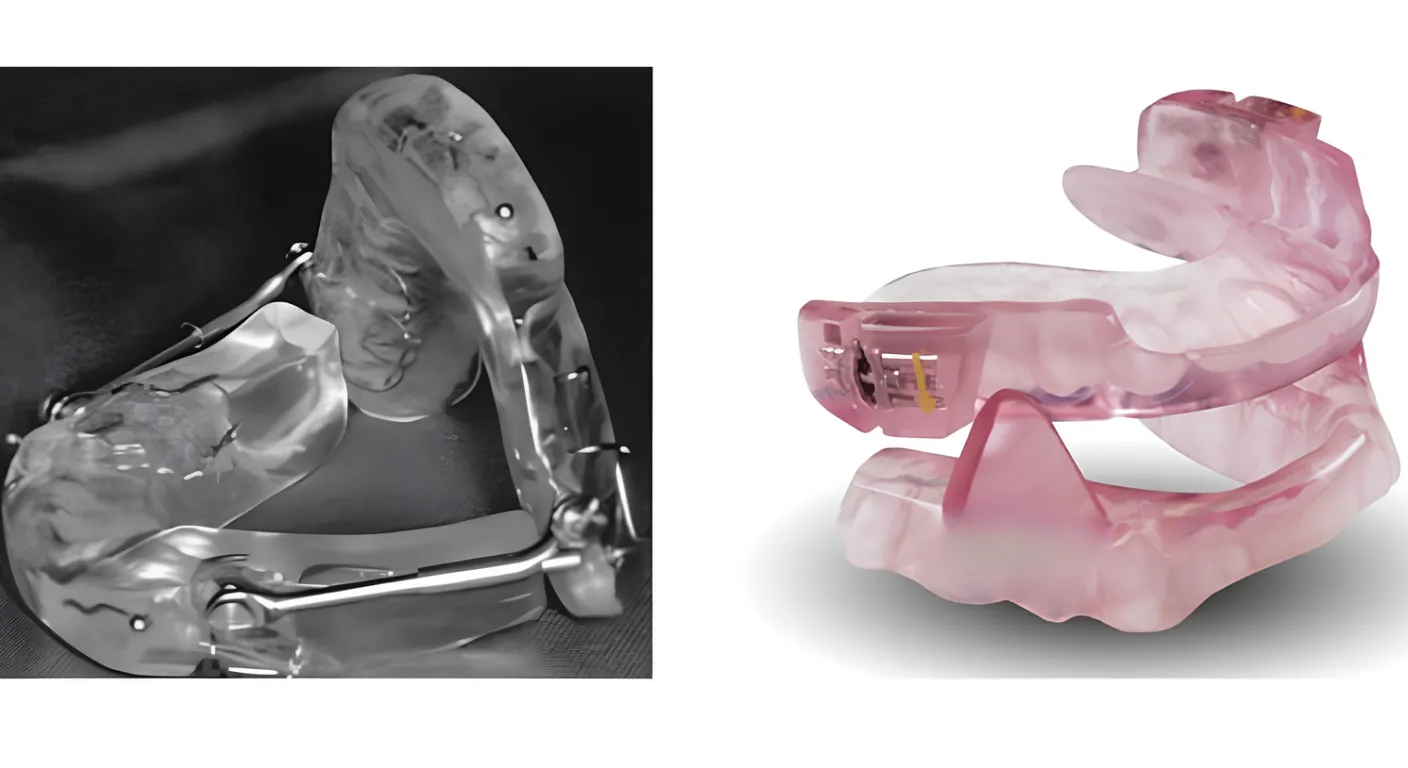
Prospective Study of Patients with OSA Treated with Mandibular Advancement Devices
A prospective study following OSA patients on mandibular advancement devices shows meaningful drops in the apnea-hypopnea index, less daytime sleepiness, better oxygen levels, and high treatment adherence.
Oral Appliance Therapy — Cracking the Code
A plain-language guide to how oral appliance therapy works, who it helps, why titration and follow-up matter, and what it takes to get consistently good results for snoring and obstructive sleep apnea.

Correspondence Regarding Pediatric OSA, Snoring and Oropharyngeal Dysbiosis
A commentary on reports linking pediatric OSA and primary snoring to oropharyngeal dysbiosis and mild gut imbalance — what the associations can and cannot show, why mouth breathing is a major confounder, and what it means for dental sleep medicine.