
COMISA: When Appliance "Non-Compliance" Is Untreated Insomnia
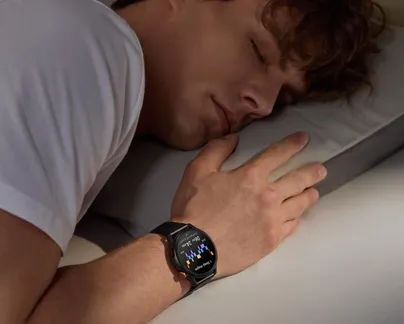
When a patient reports that an oral appliance "isn't working" despite good fit, adequate titration, and objectively confirmed AHI reduction, the most commonly missed explanation is untreated insomnia. Comorbid insomnia and sleep apnea — COMISA — affects a substantial share of patients with OSA, and it produces a specific clinical signature that is easy to misread as appliance non-compliance. Treating the appliance harder does not fix it. Recognising it and co-referring for cognitive behavioural therapy for insomnia does.
What COMISA Is and Why It Matters
COMISA describes the co-occurrence of insomnia disorder and obstructive sleep apnea in the same patient. Estimates of prevalence vary with definition and population, but studies consistently find that a large minority of OSA patients meet criteria for clinically significant insomnia, and that the combination produces worse outcomes than either condition alone: greater daytime impairment, higher cardiovascular risk, more depression and anxiety, and substantially lower adherence to airway therapy.
The interaction is bidirectional. Fragmented breathing produces arousals that condition wakefulness. Conditioned hyperarousal and the anxiety of lying awake make patients hypervigilant to any physical sensation at bedtime — including a new device in the mouth. Each condition makes the other harder to treat, which is precisely why treating only the airway leaves the patient still complaining.
Your oral health is more important than you might realize. It's not just about having a bright smile, it's about maintaining your overall well-being. Regular dental check-ups, proper brushing and flossing, and a healthy diet can prevent many dental issues.


The Clinical Signature: Non-Compliance That Isn't
Certain complaints point toward insomnia rather than appliance failure. Patterns worth recognising:
- The patient removes the appliance in the middle of the night, consistently, and cannot say exactly why. Airway-driven removal usually has a stated cause: pain, dry mouth, gagging. Insomnia-driven removal tends to be attributed vaguely to discomfort or restlessness.
- The patient reports the appliance "keeps me awake" or "I can't fall asleep with it in," while tolerating it comfortably during a daytime fit check. Conditioned arousal at bedtime, not a fit problem.
- Objective testing shows good AHI control with the appliance in place, but the patient reports no improvement in how they feel. If the breathing is fixed and the patient is not better, something other than breathing is driving the symptoms.
- The patient describes long sleep-onset latency, prolonged nocturnal awakenings with clock-watching, or early-morning awakening with inability to return to sleep. These are insomnia phenotypes, not apnea phenotypes.
- Daytime complaint is fatigue and cognitive fog rather than frank sleepiness. Epworth scores are often unremarkable or low in insomnia-predominant patients, whereas apnea-predominant patients score higher.
- Anxiety about sleep itself: dread of bedtime, effort to sleep, catastrophising about the consequences of a bad night. This is close to pathognomonic and rarely arises from a device.
A patient exhibiting several of these is not failing appliance therapy. They have a second condition that has not been addressed.
Screening for It in the Dental Chair
Detection is inexpensive. Add a brief insomnia screen at intake and again at the titration and three-month visits.
- Use the Insomnia Severity Index, a seven-item instrument that takes under two minutes and yields a score with established severity bands.
- Ask three direct questions: How long does it take you to fall asleep? When you wake in the night, how long are you awake? How do you feel about going to bed — is it something you look forward to or something you dread?
- Note discordance explicitly: a patient with confirmed AHI reduction and persistent symptoms should trigger the insomnia question rather than another titration adjustment.
- Ask about sedative-hypnotic use. Chronic use of sleep medication is a strong signal of untreated insomnia and independently complicates the picture.
When and How to Co-Refer for CBT-I
Cognitive behavioural therapy for insomnia is the recommended first-line treatment for chronic insomnia, ahead of pharmacotherapy, in major clinical guidance including the AASM's. It combines stimulus control, sleep restriction, cognitive restructuring, and sleep hygiene, typically over four to eight sessions. Evidence supports its use in patients with COMISA, and sequencing matters: addressing insomnia alongside or before intensifying airway therapy improves adherence to the airway therapy itself.
Practical referral guidance:
- Refer when the insomnia screen is positive and symptoms persist despite objectively adequate appliance efficacy, or earlier if insomnia complaints dominate the presentation from the start.
- Route through the sleep physician rather than referring directly where possible. This keeps the co-management structure intact and ensures the insomnia diagnosis is formally made.
- Know the local options: behavioural sleep medicine specialists are scarce in many regions, and delivery through psychologists with CBT-I training, structured digital CBT-I programmes, and primary-care-embedded programmes are all legitimate pathways.
- Do not attempt to deliver CBT-I from the dental chair. Sleep hygiene advice is not CBT-I, and offering it as a substitute delays real treatment.
- Continue appliance therapy during CBT-I unless there is a clinical reason to pause. The airway still needs treating, and adherence often improves once the insomnia is addressed.
What to Say to the Patient
Patients frequently interpret a referral for behavioural therapy as being told the problem is imaginary. Pre-empt that directly:
"Your breathing is measurably better with the appliance — the test confirms it. But you're still not sleeping well, and that tells me there's a second thing going on. A lot of people with sleep apnea also have insomnia, and they're separate problems that need separate treatment. The appliance handles the breathing. What it can't do is retrain the part of sleep that's gone wrong from years of broken nights. There's a specific, well-studied therapy for that, and it works better than sleeping pills. I'd like to get you assessed for it, and we'll keep going with the appliance in the meantime."
Key Takeaways
- COMISA is common and produces worse outcomes and lower therapy adherence than either condition alone.
- Persistent symptoms despite objectively confirmed AHI reduction should prompt an insomnia screen, not further titration.
- Middle-of-the-night removal without a stated physical cause, bedtime dread, and long sleep-onset latency point to insomnia.
- CBT-I is first-line for chronic insomnia and is effective in COMISA; sleep hygiene advice is not a substitute.
- Refer through the sleep physician and continue appliance therapy during treatment.
Frequently Asked Questions
Q: Should the appliance be paused while the patient undergoes CBT-I?
A: Usually not. The airway still requires treatment, and adherence commonly improves once insomnia is addressed.
Q: Can sleep hygiene advice substitute for CBT-I?
A: No. Sleep hygiene is one small component. Stimulus control and sleep restriction carry most of the therapeutic effect and require structured delivery.
Q: What screening tool works best in a dental setting?
A: The Insomnia Severity Index. It is brief, validated, scored, and repeatable for tracking change.
Q: Does treating the apnea sometimes resolve the insomnia?
A: Sometimes, particularly where the insomnia is driven mainly by apnea-related arousals. When it persists after AHI is controlled, it needs its own treatment.
Q: Is it within dental scope to raise insomnia with a patient?
A: Screening and referral are appropriate. Diagnosis and treatment belong to the physician or behavioural sleep clinician.
Final Thoughts
Appliance non-compliance is a symptom, not a diagnosis, and the reflex to respond with more titration or a different device misses a treatable comorbidity in a meaningful share of cases. A two-minute insomnia screen at the titration visit costs almost nothing and identifies the patients for whom no amount of protrusive adjustment will ever produce satisfaction. Recognising COMISA is also one of the clearest demonstrations that a dental sleep practice is practising sleep medicine rather than fitting devices.

Need help ?
Schedule your initial consultation today and start your journey towards a pain-free, healthier smile. Contact us now!
Blog Suggestions

Pediatric Airway Screening at the Hygiene Recall: A Protocol
A four-step screening protocol for every pediatric recall — caregiver questions, extraoral observation, intraoral airway examination, and validated instruments — plus referral pathways and what to say.

Five-Year Occlusal Change With Oral Appliance Therapy
Occlusal change is expected, not a complication of poor technique. Monitoring with baseline records, documenting change, mitigation strategies, and having the conversation before the patient notices.
MAD-FIT, Seven Years On
A data-led update to the 2019 augmented intelligence post: what titration data says about first-night efficacy, reduced follow-up burden, and the honest limits of clinical prediction.

Before You Upload a Patient Photo to an AI Tool
A clinical photograph uploaded to a vendor without a BAA is a reportable breach. The PHI questions to ask any AI vendor, and why getting this right is genuine differentiation.