
How Oral Health Could Be a Hidden Key to Protecting Your Brain & Heart
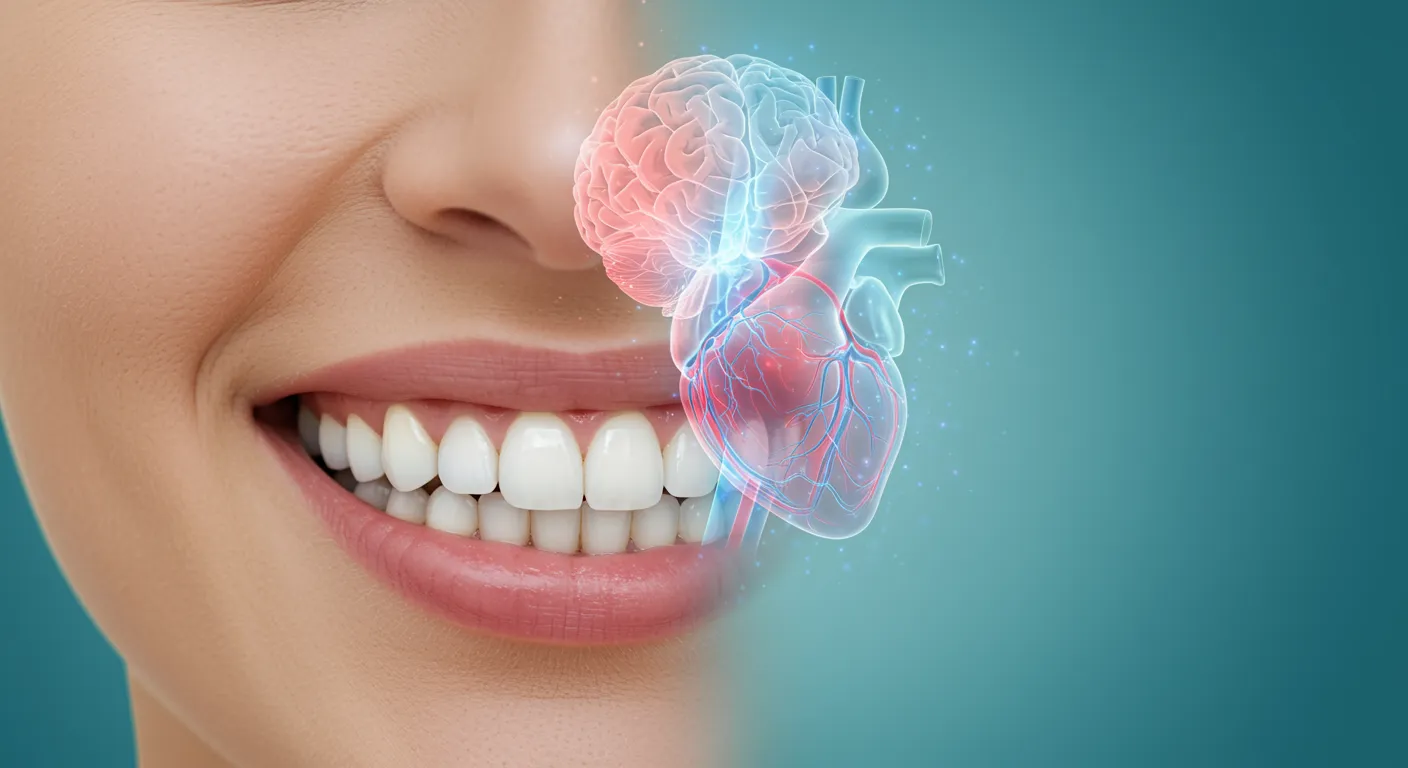
What the Research Found
A recent study published in Neurology Open Access (October 22, 2025) showed the following:
🔹People who had both gum disease (periodontal disease) and cavities had an 86% higher risk of stroke compared to people whose mouths were healthy.
🔹Those with gum disease alone (but no cavities) had a roughly 44% increased risk compared to healthy mouths.
Your oral health is more important than you might realize. It's not just about having a bright smile, it's about maintaining your overall well-being. Regular dental check-ups, proper brushing and flossing, and a healthy diet can prevent many dental issues.

🔹People with poor oral health (gum disease + cavities) also had a 36% higher risk of major cardiovascular events (like heart attack, fatal heart disease) vs. those with good oral health.
🔹The research also found that gum disease was associated with signs of white‐matter damage in the brain—an indicator of small vessel damage / early brain injury.
🔹Interesting protective fact: People who visited a dentist regularly were 81% less likely to have both gum disease & cavities and 29% less likely to have gum disease alone.
Why Might Oral Health Affect the Brain & Heart?
Here are plausible mechanisms (how this might work) which help us understand why this link can exist:
Chronic inflammation
🔹Gum disease = chronic infection of the gums/periodontium → persistent inflammation
🔹Inflammation is a known factor in atherosclerosis (hardening of arteries) and also small vessel damage in the brain (which can lead to white matter changes)
🔹The study authors point out that inflammation from the mouth could “travel” via the bloodstream or trigger systemic immune responses.
Bacterial load & endotoxins
🔹 Oral bacteria from cavities or infected gums can enter the bloodstream (especially if gums bleed)
🔹 These bacteria or their toxins may damage blood vessels, promote clot formation, or contribute to plaque instability
Vascular damage / small vessel disease
🔹The study found associations with white matter damage in the brain (an indicator of small vessel disease) in those with gum disease.
🔹Small vessel disease in the brain is a known risk factor for stroke and cognitive decline.
Shared risk factors
🔹 Poor oral health often co‐exists with other risk factors: smoking, diabetes, poor diet, low socio‐economic status.
🔹 The study adjusted for some of these (age, BMI, smoking) but residual confounding always remains.
What This Means for You (and Everyone)
Since you’re working in a high-tempo environment (project work, software, deadlines) and probably under some stress, this is relevant. Think of oral health as another piece in your wellness puzzle.
Practical takeaways:
🔹 Brush & floss daily: Get into the habit of brushing twice a day and flossing (or using interdental cleaners) once daily.
🔹 Regular dental visits: Even if nothing “hurts”, get a check-up and cleaning every 6-12 months (depending on your dentist’s recommendation).
🔹 Treat cavities and gum disease early: If you have signs (bleeding gums, sensitivity, visible cavities) act early — it’s not just about the tooth, but your systemic health.
🔹 Manage other risk factors: Healthy diet, managing blood sugar, controlling blood pressure, avoiding smoking — all combine with oral health to reduce risk.
🔹 Awareness is key: Know that a healthy mouth could mean a healthier heart and brain — so don’t ignore symptoms like persistent gum bleed, loose teeth, bad breath, or recurring cavities.
For Dental & Medical Professionals
If you are advising others (or you yourself as a patient interacting with professionals):
🔹Encourage the view of oral health as part of systemic health, not just “teeth problems”.
🔹Consider asking patients with cardiovascular or neurological risk whether they have been screened for dental issues.
🔹 Stimulate collaborative care: dentists, cardiologists, neurologists can work together in high‐risk patients.
🔹 Future research needed: interventional trials (treating gum disease aggressively) to see if stroke/heart event rates drop.
Limitations & Things to Keep in Mind
🔹As mentioned: association ≠ causation. Just because gum disease + cavities are linked to stroke does not prove they cause stroke.
🔹Oral health was measured only at baseline in this study — there was no long‐term tracking of changes in oral health over the follow‐up period.
🔹Unmeasured confounders may exist (diet details, socio‐economic status, access to healthcare, genetics).
🔹The risk increases (e.g., 86%) are relative risk compared to healthy mouths — not “your risk will double” in absolute terms necessarily (depends on baseline risk).
🔹The study population: average age 63, so these findings may not translate exactly to much younger groups — though maintaining oral health early is always wise.
Conclusion
What this research tells us is: your mouth may be more important than you thought when it comes to protecting your brain and heart. If you or someone you know thinks “oh, I only have a cavity” or “gum bleeding is no big deal”, it is worth reconsidering.
By integrating good oral hygiene, regular professional care, and monitoring your overall cardiovascular/neurological health, you are building a stronger defence system — not just a bright smile.
If you like, I can pull up detailed actionable dental care guidelines (especially for someone in India) including diet, brushing methods, professional cleaning frequency, cost factors, and link it to neurological/cardiovascular risk. Would you like that?

Need help ?
Schedule your initial consultation today and start your journey towards a pain-free, healthier smile. Contact us now!
Blog Suggestions
The Overlooked Connection Between Oral Health and Cancer
When we think of oral health, the mind often jumps to cavities, gum disease, or bad breath. But emerging evidence suggests that the health of our mouth is deeply linked to our overall systemic well-being — including the risk of developing cancer.
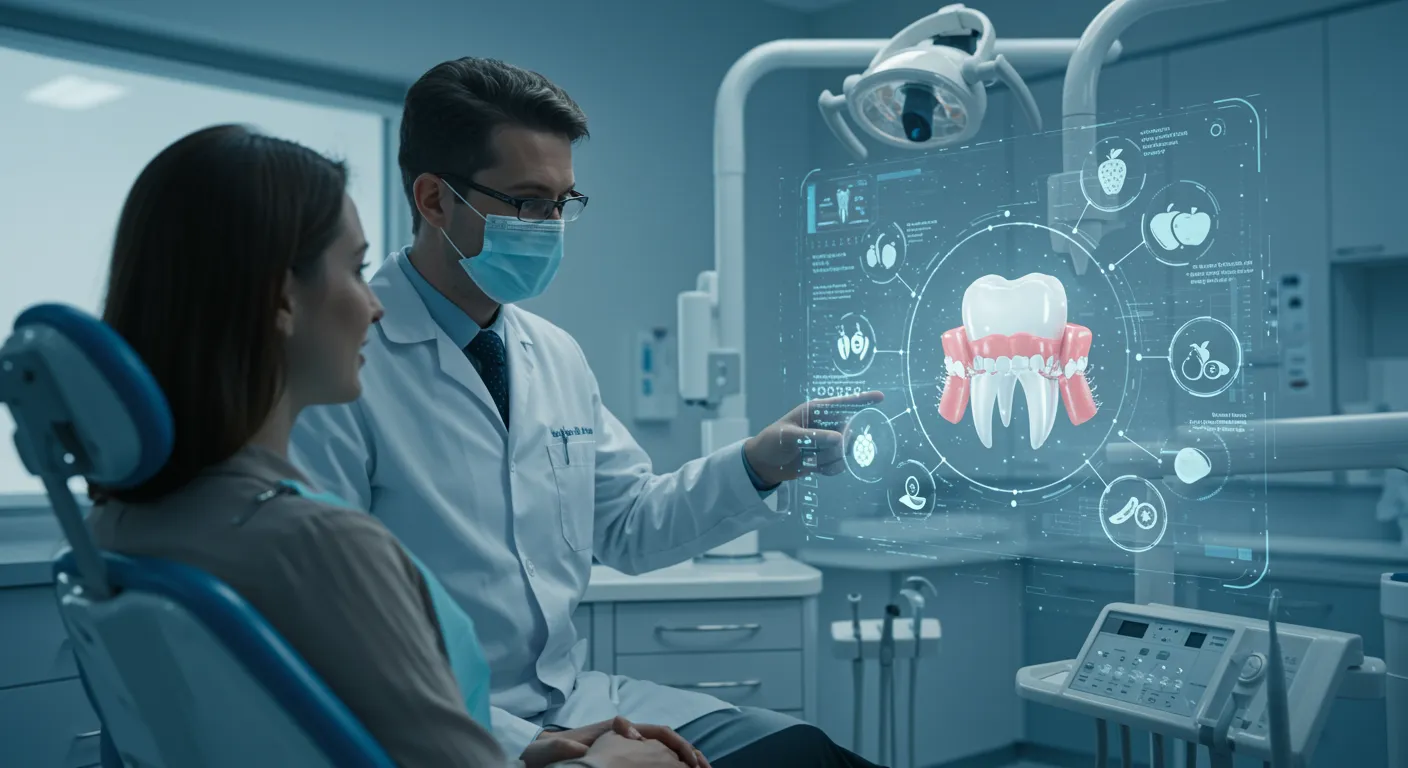
The Connection Between Nutrition and Oral Health
As dental professionals, we understand that oral health is not just about cleanings and checkups — it’s a reflection of a patient’s overall well-being. While daily brushing, flossing, and regular exams remain the foundation of preventive care, there’s another essential piece of the puzzle that often goes underappreciated: nutrition.

Advancements in Home Sleep Apnea Testing: Balancing Comfort with Clinical Precision
Polysomnography (PSG) performed in a sleep laboratory remains the benchmark for diagnosing sleep-related breathing disorders (SRBD).

Why Follow-Ups and Professional Guidance Are Essential for Mandibular Advancement Device Therapy
Mandibular Advancement Devices (MADs) have become a cornerstone in treating mild to moderate Obstructive Sleep Apnea (OSA), especially for patients who cannot tolerate Continuous Positive Airway Pressure (CPAP) therapy.