
Actigraphy Shows Many Adults Underestimate Their Sleep Duration
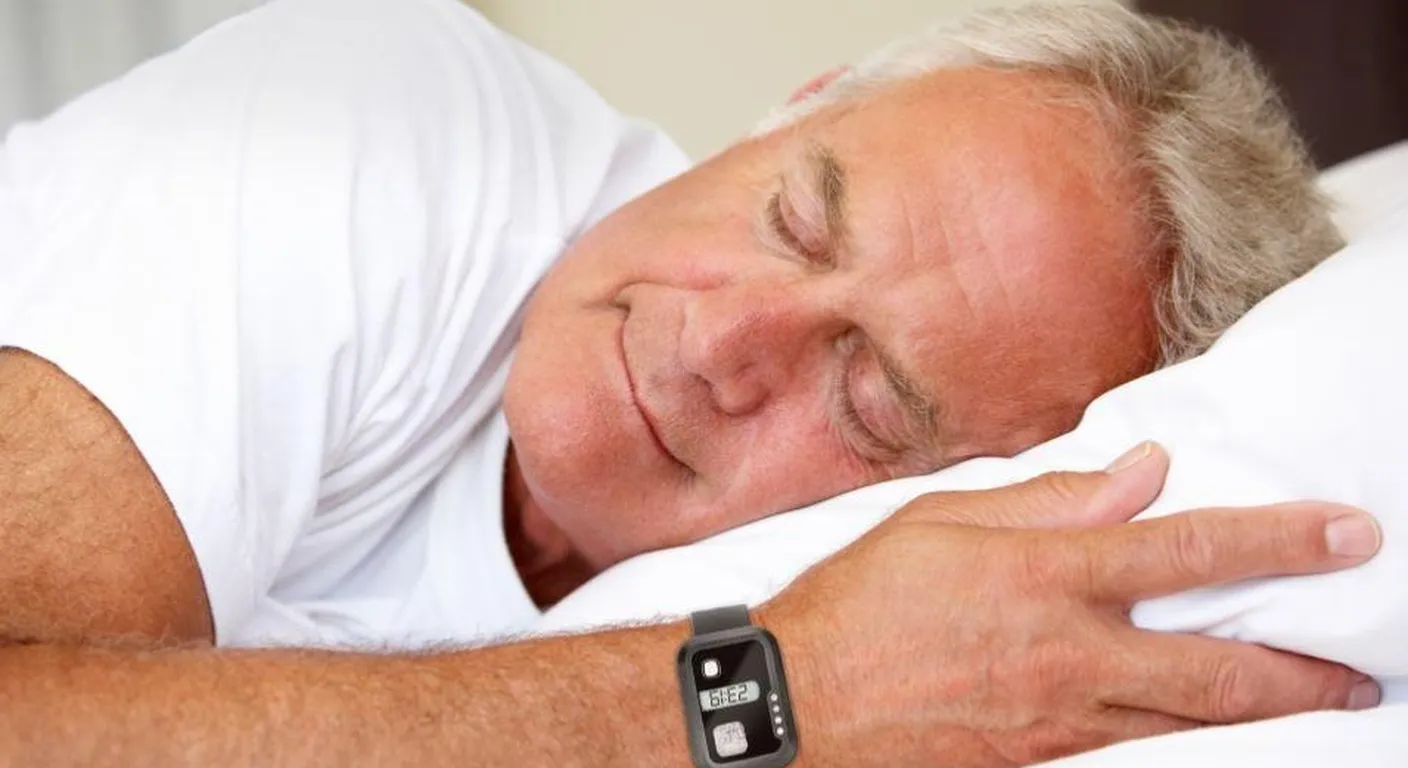
Ask an adult how long they slept last night and you will get a number. Put an actigraph on the same person's wrist and you will often get a different one. That gap—between the sleep people believe they had and the sleep an objective device records—turns out to be large, common, and clinically meaningful. In a substantial share of adults, particularly those who sleep poorly, the recorded sleep duration is longer than the reported one. People are underestimating their own sleep.
This matters because self-reported sleep drives a great deal of behaviour and a great deal of medicine. It shapes whether someone requests a sleep study, asks for a hypnotic, buys a tracker, or worries about their health. If the underlying number is systematically wrong, so are the decisions built on top of it.
What Actigraphy Actually Measures
An actigraph is a small accelerometer, usually worn on the wrist, that samples movement continuously for days or weeks. Validated algorithms translate sustained stillness into estimated sleep and movement into estimated wake. From that it derives total sleep time, sleep onset latency, wake after sleep onset, and sleep efficiency. Because it runs in the patient's own bed across many consecutive nights, it captures habitual sleep in a way a single laboratory night cannot.
Your oral health is more important than you might realize. It's not just about having a bright smile, it's about maintaining your overall well-being. Regular dental check-ups, proper brushing and flossing, and a healthy diet can prevent many dental issues.
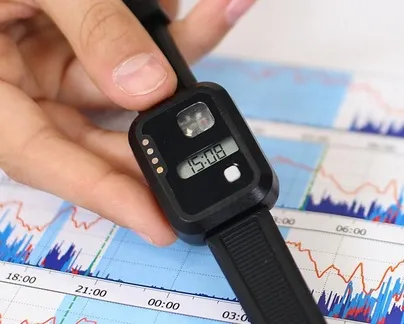
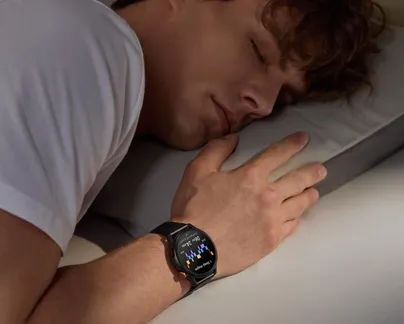
Its limits are equally important. Actigraphy infers sleep from motionlessness, so it cannot distinguish sleep stages, and it tends to overcall sleep in a person lying awake but still. It is a good measure of sleep timing and duration, and a weaker one of sleep depth.
Why the Gap Appears
Several distinct mechanisms push self-reported sleep below the recorded figure, and they are worth separating because they call for different responses.
Sleep-state misperception:
The best-documented driver. During light sleep and around brief awakenings, the brain does not reliably register that it was asleep. Time spent in stage N1 and in the fragmented sleep surrounding arousals is frequently recalled as wakefulness, so the night is remembered as shorter than it was.
Time distortion during wakefulness:
Lying awake feels long. Twenty minutes of frustrated wakefulness at three in the morning is routinely recalled as an hour or more, and that inflated wake time is subtracted from the sleep estimate.
Recall bias toward bad nights:
Memory weights the disrupted nights heavily. When asked to summarise a typical week, many people describe their worst night rather than their median one.
Confusing time in bed with sleep opportunity:
Some respondents report the hours they intended to sleep or the hours they felt rested, rather than the interval between lights out and rising.
The Direction of Error Is Not Universal
An honest account has to note that the discrepancy runs both ways depending on who is being measured. In population surveys of generally healthy short sleepers, self-report often exceeds actigraphy—people overstate how much they sleep. The underestimation pattern is strongest in adults with insomnia symptoms, fragmented sleep, or untreated sleep-disordered breathing. The useful conclusion is not that everyone underestimates, but that self-report and objective recording diverge substantially in the very patients whose sleep is most disturbed, and that the divergence in that group usually runs toward underestimation.
Fragmented Breathing Makes the Gap Worse
Adults with obstructive sleep apnea are a clear example. Their sleep is broken by repeated respiratory arousals, most of which never reach conscious awareness. The result is a night that is objectively long but subjectively unsatisfying. These patients frequently report that they slept badly and briefly, while a recording shows adequate total sleep time with poor continuity. Their complaint is real; their duration estimate is not the right instrument for it. This is one reason a patient can say "I sleep seven hours and I am exhausted"—the problem is architecture, not quantity.
Why This Matters Clinically
Unnecessary hypnotic prescribing:
A patient convinced they sleep four hours may receive medication for a duration problem they do not have, when the actual issue is continuity or misperception.
Sleep-restriction therapy depends on accurate baselines:
Cognitive behavioural therapy for insomnia sets a sleep window from reported sleep time. An underestimated baseline produces an over-restricted window and a patient who cannot comply.
Missed sleep-disordered breathing:
When a clinician accepts "I only sleep a few hours" at face value, the conversation turns to insomnia and away from snoring, witnessed apneas, and airway assessment.
Distorted risk perception:
Adults who believe they are chronically short sleepers carry real anxiety about cardiovascular and cognitive consequences, and that anxiety itself degrades sleep.
Consumer Trackers Are Not Actigraphy
Wearables have made objective sleep data ubiquitous, which helps. But consumer devices use proprietary, largely unvalidated algorithms, and their stage estimates in particular should not be treated as clinical data. They are reasonable for trends in bedtime and rise time, and unreliable for the granular claims they display most prominently. Some patients also develop orthosomnia—anxiety driven by chasing a good score—which is its own iatrogenic problem.
How to Use the Discrepancy Constructively
The gap is diagnostic information rather than a patient error to be corrected. Pairing a two-week sleep diary with concurrent actigraphy shows both the subjective experience and the objective record, and the difference between them points somewhere useful. A large gap with normal recorded duration suggests misperception or fragmentation and steers toward CBT-I and airway evaluation. Close agreement with genuinely short duration suggests insufficient sleep opportunity and steers toward schedule and behaviour. Either way, the diary is not discarded—how someone feels about their sleep is the symptom being treated.
What to Tell Patients
Telling someone their sleep problem is imaginary is both wrong and counterproductive. The accurate framing is that the brain is a poor stopwatch during light and broken sleep, that the exhaustion they feel is real even when the recorded hours look adequate, and that the reason for measuring objectively is to identify which part of sleep is failing rather than to dispute their account of it.
Final Thoughts
Actigraphy has made clear that many adults, especially those sleeping poorly, believe they sleep less than they actually do. The finding does not dismiss their complaint—it redirects it. When duration is adequate but sleep still fails to restore, the questions worth asking concern continuity, breathing, and architecture. Objective measurement, read alongside the patient's own account rather than instead of it, is what makes that distinction possible.

Need help ?
Schedule your initial consultation today and start your journey towards a pain-free, healthier smile. Contact us now!
Blog Suggestions
Why Airway Orthodontics Is Going Mainstream And What That Means for Your Practice
Airway orthodontics is moving from the fringe to mainstream dentistry. Here's what it actually is, why it's gaining momentum, where it fits in a general practice, and how to adopt it responsibly without overreaching on the evidence.
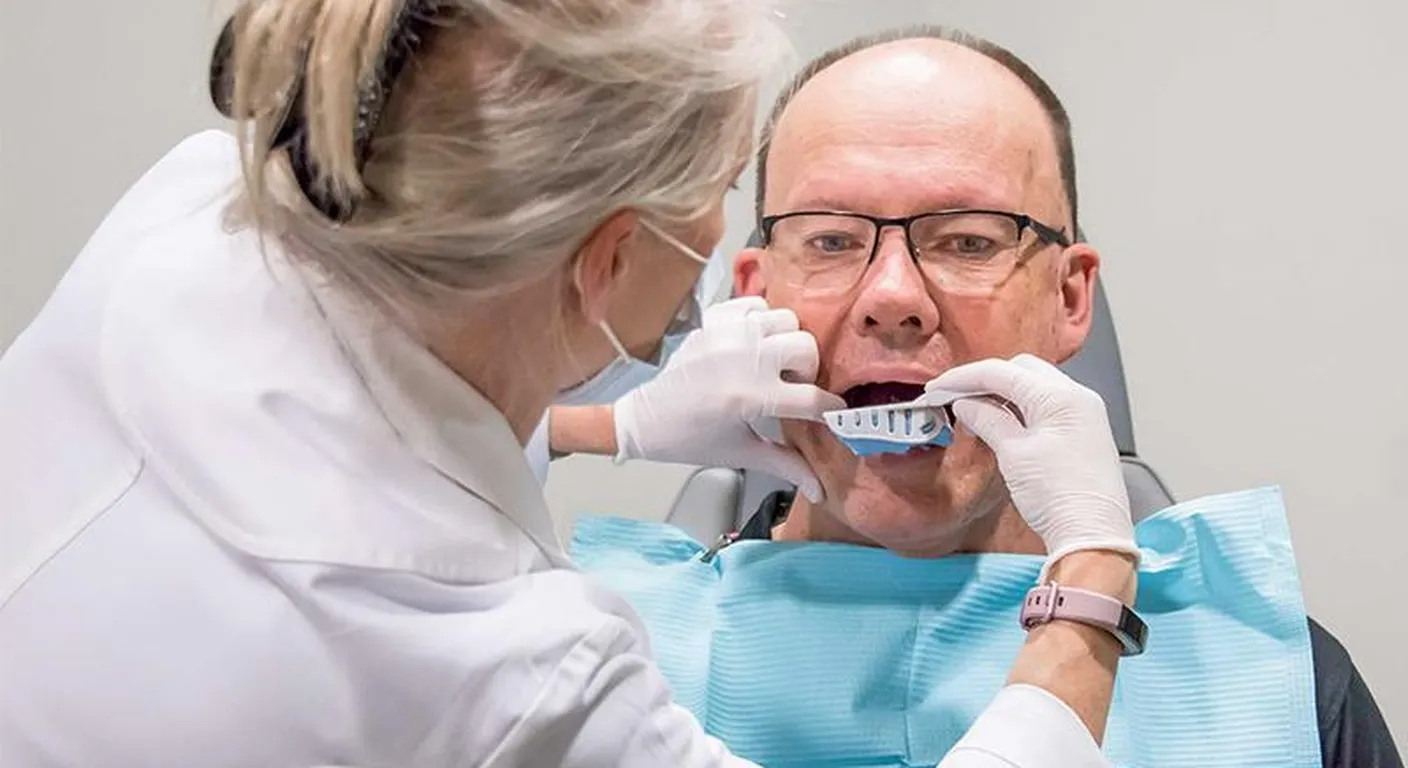
Prevention of Temporomandibular Disorders in OSA Patients Referred for Oral Appliance Therapy
How to keep jaw joint problems from derailing oral appliance therapy — baseline TMD screening before the appliance is made, appliance design and titration discipline, early review in the first ninety days, and what the referral loop needs to communicate.

When a Kid's Bad Behavior Is Actually a Hidden Sleep Disorder
Hyperactivity and trouble focusing in children can be the daytime face of sleep-disordered breathing. How dental teams can screen for it during a routine pediatric visit, raise it with parents without overstepping into diagnosis, and build the referral pathway that follows.
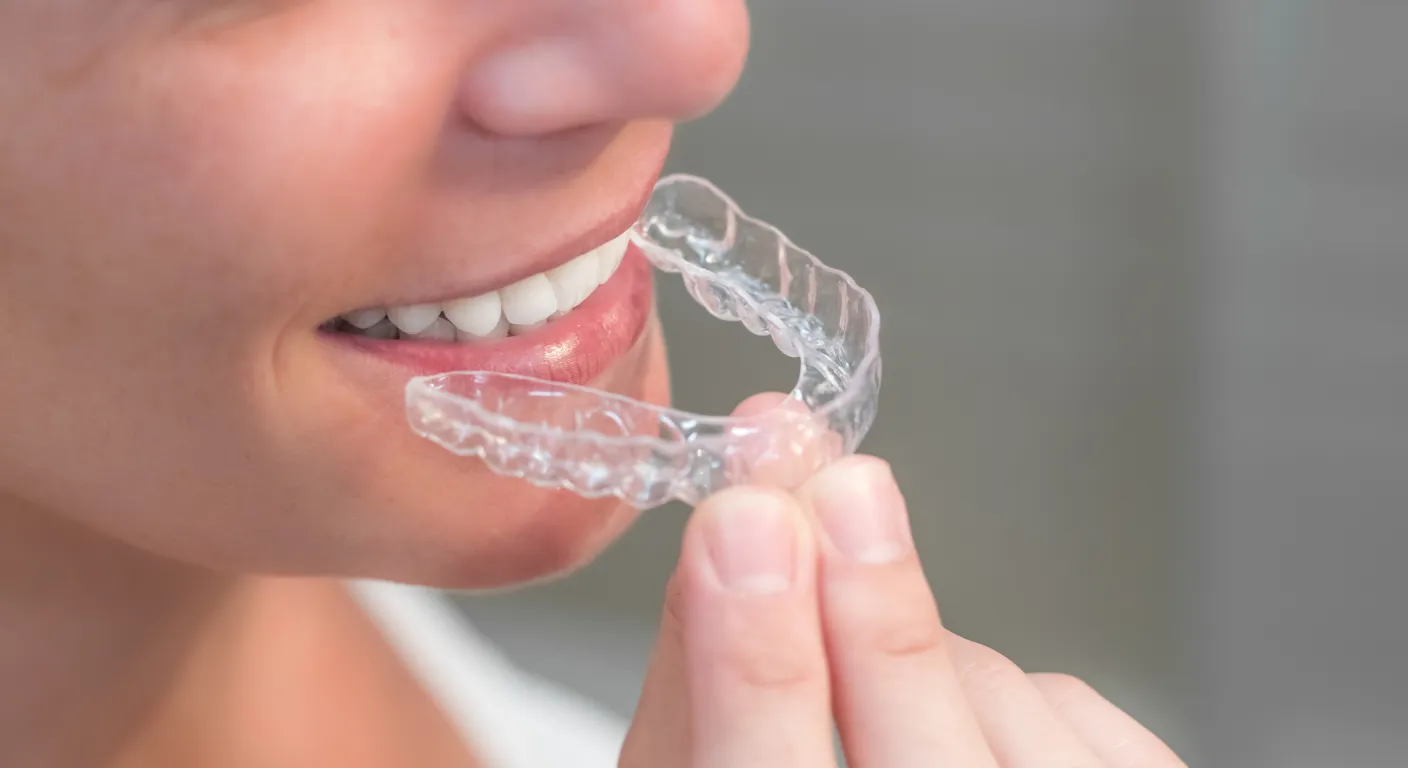
Do Oral Appliances Stay Under the Medicare DME Benefit in 2026?
CMS did not move oral appliance coverage off the DME benefit for 2026, after signalling in the CY2025 proposed rule that it was considering exactly that. What would have changed, why it did not, and what to watch next cycle.