
Latest Insights & Research
Stay informed with the latest in dental sleep medicine, oral appliance therapy, and practice management.
 Featured
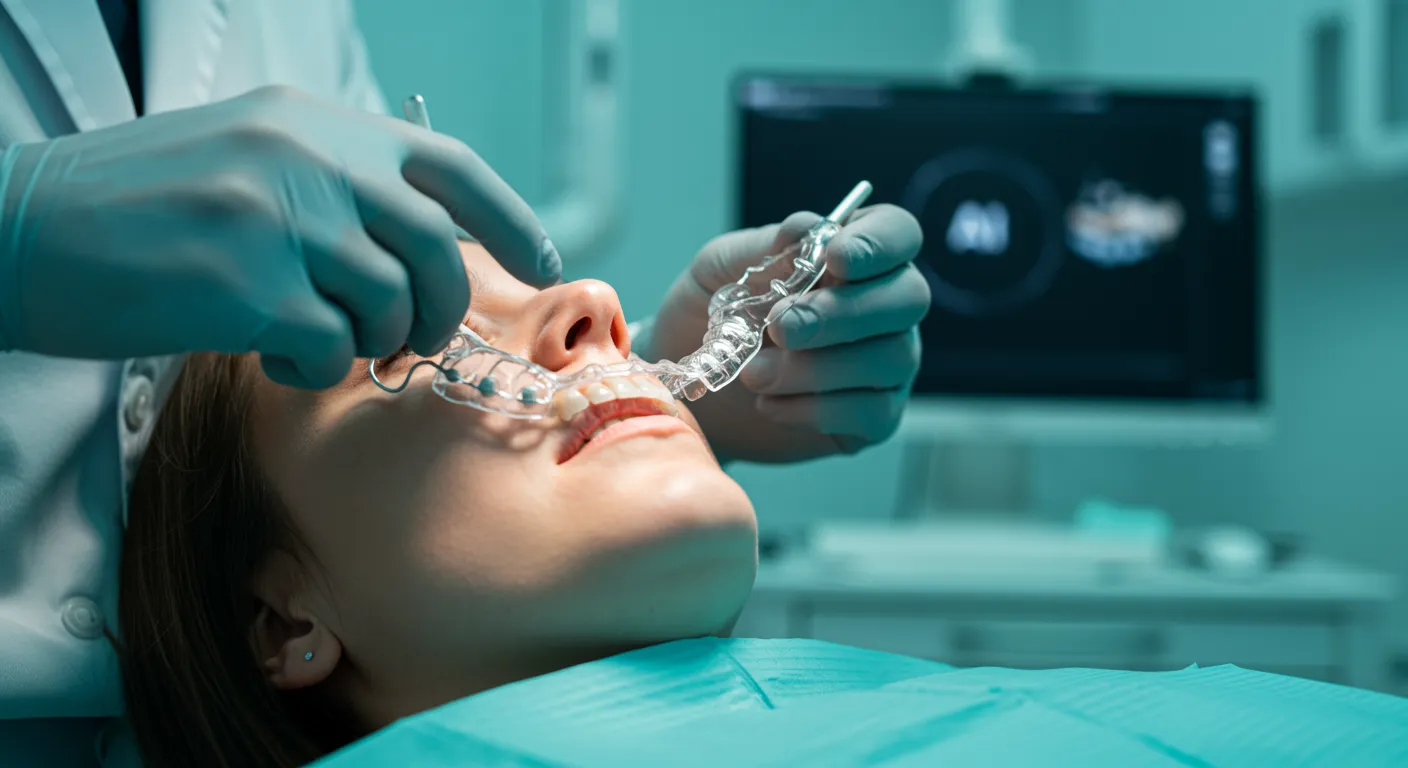
Oral Appliance Efficacy – Time for Augmented Intelligence!
Machine learning and artificial intelligence are actually making the financial trades. Dr. Singh points to a simple reason: Machines can analyze meta data from all kinds of news sources, as soon as it is made public and comes across digital channels.
All Articles
88 articles
The Mystery of Sleep Disorders: What You Need to Know
In today’s busy world, restful sleep is more vital than ever—yet for many people, a full night of quality rest feels out of reach.
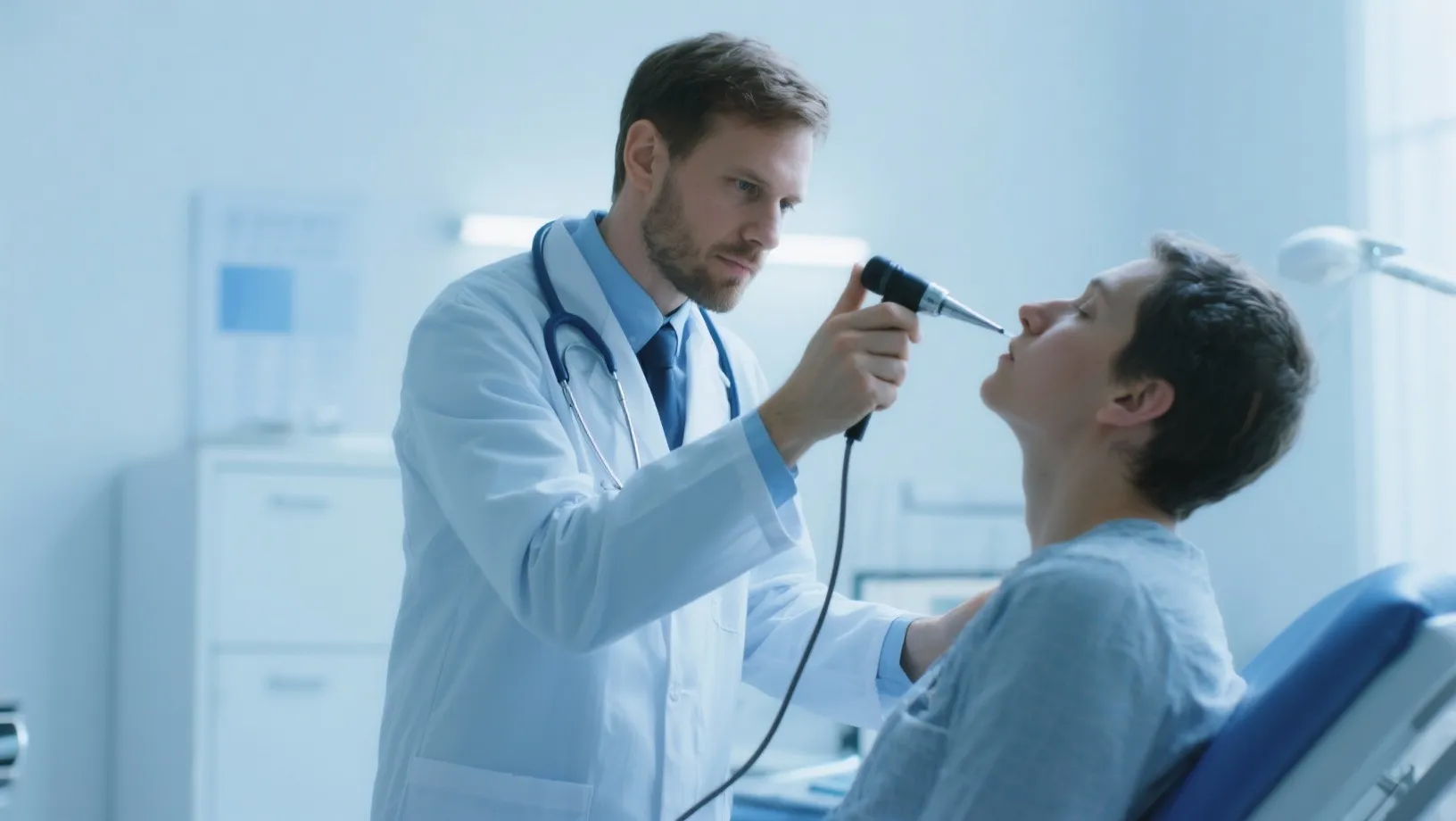
The Silent Connection: Nasal Obstruction and Obstructive Sleep Apnea (OSA)
Nasal obstruction occurs when the nasal passages become narrowed or blocked, limiting airflow.
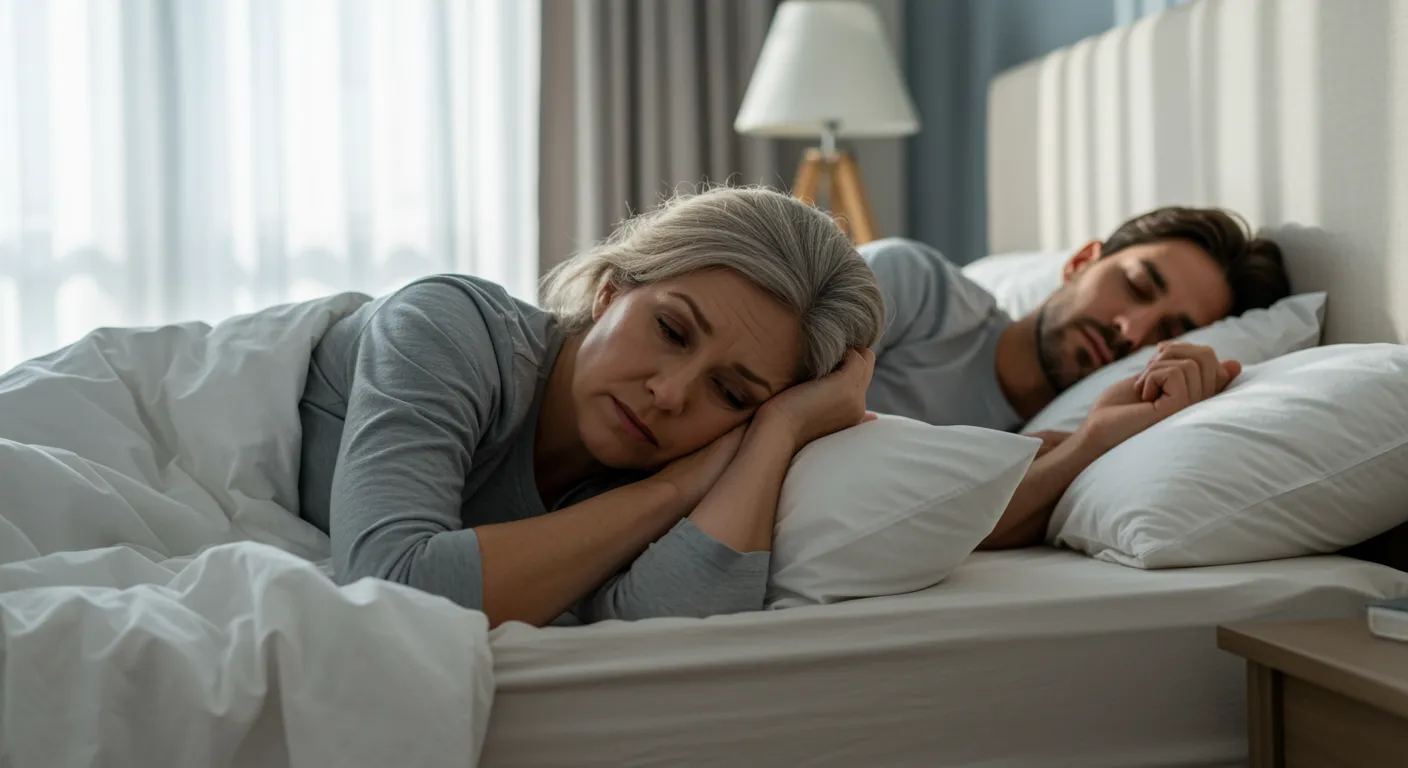
How Menopause and Snoring Are Connected: What Every Woman Should Know
Snoring isn’t just something that disturbs your partner — for many women, it’s an unexpected symptom of midlife changes, particularly menopause.
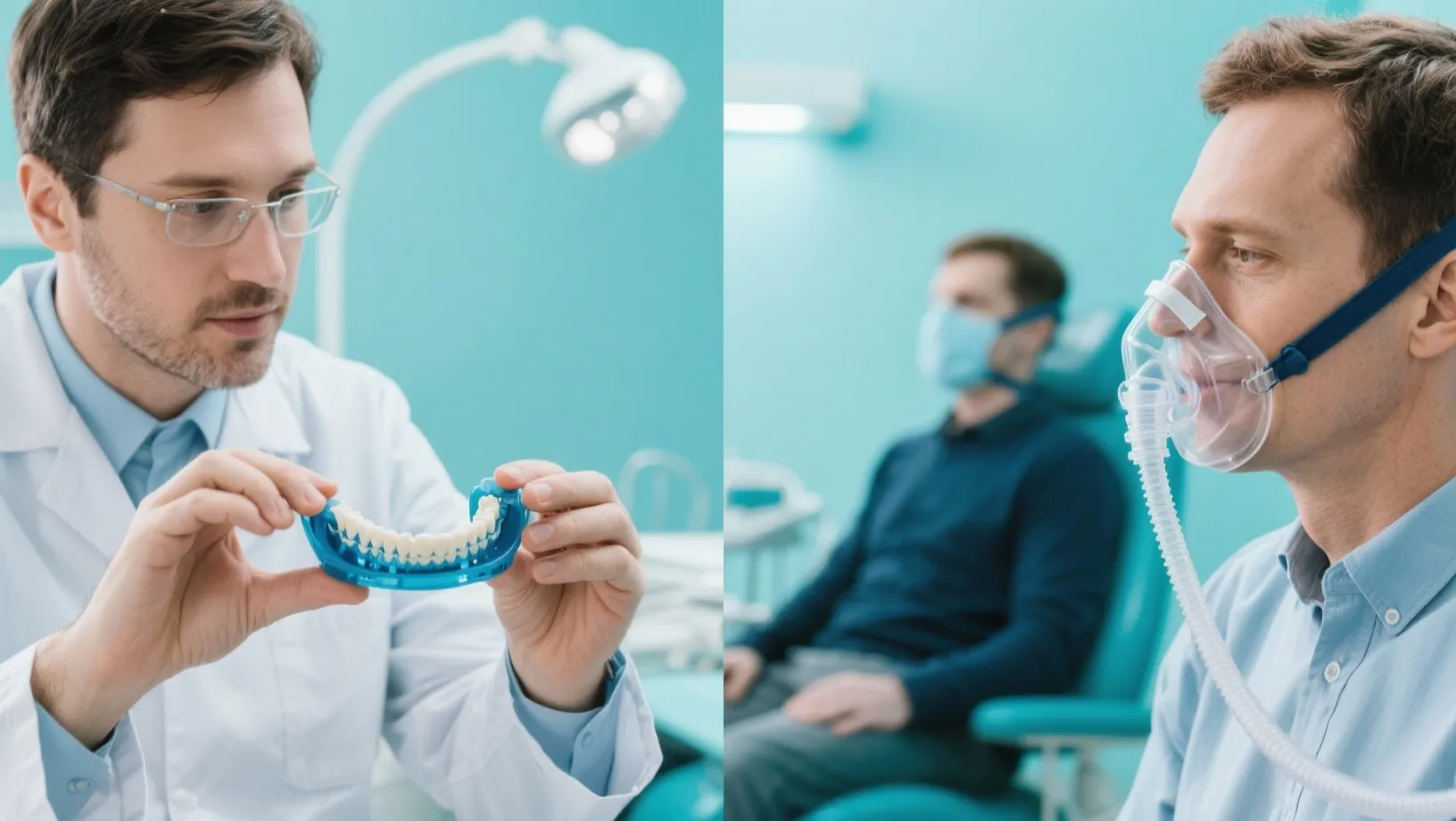
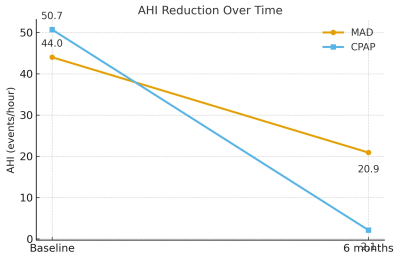
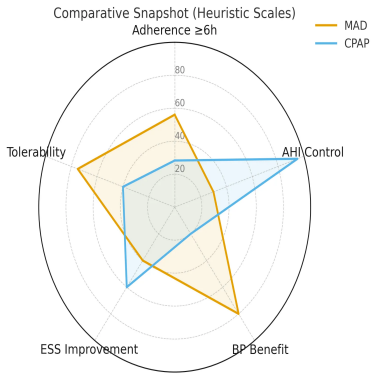
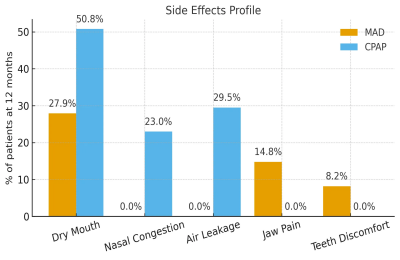
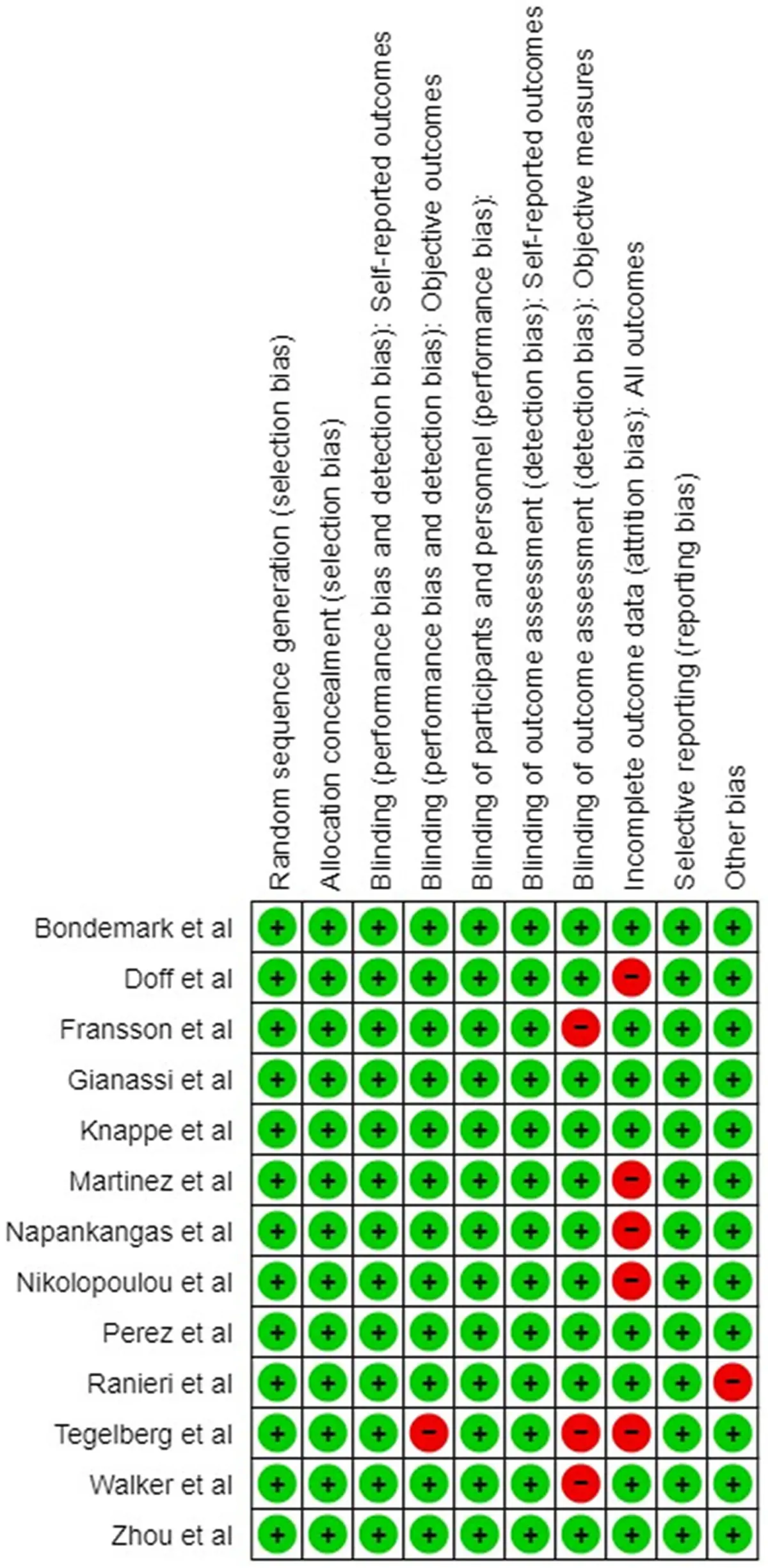
Mandibular Advancement Devices vs CPAP in Severe Sleep Apnea: Rethinking the Standard of Care
“OSA management is evolving. If CPAP is the gold standard, MADs may be the platinum alternative—durable, patient-friendly, and heart-protective.

The Dangerous Link Between Sleep Deprivation, Exposure to Violence, and Adolescent Violence
“Adolescence is a critical time for growth and development, where both physical and psychological changes are at their peak.
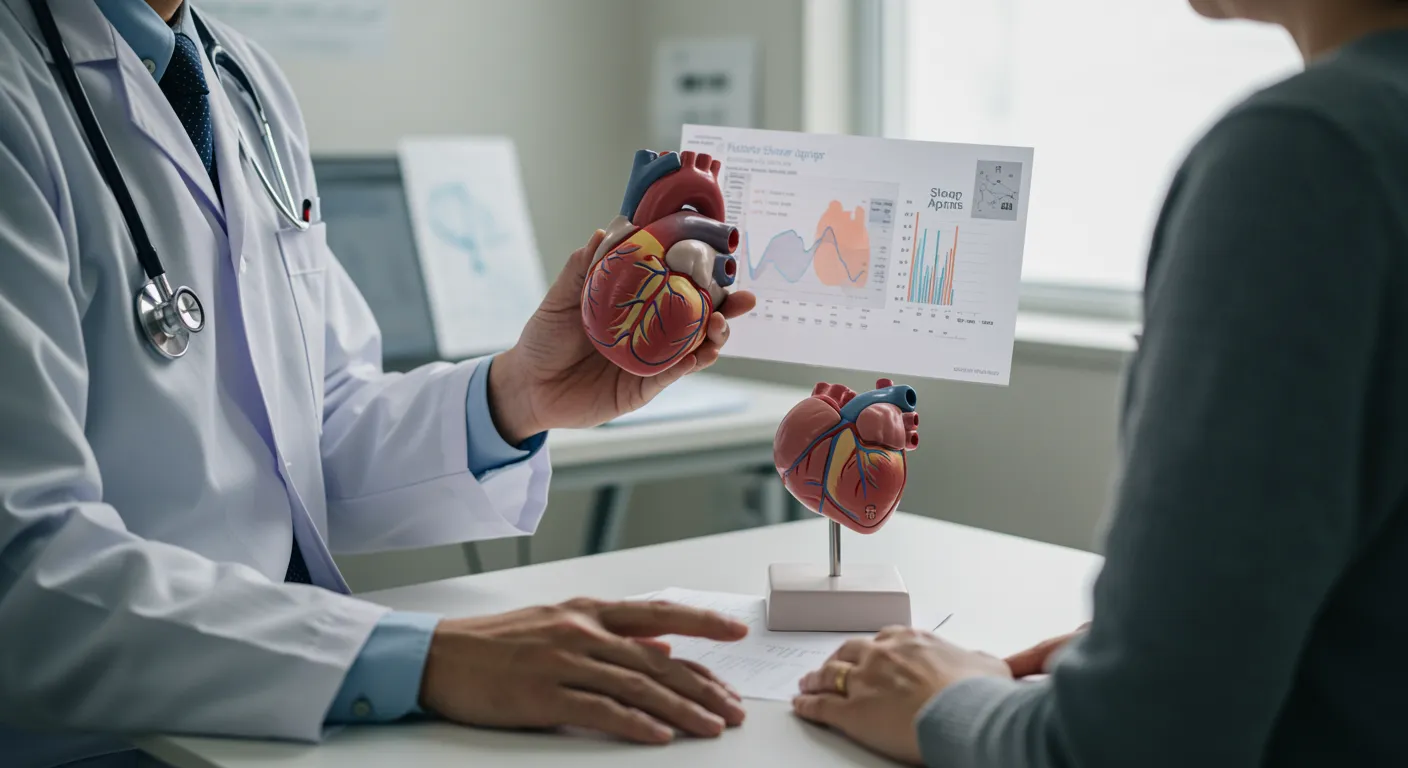
Associations Amoung nonrestorative sleep status, sleep apnea syndrome and major adverse cardiac and cerebrovascular events
Sleep is a fundamental biological process essential for the restoration of physical and mental health.
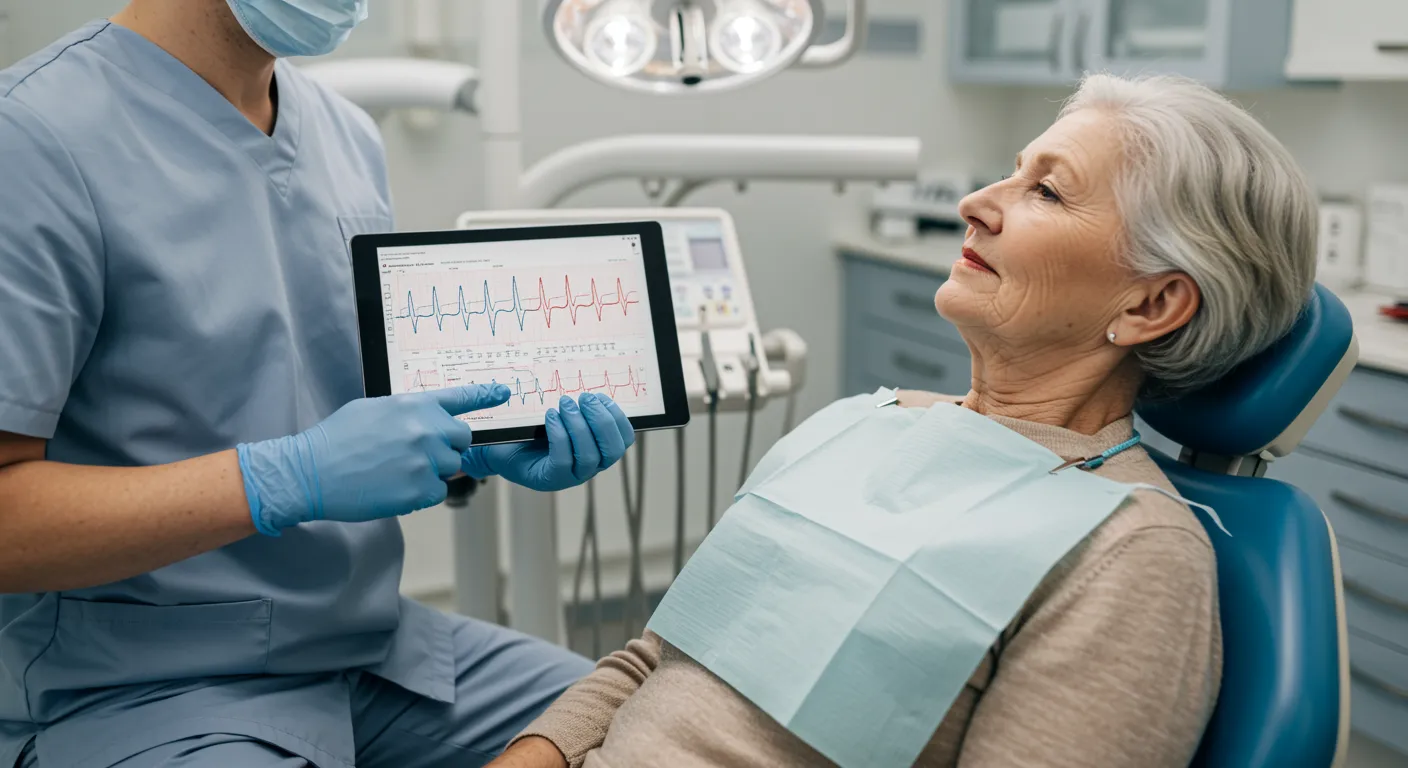
Sleep Apnea, Heart Attack, Stroke & Oral Appliance Therapy
In recent years, the links between sleep apnea syndrome (SAS), nonrestorative sleep status (NRS), and major adverse cardiovascular and cerebrovascular events (MACCE) have drawn growing attention in the medical community.

Dementia and Sleep Apnea
Dementia, a cognitive decline that affects memory and other mental functions, is often linked with sleep disturbances such as sleep apnea. Sleep apnea is characterized by interrupted breathing during sleep, leading to fragmented, nonrestorative sleep. This can result in excessive daytime sleepiness, which may accelerate the progression of dementia by impairing cognitive function and promoting brain inflammation.
Can Mandibular Advancement Devices (MADs) Cause or Worsen TMJ Problems in Sleep Apnea Patients?
Obstructive Sleep Apnea Syndrome (OSAS) is a common sleep-related breathing disorder often managed with Continuous Positive Airway Pressure (CPAP) or Mandibular Advancement Devices (MADs).
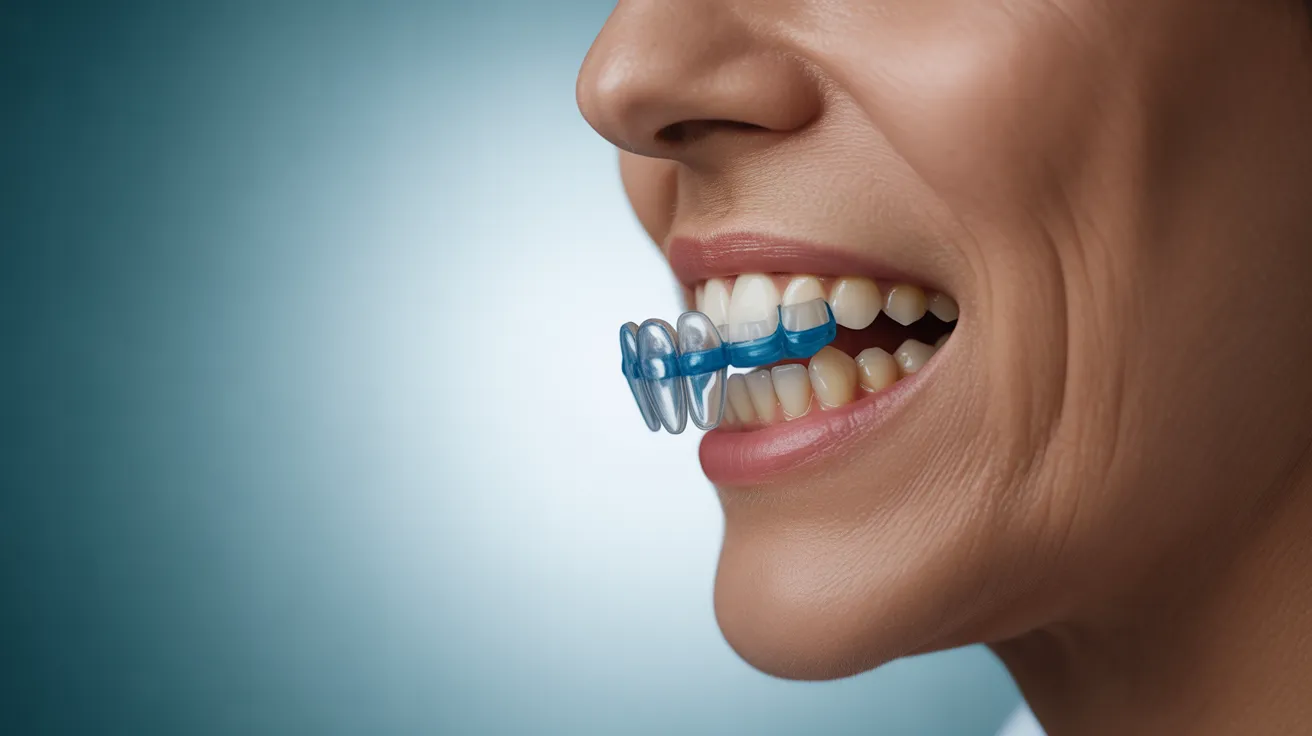
TMD in OSAS Patients
The pathophysiology of OSAS involves a combination of anatomical factors such as a narrowed pharyngeal airway, increased collapsibility of soft tissues and reduced neuromuscular tone.
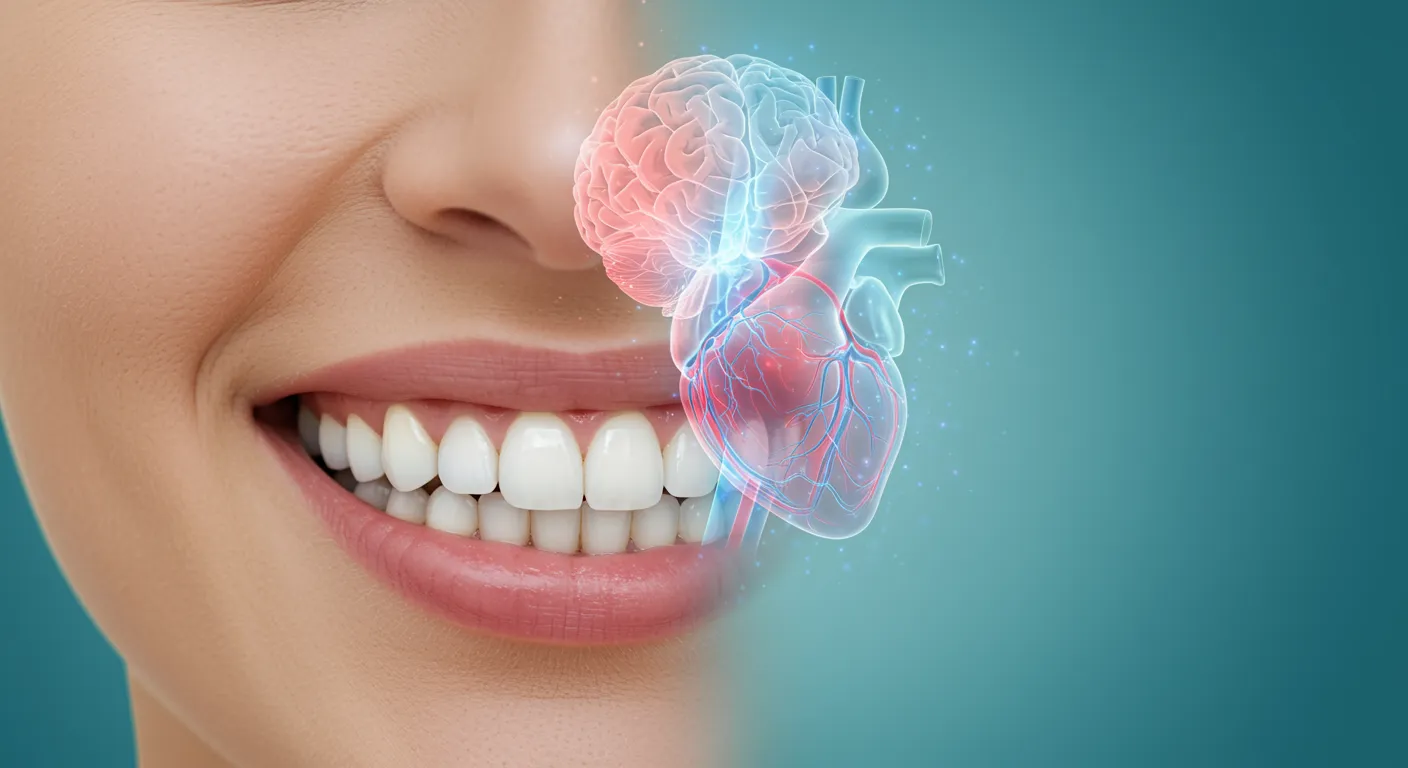
How Oral Health Could Be a Hidden Key to Protecting Your Brain & Heart
People with poor oral health (gum disease + cavities) also had a 36% higher risk of major cardiovascular events (like heart attack, fatal heart disease) vs. those with good oral health.
The Overlooked Connection Between Oral Health and Cancer
When we think of oral health, the mind often jumps to cavities, gum disease, or bad breath. But emerging evidence suggests that the health of our mouth is deeply linked to our overall systemic well-being — including the risk of developing cancer.
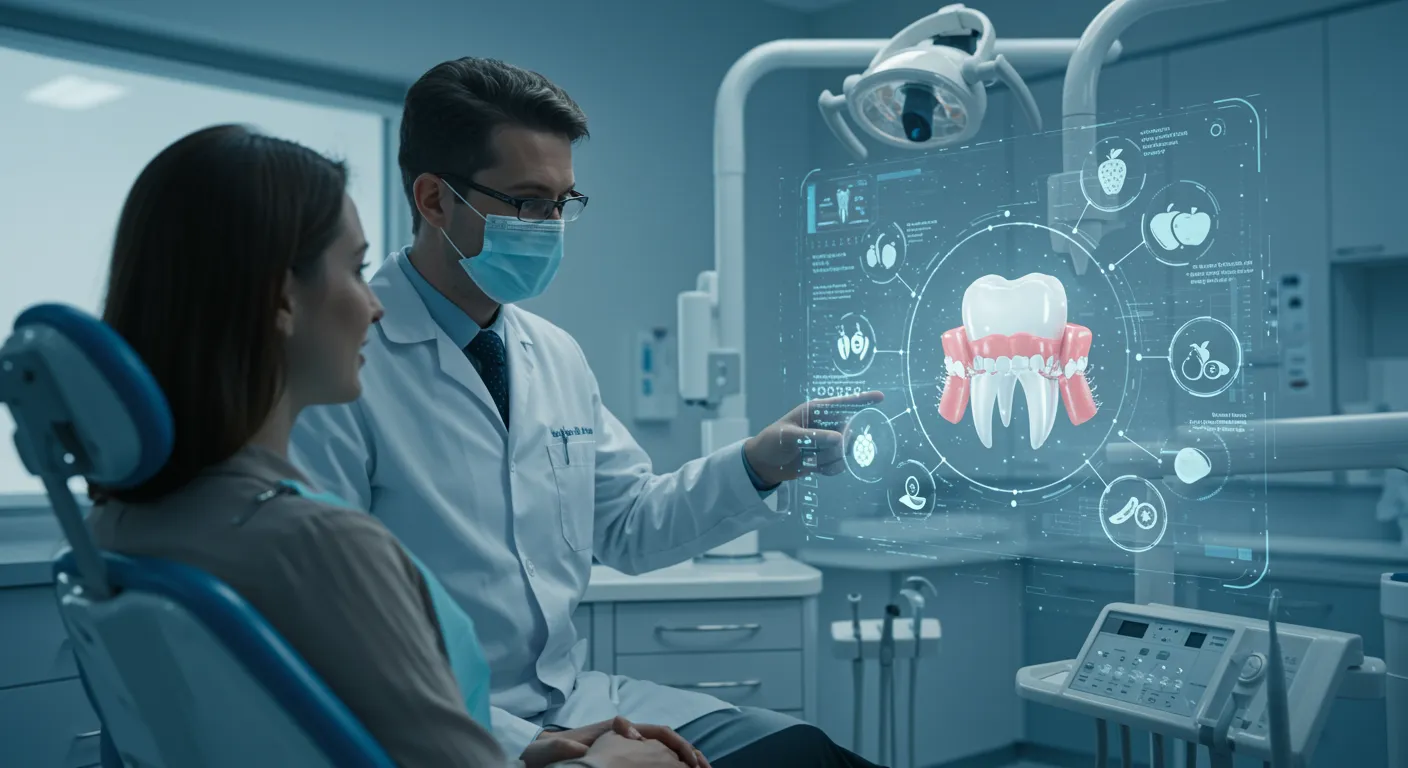
The Connection Between Nutrition and Oral Health
As dental professionals, we understand that oral health is not just about cleanings and checkups — it’s a reflection of a patient’s overall well-being. While daily brushing, flossing, and regular exams remain the foundation of preventive care, there’s another essential piece of the puzzle that often goes underappreciated: nutrition.
Advancements in Home Sleep Apnea Testing: Balancing Comfort with Clinical Precision
Polysomnography (PSG) performed in a sleep laboratory remains the benchmark for diagnosing sleep-related breathing disorders (SRBD).

Why Follow-Ups and Professional Guidance Are Essential for Mandibular Advancement Device Therapy
Mandibular Advancement Devices (MADs) have become a cornerstone in treating mild to moderate Obstructive Sleep Apnea (OSA), especially for patients who cannot tolerate Continuous Positive Airway Pressure (CPAP) therapy.
5 Strategies for Discussing Preventive Care with Your Patients
Preventive care is the foundation of modern dentistry — yet, for many patients, its true value often goes unrecognized. While clinicians understand the far-reaching benefits of preventive dentistry, patients may see it as just another expense or inconvenience.
7 Questions to Ask Older Patients About Health Issues That Can Impact Oral Health
The United States is experiencing an unprecedented demographic shift: nearly one in five Americans is now aged 65 or older — the highest proportion of seniors in the nation’s history. As this population grows, dental professionals are seeing an increase in age-related oral health challenges that require both sensitivity and deeper medical awareness.
The hidden link between oral health and stroke what new research reveals
For years, medical and dental professionals have suspected a connection between oral health and cardiovascular disease. Now, new evidence confirms that poor oral health — particularly when gum disease and cavities occur together — may significantly increase the risk of ischemic stroke, one of the leading causes of death and disability worldwide.
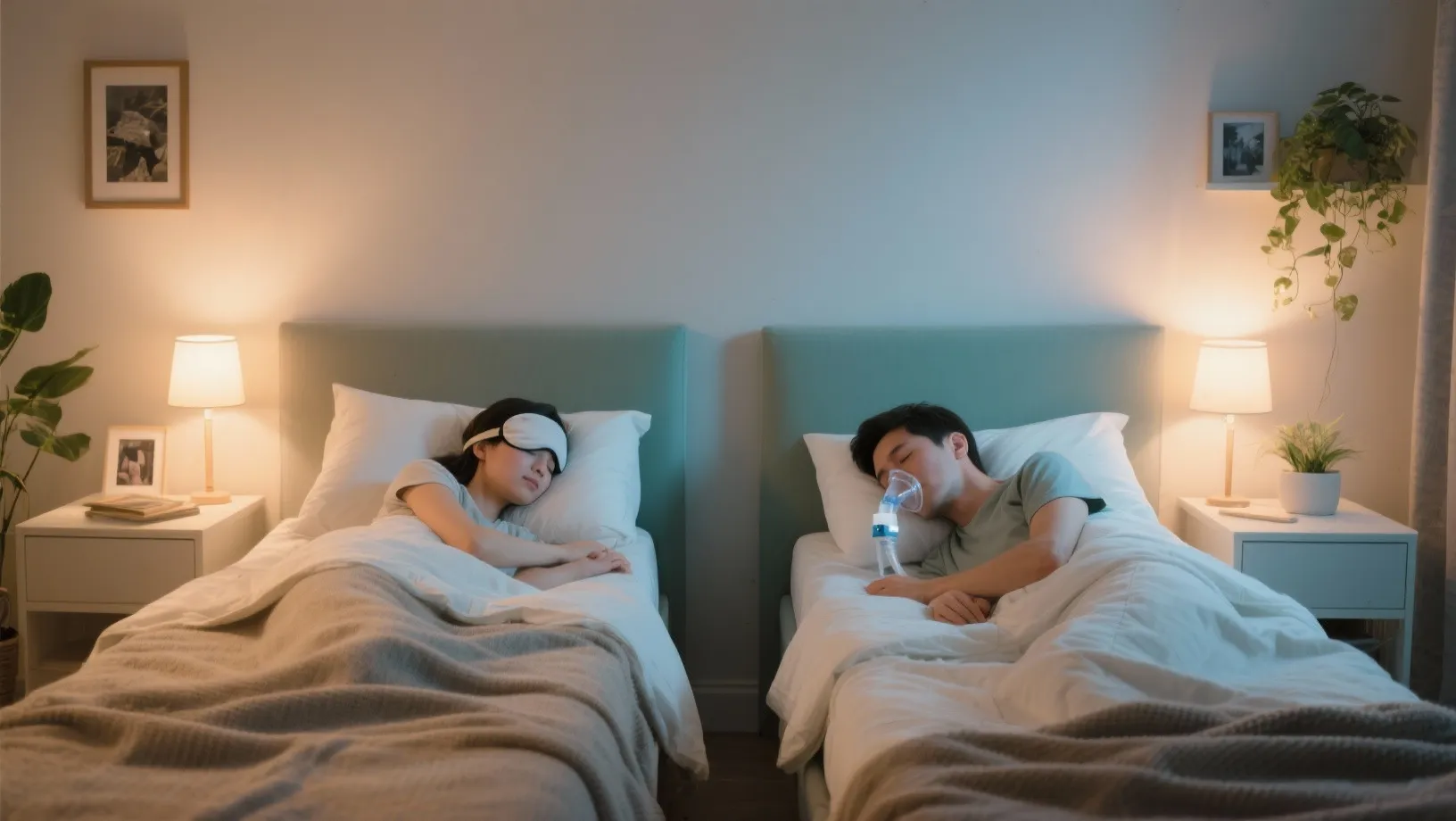
Sleep Divorce - When Couples Choose Rest Over Romance
Across America, couples are rethinking what it means to share a bed.According to a recent study by the American Academy of Sleep Medicine, nearly one in three adults are choosing to sleep in separate rooms—a practice now dubbed the “sleep divorce.”
What is obstructive sleep apnea, and how do you know if you have it?
Obstructive sleep apnea is a chronic condition in which upper-airway muscles relax during sleep, causing repeated breathing pauses. Loud snoring, gasping, and daytime fatigue are the hallmark warning signs.
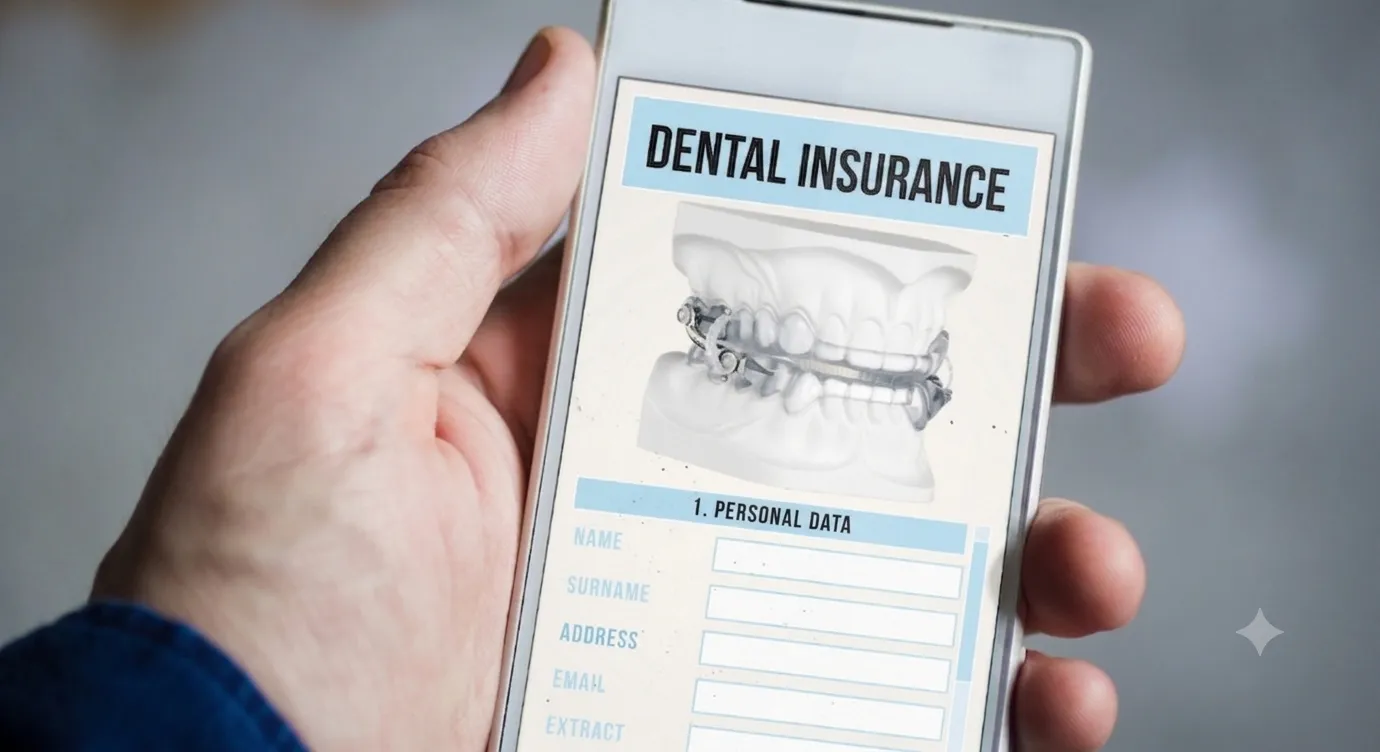
What does an oral appliance for sleep apnea cost, and does insurance cover it?
Custom oral appliances typically cost $1,800 to $3,500 cash, with most insured patients owing far less. They are billed under medical insurance using HCPCS code E0486.
How long does it take to get used to a sleep apnea mouthguard?
Most patients fully adjust to a sleep apnea mouthguard within two to six weeks of nightly use. Initial jaw stiffness, extra saliva, and tooth tenderness are common and transient.
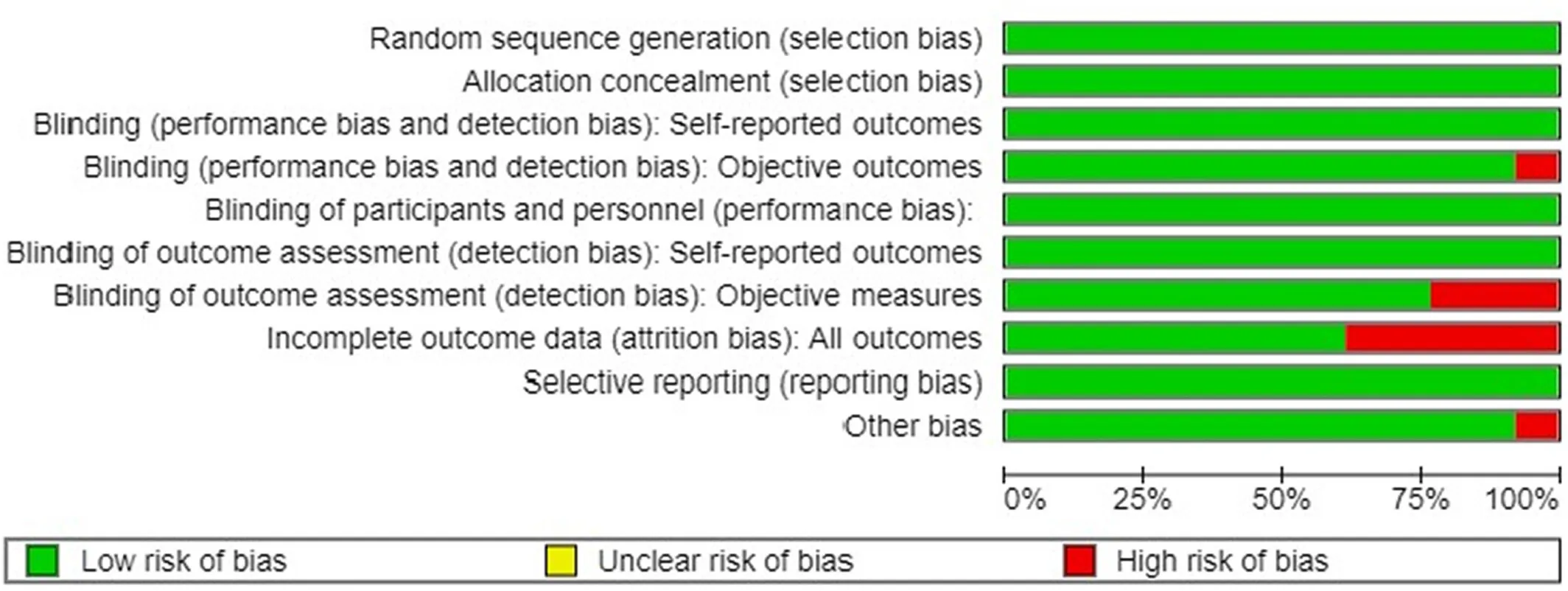
Can a dentist treat sleep apnea without a sleep study?
No. A dentist cannot diagnose or treat obstructive sleep apnea with oral appliance therapy in the absence of a valid sleep study and a physician diagnosis.
How do you co-manage sleep apnea patients with a sleep physician?
Co-managing OSA with a sleep physician means each clinician owns a defined slice of the care pathway and documents handoffs in writing.
What is the workflow for fitting a SomnoMed appliance, from impression to delivery?
Fitting a SomnoMed appliance follows a predictable workflow: consultation, records, bite registration, lab prescription, delivery, titration, and efficacy testing.
How do iTero intraoral scans improve oral appliance accuracy?
iTero intraoral scans capture the dentition in a digital STL or PLY file with 20 to 50 micron resolution, far tighter than conventional PVS impressions.
What follow-up schedule should you use for oral appliance therapy patients?
Follow the AADSM cadence: a one-week delivery check, one-month titration, three-month efficacy sleep test, six-month stabilization, and annual recalls thereafter.
How do you bill medical insurance for a sleep apnea oral appliance?
Billing medical insurance for a sleep apnea oral appliance starts with HCPCS E0486 supported by an LMN, the qualifying sleep study, a prescription, and a face-to-face encounter.
Which ICD-10 and CPT codes apply to sleep apnea oral appliance therapy?
OAT uses G47.33 for OSA, R06.83 for snoring, HCPCS E0486 for the custom titratable device, and CPT 95800 to 95811 for diagnostic sleep studies.
What does Medicare require to cover an oral appliance for OSA?
Medicare covers E0486 when the patient has a qualifying sleep study (AHI ≥15, or 5-14 with comorbidities), a face-to-face encounter, a custom titratable device, and an enrolled DME supplier.
How do dental practices stay HIPAA-compliant when handling sleep study data?
Treat every PSG and HSAT report as PHI: sign BAAs with sleep physicians and labs, encrypt data at rest and in transit, restrict access by role, and maintain audit logs.
How do you handle prior authorization for SomnoMed appliances without losing weeks?
Build a pre-submission checklist (LMN, sleep study, face-to-face, CPAP intolerance note), learn each payer's quirks, and schedule peer-to-peer reviews promptly when denials hit.
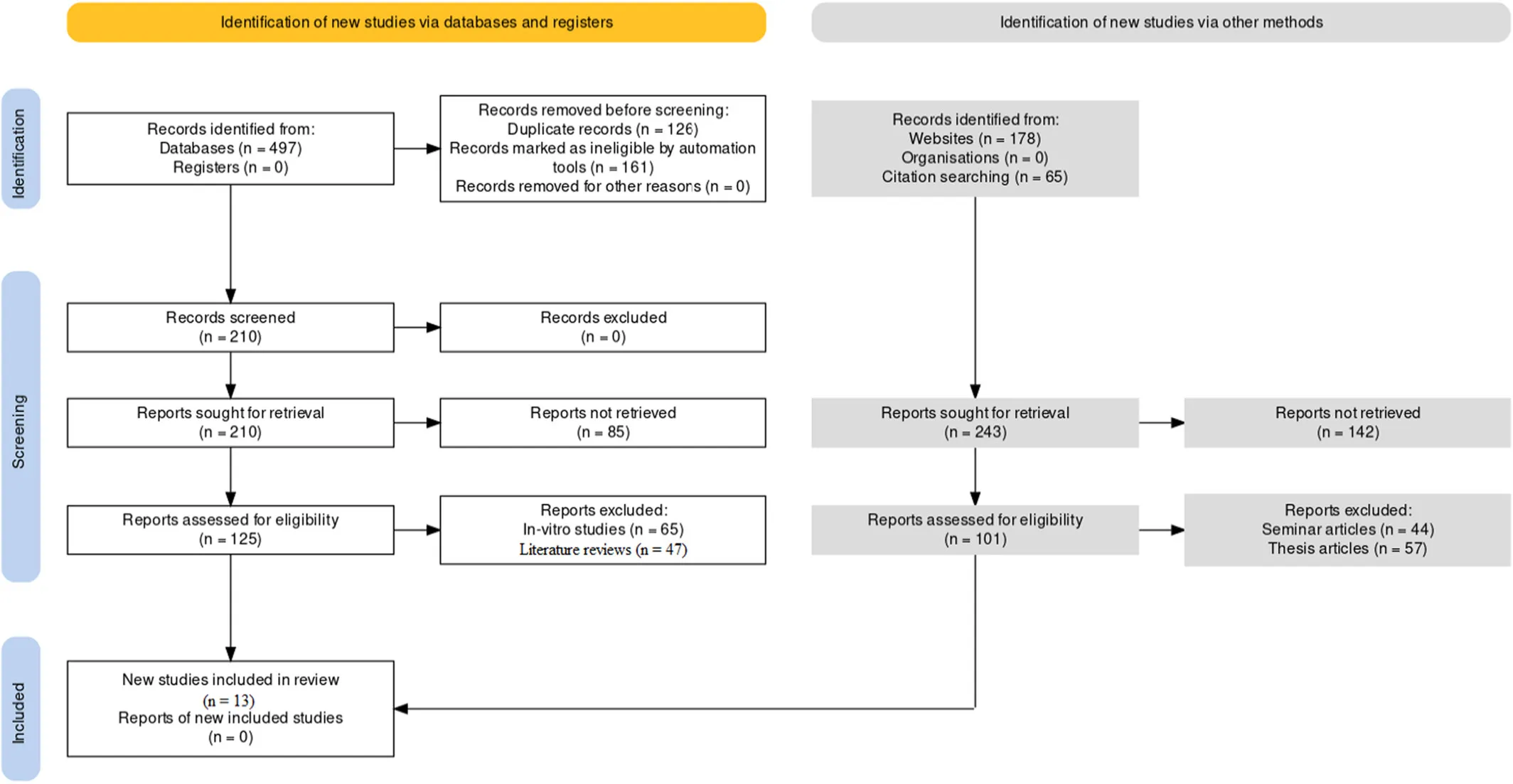
How do you track sleep apnea cases from referral to delivery?
Define clear pipeline stages from referral to delivery, assign ownership at each stage, and set target cycle times so bottlenecks become visible in days, not months.
What should a dental sleep medicine intake form include?
A complete intake captures medical history, medications, validated sleep questionnaires (ESS, STOP-BANG, Berlin), prior sleep studies, CPAP history, dental history, and required consents.
How do you reduce no-shows for sleep apnea follow-up appointments?
Layer reminders (text at 7 days, 2 days, day-of), give patients portal access to titration logs, explain the why, offer telemedicine, and keep a credit card on file.
What KPIs should a sleep dentistry practice track?
Track the screen-to-study-to-appliance funnel, AHI reduction post-OAT, Epworth improvement, prior-auth approval rate, remake rate, time-to-delivery, payer mix, and adherence.
How is AI changing sleep apnea diagnosis and oral appliance therapy?
FDA-cleared algorithms auto-score HSATs, computer vision reads intraoral scans, and predictive models forecast titration endpoints — accelerating diagnosis and treatment design.
What is HL7 FHIR, and why does it matter for dental sleep medicine?
HL7 FHIR is the modern healthcare data standard that lets clinical systems exchange information through web-friendly APIs instead of faxes and PDFs.
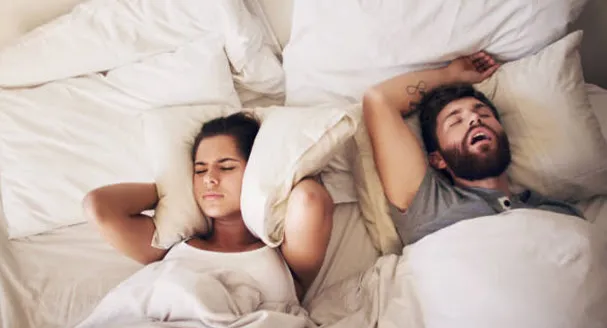
How will 3D intraoral scanning replace traditional impressions for sleep appliances?
3D intraoral scanning is on track to replace PVS impressions this decade: patients prefer scans, labs prefer STL files, and remake economics increasingly favor digital.
What does a fully digital sleep dentistry workflow look like in 2026?
A fully digital sleep dentistry workflow in 2026 spans HL7 FHIR referrals, online intake, intraoral scanning, AI-assisted lab handoff, titration apps, integrated HSAT, and automated billing.
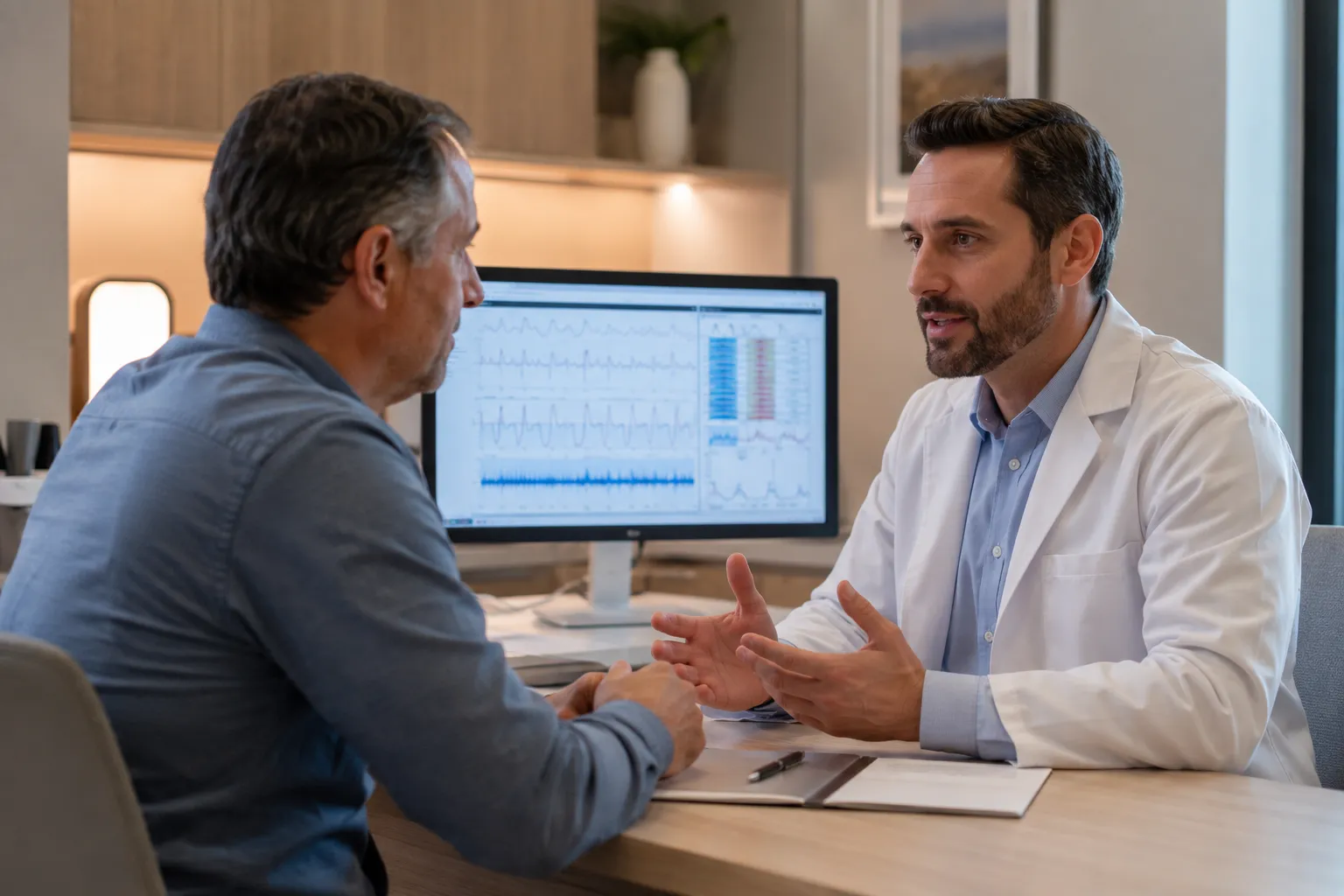
Obstructive Sleep Apnea Warning Signs, and How to Know If You Have It
Many people think snoring is harmless. But loud snoring, daytime fatigue, and poor sleep quality can be signs of Obstructive Sleep Apnea (OSA). Here's how to recognize the warning signs and know when to see a sleep specialist.

CPAP vs. oral appliance: which sleep apnea treatment is right for you?
CPAP and custom oral appliances are the two first-line OSA therapies. CPAP lowers AHI more powerfully, while oral appliances win on real-world adherence and comfort.
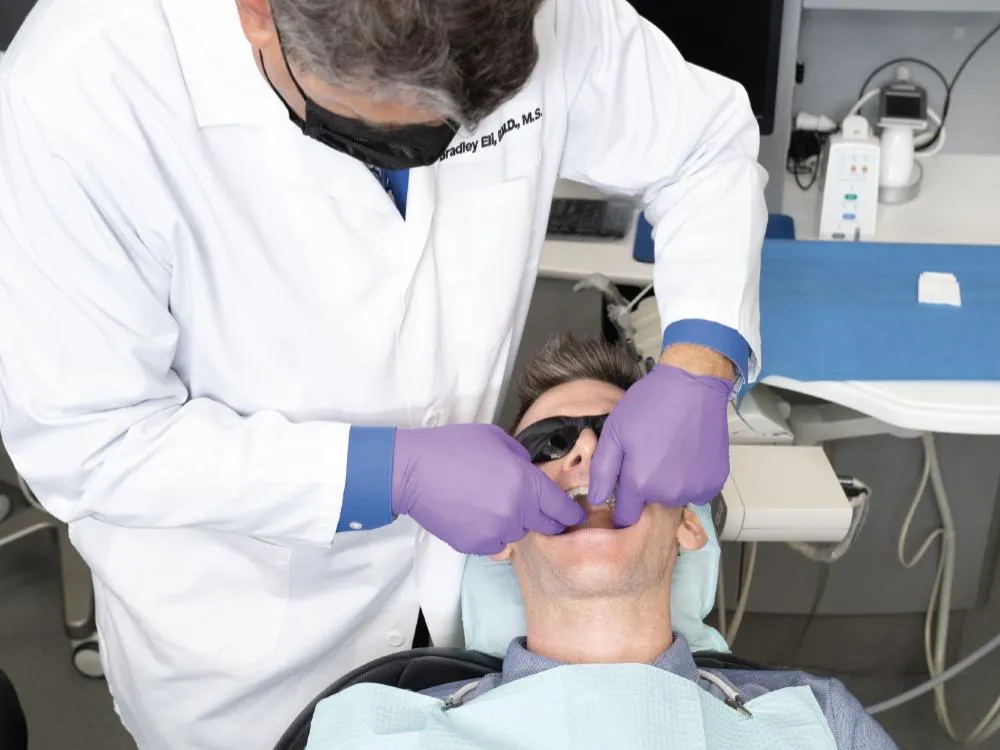
How does a SomnoMed oral appliance work for sleep apnea?
A SomnoMed oral appliance is a custom-fitted mandibular advancement device that holds the lower jaw forward during sleep, enlarging the airway and preventing apneic collapse.
How do you screen dental patients for obstructive sleep apnea?
Screening dental patients for obstructive sleep apnea combines a validated questionnaire, a focused airway examination, and a clear referral trigger.
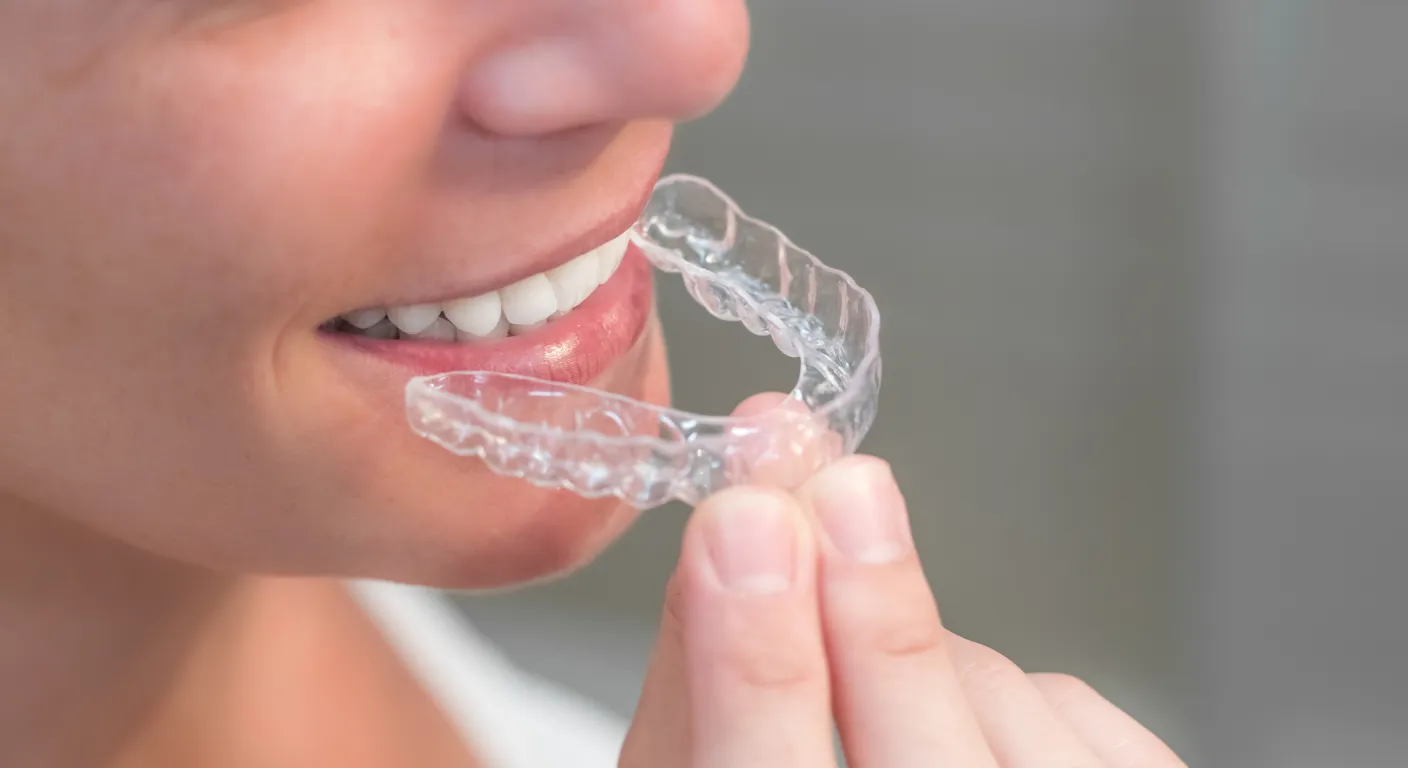
What are the AASM/AADSM guidelines for oral appliance therapy in 2026?
A patient-friendly guide to the current AASM and AADSM recommendations for oral appliance therapy in 2026, covering diagnosis, custom titratable appliances, physician-dentist collaboration, follow-up testing, and what's new with the GRADE methodology.
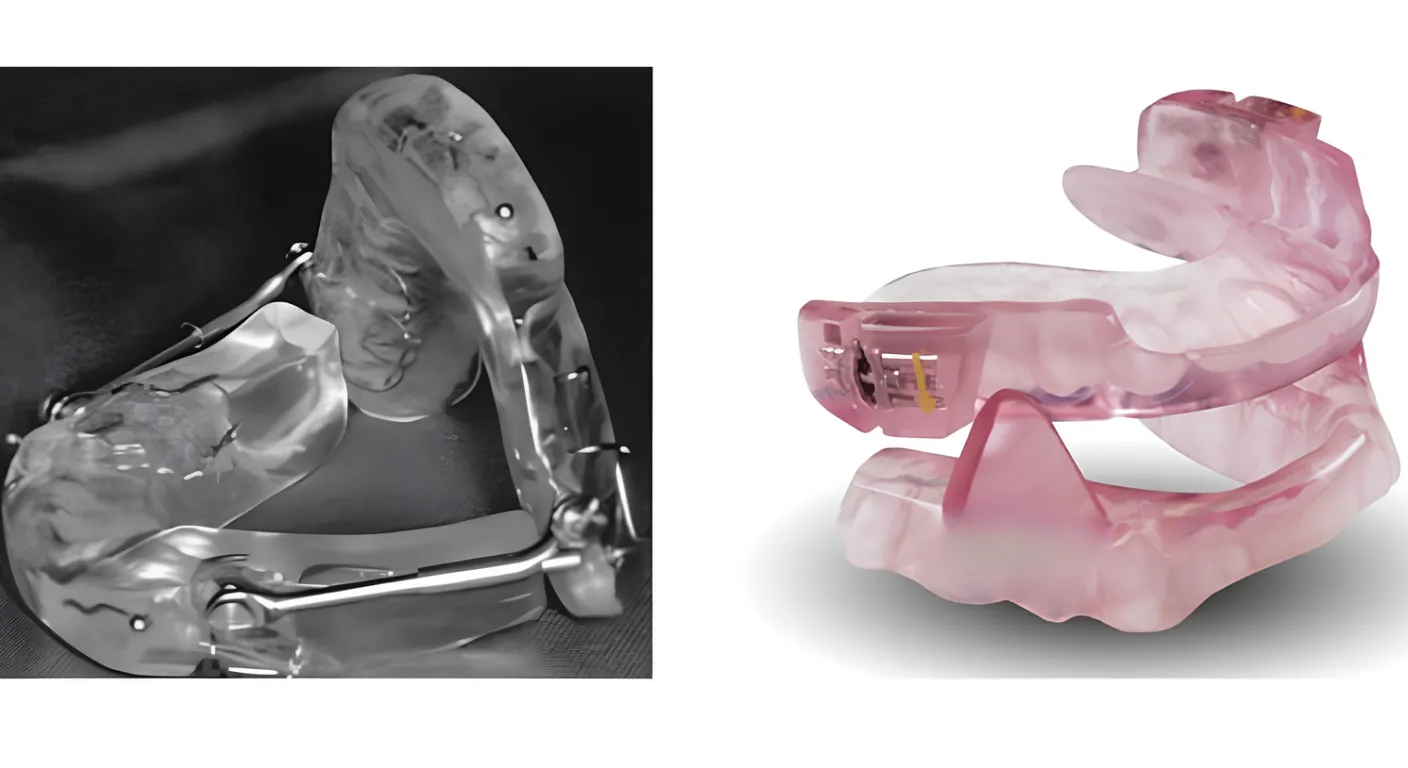
Prospective Study of Patients with OSA Treated with Mandibular Advancement Devices
A prospective study following OSA patients on mandibular advancement devices shows meaningful drops in the apnea-hypopnea index, less daytime sleepiness, better oxygen levels, and high treatment adherence.
Oral Appliance Therapy — Cracking the Code
A plain-language guide to how oral appliance therapy works, who it helps, why titration and follow-up matter, and what it takes to get consistently good results for snoring and obstructive sleep apnea.
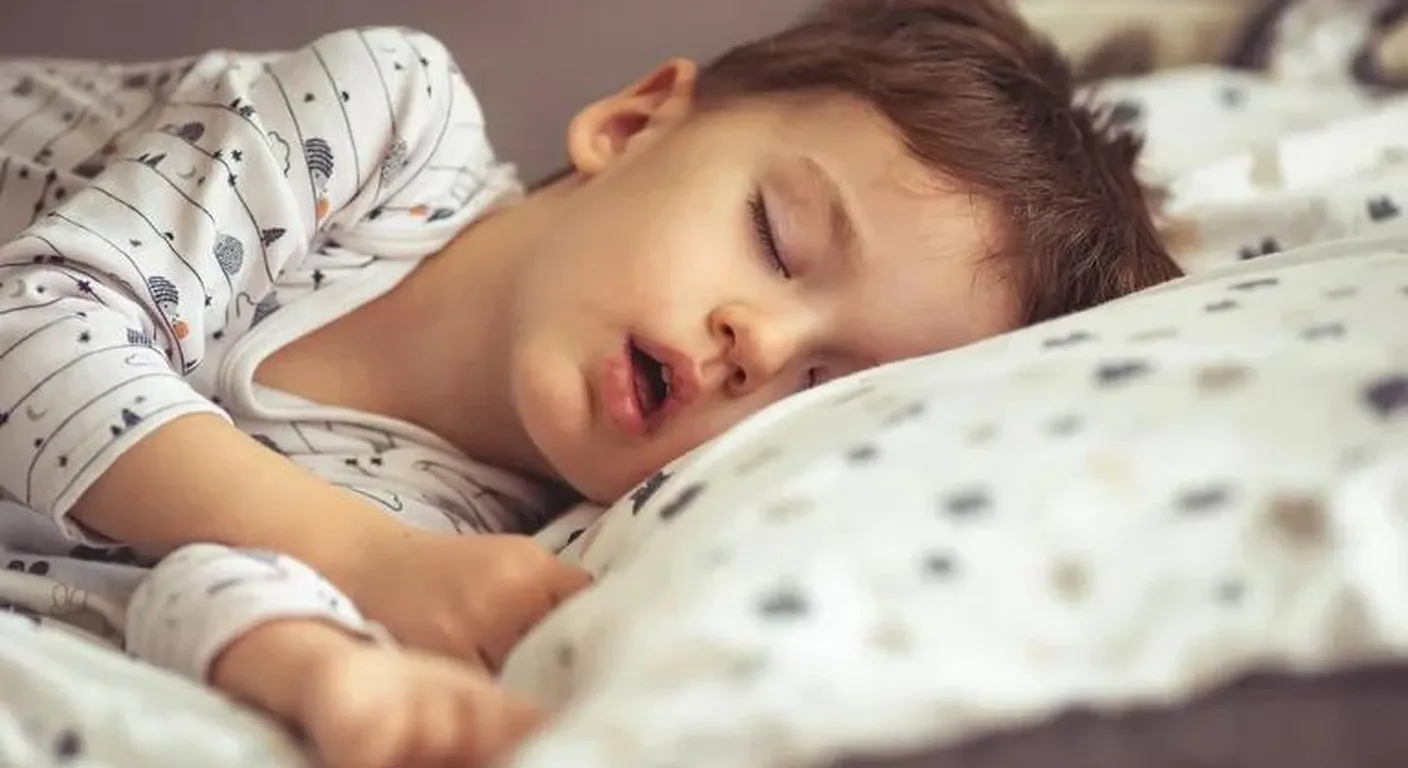
Correspondence Regarding Pediatric OSA, Snoring and Oropharyngeal Dysbiosis
A commentary on reports linking pediatric OSA and primary snoring to oropharyngeal dysbiosis and mild gut imbalance — what the associations can and cannot show, why mouth breathing is a major confounder, and what it means for dental sleep medicine.
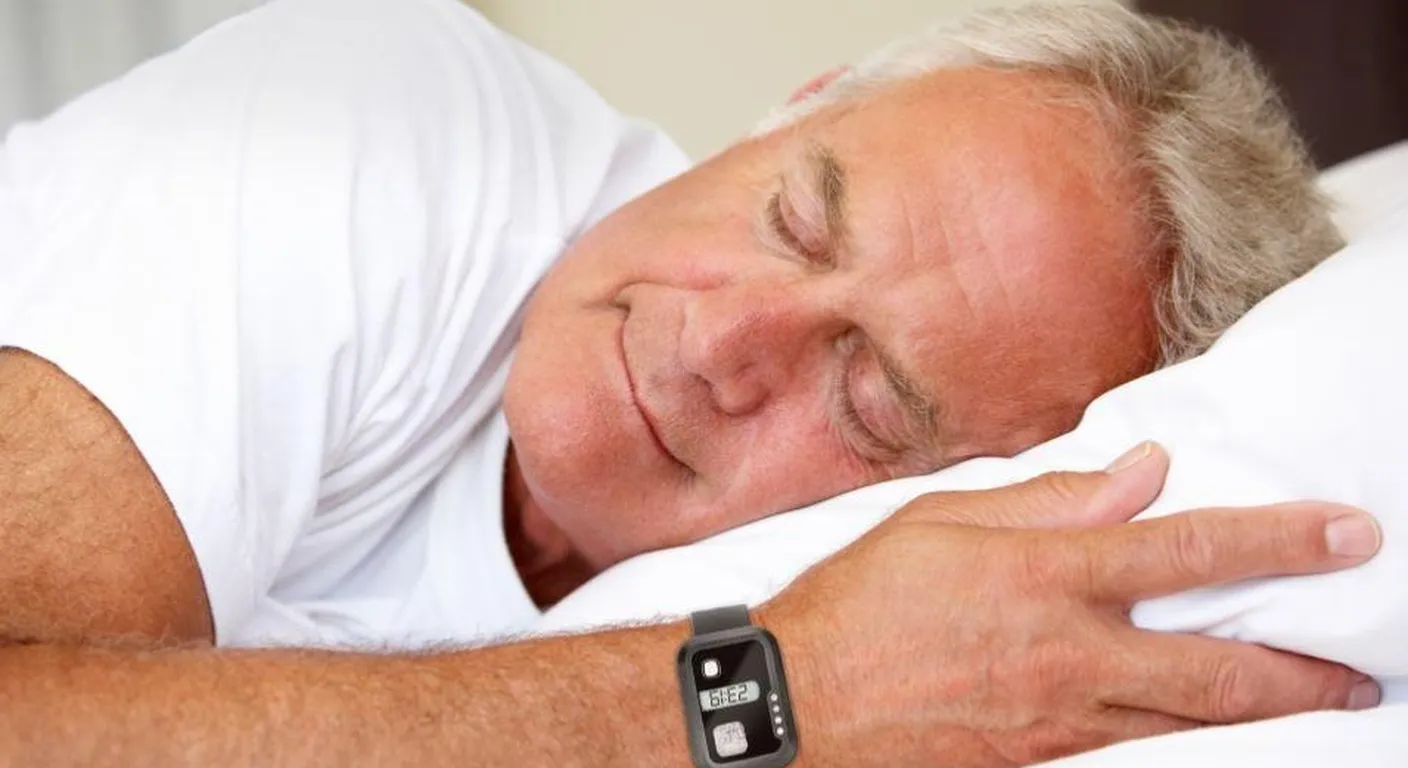
Actigraphy Shows Many Adults Underestimate Their Sleep Duration
Wrist actigraphy often records more sleep than adults report, especially in poor sleepers. Here's why the gap appears, why fragmented breathing widens it, and how the discrepancy itself becomes useful clinical information.
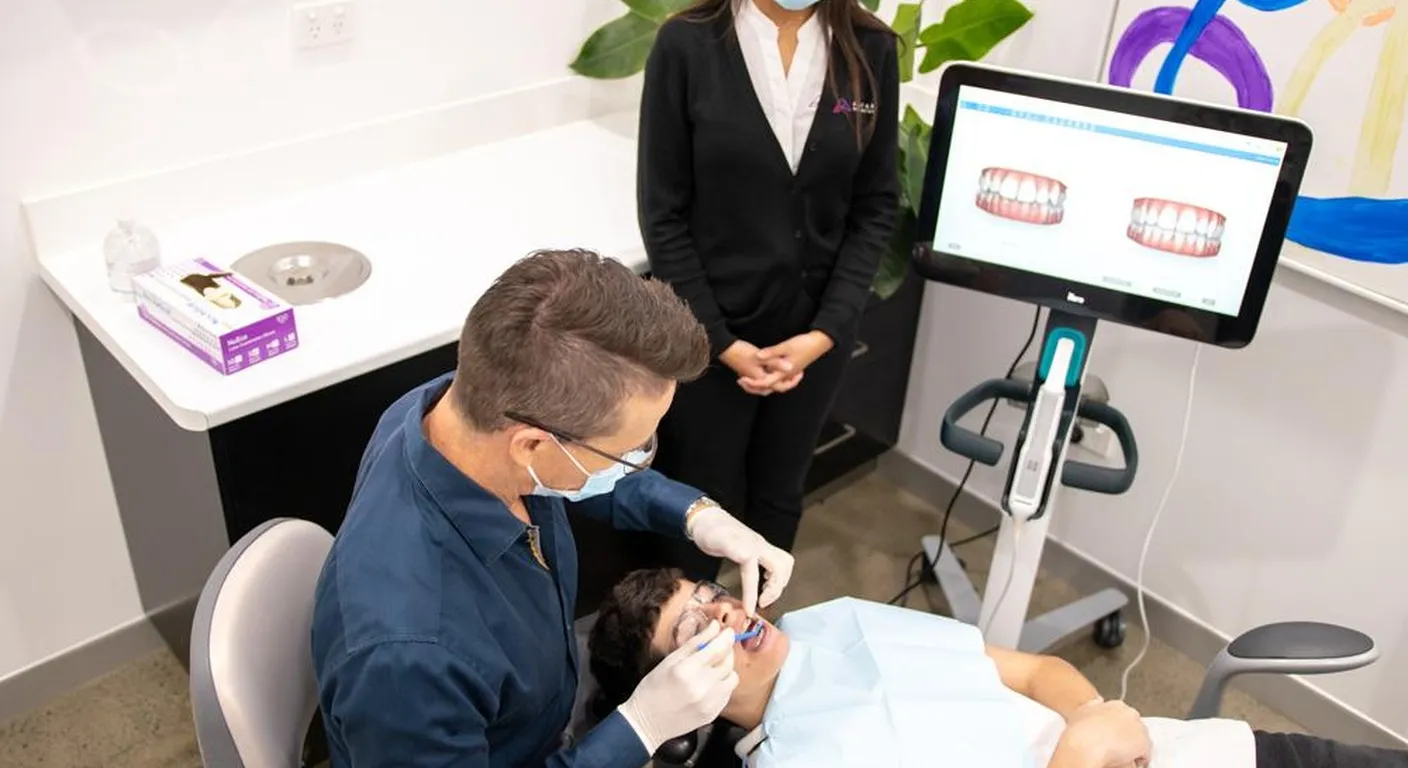
Why Airway Orthodontics Is Going Mainstream And What That Means for Your Practice
Airway orthodontics is moving from the fringe to mainstream dentistry. Here's what it actually is, why it's gaining momentum, where it fits in a general practice, and how to adopt it responsibly without overreaching on the evidence.
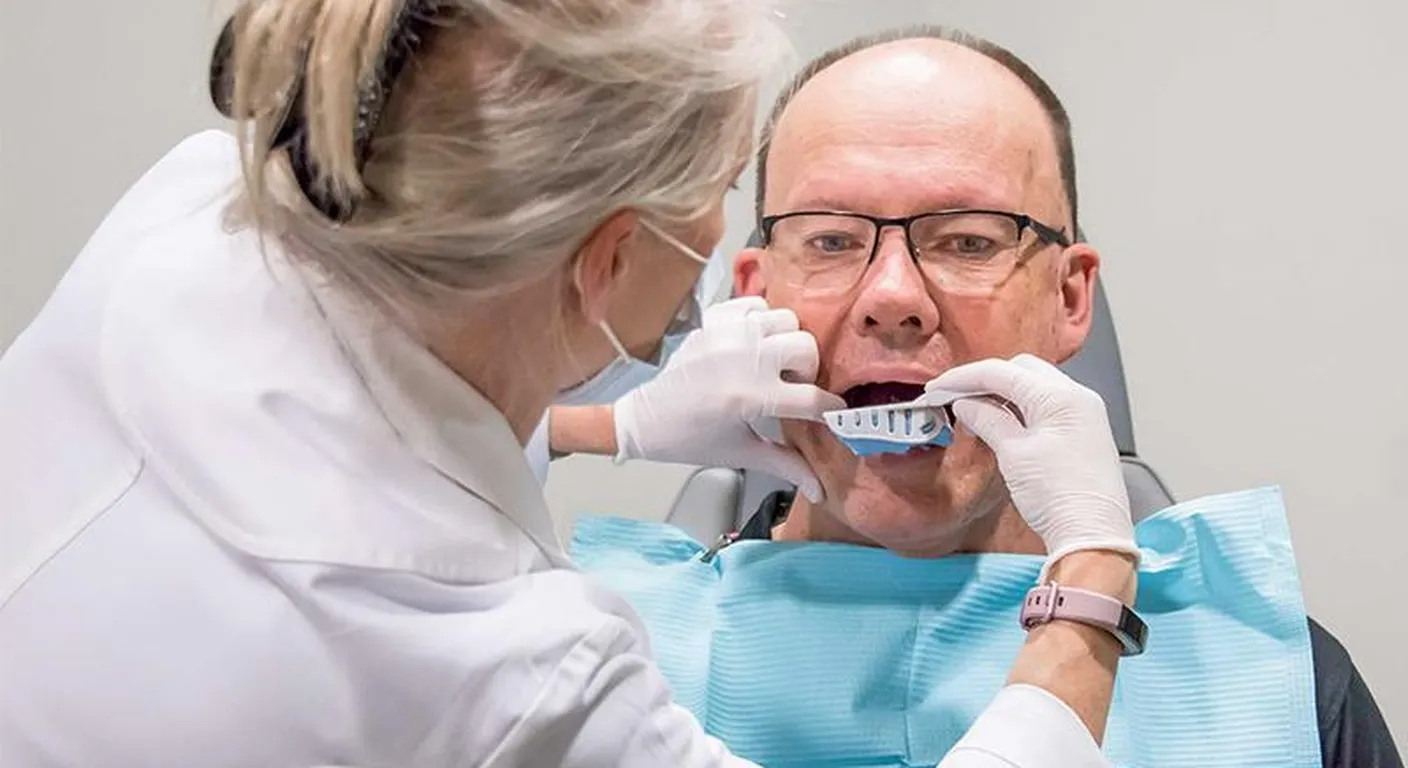
Prevention of Temporomandibular Disorders in OSA Patients Referred for Oral Appliance Therapy
How to keep jaw joint problems from derailing oral appliance therapy — baseline TMD screening before the appliance is made, appliance design and titration discipline, early review in the first ninety days, and what the referral loop needs to communicate.
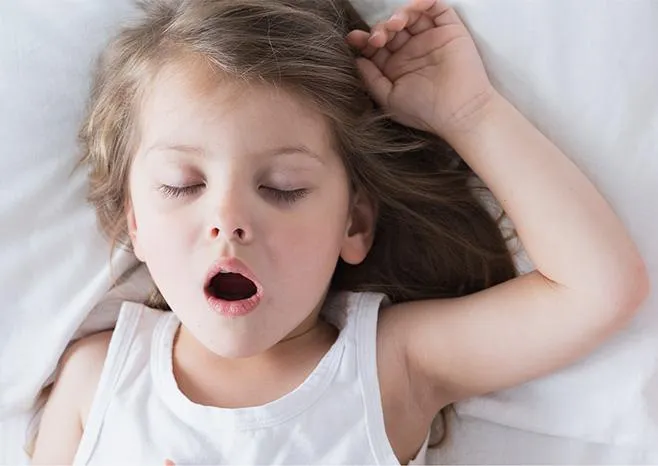
When a Kid's Bad Behavior Is Actually a Hidden Sleep Disorder
Hyperactivity and trouble focusing in children can be the daytime face of sleep-disordered breathing. How dental teams can screen for it during a routine pediatric visit, raise it with parents without overstepping into diagnosis, and build the referral pathway that follows.
Do Oral Appliances Stay Under the Medicare DME Benefit in 2026?
CMS did not move oral appliance coverage off the DME benefit for 2026, after signalling in the CY2025 proposed rule that it was considering exactly that. What would have changed, why it did not, and what to watch next cycle.
Why E0486 Claims Get Denied — and the Checklist That Fixes It
Most E0486 denials are documentation failures, not coverage failures. A four-element checklist covering the letter of medical necessity, diagnostic AHI, documented CPAP intolerance, and custom-titratable device language.
Run Verification of Benefits Before You Take the Impression
The impression is the point of financial no return. The case-acceptance and AR math, what a complete VOB actually captures, and the honest version of what patients owe.
Medical Billing Is Not Dental Billing
Why cross-training one front-desk person usually fails, the structural differences that break it, and the division of labour that actually works in a dental sleep practice.
Medical Credentialing for a Dental Sleep Practice
Realistic timelines, CAQH discipline, and the in-network versus cash-pay decision — including why the out-of-network model nets more per case for many practices.
GLP-1s After Zepbound: Referral Source, Not Competitor
The FDA approved tirzepatide for moderate-to-severe OSA in adults with obesity. Why residual disease, long treatment intervals, and discontinuation make this one of the strongest new referral sources in dental sleep medicine.
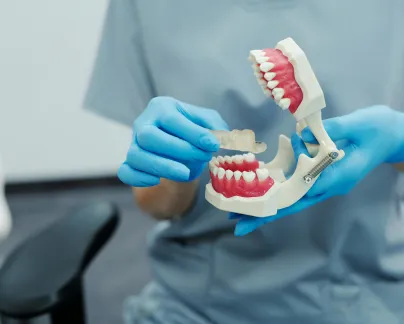
The First Joint AASM/AADSM Oral Appliance Guideline
Patient preference is now an explicit indication, not just CPAP intolerance. What to change in your consent form, titration protocol, and follow-up schedule.
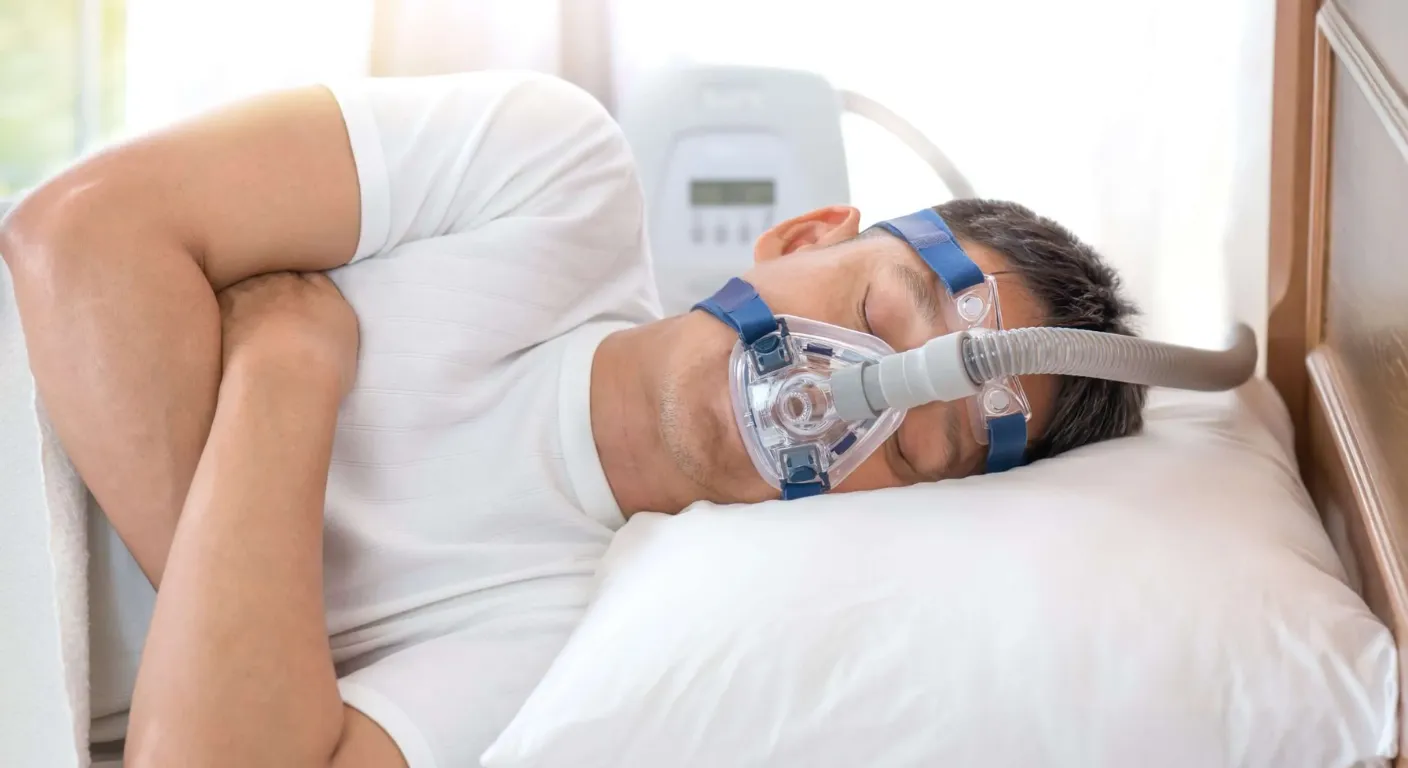
When Payers Require an Appliance Trial Before Hypoglossal Nerve Stimulation
What counts as a documented appliance failure, how to run a time-bounded trial that satisfies authorisation review, and how to position the practice inside a surgical pathway.
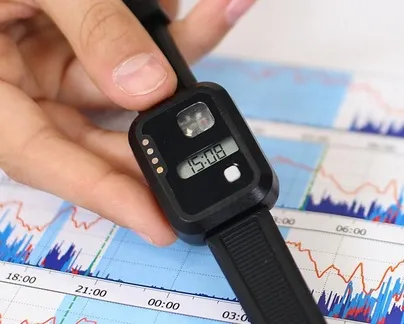
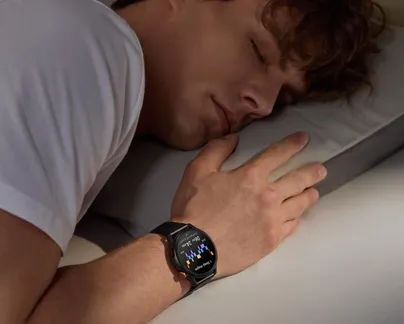
The Patient Who Walks In With a Smartwatch Screenshot
Consumer sleep apnea alerts are mainstream now. What these features actually detect, what a negative notification does not rule out, and the intake script that converts it into a validated screen and referral.
COMISA: When Appliance "Non-Compliance" Is Untreated Insomnia
The clinical signature that distinguishes conditioned insomnia from appliance failure, how to screen for it chairside, and when to co-refer for CBT-I.
Pediatric Airway Screening at the Hygiene Recall: A Protocol
A four-step screening protocol for every pediatric recall — caregiver questions, extraoral observation, intraoral airway examination, and validated instruments — plus referral pathways and what to say.
Five-Year Occlusal Change With Oral Appliance Therapy
Occlusal change is expected, not a complication of poor technique. Monitoring with baseline records, documenting change, mitigation strategies, and having the conversation before the patient notices.
MAD-FIT, Seven Years On
A data-led update to the 2019 augmented intelligence post: what titration data says about first-night efficacy, reduced follow-up burden, and the honest limits of clinical prediction.

Before You Upload a Patient Photo to an AI Tool
A clinical photograph uploaded to a vendor without a BAA is a reportable breach. The PHI questions to ask any AI vendor, and why getting this right is genuine differentiation.

Five Numbers Every Dental Sleep Practice Should Watch Monthly
Screen-to-test conversion, test-to-appliance conversion, days to delivery, titration visits per case, and collected per case — what each measures, what good looks like, and what to do when it moves.
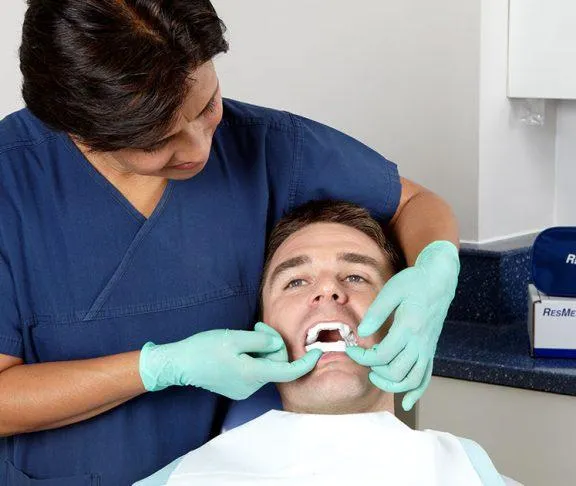
Sleep Apnea Mouth Guards: Do They Work, and Is Custom Worth It?
How a sleep apnea mouth guard works, what the AASM and AADSM guideline says, the real differences between custom and over-the-counter devices, typical costs, side effects, and the steps to getting one.
Types of Oral Appliances for Sleep Apnea and How to Choose
Mandibular advancement devices and tongue-retaining devices compared by design: push, pull, dorsal fin, anterior, and milled. Which designs meet Medicare E0486 requirements, and how to match the device to the patient.
Epworth Sleepiness Scale: How to Score It and What the Number Means
The eight Epworth questions, the 0 to 24 scoring bands, what a score of 11 or more means, what the scale cannot tell you about sleep apnea, and how to use it to document and track oral appliance therapy.
Mallampati Score and Sleep Apnea: What Classes I to IV Mean
What each Mallampati class shows, how to perform the assessment correctly, how strongly the score predicts obstructive sleep apnea, how it differs from Friedman tongue position, and where it fits in dental screening.
Scalloped Tongue: Causes, and When It Points to Sleep Apnea
Why the edges of the tongue become wavy, the common causes from clenching to hypothyroidism, what the research says about the link to obstructive sleep apnea, and what a dentist should do on seeing one.
Is Mouth Taping Safe If You Have Sleep Apnea?
Mouth taping is not a treatment for sleep apnea and can be unsafe with a blocked nose. What the small studies actually show, who should not tape, and the better-supported ways to keep the airway open.
How to Stop Snoring: What Works, and When It's Sleep Apnea
Why people snore, the home changes worth trying first, which anti-snoring products help, the signs that snoring is actually obstructive sleep apnea, and how a custom oral appliance from a dentist fits in.
How to Read Sleep Study Results: AHI, RDI, and ODI Explained
What AHI, RDI, REI, and ODI mean on a sleep study report, the severity thresholds for adults, why the 3 percent and 4 percent hypopnea rules give different scores, and how the numbers decide oral appliance coverage.
CDT Codes for Sleep Apnea: D9947 to D9957 Explained
The CDT codes for sleep apnea appliances, titration, home sleep testing, and screening, the occlusal guard codes they are confused with, and when to use CDT versus HCPCS E0486 on a medical claim.
Letter of Medical Necessity for an Oral Appliance: Template and Checklist
A letter of medical necessity template for HCPCS E0486, who must sign it, the nine elements reviewers look for, what to attach, and the defects that cause most denials.
How to Fill Out the CMS-1500 Form for an Oral Appliance Claim
A box-by-box guide to the CMS-1500 for dental practices billing E0486: ordering physician, diagnosis G47.33, prior authorization number, modifiers, place of service, and the errors that get claims rejected.
Dental Sleep Medicine Software: What to Look For Before You Buy
Why general dental software falls short for sleep cases, the twelve capabilities a dental sleep medicine platform should have, what AI features should actually do, and the questions to ask any vendor.
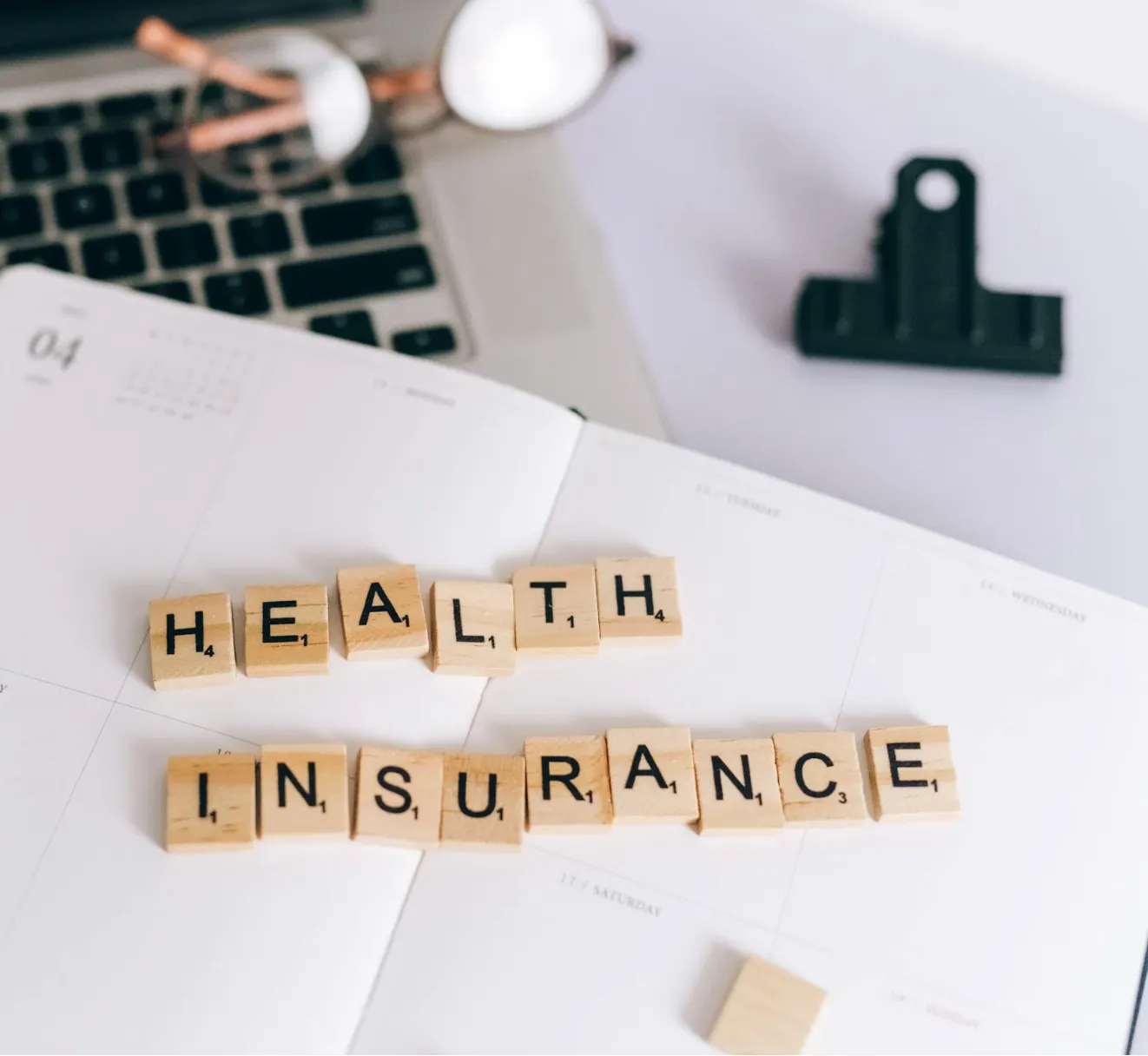
Dental Insurance Verification Software: What Changes When You Bill Medical
Oral appliances are billed to medical insurance, so verifying the dental plan is not enough. What to verify before a sleep case, what real-time eligibility cannot tell you, and the software features that matter.
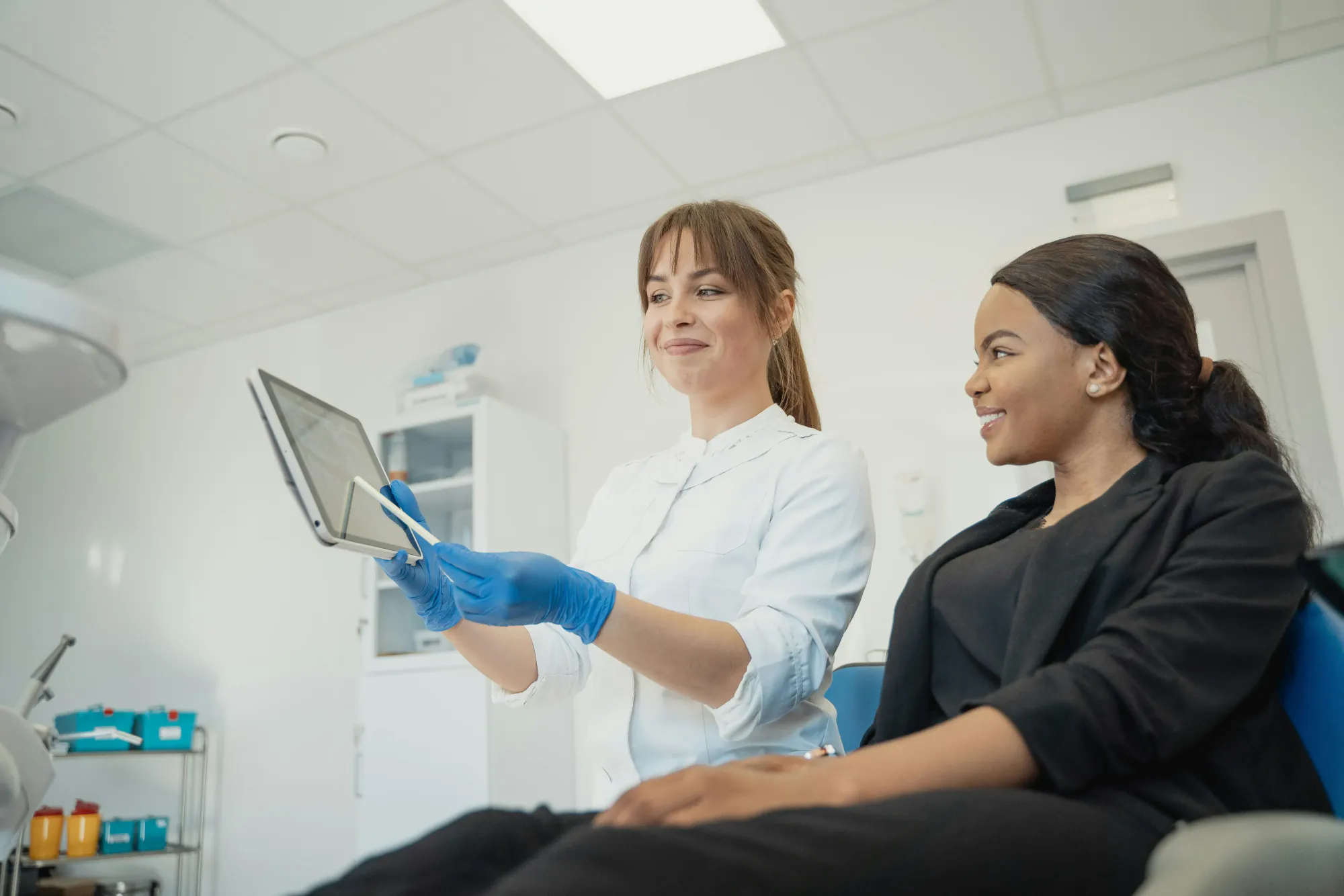
Digital Patient Intake Forms for a Dental Sleep Practice
Why paper intake fails for sleep cases, what a digital sleep intake should capture, the features that get patients to finish forms before the visit, and how intake data feeds verification, referral, and claims.
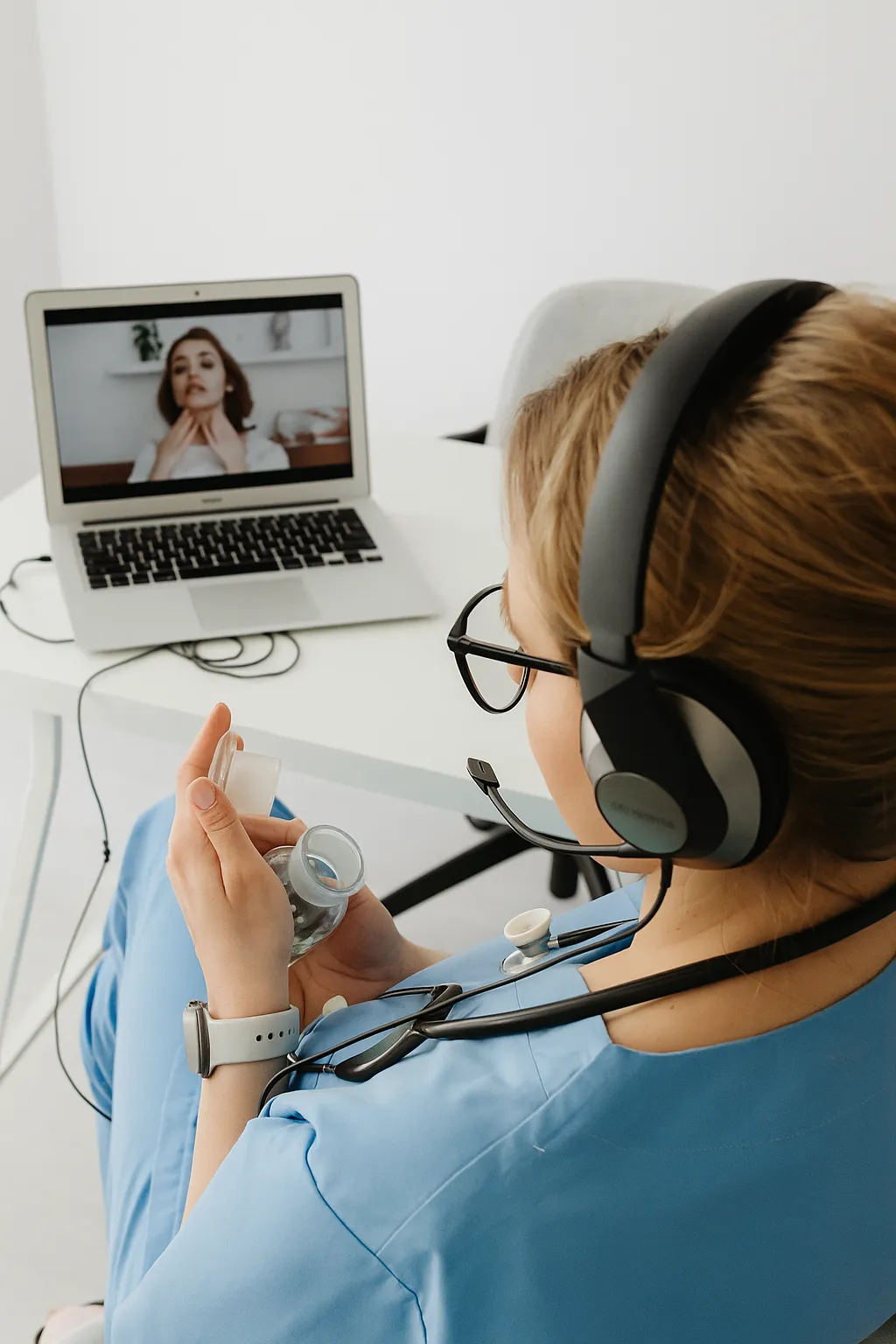
Teledentistry for Sleep Apnea: Which Visits Can Go Virtual?
Consultations, results reviews, consent, check-ins, and physician co-management work by video. Examination, scanning, and delivery do not. A visit-by-visit guide, with licensure, privacy, and billing considerations.
STL Viewer for Dentists: How to Check an Intraoral Scan Before the Lab
What an STL file is, the eight things to check in an intraoral scan before it goes to the lab, the measurements that matter for oral appliances, and why patient scans should not go into public online viewers.

AI in Dentistry: What an AI Assistant Actually Does in a Sleep Practice
The useful AI in a dental sleep practice is administrative: retrieving records, booking follow-ups, checking eligibility, and preparing claims by voice or text. What it should not do, and the questions to ask before adopting one.
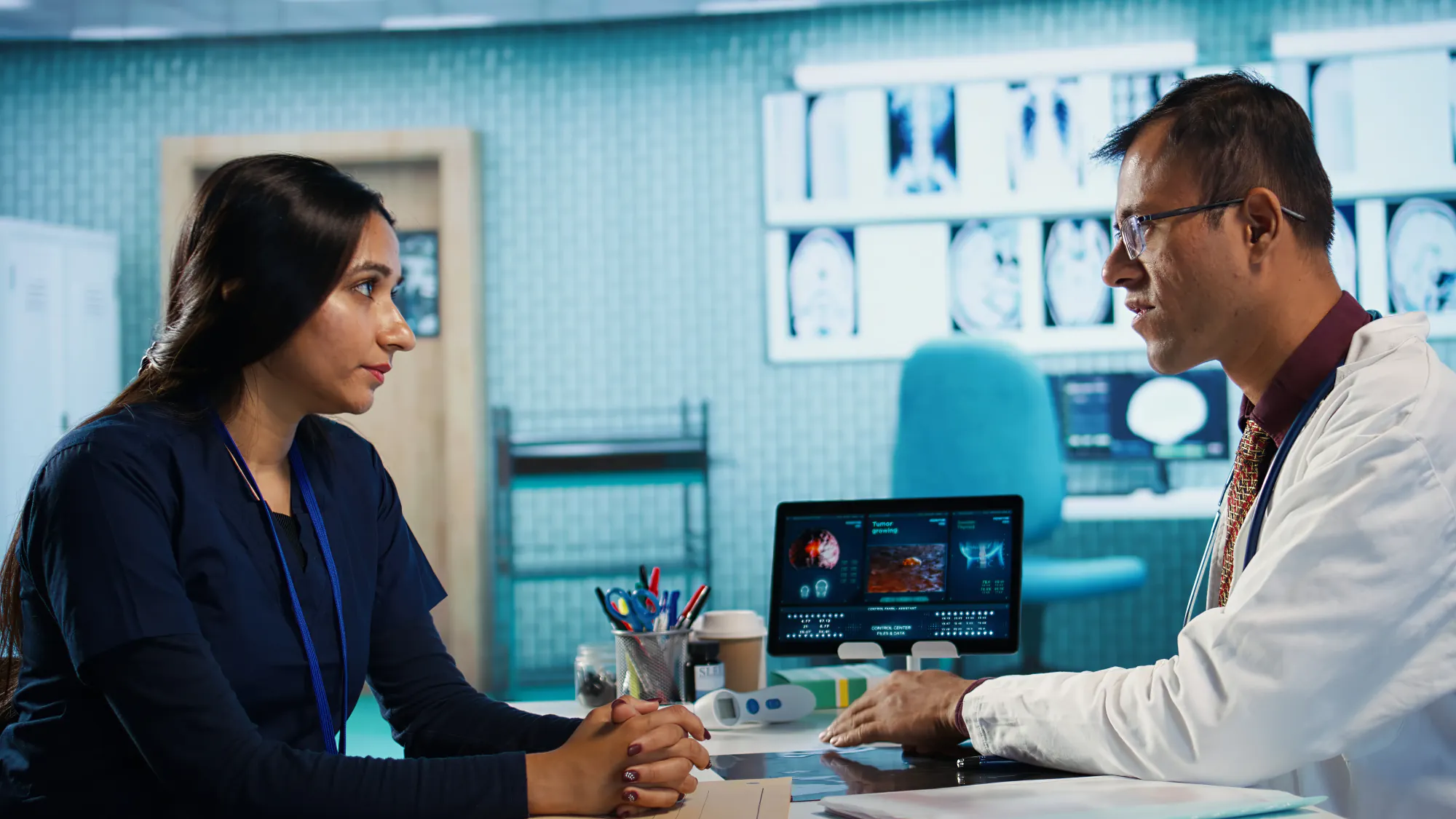
Dental Revenue Cycle Management When You Bill Medical Insurance
The ten stages of the medical revenue cycle for a dental sleep practice, where revenue is lost, the metrics to track monthly, and how to decide between in-house, outsourced, and hybrid billing.
AI Medical Billing and Coding for Dental Sleep Claims
What AI can do in medical billing for oral appliances, from code suggestions and claim checks to prior authorization packets and denial analysis, what it cannot do, and the compliance risks to manage.
Bite Registration for Oral Appliances: From the George Gauge to MAD-FIT
How the conventional George Gauge bite registration works, why a percentage of protrusive range is a rule of thumb, why vertical and lateral dimensions matter, and how MAD-FIT calculates a patient-specific jaw position.